
Turkey and Black Vultures Were Found Up to 3,000 Metres in Chiapas but Were Most Common in the Lowlands
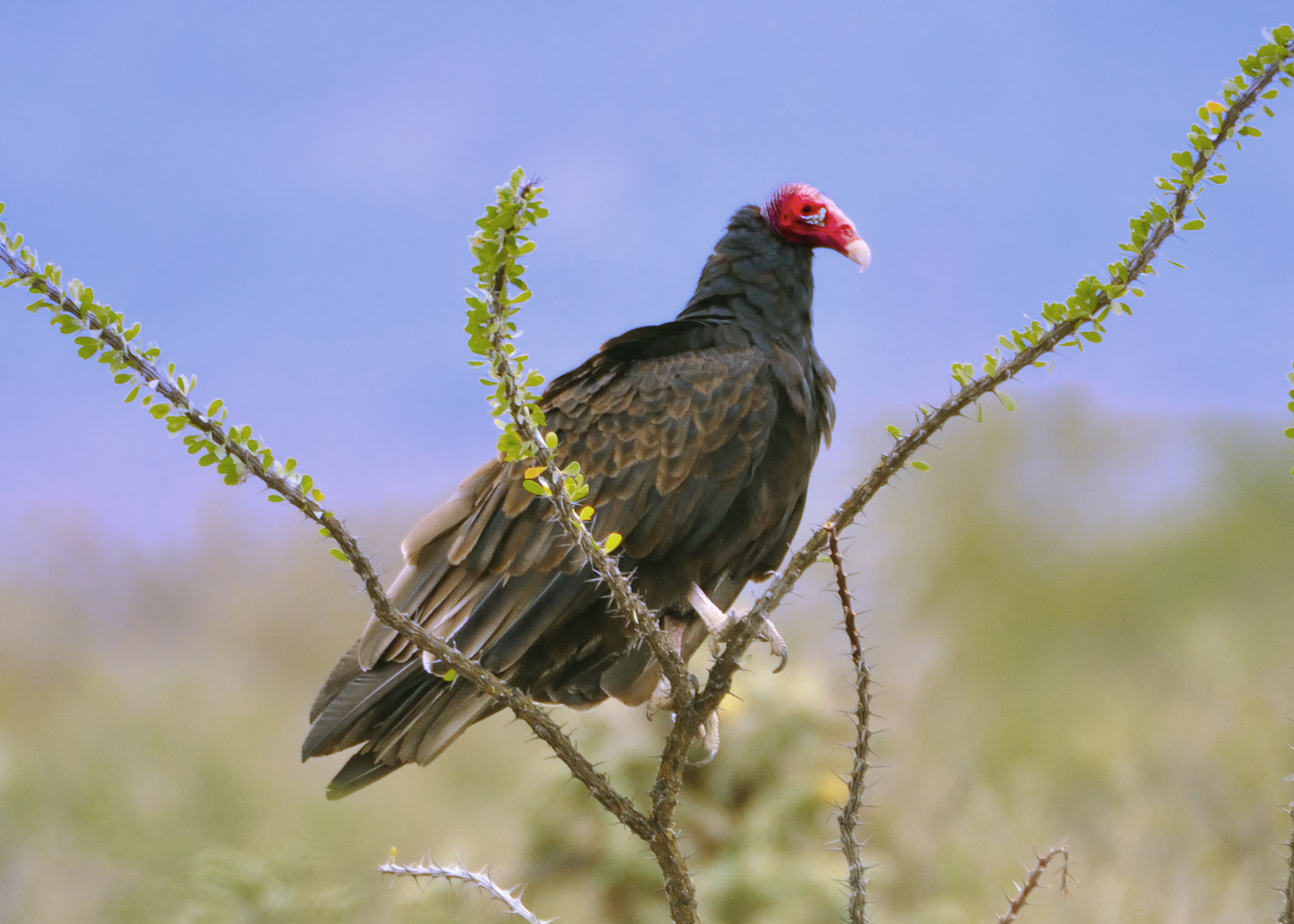
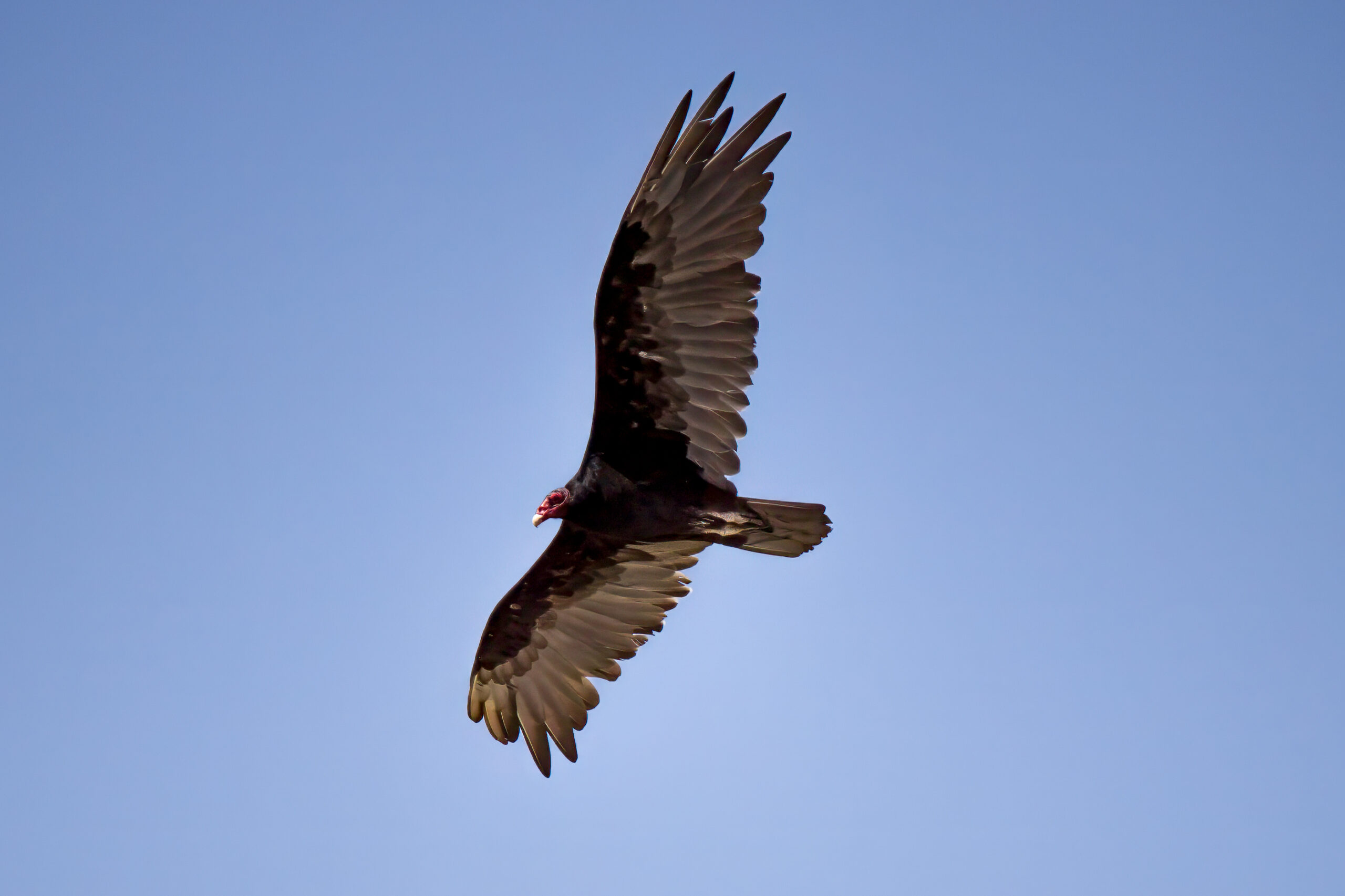
A study of four New World vulture species in Chiapas, Mexico, found clear differences in how they were distributed along an elevational gradient. Turkey vultures (Cathartes aura) and black vultures (Coragyps atratus) occurred from the lowlands to the highest elevations surveyed, but both were more abundant at lower elevations.
Researchers compiled records from bird surveys carried out between 2003 and 2015. The surveys followed fixed routes, or transects, 2–3 kilometres long, with records from 693 sampling points along those routes. The data were grouped into three elevation bands: 0–300 metres, 300–1,400 metres and 1,400–3,000 metres above sea level.
Turkey and black vultures were recorded in all three bands. Lesser yellow-headed vultures (Cathartes burrovianus) were found only at lower elevations, while king vultures (Sarcoramphus papa) were more prevalent at mid-elevations and less common at higher elevations.
The authors note that ecological information remains limited for tropical vultures, including widespread species. They argue that standardized long-term monitoring is needed to distinguish temporal changes from spatial differences in abundance and distribution, especially because carrion availability is variable and difficult to predict.
Ecology
Related news
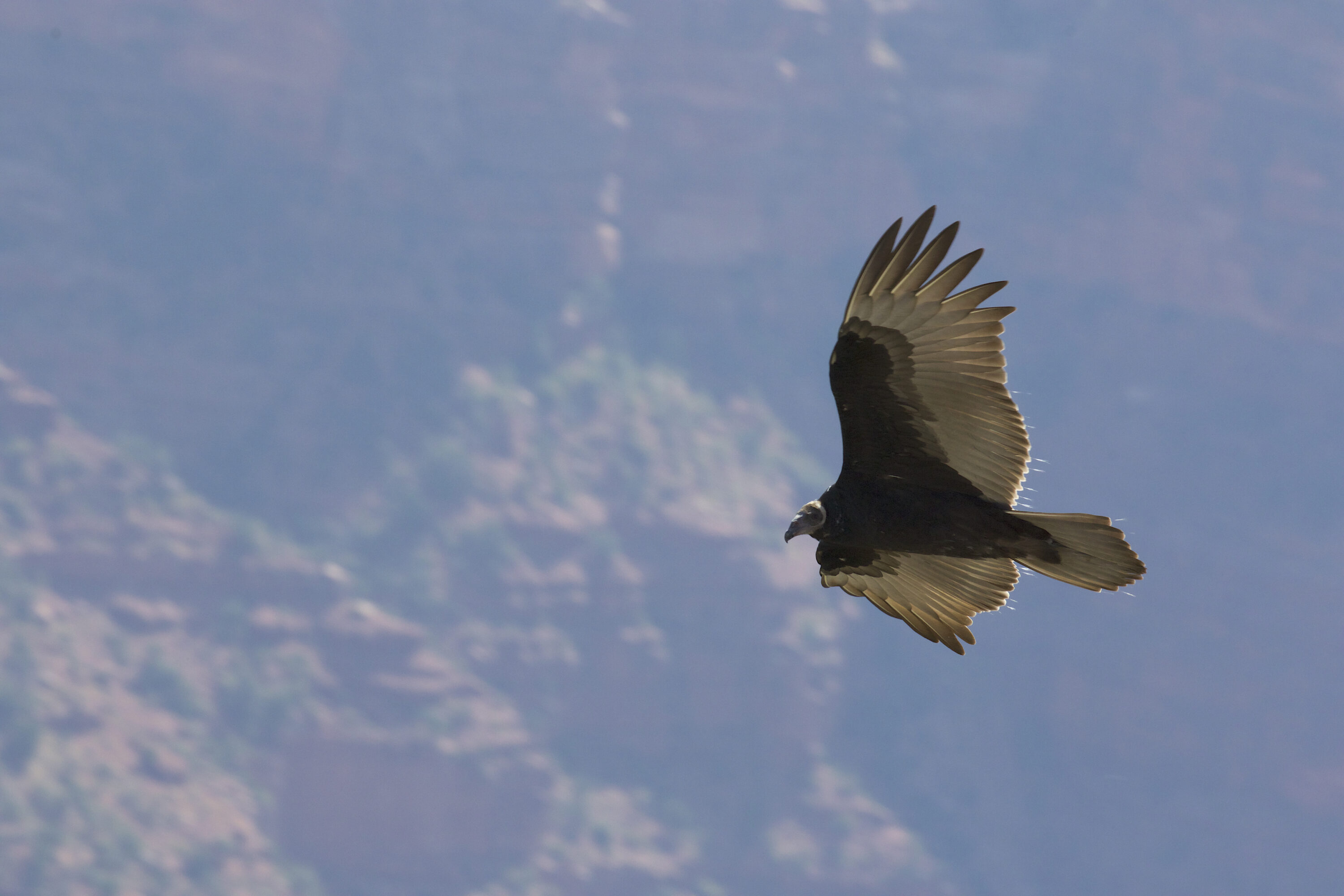
Remote Camera Provided First Direct Video Documentation of a Coyote Taking a Turkey Vulture Nestling
A remote camera in Armstrong County, Texas, recorded a coyote carrying one turkey vulture nestling from a nest…
Read story →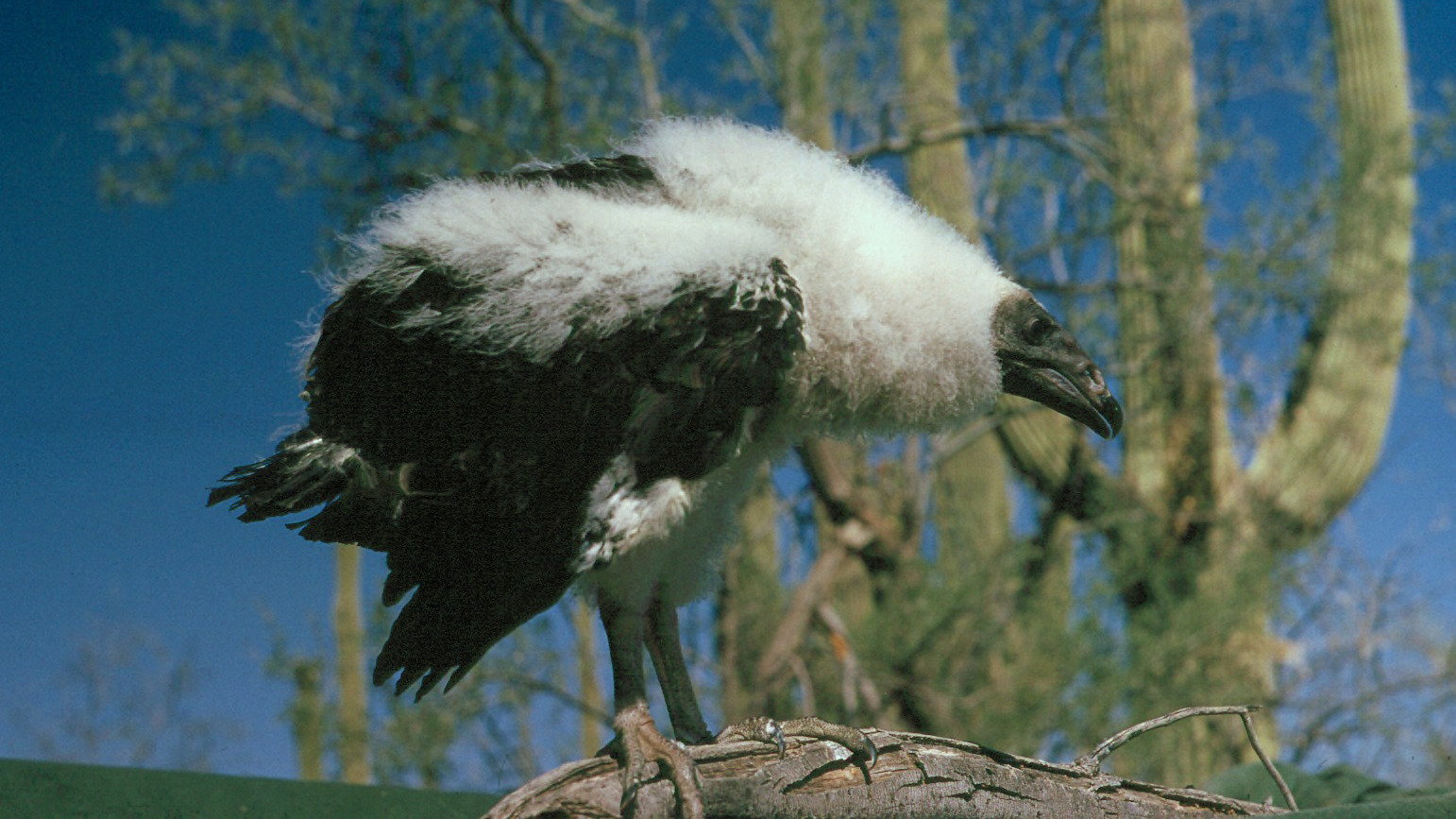
Fourteen years of nesting data show how spring weather shapes turkey vulture breeding in Saskatchewan
A 2026 study of 833 turkey vulture nesting attempts over 14 summers in Saskatchewan found later breeding at…
Read story →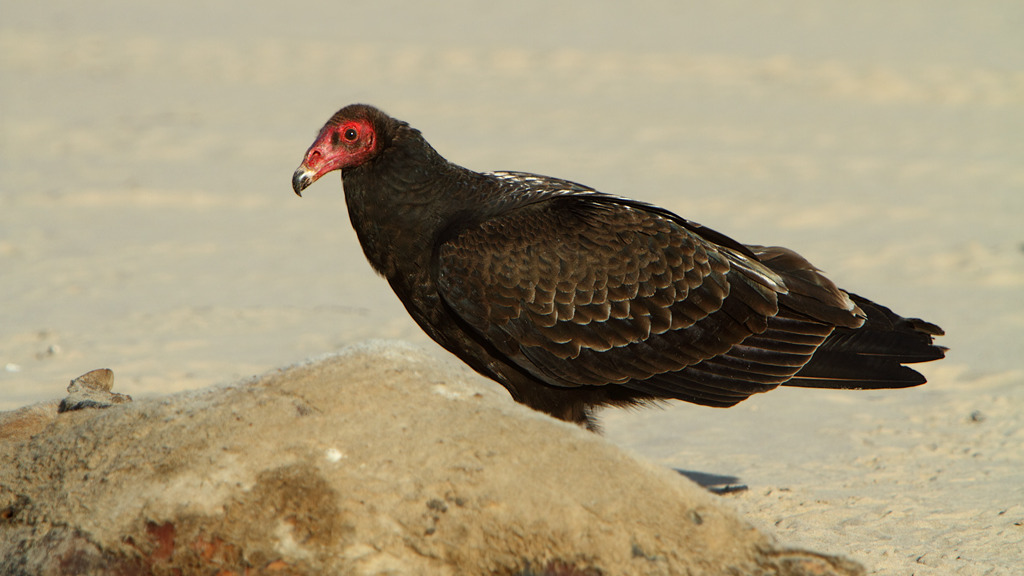
Turkey vultures were the main scavengers at puma kills in California mountains
A 2026 camera-trap study at 50 puma kills in California found turkey vultures visited the most carcasses, were…
Read story →SPECIES IN THIS STORY
Species in this story
Independent research and conservation news archive
Did you find this information useful?
Wildlife Vagabond is independently built and maintained. Voluntary support helps cover source verification, hosting and continued work on research and conservation news.
Support Wildlife VagabondThe news archive will remain freely available.