
Fourteen years of nesting data show how spring weather shapes turkey vulture breeding in Saskatchewan
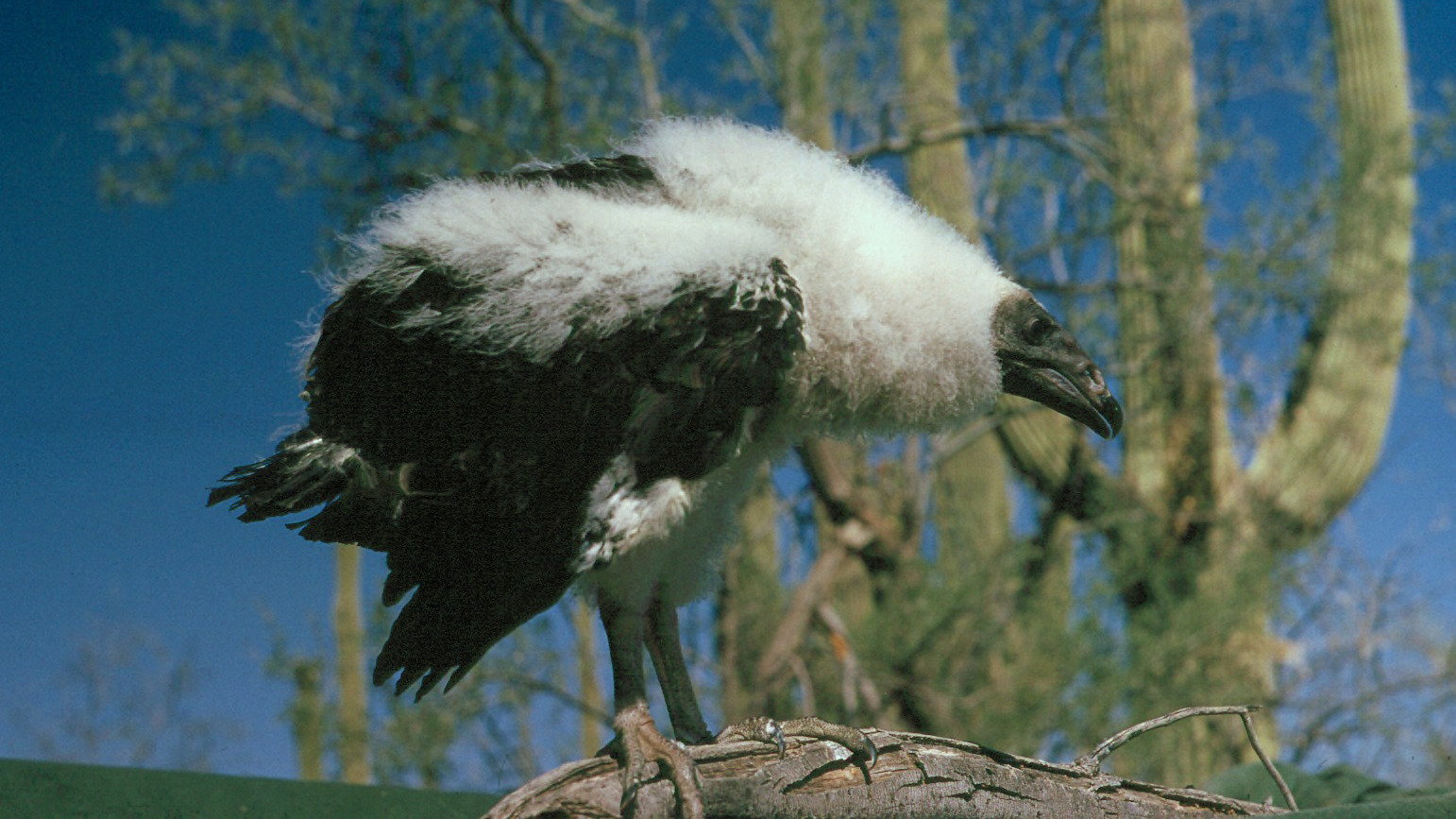
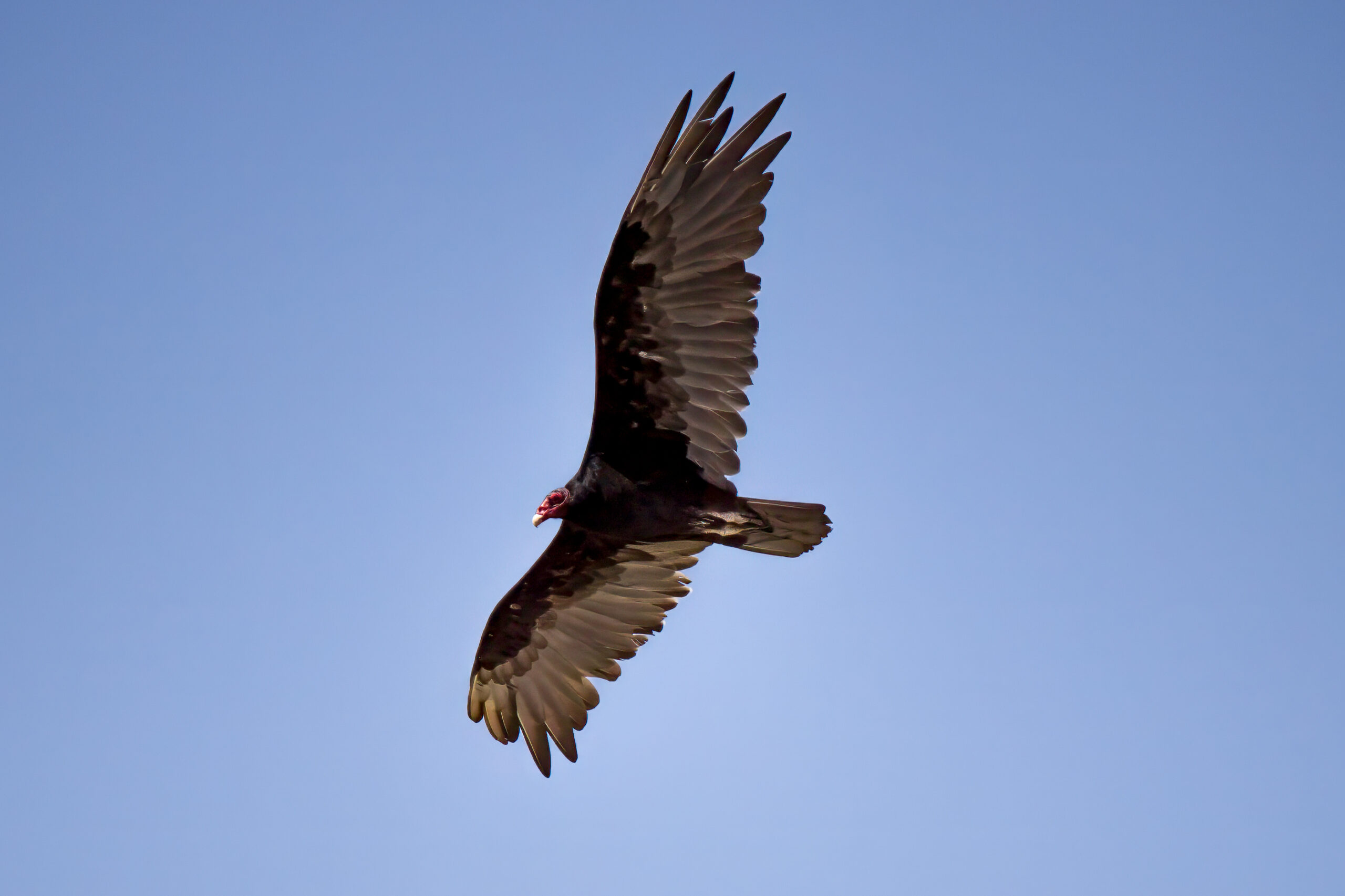
A 14-year study of turkey vultures (Cathartes aura) breeding near the northern edge of the species’ range has described nesting phenology, clutch size, productivity and nestling sex ratios in Saskatchewan, Canada. The article was published online on 13 January 2026 in Journal of Raptor Research and assigned to the June issue.
Researchers analysed 833 nesting attempts recorded from 2003 to 2016. Pairs breeding farther north within Saskatchewan began laying later than pairs at lower latitudes, showing a geographic gradient in breeding timing even within the study population.
Year-to-year weather was also associated with timing. Mean annual hatching dates were negatively correlated with average April temperatures, so warmer Aprils were associated with earlier hatching. The authors identify annual weather as an important influence on breeding phenology in this northern migratory population.
Two eggs were the most common clutch size. Of the 833 nesting attempts, 78% contained two eggs. Two-egg clutches were initiated earlier in the season than single-egg clutches, while estimated hatching asynchrony of zero to four days fell within the range reported elsewhere for the species.
Productivity was similar to that reported for turkey vultures breeding farther south. Successful nests produced an average of 1.7 fledglings, leading the authors to conclude that the northern Saskatchewan population does not show reproductive characteristics expected of an ecological population sink — a population that cannot sustain itself without immigration.
The researchers also extracted DNA from feathers of 578 nestlings to determine sex. The overall nestling sex ratio did not differ significantly from an equal ratio, either among years or across the population. Male nestlings nevertheless tended to hatch earlier in the season than females.
The researchers could not calculate population growth precisely because nest sites were not monitored systematically early in the breeding cycle. Some early failures may therefore have been missed, which could make the productivity estimate too high.
Reproduction & development
Related news
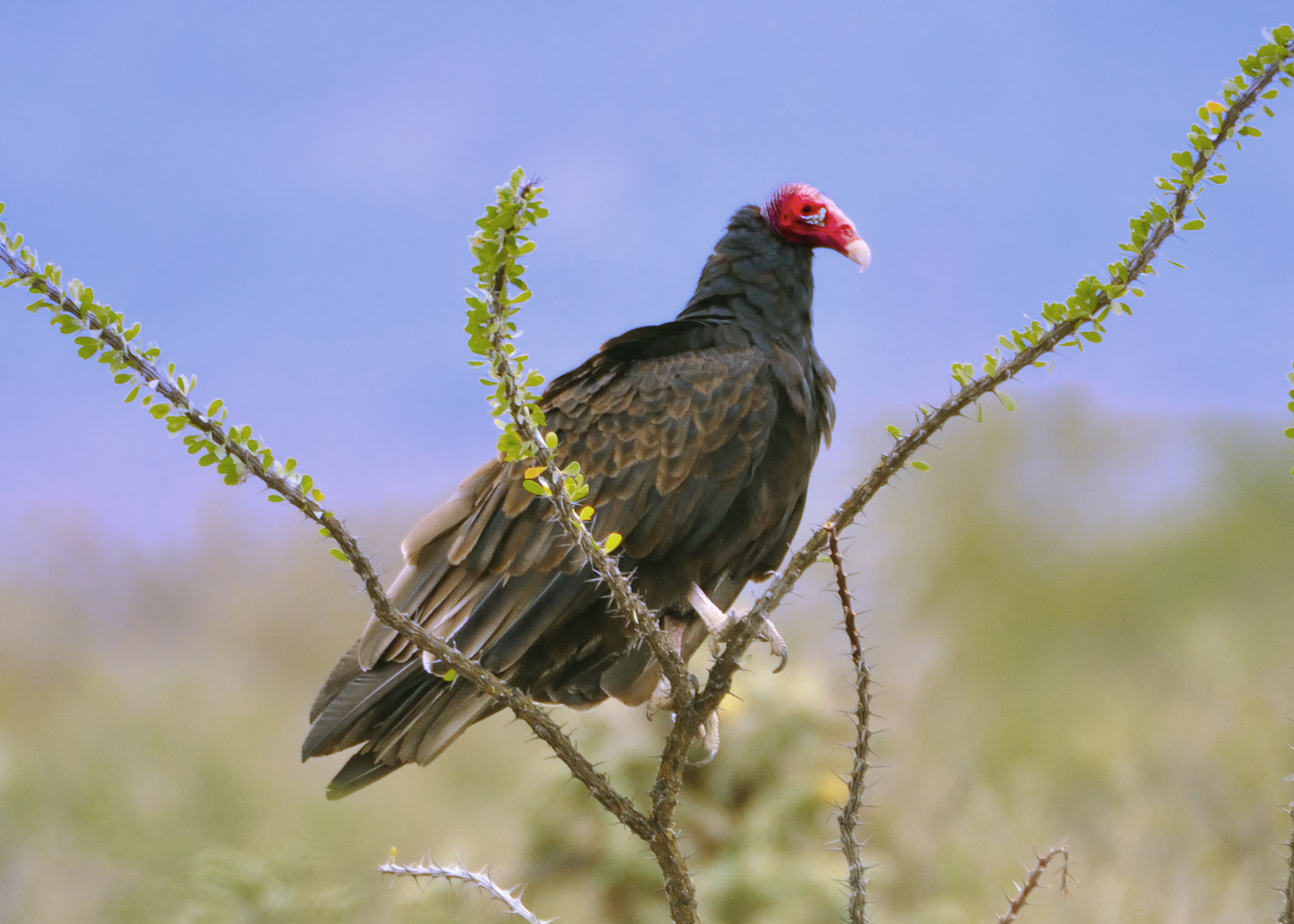
Turkey and Black Vultures Were Found Up to 3,000 Metres in Chiapas but Were Most Common in the Lowlands
A 2026 study from Chiapas found turkey and black vultures across all three surveyed elevation bands up to…
Read story →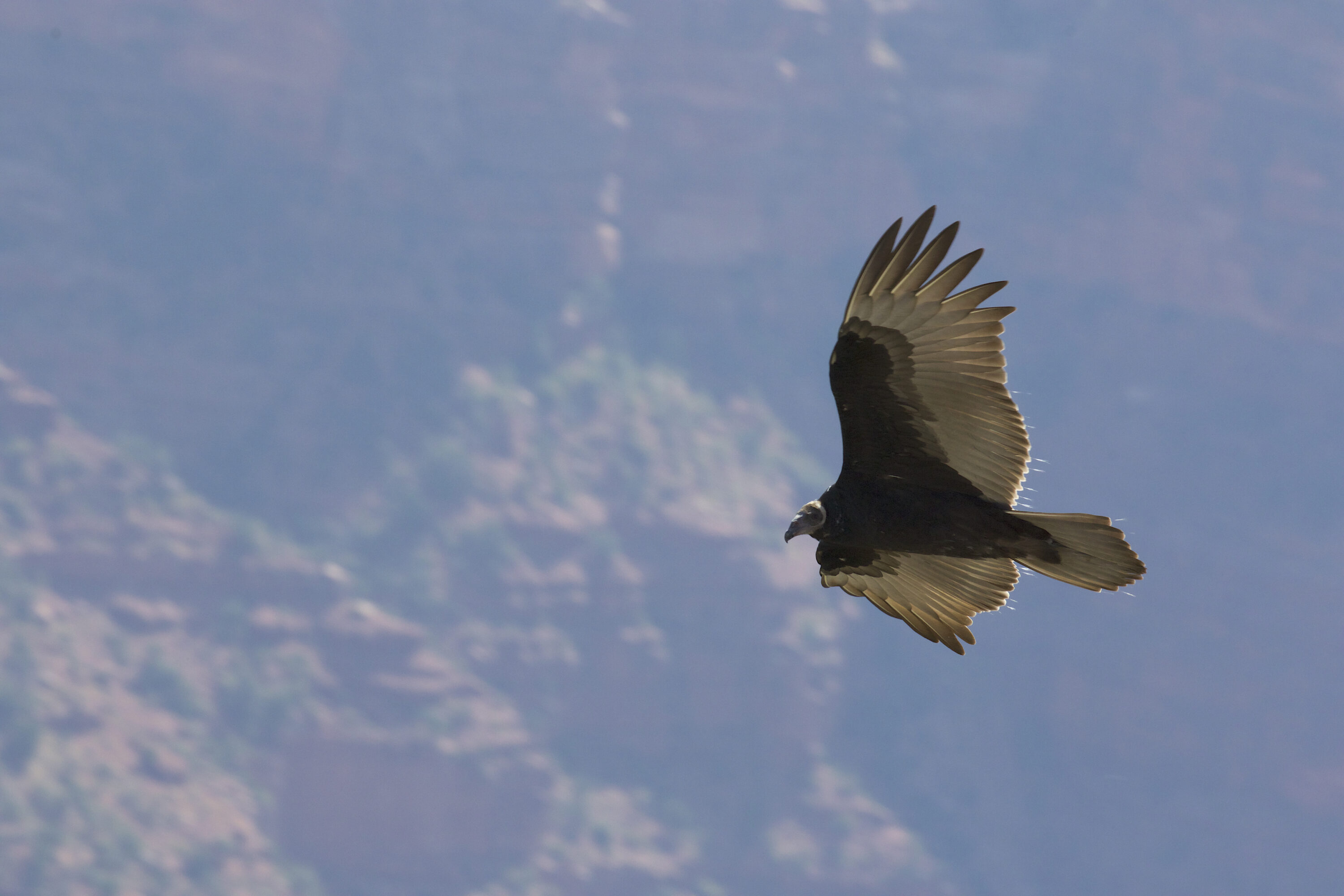
Remote Camera Provided First Direct Video Documentation of a Coyote Taking a Turkey Vulture Nestling
A remote camera in Armstrong County, Texas, recorded a coyote carrying one turkey vulture nestling from a nest…
Read story →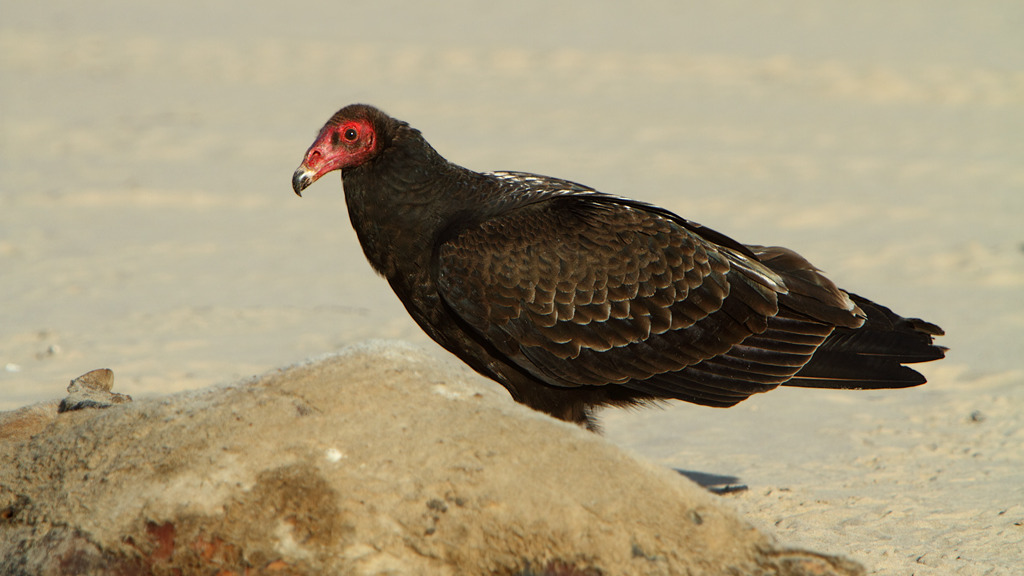
Turkey vultures were the main scavengers at puma kills in California mountains
A 2026 camera-trap study at 50 puma kills in California found turkey vultures visited the most carcasses, were…
Read story →SPECIES IN THIS STORY
Species in this story
Independent research and conservation news archive
Did you find this information useful?
Wildlife Vagabond is independently built and maintained. Voluntary support helps cover source verification, hosting and continued work on research and conservation news.
Support Wildlife VagabondThe news archive will remain freely available.