
Turkey Vulture Migration Shifted Later as the Largest Annual Aggregations Nearly Tripled
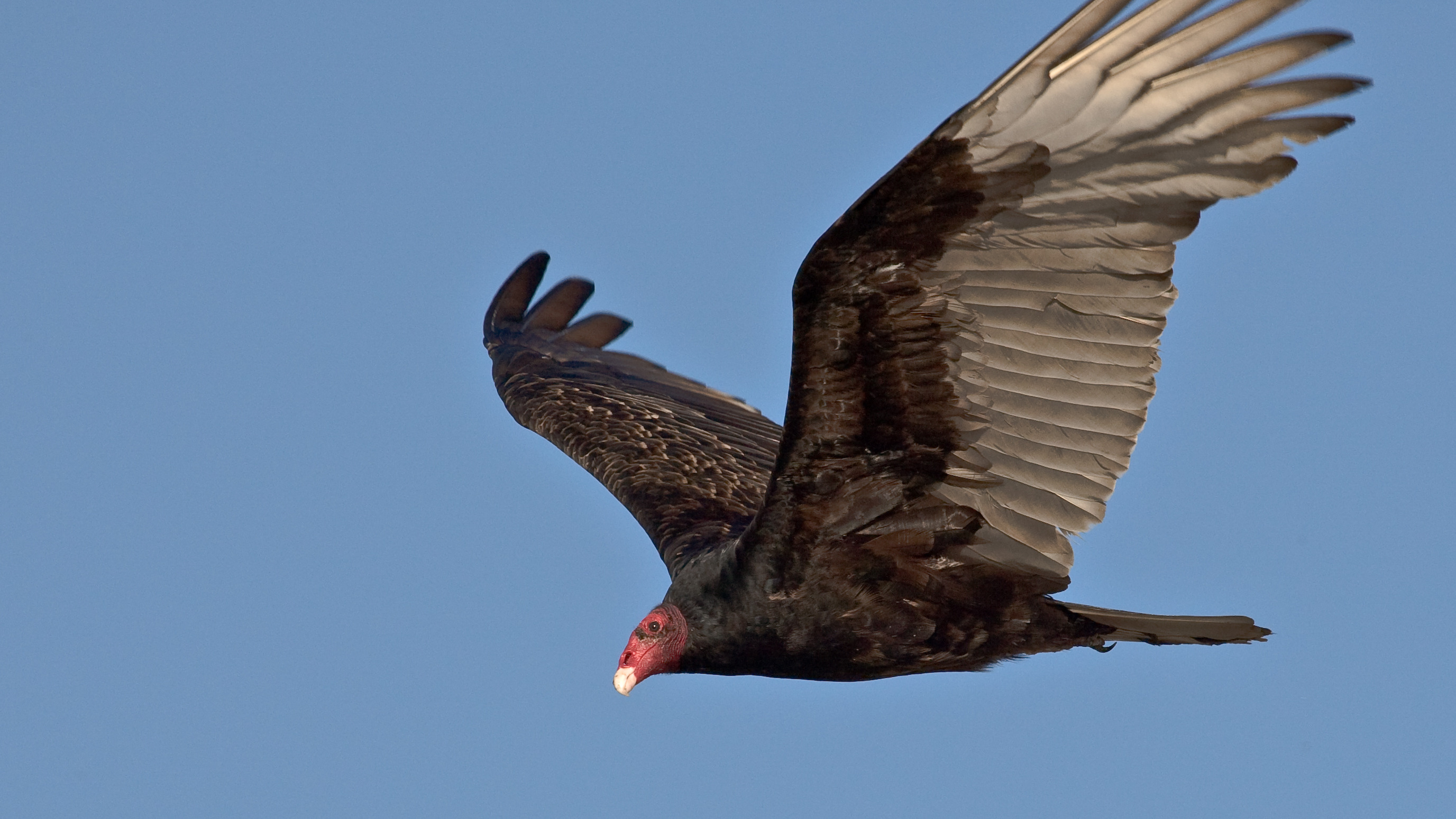
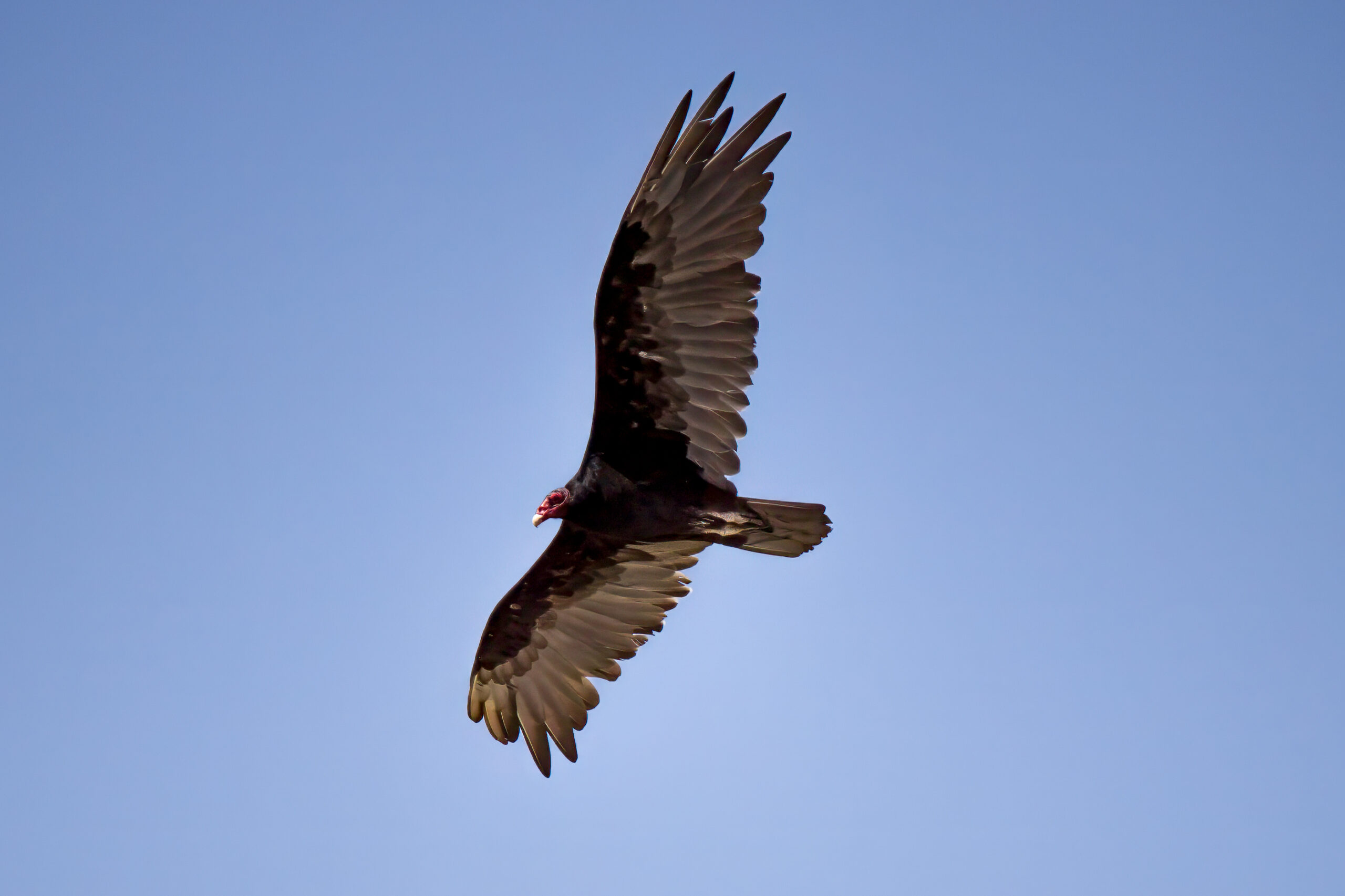
Autumn migration by Turkey Vultures (Cathartes aura) at the southern tip of Vancouver Island, Canada shifted later between 1999 and 2023, while the largest annual observed aggregations increased strongly. The study used long-term daily counts from Rocky Point Bird Observatory in British Columbia.
Rocky Point sits beside the Juan de Fuca Strait, a major water barrier for a species that normally saves energy by soaring on rising air rather than flapping continuously. Migrating Turkey Vultures therefore gather before the crossing in large soaring groups known as kettles, in which birds circle upward in thermals before moving onward.
Peak migration moved about 1.6 days later per decade
The analysis included 24 years with suitable count data across the 25-year period from 1999 to 2023. On average, the main migration period lasted about 24 days, while the middle half of migrants passed within roughly ten days. The median peak date was 28 September.
Peak migration shifted later by about 1.6 days per decade. The estimated start of migration and both the beginning and end of the peak period also moved later. By contrast, the overall duration of migration and the duration of the peak period did not show clear long-term changes.
The timing result therefore reflects a seasonal shift rather than a progressively longer migration window.
The largest observed aggregations increased about 2.8-fold
For each year, the researchers also analysed the largest daily estimated total of Turkey Vultures observed at Rocky Point. These annual maxima averaged 831 birds and ranged from 310 to 2,375.
The annual maximum increased by an estimated 4.2% per year. Across the 25-year period, that corresponds to about 2.8 times the earlier level — almost a tripling of the largest observed aggregations. Counts of local resident vultures recorded before the main migration also increased, by about 3.1% per year.
These counts are evidence of changing abundance, not a direct census of the entire western North American population. The number gathering at Rocky Point can also be affected by weather, observation gaps and whether birds choose other crossing points around southern Vancouver Island.
The count trend agrees with other population monitoring
The authors interpret the strong rise in annual maximum counts as evidence that the migratory Turkey Vulture population using this region has increased. That interpretation is consistent with population increases reported by Breeding Bird Surveys and hawk-watch programmes elsewhere in North America.
The later autumn timing also resembles changes reported for Turkey Vultures in eastern North America. Climate change is one possible contributor because warmer autumn conditions could alter departure timing, survival or food availability, but the Rocky Point study did not test a direct climatic cause.
The study shows that long-term counts at a migration bottleneck can provide useful information about both migration timing and population change, while remaining a relative monitoring tool rather than a full population census.
Population & status
Related news
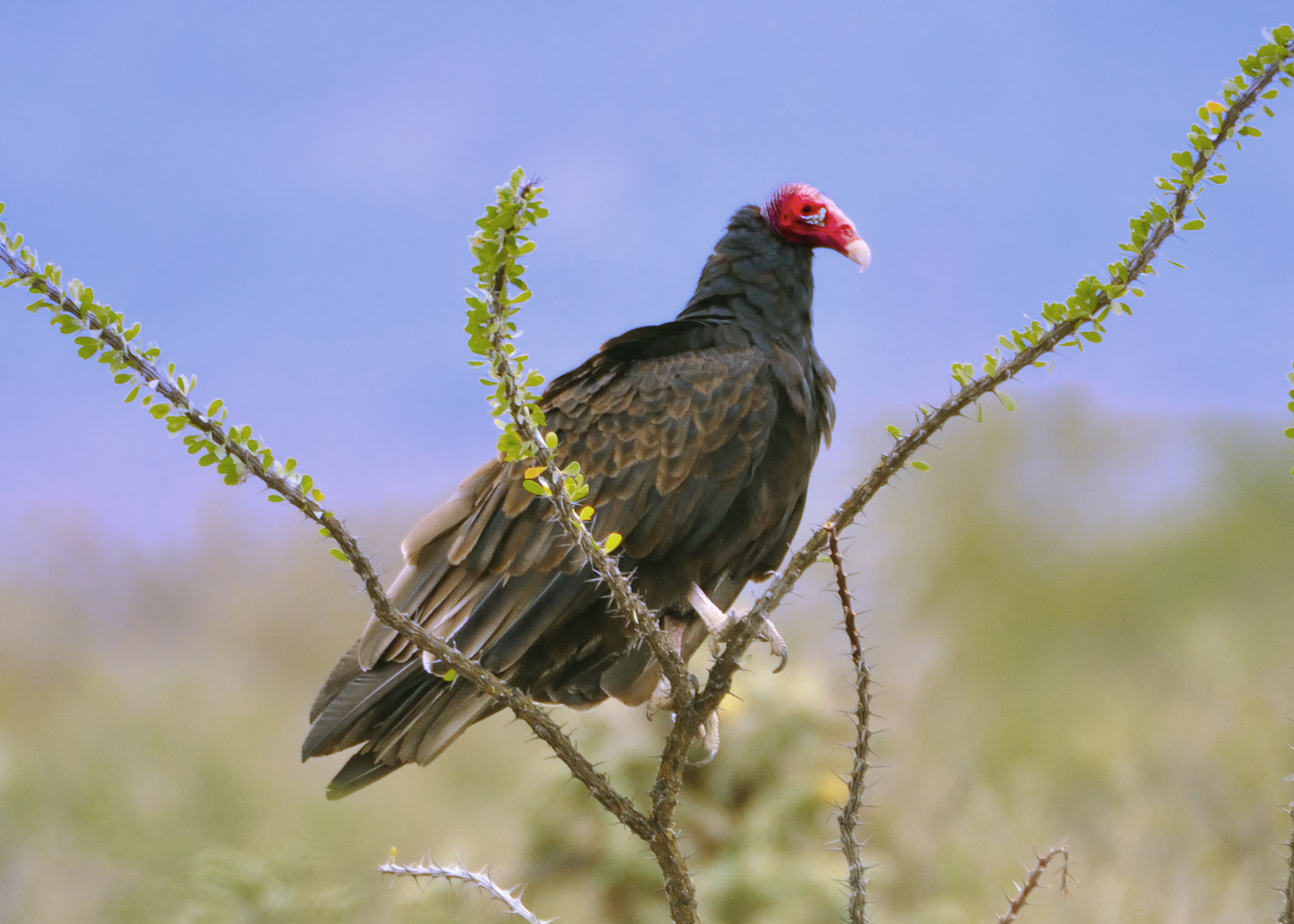
Turkey and Black Vultures Were Found Up to 3,000 Metres in Chiapas but Were Most Common in the Lowlands
A 2026 study from Chiapas found turkey and black vultures across all three surveyed elevation bands up to…
Read story →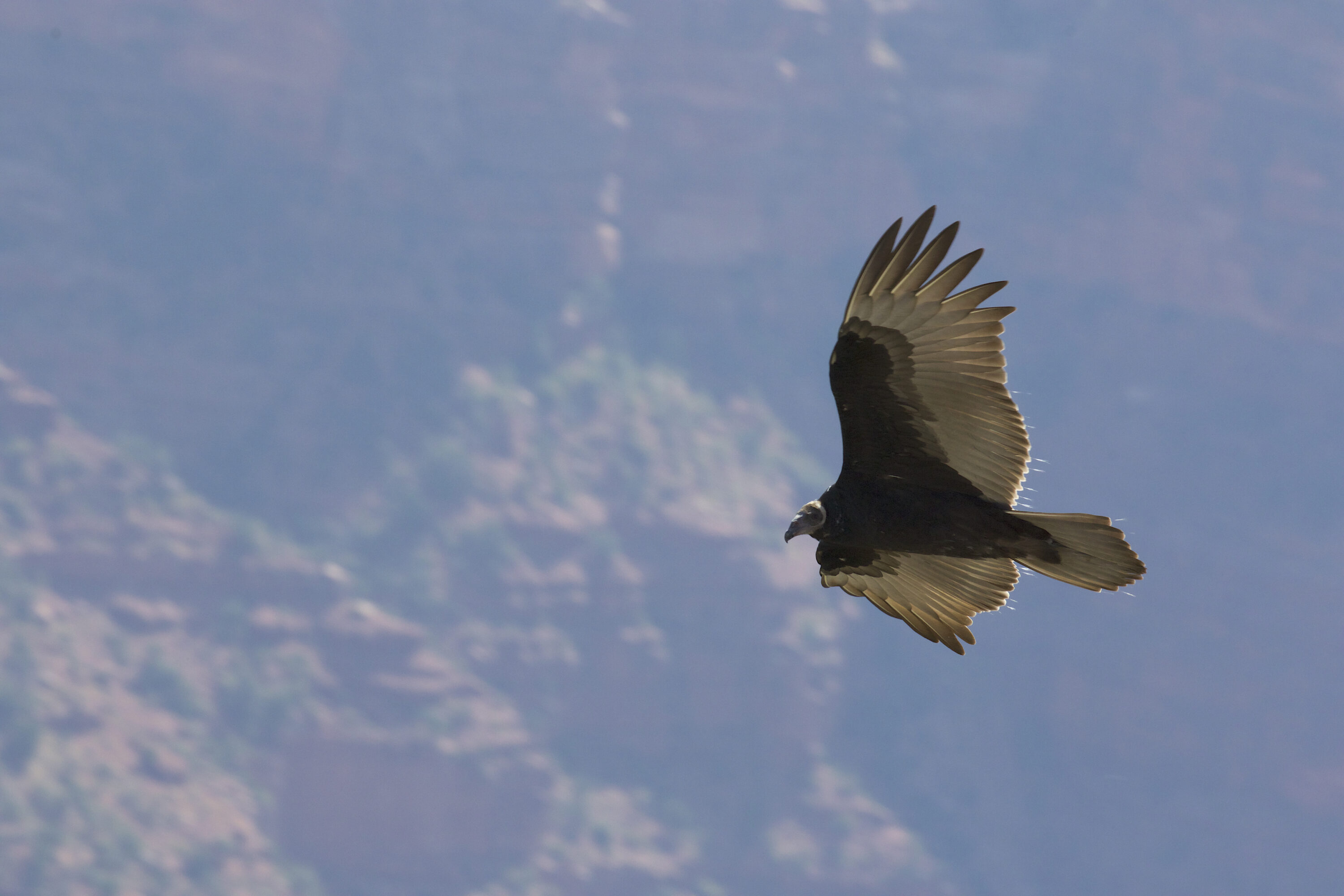
Remote Camera Provided First Direct Video Documentation of a Coyote Taking a Turkey Vulture Nestling
A remote camera in Armstrong County, Texas, recorded a coyote carrying one turkey vulture nestling from a nest…
Read story →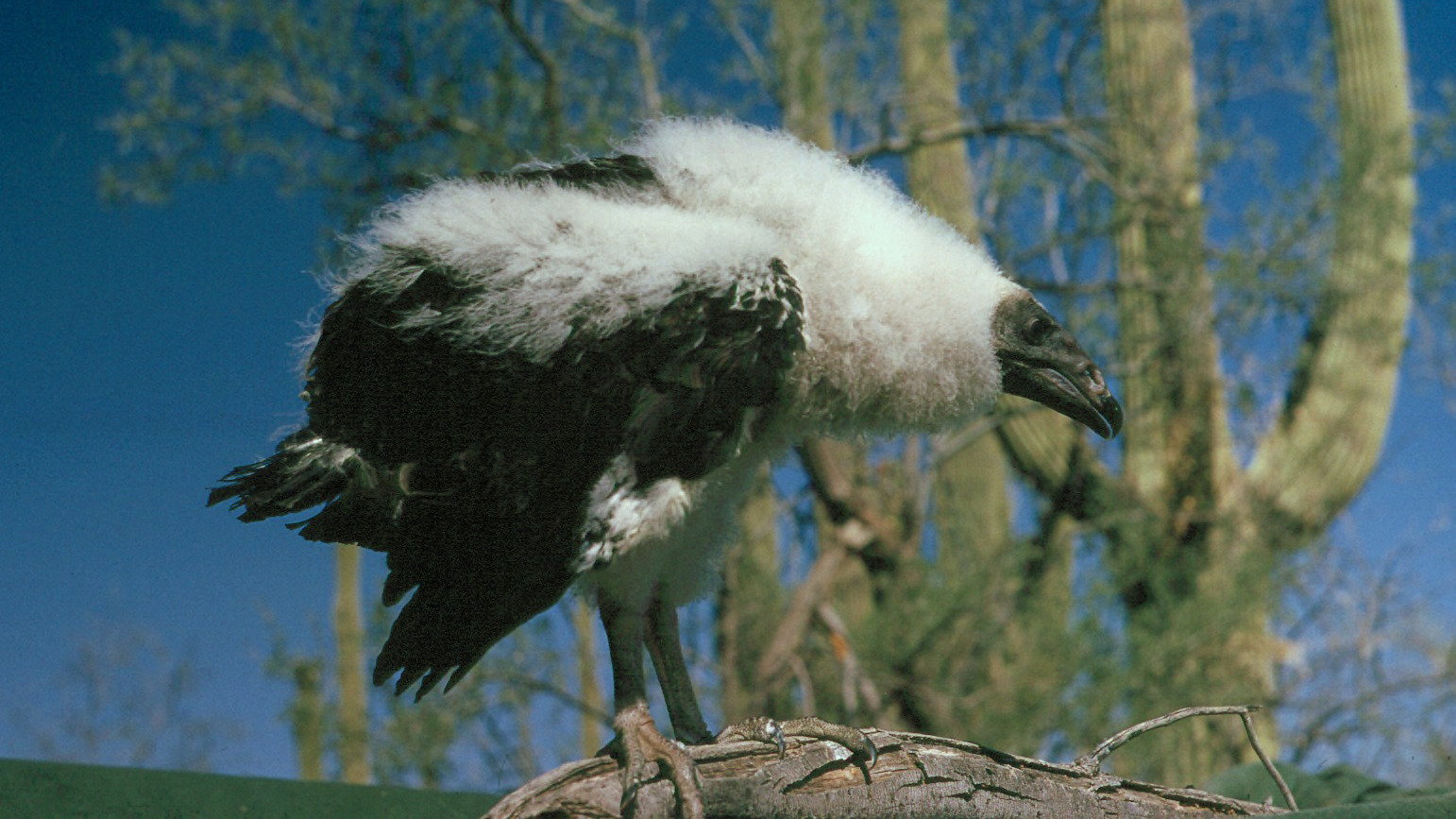
Fourteen years of nesting data show how spring weather shapes turkey vulture breeding in Saskatchewan
A 2026 study of 833 turkey vulture nesting attempts over 14 summers in Saskatchewan found later breeding at…
Read story →SPECIES IN THIS STORY
Species in this story
Independent research and conservation news archive
Did you find this information useful?
Wildlife Vagabond is independently built and maintained. Voluntary support helps cover source verification, hosting and continued work on research and conservation news.
Support Wildlife VagabondThe news archive will remain freely available.