
Villagers Knew Painted Storks Well but Saw Wetland Loss and Crop Damage as Key Problems
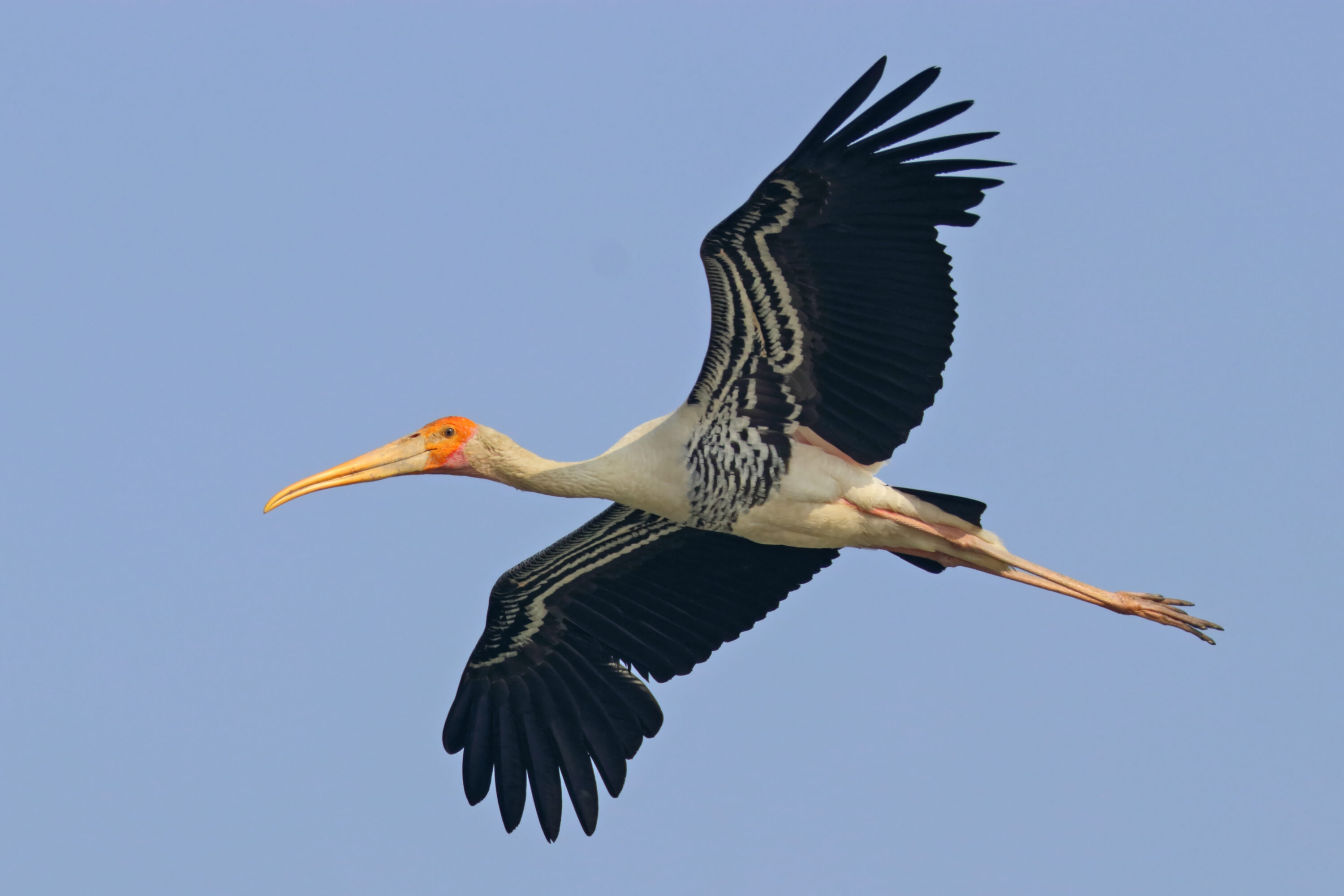
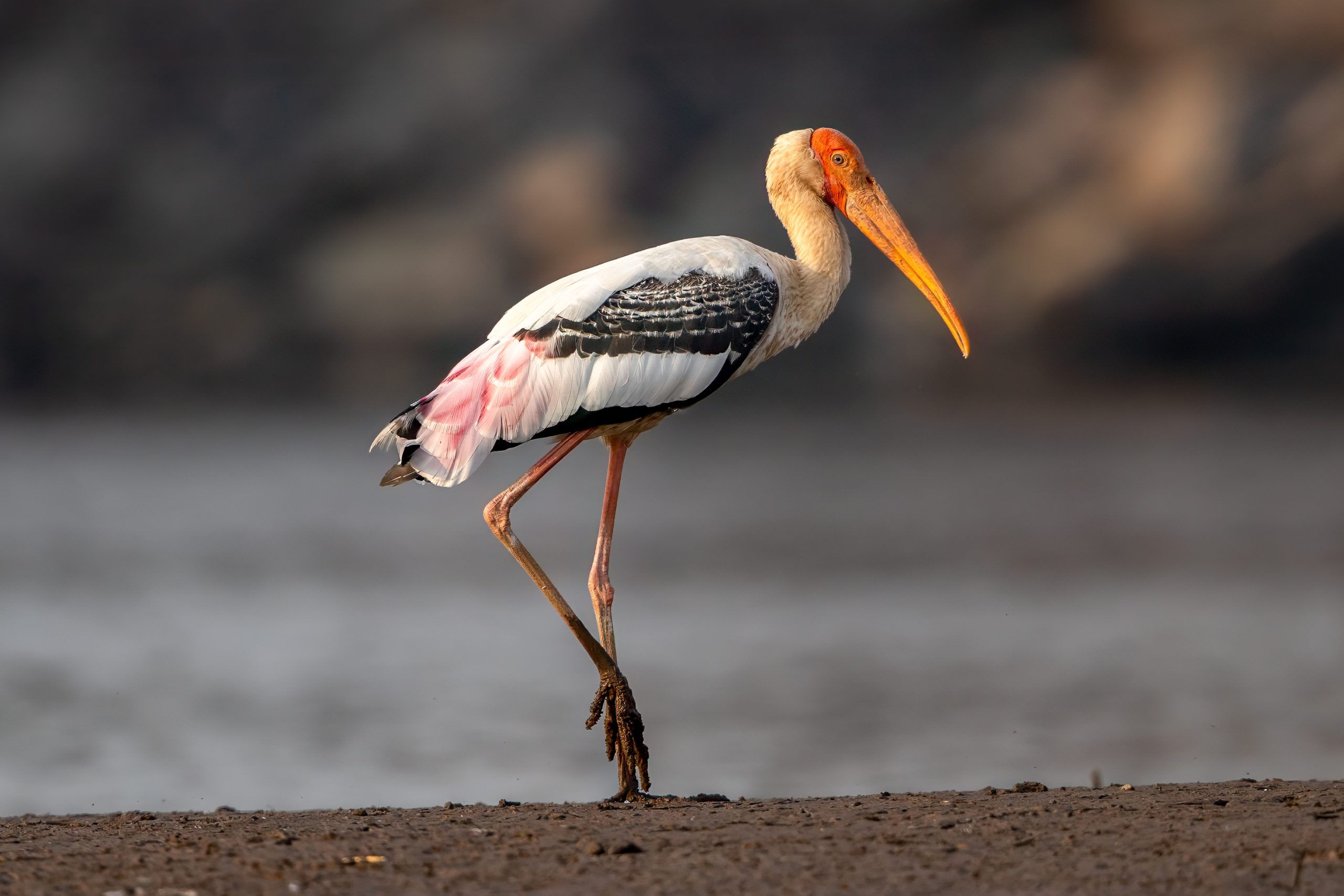
People living alongside breeding painted storks (Mycteria leucocephala) in two villages in Uttar Pradesh, India, showed extensive local knowledge of the species, but also described costs and threats associated with coexistence. Researchers surveyed 200 residents of Farhadpura and Usrai in Etawah District during August and September 2024, where the storks nest in trees in agricultural fields.
Every respondent was able to identify the species, and most knew its local name, breeding ecology, foraging ecology and population trend. Fifty-two per cent said they liked painted storks and 51% supported their conservation. Fifty-eight per cent were willing to participate in awareness programmes and 47% in nest-monitoring training. At the same time, 64% did not know the species’ conservation status, 48% were reluctant to report hunting and 46% were reluctant to take injured birds to a veterinarian.
Storks were linked to both benefits and costs
Respondents identified 12 ecosystem services and five disservices associated with the storks. Pest control was the most frequently cited service, mentioned by 50%, while crop destruction was the most frequently cited disservice, mentioned by 72%. Forty-four per cent regarded the species as harmful, primarily because droppings were said to fall on and damage crops.
Wetland loss was the main perceived threat
Wetland loss was the most frequently cited threat, reported by 59% of respondents. Villagers told the researchers that wetlands were being encroached upon for agricultural expansion and that painted storks were hunted for meat; during field visits the researchers also observed people throwing stones at chicks in nests. Among suggested responses, 52% of respondents favoured awareness programmes, 50% wetland management and conservation, and 48% said local communities should take the initiative. The authors also emphasise protection of nesting trees in landscapes outside protected areas.
Human–wildlife conflict
Related news
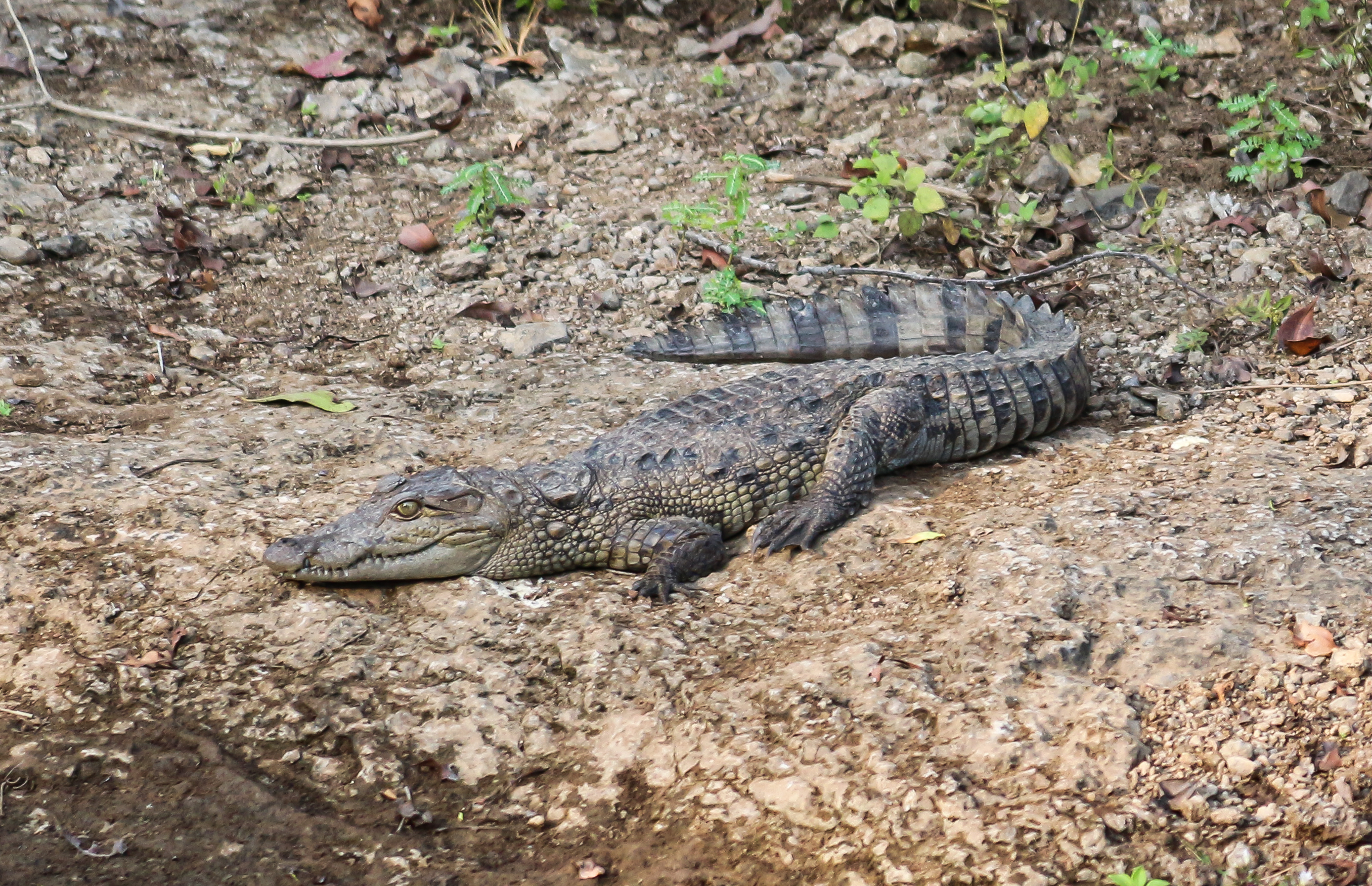
Falling Tungabhadra Water Levels Brought Mugger Crocodiles Onto Riverbanks in Kurnool
Receding water in the Tungabhadra brought mugger crocodiles onto exposed banks in Kurnool, where one was attacked by…
Read story →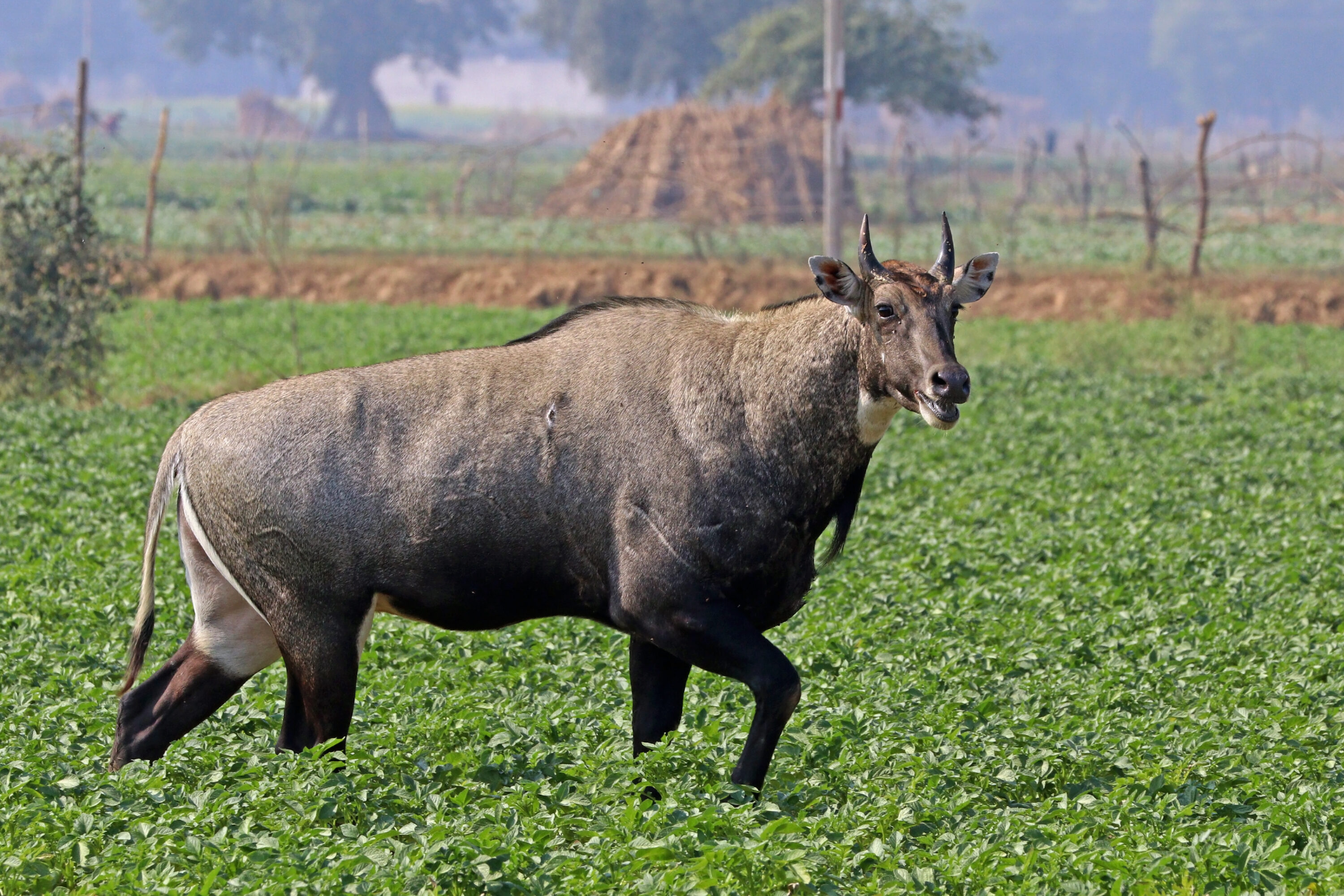
Farmer Survey Estimated Annual Nilgai Crop Destruction Near Junagadh at 63%
A farmer survey across eight villages near Junagadh estimated annual nilgai crop destruction at 63%, with groundnut particularly…
Read story →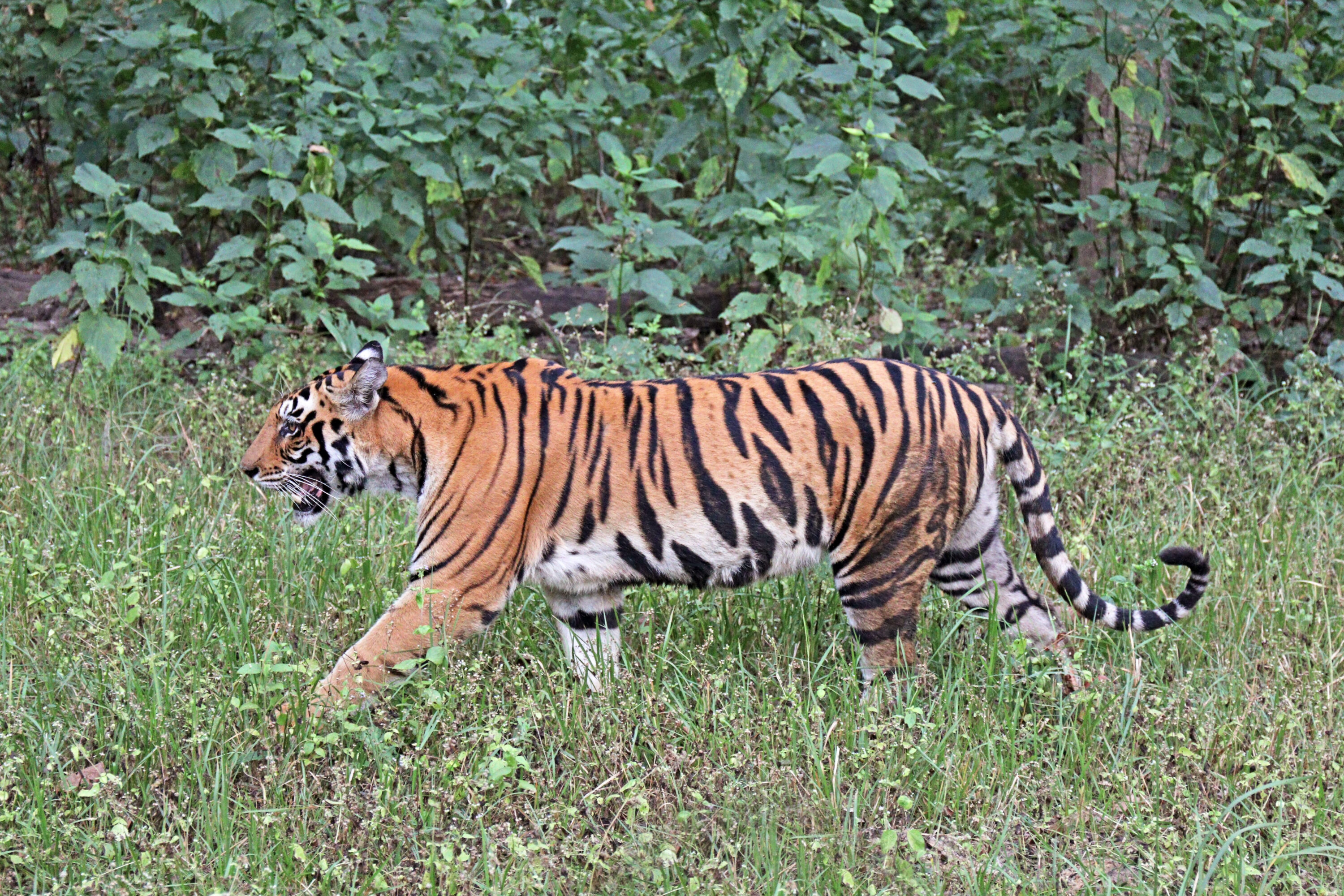
Tiger Recovery Was Not Consistently Linked to More Human–Tiger Conflict
A 2010–2025 synthesis from ten tiger range countries found no consistent relationship between tiger population size and total…
Read story →SPECIES IN THIS STORY
Species in this story
Independent research and conservation news archive
Did you find this information useful?
Wildlife Vagabond is independently built and maintained. Voluntary support helps cover source verification, hosting and continued work on research and conservation news.
Support Wildlife VagabondThe news archive will remain freely available.