
Wintering waterbirds increased in Italy’s Caorle Lagoon, but the community changed
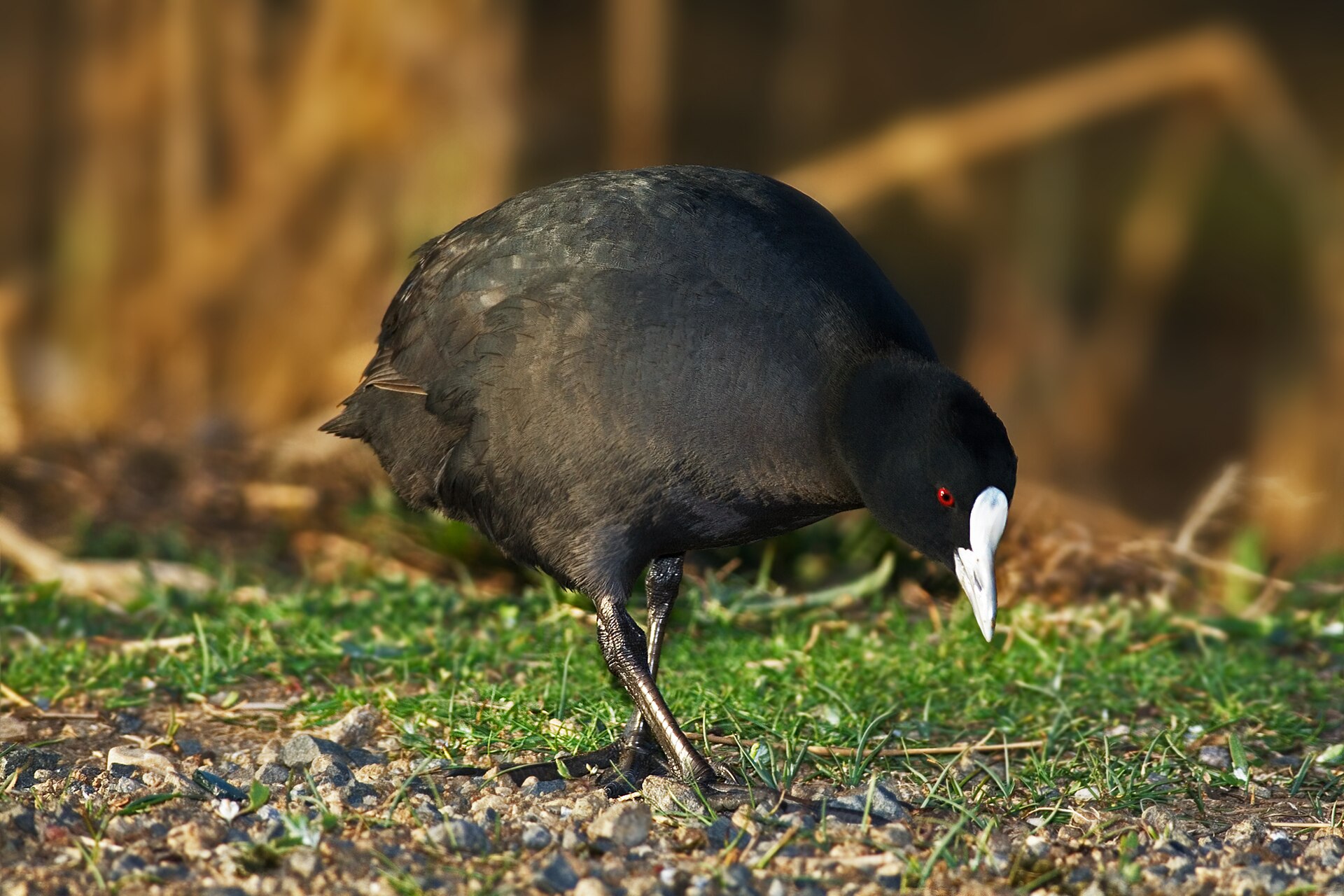
Wintering waterbirds became more numerous in the Caorle Lagoon on Italy’s northern Adriatic coast between 1993 and 2022. But the increase did not mean that all birds fared alike: the species making up the lagoon’s winter community changed substantially.
The researchers analysed 29 winter counts, which recorded 947,541 birds from 84 species, excluding raptors. Total numbers more than doubled, while species richness and Shannon diversity also increased. Shannon diversity reflects both how many species are present and how evenly individuals are distributed among them.
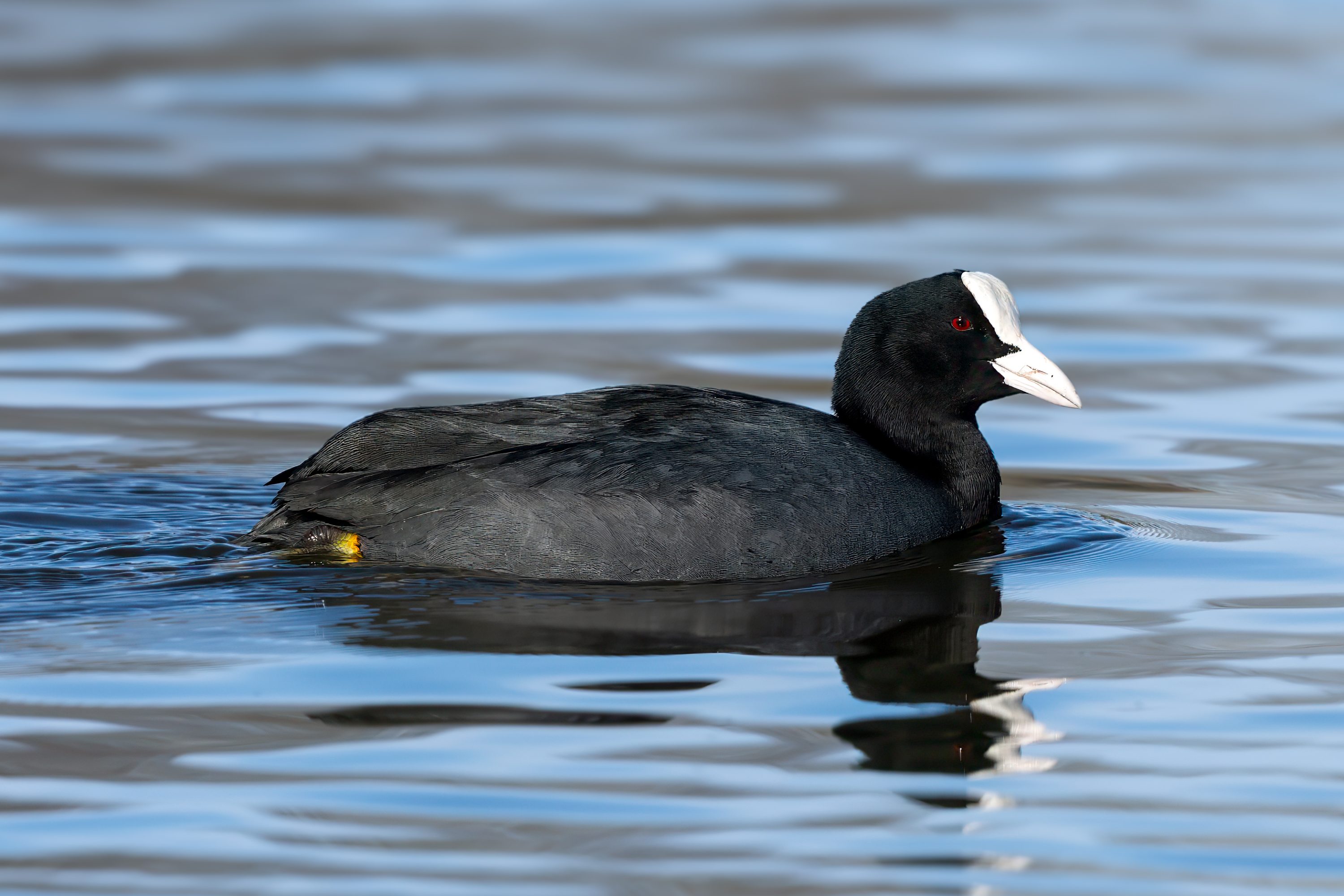
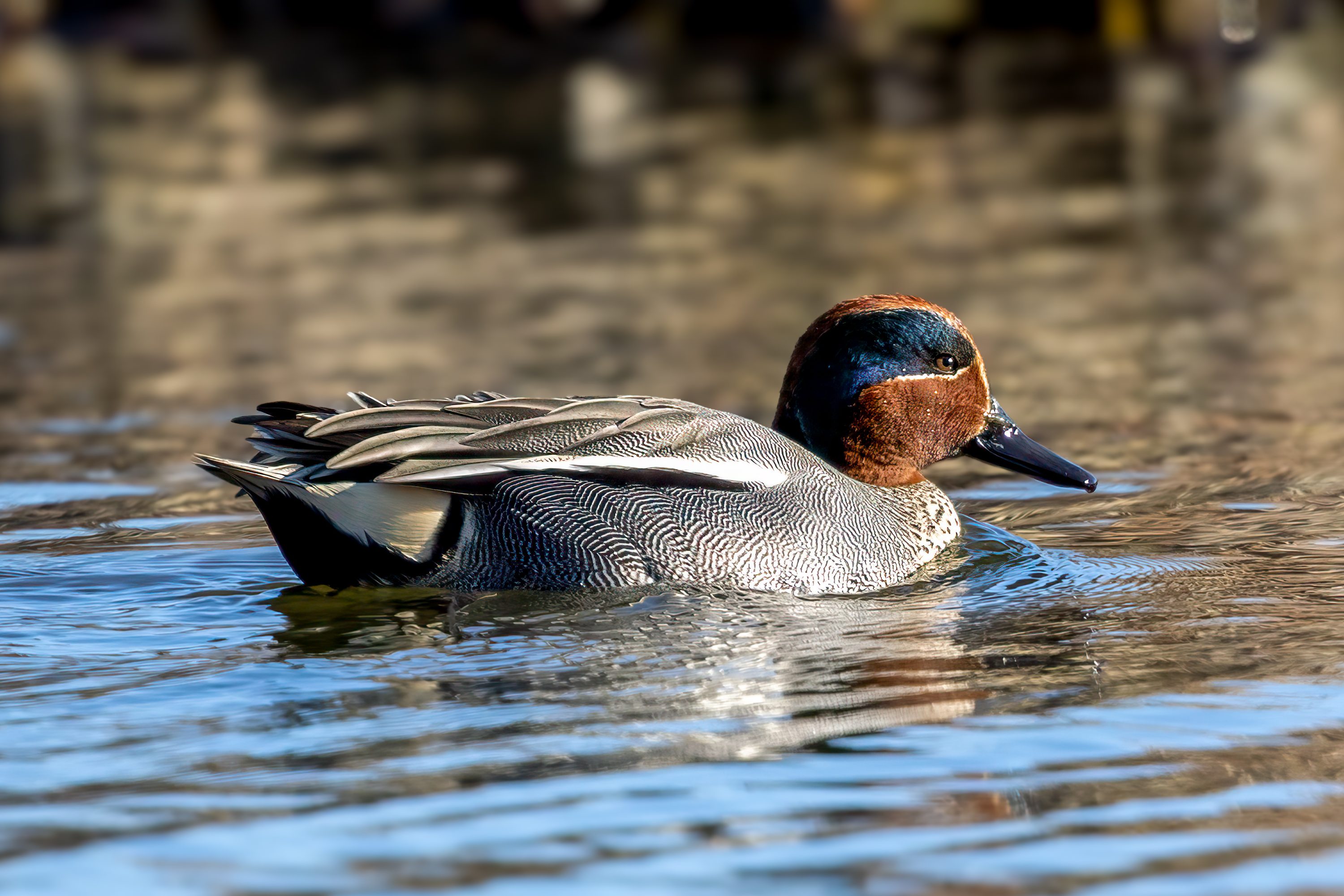
Ducks, geese and swans showed the strongest positive trends, especially species that feed by grazing. Eurasian Teal (Anas crecca) numbers increased, while Eurasian Coot (Fulica atra) became less dominant. Coots and rails declined overall.
Most recorded birds—80.9%—were found at fish farms, which are managed for waterbird hunting. The share recorded in large reclaimed areas also rose, from 0.7% in 1994–2002 to 10.2% in 2012–2022. The authors suggest that managed wetlands and surrounding agricultural habitats play an important role for wintering birds in the lagoon.
The study is available as a preprint and has not been peer reviewed.
The counts show that a rising total can conceal major changes in which species use a wetland and where birds are recorded within it. The abundance-weighted Community Temperature Index (CTI)—an indicator based on the temperature conditions species are associated with—showed no clear trend over time. A version that counted species presence rather than their abundance increased, but the index declined when the five most abundant species were left out. These contrasting results mean the apparent shift in the community’s climate associations depended on how species were counted; they do not show a corresponding change in the lagoon’s measured temperature. Overall, the lagoon held more wintering waterbirds than before, but a different mix of species, with many birds recorded at fish farms.
Ecology
Related news
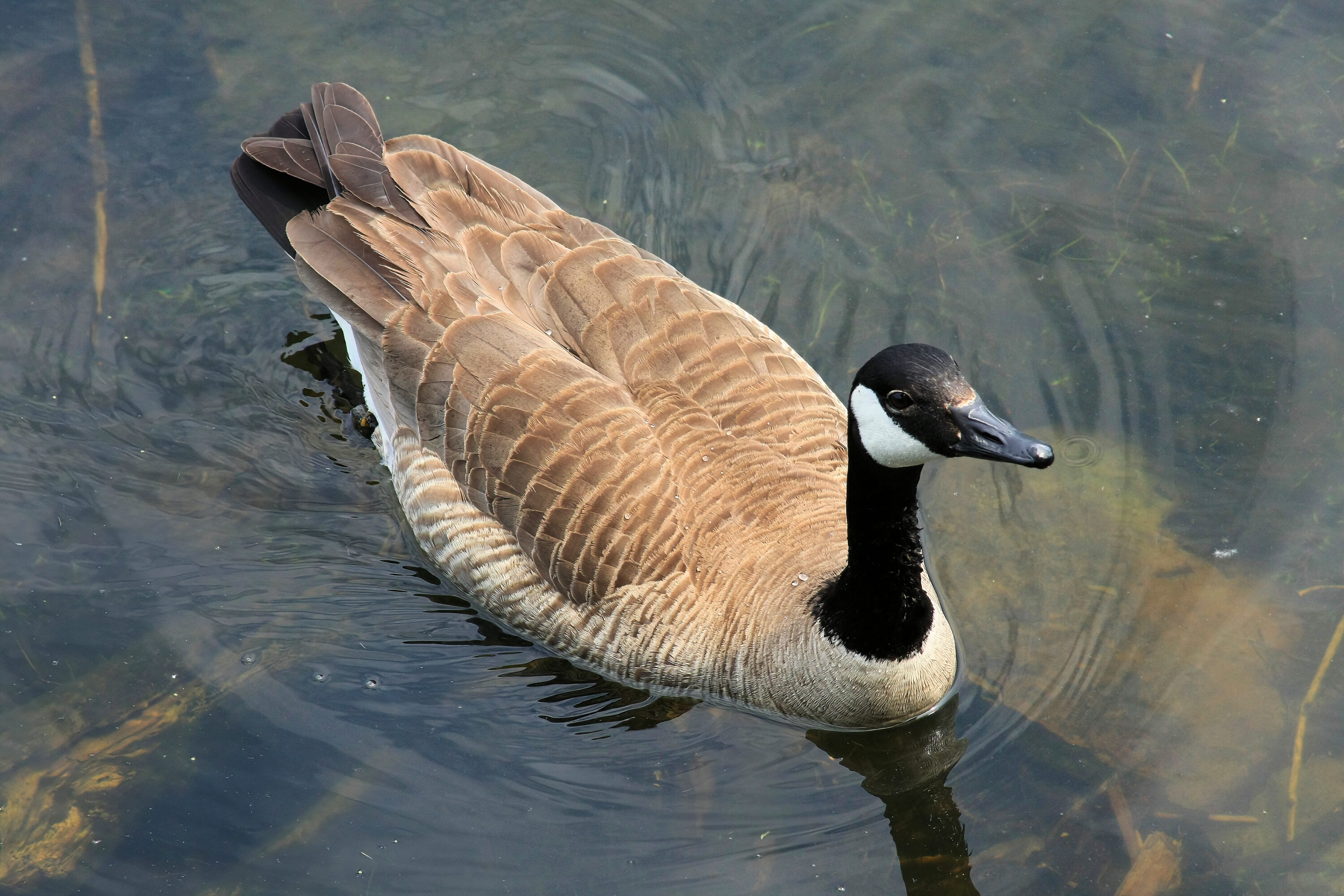
Seven overlaps linked wild-bird H5 clusters with poultry outbreaks in the US
Across seven periods between 2022 and 2025, clusters of H5 detections in wild waterfowl overlapped in time and…
Read story →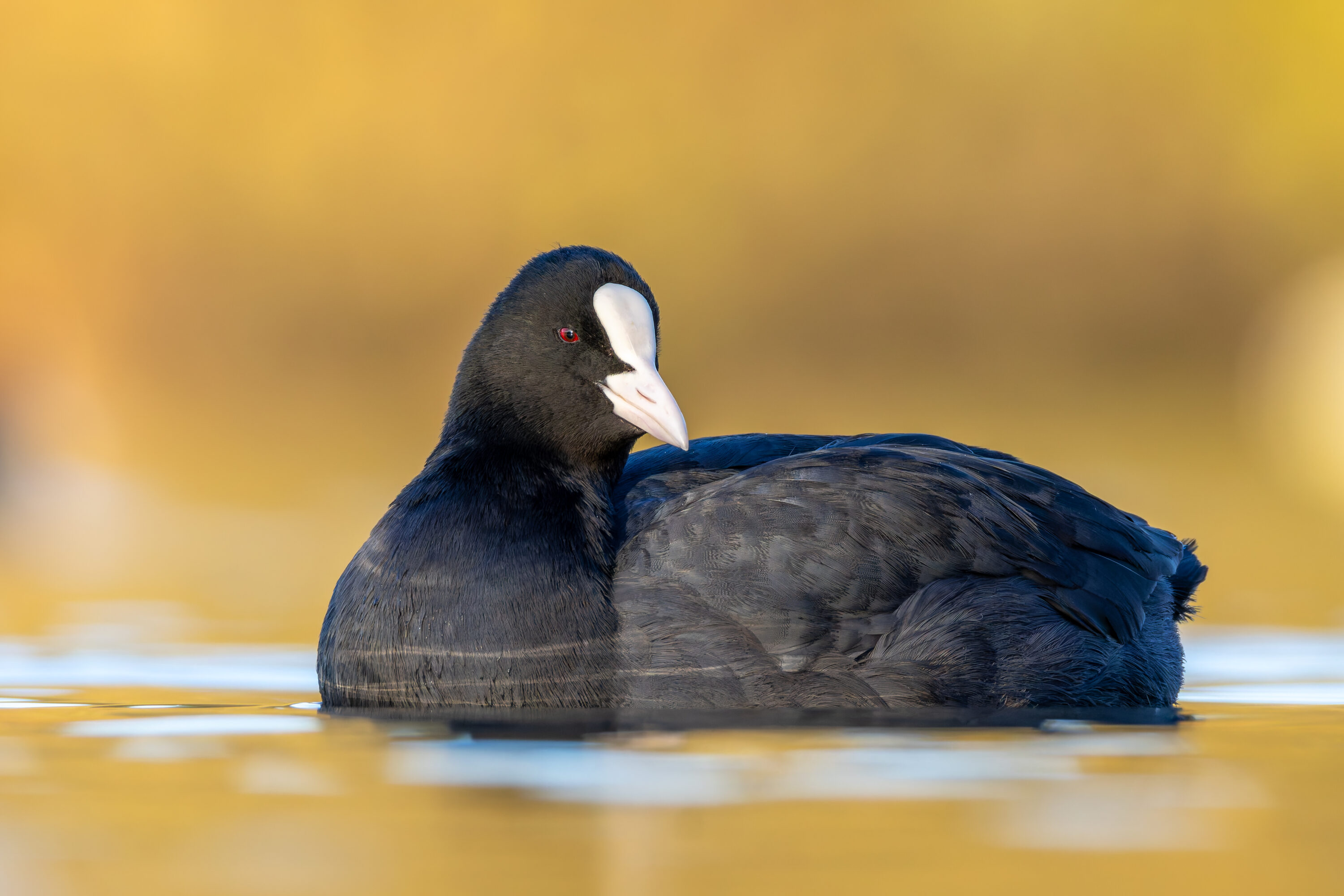
Bird Droppings Contained Both Plant Nutrients and Resistance Genes
Droppings from wintering waterbirds at Caohai in China contained phosphorus that can readily become available to algae. Researchers…
Read story →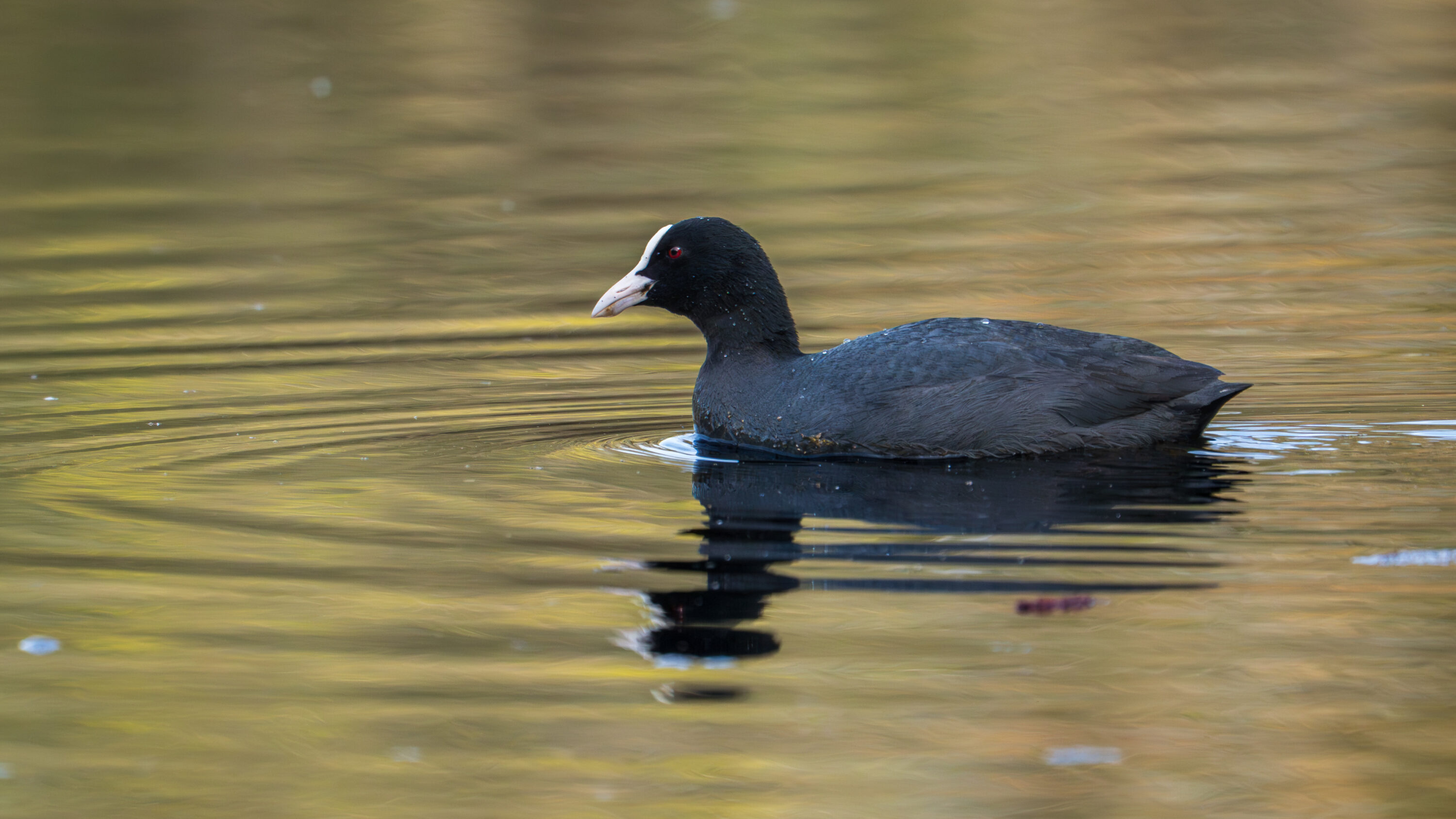
Long-Established Urban Eurasian Coots Returned Faster and Showed Less Neophobia Than Non-urban Birds
A 2026 Polish field experiment found that coots from a long-established urban population returned to their nests faster…
Read story →SPECIES IN THIS STORY
Species in this story
Independent research and conservation news archive
Did you find this information useful?
Wildlife Vagabond is independently built and maintained. Voluntary support helps cover source verification, hosting and continued work on research and conservation news.
Support Wildlife VagabondThe news archive will remain freely available.