
Acorn Woodpeckers Chose Storage Holes That Fit Individual Acorns
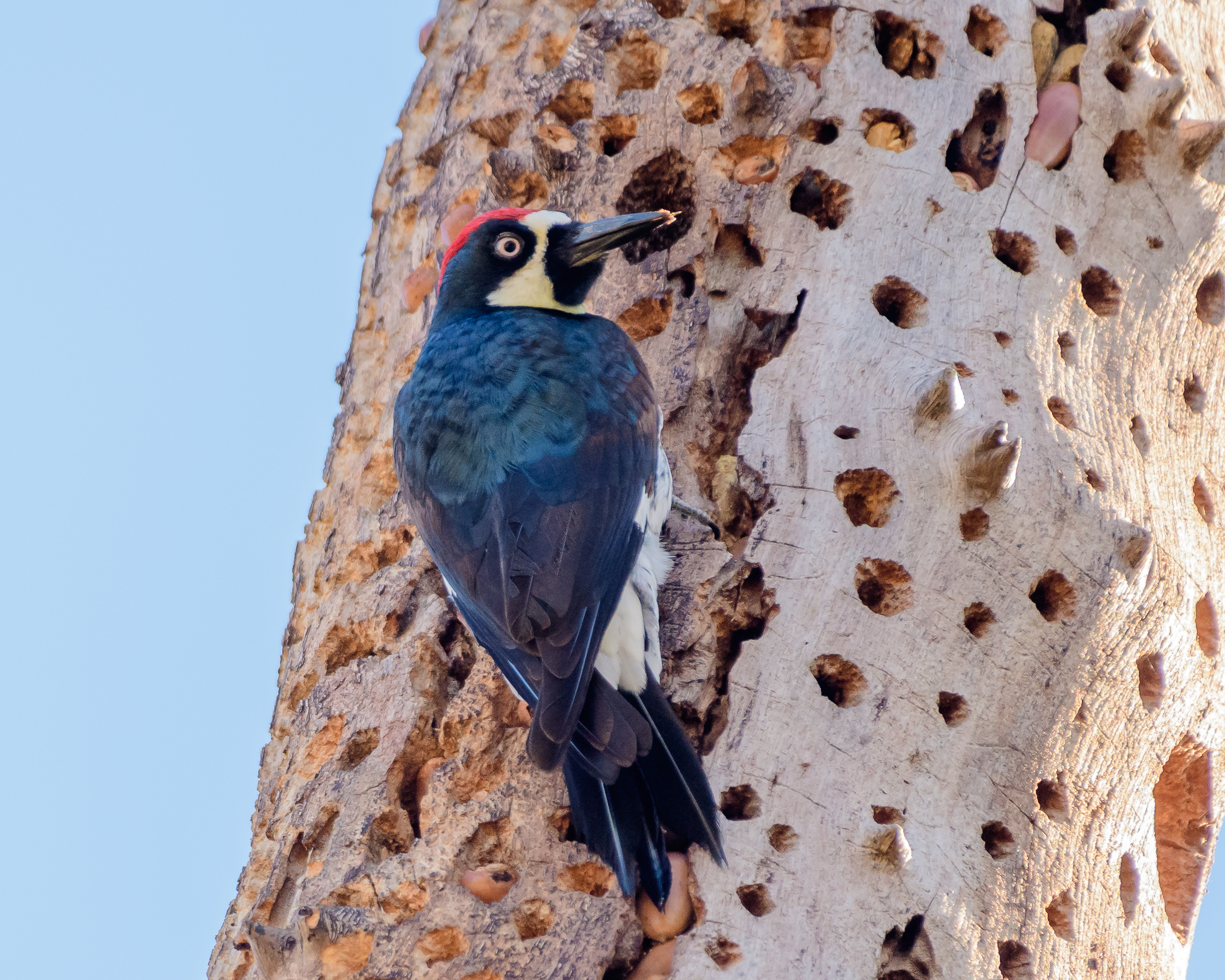
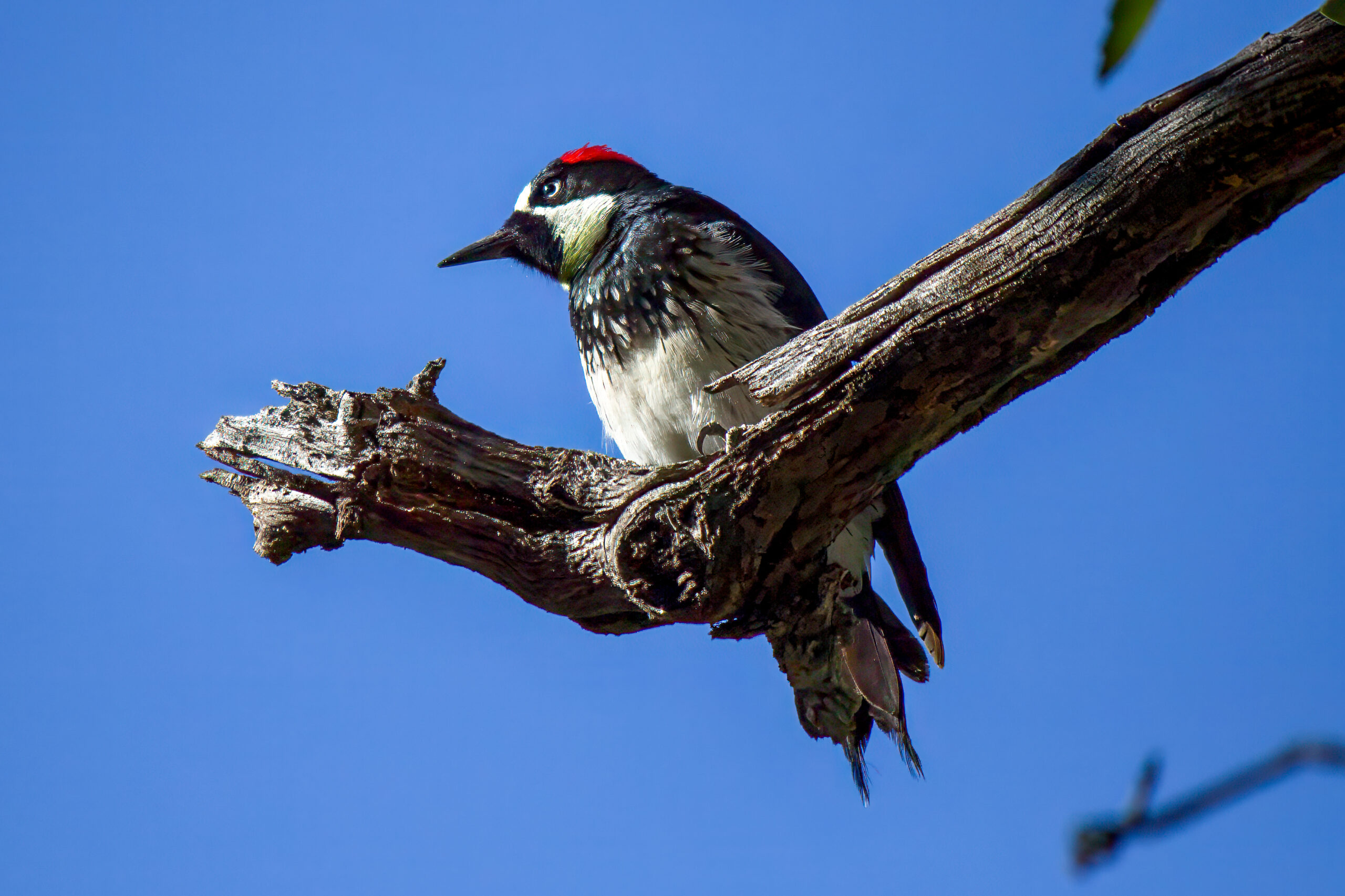
Acorn Woodpeckers (Melanerpes formicivorus) in northern California, USA tended to store wider acorns in wider holes, rather than using openings at random. Researchers measured 126 acorn–hole pairs in Butte County during autumn 2024. The peer-reviewed study was published online on 21 July 2026 in The Wilson Journal of Ornithology.
Wider acorns were strongly associated with wider storage openings, although the relationship became weaker among the largest acorns. Acorn length also increased with hole depth, but this match was less consistent because many holes extended farther into the wood than the stored nut.
Video observations supported the measurements. Birds were filmed testing the fit of acorns, taking them back out and repositioning them before leaving them in a hole. The researchers therefore conclude that Acorn Woodpeckers show selectivity when placing stored food and generally choose openings suited to the individual nut.
Several oak species were producing acorns at the same time, yet every stored acorn examined belonged to valley oak (Quercus lobata). The authors suggest that the dimensions of the available holes may partly favour this species, although the study does not establish why the birds selected it exclusively. Most storage trees, known as granaries, were gray pines (Pinus sabiniana), which have been heavily affected by wildfire in the region. The authors note that losing these trees could reduce the supply of suitable storage sites.
Behaviour
Related news
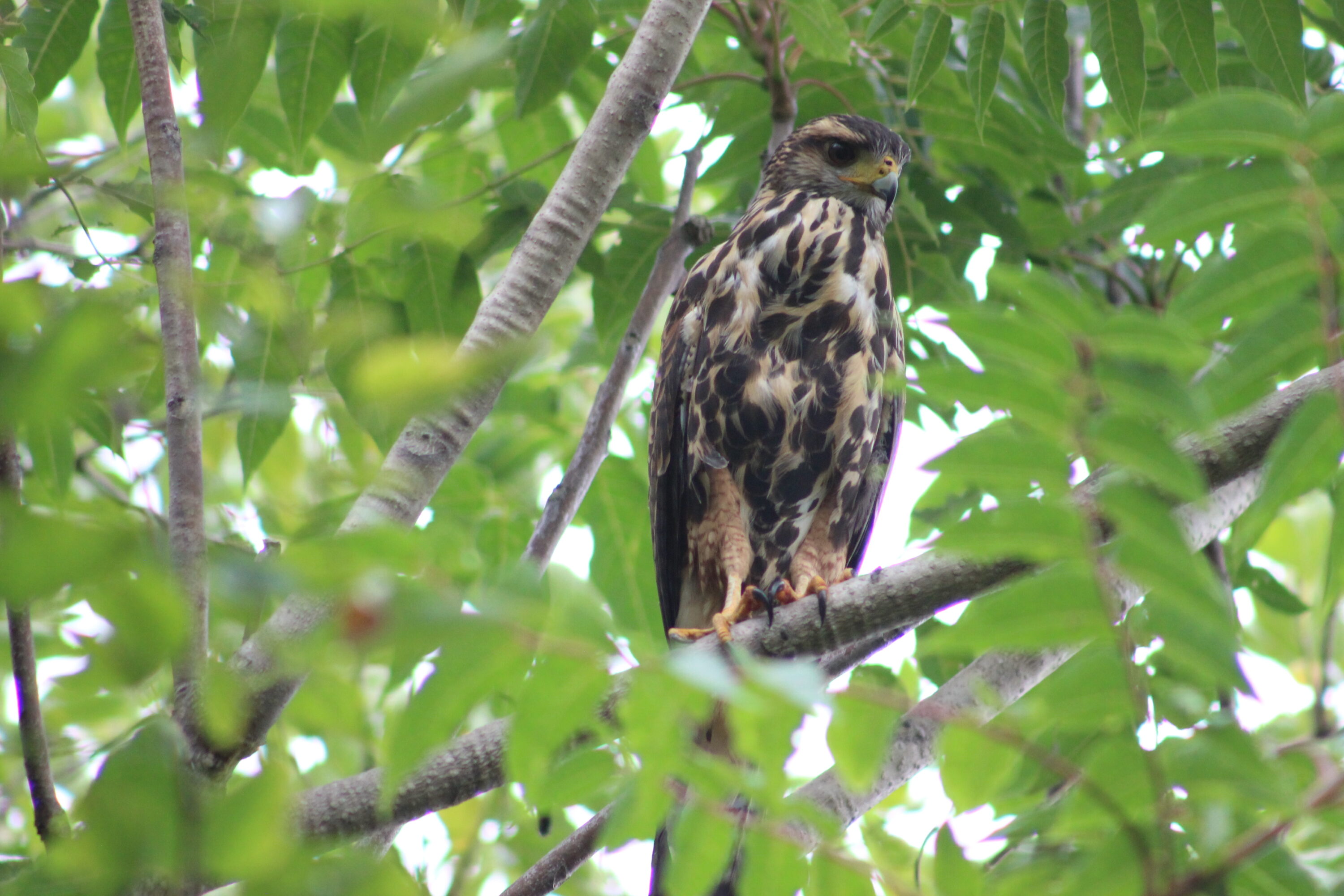
Juvenile Harris's Hawks Manipulated Pine Cones for About Five Minutes
Two juvenile Harris's hawks in Buenos Aires Province tore pine cones from trees, carried them to new perches…
Read story →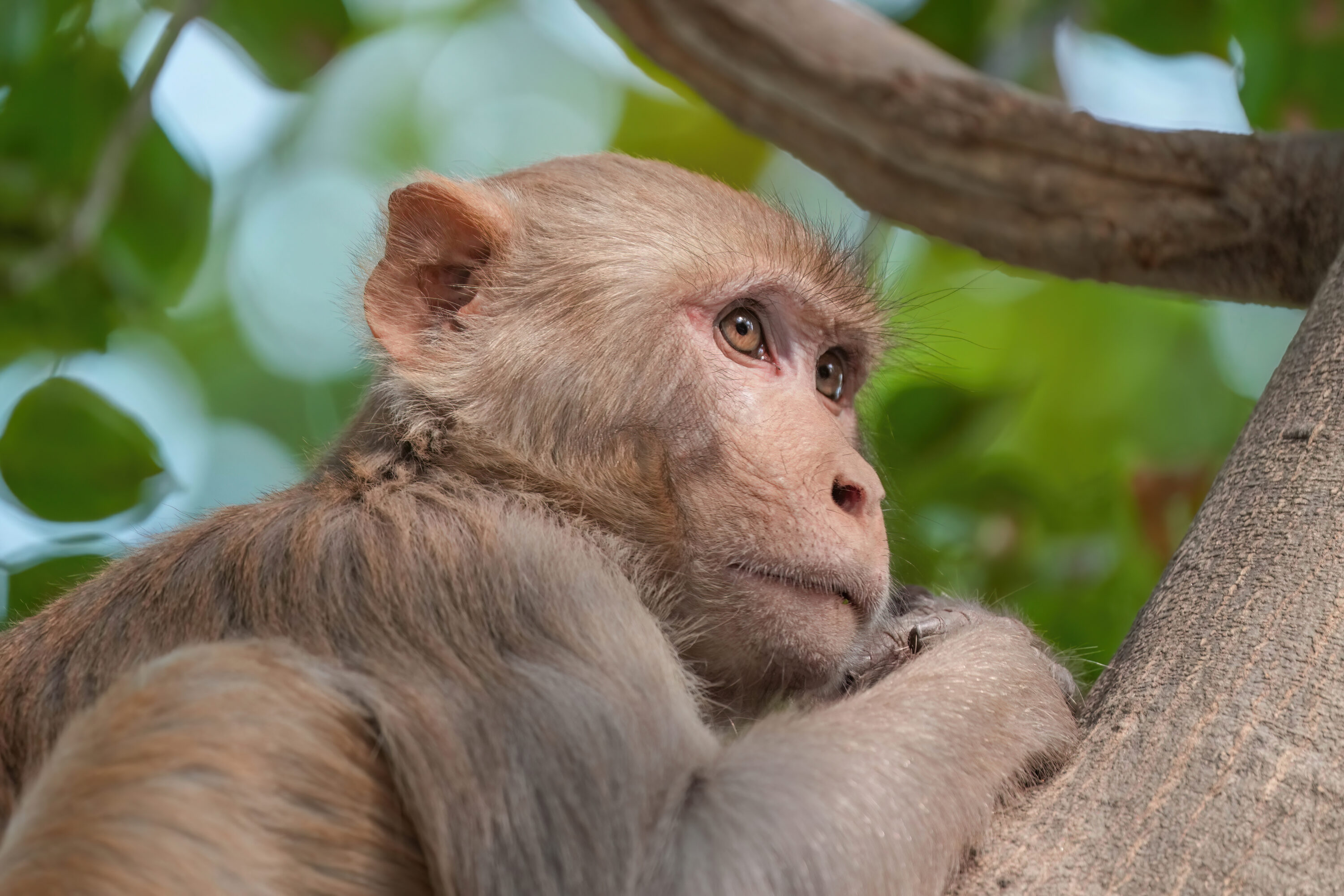
Task Uncertainty Increased Interference From Irrelevant Visual Information in Rhesus Macaque Decisions
Two rhesus macaques made less accurate visual decisions under task uncertainty; recordings and microstimulation in primary visual cortex…
Read story →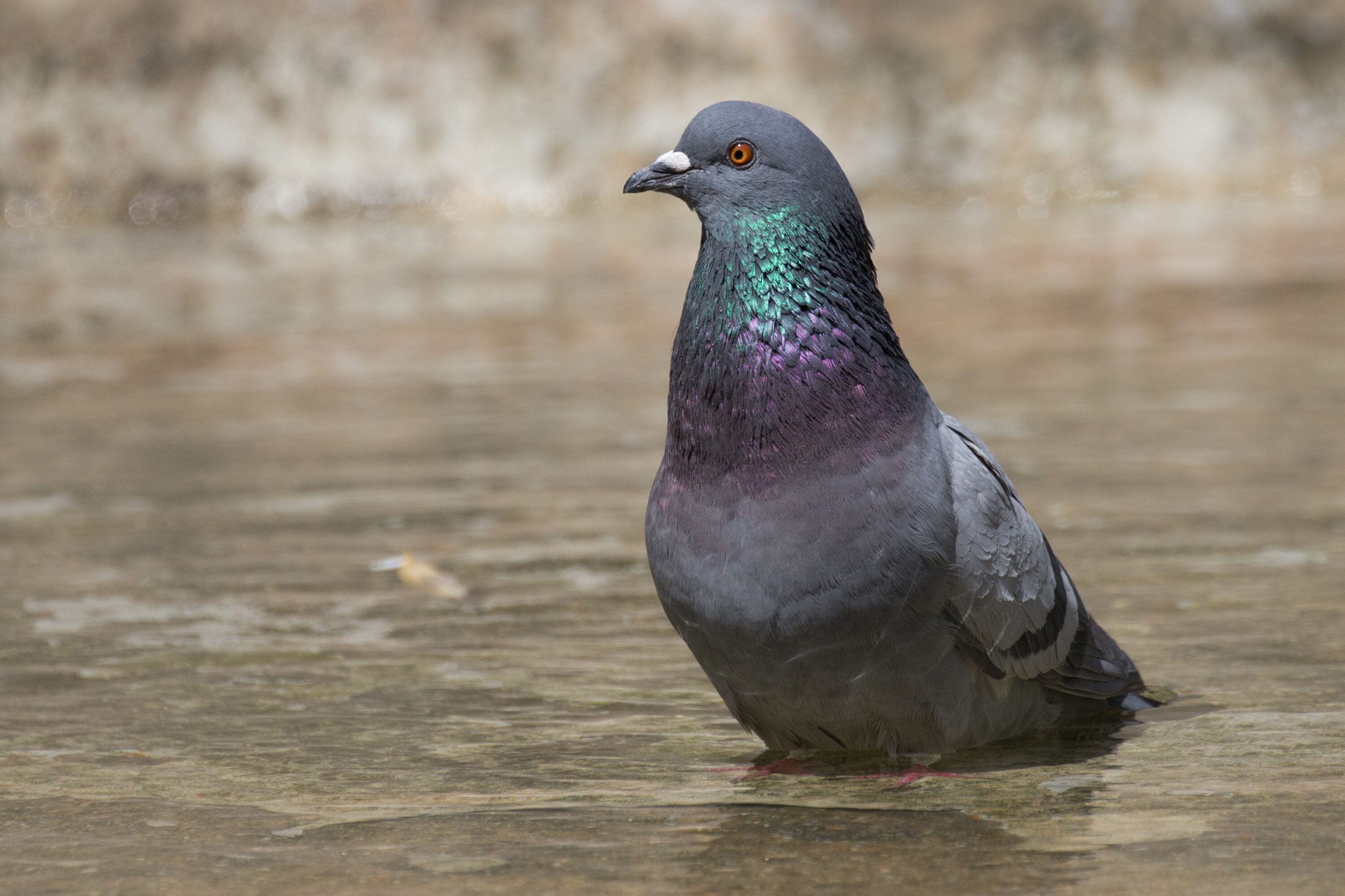
Rock Doves Preferred Predictive Information Despite a Lower Food Payoff
Seven rock doves preferred an informative option that paid on 20% of trials over a non-informative option that…
Read story →SPECIES IN THIS STORY
Species in this story
Independent research and conservation news archive
Did you find this information useful?
Wildlife Vagabond is independently built and maintained. Voluntary support helps cover source verification, hosting and continued work on research and conservation news.
Support Wildlife VagabondThe news archive will remain freely available.