
Adult House Crows Were Larger, and Dry-Season Birds Were Heavier

Researchers measured 590 House Crows (Corvus splendens) at three sites in Dodoma, Tanzania, during repeated capture sessions from January to December 2025. Adults and juveniles differed in several body measurements, as did birds caught in the wet and dry seasons. No birds were captured in April, July, August or December.
House Crows are native to the Indian subcontinent but have established introduced populations in East Africa. In Tanzania, they are considered an invasive species because of their potential effects on local wildlife and human environments. Dodoma’s semi-arid climate also brings pronounced wet and dry seasons, which can change the availability of food and water. That is why the birds’ body measurements are of interest beyond a simple comparison of sizes: they provide a starting point for understanding how this introduced population fares under changing seasonal conditions.
Adults were larger across most measured traits
The sample included 192 adults and 398 juveniles. Adults were heavier and had greater wing length, tail length, body length, bill width, skull length and skull width than juveniles. Tarsus length and bill length did not differ significantly between age groups. The authors discuss continued development after fledging as one explanation for the size differences.
Juveniles outnumbered adults in the captures overall, but baited-trap catches are not a census of the local population. The age composition also shifted by season: adults made up 28.8% of wet-season captures and 45.8% of dry-season captures. Because the dry-season catch included a larger share of adults, this difference may partly contribute to seasonal contrasts in structural measurements.
Dry-season birds were heavier
Compared with birds caught in the wet season, dry-season birds had higher body mass and greater body length, skull length and skull width. The other measured traits showed no significant seasonal differences after adjustment.
The mean scaled mass index (SMI) was higher in adults than juveniles (246.9 versus 236.7 g) and in the dry than the wet season (246.4 versus 239.7 g). SMI adjusts each bird’s mass to a common structural size using tarsus length, allowing body mass to be compared relative to body size. It is an index of body condition, not a direct measurement of fat stores or energy reserves.
The authors discuss seasonal food availability and the species’ breeding cycle as possible explanations for the higher dry-season body condition. Breeding in Tanzania has been reported mainly between October and March, so building up reserves before breeding is one possibility. However, the study did not measure food intake, actual fat reserves or breeding readiness, and its dry-season sample contained a larger share of adults. It cannot determine which of these factors produced the difference.
For an introduced species that is difficult to manage, measurements taken at known ages and times of year can provide a useful reference for later population surveys. But these results alone do not show whether House Crow numbers are increasing, whether they compete more strongly with native birds in the dry season, or which control measures would work. The birds also had access to food and water in the traps, without each individual’s intake being standardized; the authors note that this could have influenced body mass and the condition index.
Anatomy & morphology
Related news
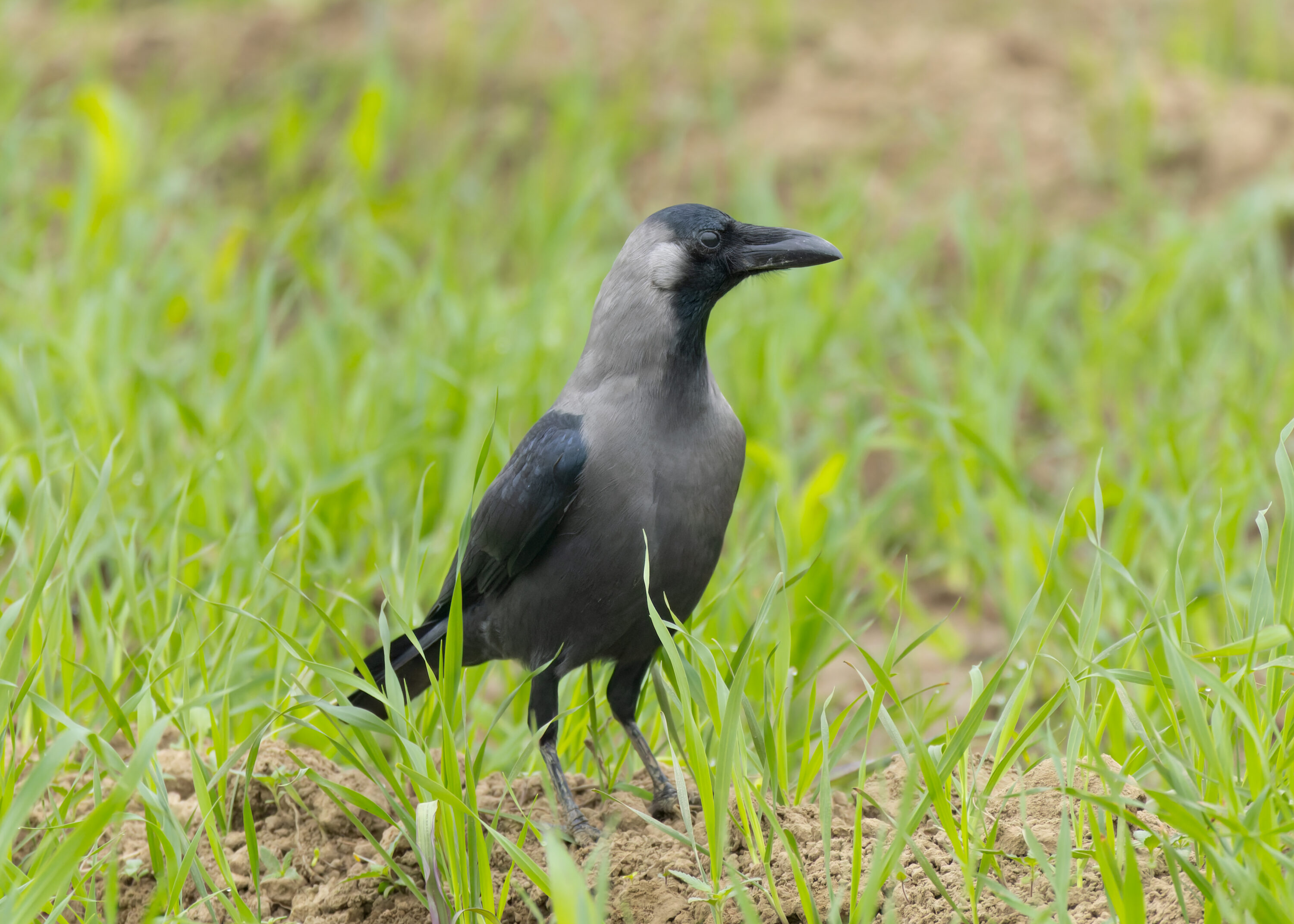
More House Crows Were Counted on Hotter Days in Jaipur
At five urban sites in Jaipur, daily totals ranged from 17 to 81 house crows, and about 22%…
Read story →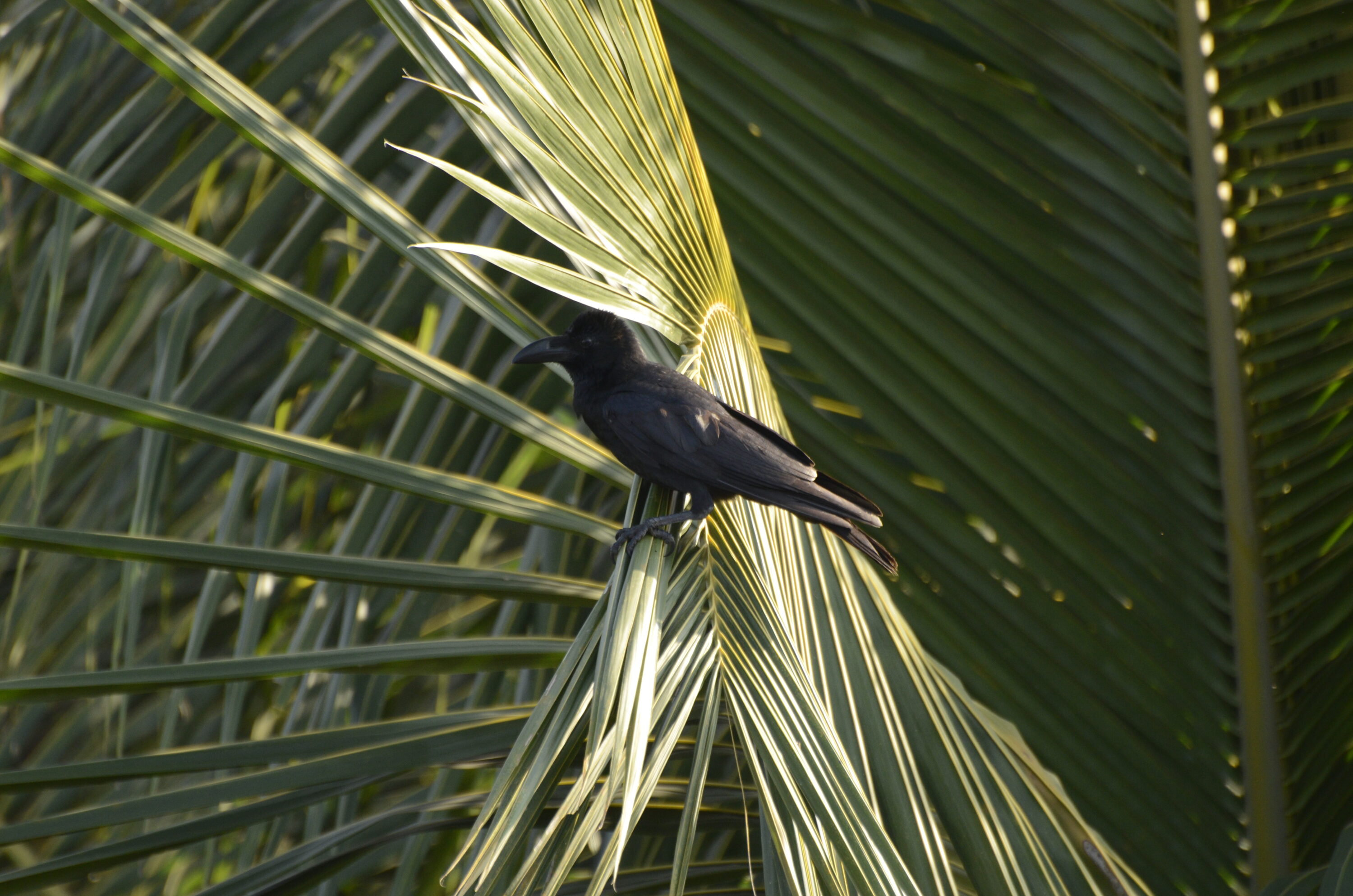
Two House Crows Began Anting After Watching a Large-billed Crow in Coonoor
In Coonoor, India, a Large-billed Crow rubbed yellow crazy ants through its plumage. Three House Crows arrived; one…
Read story →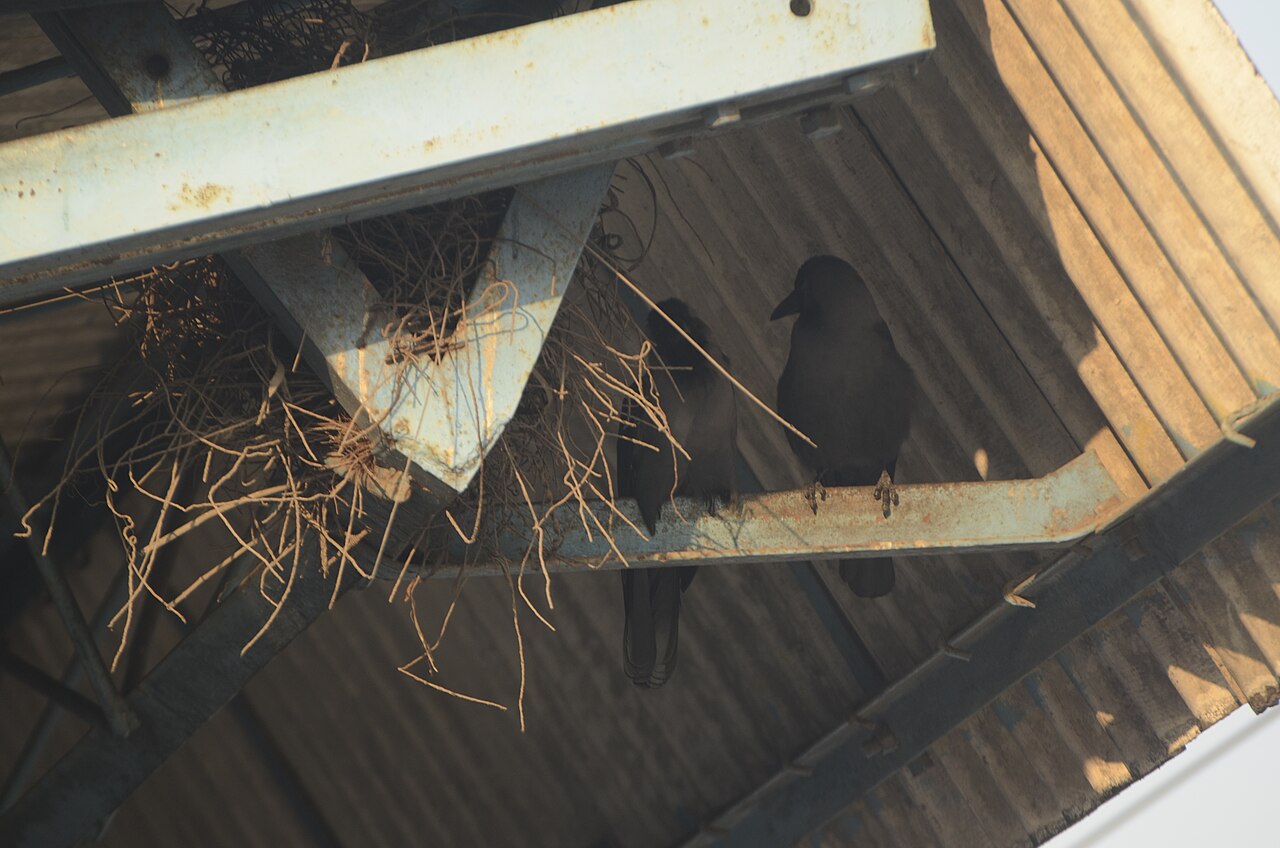
Singapore House Crows Kept Preferred Tree Species but Shifted Other Nest-site Choices
A 2026 comparison with a 2001 Singapore survey found that house crows still favoured the same main tree…
Read story →SPECIES IN THIS STORY
Species in this story
Independent research and conservation news archive
Did you find this information useful?
Wildlife Vagabond is independently built and maintained. Voluntary support helps cover source verification, hosting and continued work on research and conservation news.
Support Wildlife VagabondThe news archive will remain freely available.