
More House Crows Were Counted on Hotter Days in Jaipur
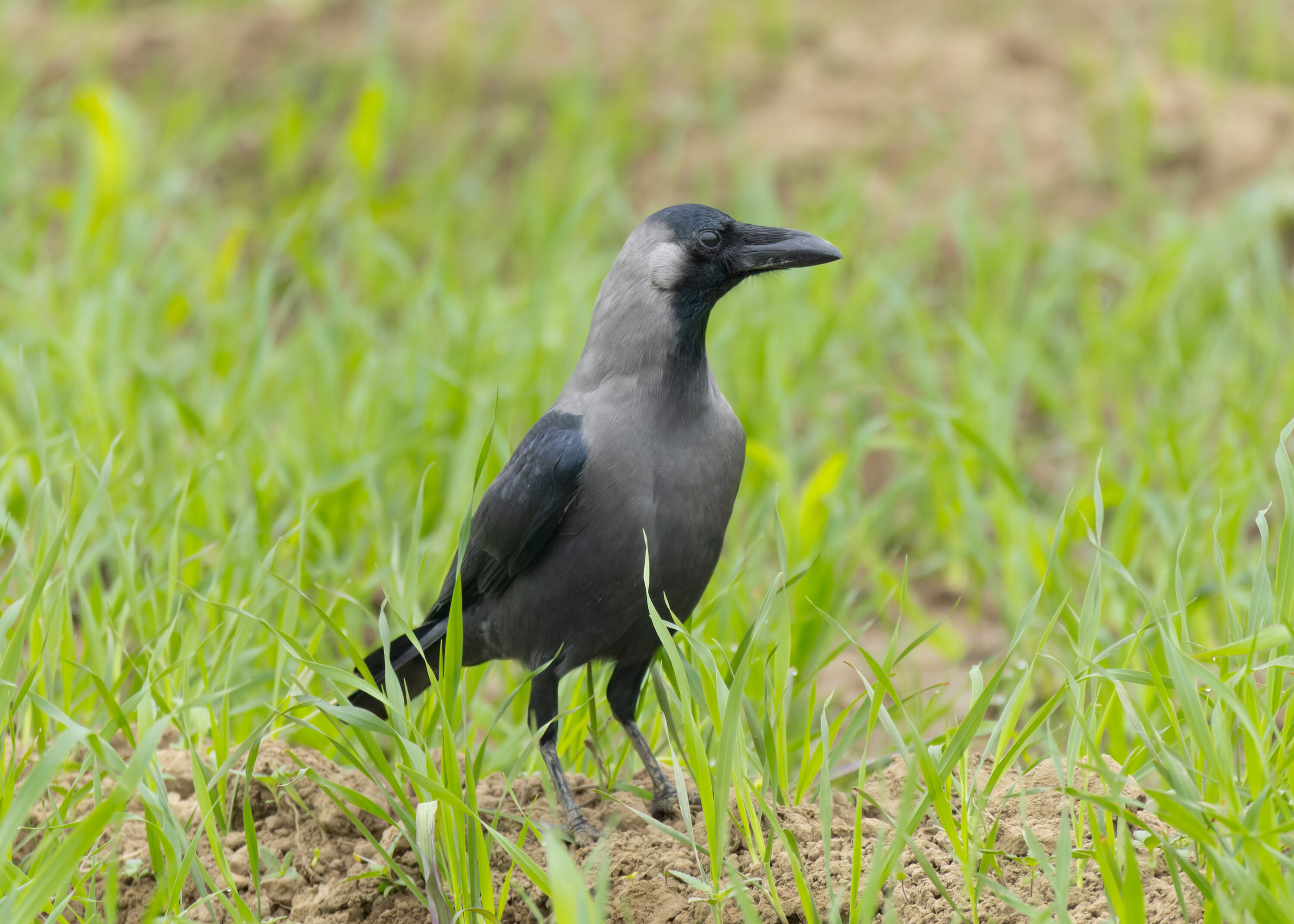
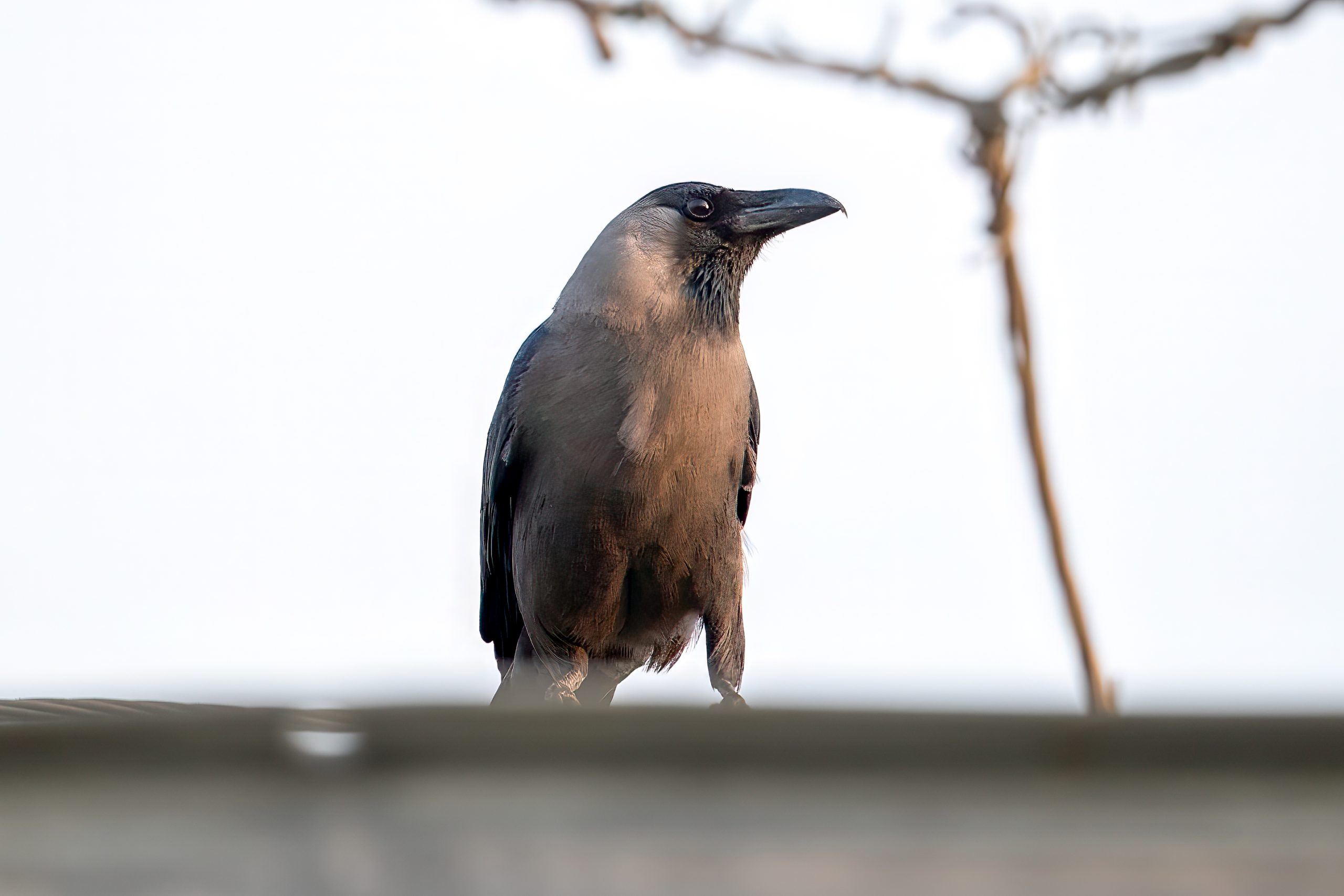
Daily counts of house crow (Corvus splendens) varied markedly among five urban sites in Jaipur, Rajasthan, India, and were higher on days with higher maximum temperatures. The study, published online on 29 August 2026, followed the birds for 31 consecutive days in July.
Researchers carried out daily point counts at Albert Hall, Hawa Mahal, Jal Mahal, Johari Bazaar and Central Park, counting birds from the same fixed observation sites each day. Across all five sites, the mean daily total was 52.7 birds, with daily totals ranging from 17 to 81. Hawa Mahal had the highest mean site count at 18.0 birds per day, while Albert Hall had the lowest at 6.0.
The clearest temperature signal was the daytime maximum: about 22% of the day-to-day variation in the combined crow count was linearly associated with maximum temperature. Minimum temperature showed only a weak relationship, while the difference between each day’s maximum and minimum temperature showed no clear relationship. Saturday–Sunday counts averaged 61.4 birds compared with 49.7 on Monday–Friday, but that difference was not statistically reliable.
The authors do not interpret the higher counts on hotter days as a rapid increase in the underlying population. Instead, they propose that house crows may have been easier to detect or locally concentrated around thermal refugia — cooler or shaded places that buffer heat — together with water and food sources. The study lasted only one month, point counts could not fully rule out double-counting of mobile flocks, and temperature data came from one city-wide weather station, so this proposed mechanism was not tested directly.
Ecology
Related news
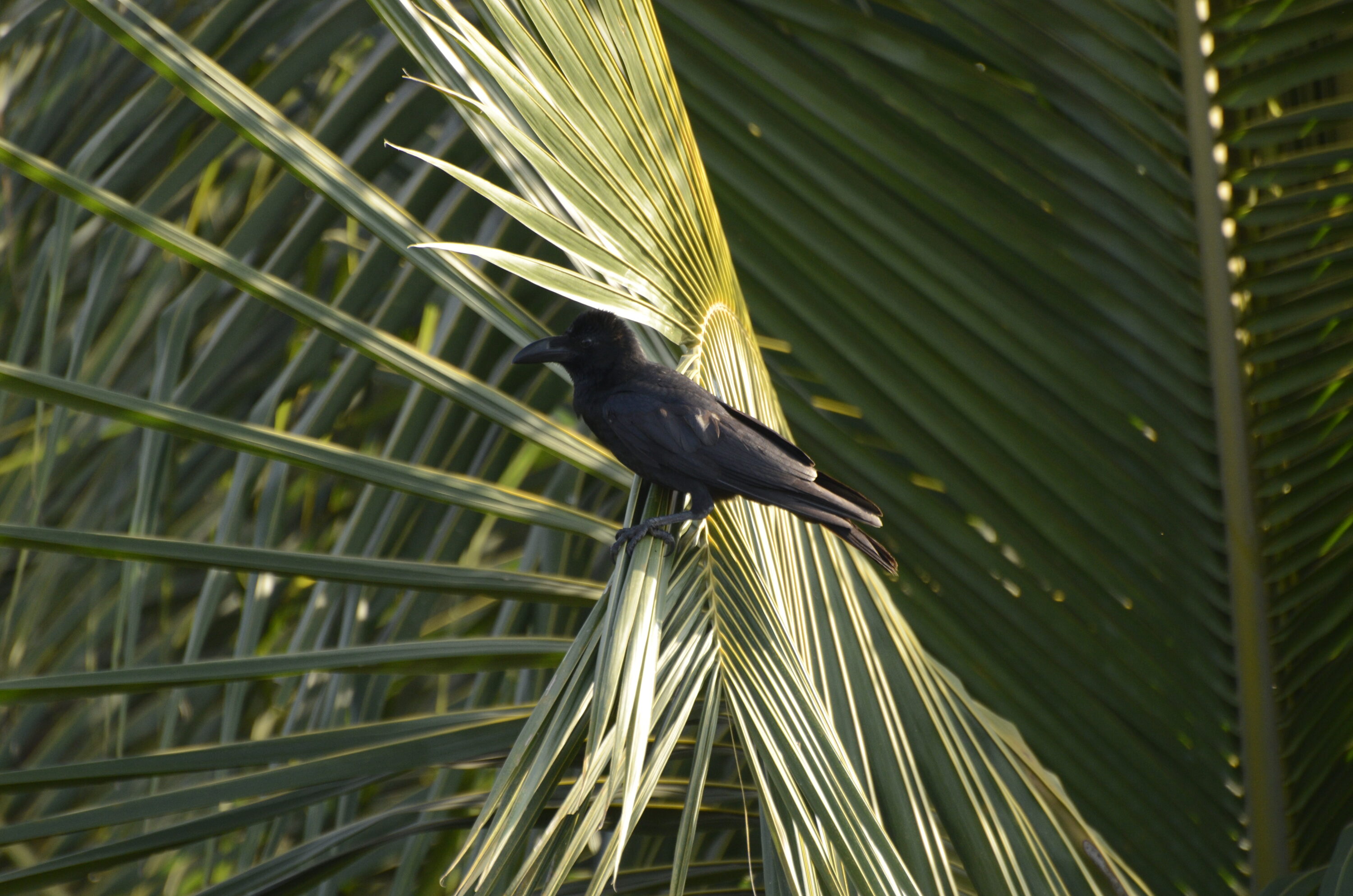
Two House Crows Began Anting After Watching a Large-billed Crow in Coonoor
In Coonoor, India, a Large-billed Crow rubbed yellow crazy ants through its plumage. Three House Crows arrived; one…
Read story →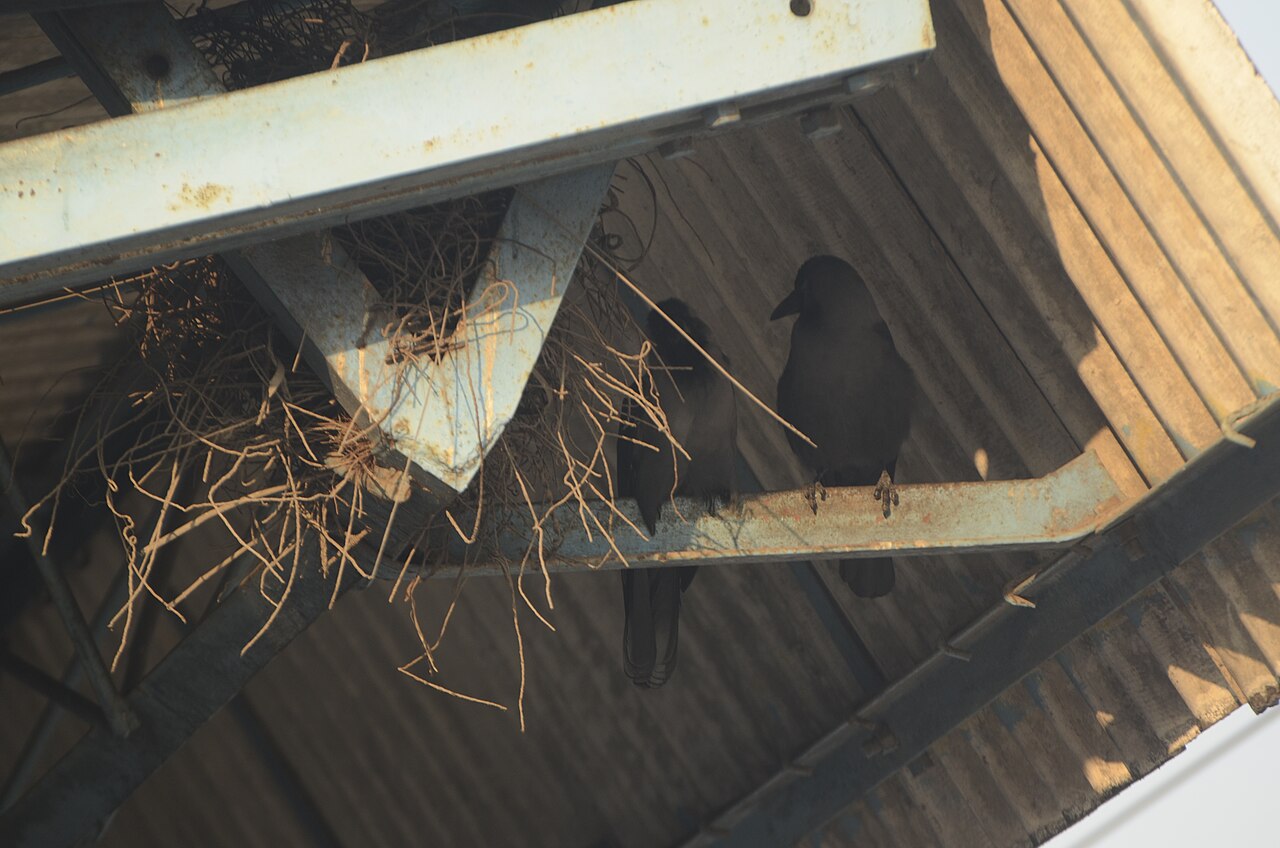
Singapore House Crows Kept Preferred Tree Species but Shifted Other Nest-site Choices
A 2026 comparison with a 2001 Singapore survey found that house crows still favoured the same main tree…
Read story →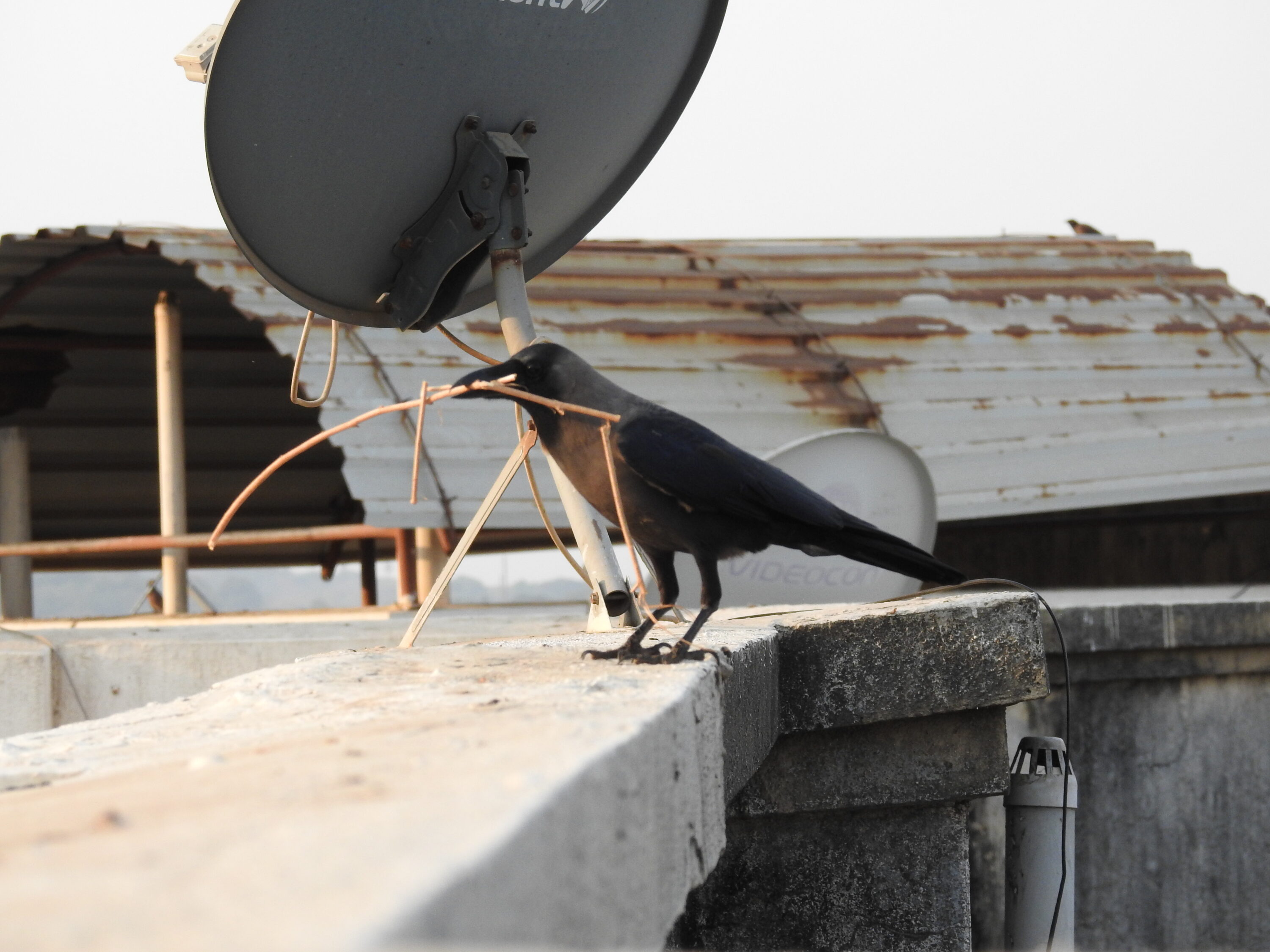
House Crow Breeding Varies Across Regions, Review of 34 Studies Finds
A 2026 review of 34 studies found clear regional differences in house crow breeding, including breeding-season timing, nesting…
Read story →SPECIES IN THIS STORY
Species in this story
Independent research and conservation news archive
Did you find this information useful?
Wildlife Vagabond is independently built and maintained. Voluntary support helps cover source verification, hosting and continued work on research and conservation news.
Support Wildlife VagabondThe news archive will remain freely available.