
Wild Dogs Travelled Thousands of Kilometres in Search of a Mate
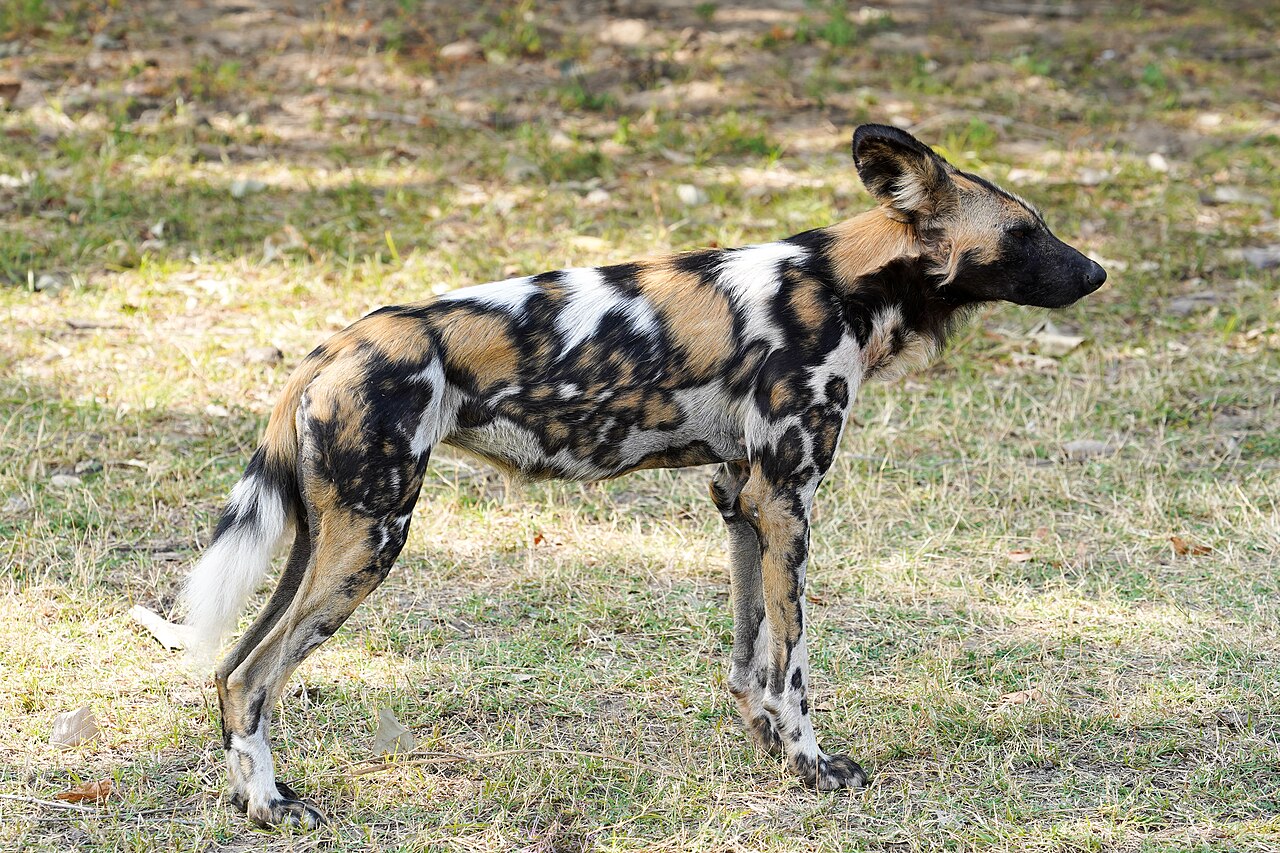
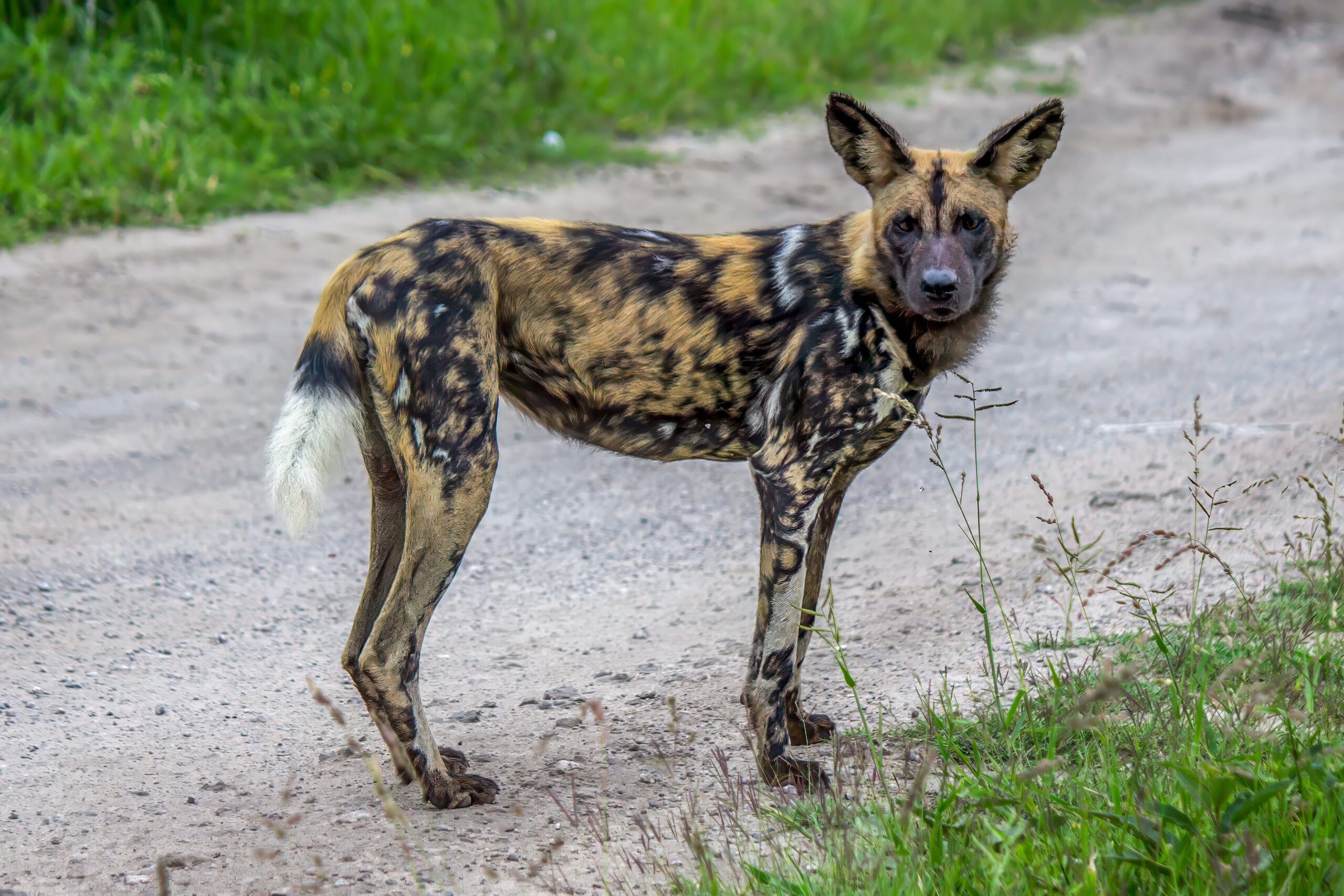
Three African wild dogs (Lycaon pictus) left their birth pack in Zambia and travelled 4,126 kilometres before settling in a new area. Other groups crossed rivers, highways and national borders. Their journeys show that wild dogs can still reach distant populations, but also how difficult it is to survive the trip and find a mate.
Researchers describe four groups’ journeys totalling 9,863 kilometres. Despite these long travels, they had so far produced little exchange of animals and genes between populations.
Leaving the pack to raise their own young
Wild dogs are cooperative breeders: usually one dominant male and one dominant female reproduce, while other pack members help raise the pups. They can stay and help their relatives or leave to find a mate. Two- and three-year-old animals are particularly likely to disperse with others of the same age and sex.
In 2021, three littermate sisters left South Luangwa National Park. They travelled more than 2,300 kilometres, into Mozambique and back to Zambia. In areas with substantial human activity, they moved quickly and relatively directly, resting among rocks or in small woodland patches where encounters with people were less likely.
The sisters reached a large wild dog pack’s range in Lower Zambezi National Park, but neither joined the pack nor attracted males to leave with them as potential partners. They moved on. The GPS-collared female later died in a wire snare set for bushmeat hunting. The fate of her two sisters is unknown.
Meeting again after long detours
In 2025, four females and three males left the Mayukuyuku pack in Kafue National Park in separate groups. When they met again, the females had travelled around 1,400 kilometres and the males around 1,200. They parted after a day.
The females reached a small forest patch near Kabwe where many snares had been set. The collared female repeatedly returned to the same place. Researchers interpreted this as a sign that another female had been caught: wild dogs are reluctant to abandon injured packmates. The collared female later died too, probably in a snare.
The males continued travelling. Over six days, their tracks passed within 1.6 kilometres of those of four females from South Luangwa, but the groups did not stay together. By 1 April 2026, the males had covered 4,126 kilometres and established a new range in Luano.
Safe routes between populations
Reaching other wild dogs is only part of the challenge. Unfamiliar animals often fight when they meet, sometimes fatally. For these journeys to produce gene flow between populations, the travellers must also find mates and reproduce.
Researchers have recorded movements between seven national parks in Zambia. That offers hope of conserving a metapopulation, a network of local populations linked by emigration and immigration. They therefore emphasise protecting corridors between parks and the threat from wire snares: wild dogs can complete long journeys through difficult landscapes, but they must survive them too.
Ecology
Related news
Food Leaves Its Mark on the Gut Bacteria of Kruger’s Wildlife
Gut bacteria in nine mammal species from Kruger National Park followed clear patterns linked to food and digestion.…
Read story →
Twenty African Wild Dogs Return to Matusadona After Decades of Local Extinction
Two established packs comprising 20 African wild dogs have been returned to Matusadona National Park in Zimbabwe after…
Read story →
Track Count Points to Several Hundred African Wild Dogs in Chinko
A 2026 track count in Chinko Conservation Area produced an estimate of several hundred African wild dogs, while…
Read story →SPECIES IN THIS STORY
Species in this story
Independent research and conservation news archive
Did you find this information useful?
Wildlife Vagabond is independently built and maintained. Voluntary support helps cover source verification, hosting and continued work on research and conservation news.
Support Wildlife VagabondThe news archive will remain freely available.