
Agricultural Land Was the Main Barrier to Gene Flow in Terai Sloth Bears
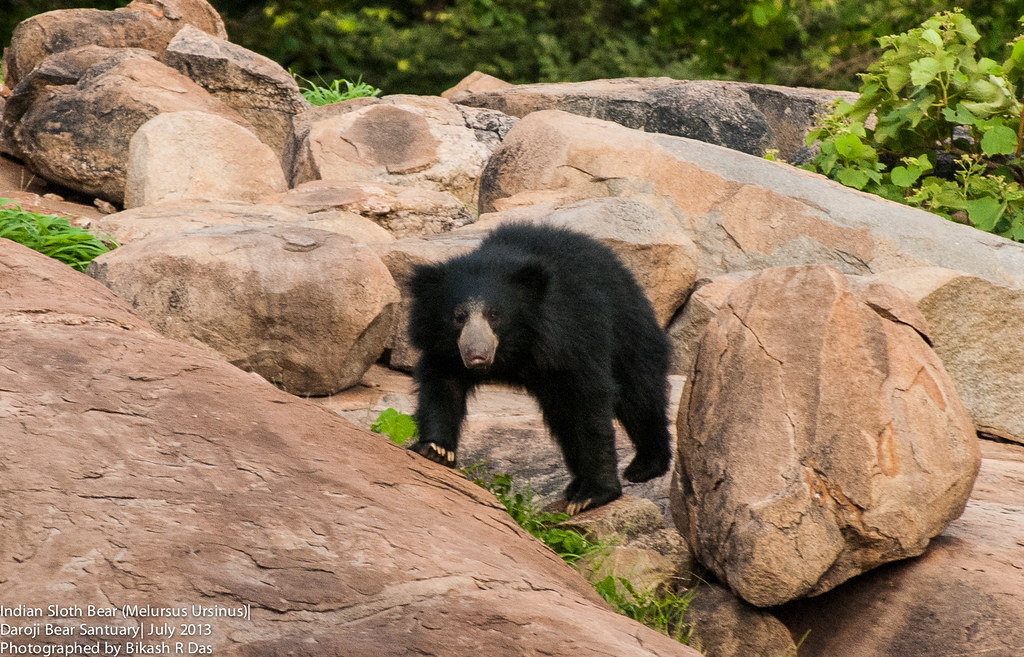
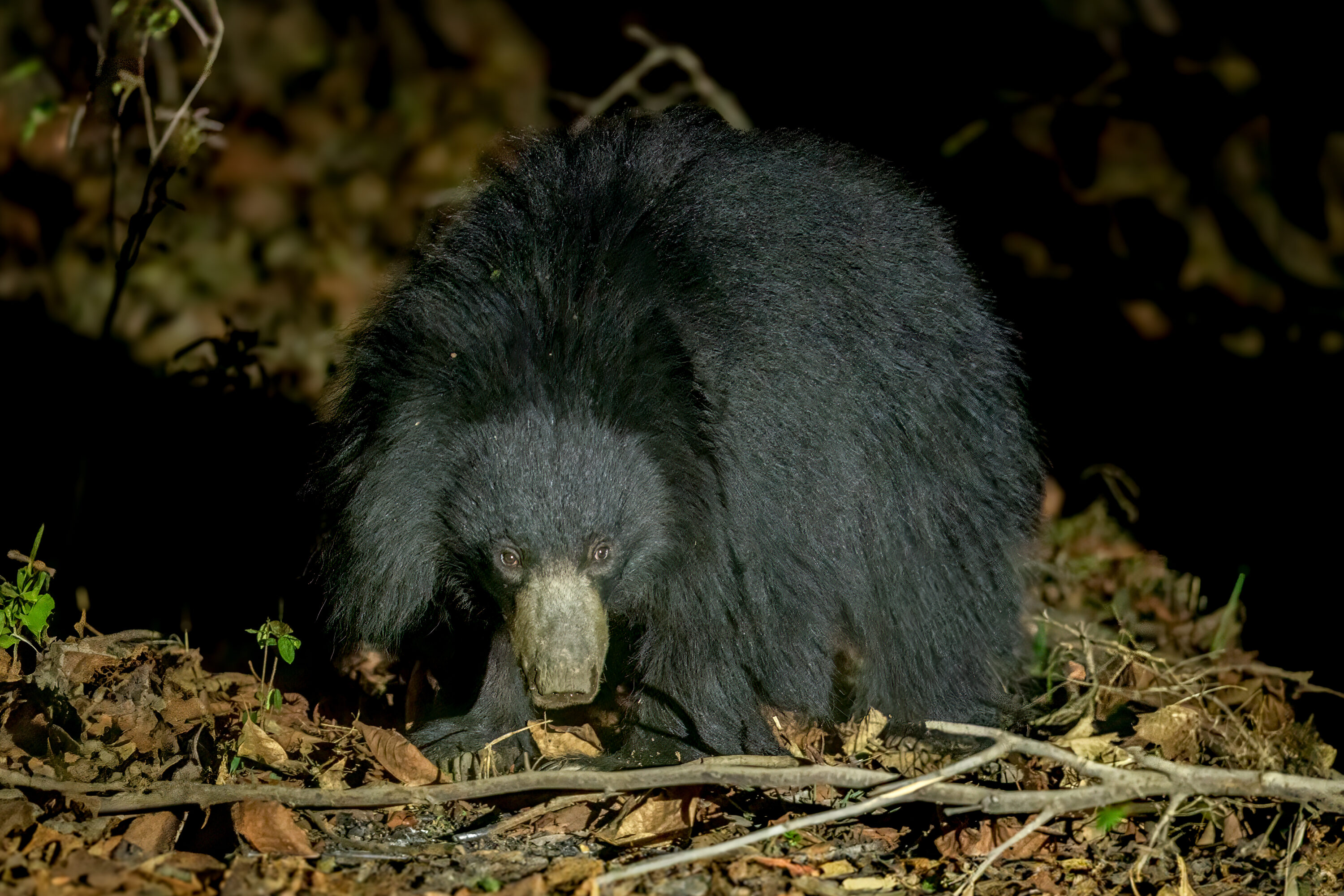
Sloth bears (Melursus ursinus) in India’s Central Terai live in a human-dominated landscape shared by protected areas and other land uses. A genetic study found that the bears’ genetic groupings did not closely follow protected-area boundaries. Instead, agricultural land was the strongest barrier to gene flow—the exchange of genetic variants when animals disperse and breed. Proximity to water was also associated with weaker genetic connectivity.
Researchers collected 209 fecal samples and identified 66 individual bears. They examined 964 single-nucleotide polymorphisms, or SNPs: positions across the DNA where individuals can carry different variants. Comparing these markers allowed the researchers to infer how genetically connected bear groups were. The results reflect patterns accumulated in the bears’ DNA, rather than direct tracking of individual movements.
Low diversity and a deficit of heterozygotes
The identified groups had low genetic diversity. Mean expected heterozygosity was 0.156, compared with observed heterozygosity of 0.079. Heterozygosity measures how often the two copies of a genetic marker differ. The expected value estimates how often they would differ based on the variants present; the observed value measures how often they actually did in the sampled bears. The lower observed value indicates fewer bears with two different variants at these markers than expected. The mean FIS was 0.323, a measure of this heterozygote deficit.
Agriculture was the strongest landscape barrier
Landscape genetic analyses identified agriculture as the primary barrier to gene flow across the region. Proximity to water was also linked to lower connectivity. The authors suggest that both historical population structure and present-day fragmentation may shape the genetic patterns.
Because genetic groupings did not simply match protected-area boundaries, the boundaries alone do not show how bears are connected across the Central Terai. If agricultural land makes dispersal and breeding between groups less likely, a map of protected areas may miss landscape barriers that matter to their genetic connections. The study provides a first genetic baseline for sloth bears in the region and supports monitoring across the wider landscape, including the land between protected areas.
Ecology
Related news
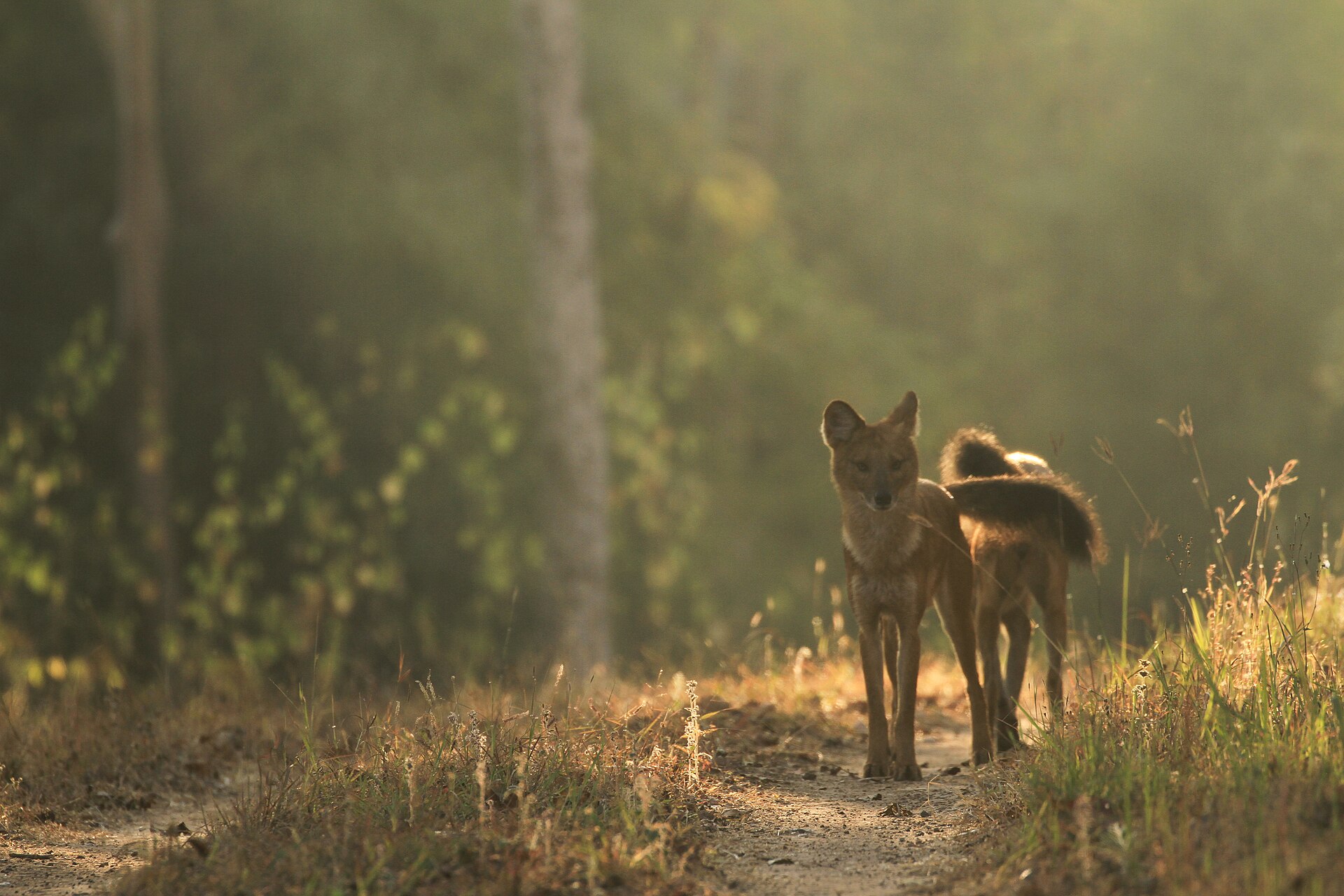
Social media portrayed dholes more negatively than three other carnivores
An analysis of more than 6,000 posts compared dholes with Bengal tigers, sloth bears and golden jackals. Dholes…
Read story →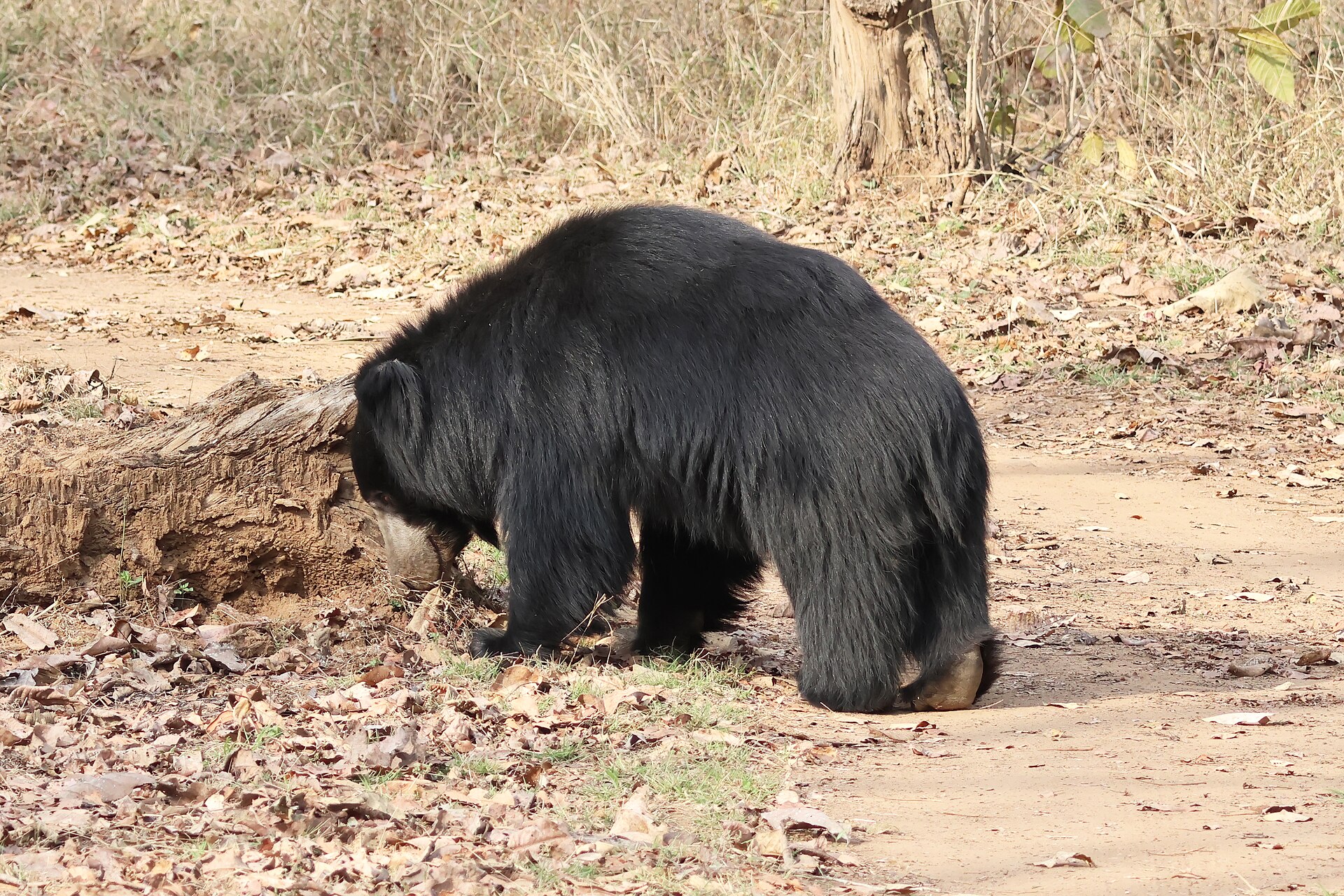
Most Recorded Sloth-Bear Casualties in Chitwan Occurred in Winter and Spring
Records from around Chitwan National Park, Nepal, documented 196 human casualties from sloth-bear encounters between 1999 and 2025,…
Read story →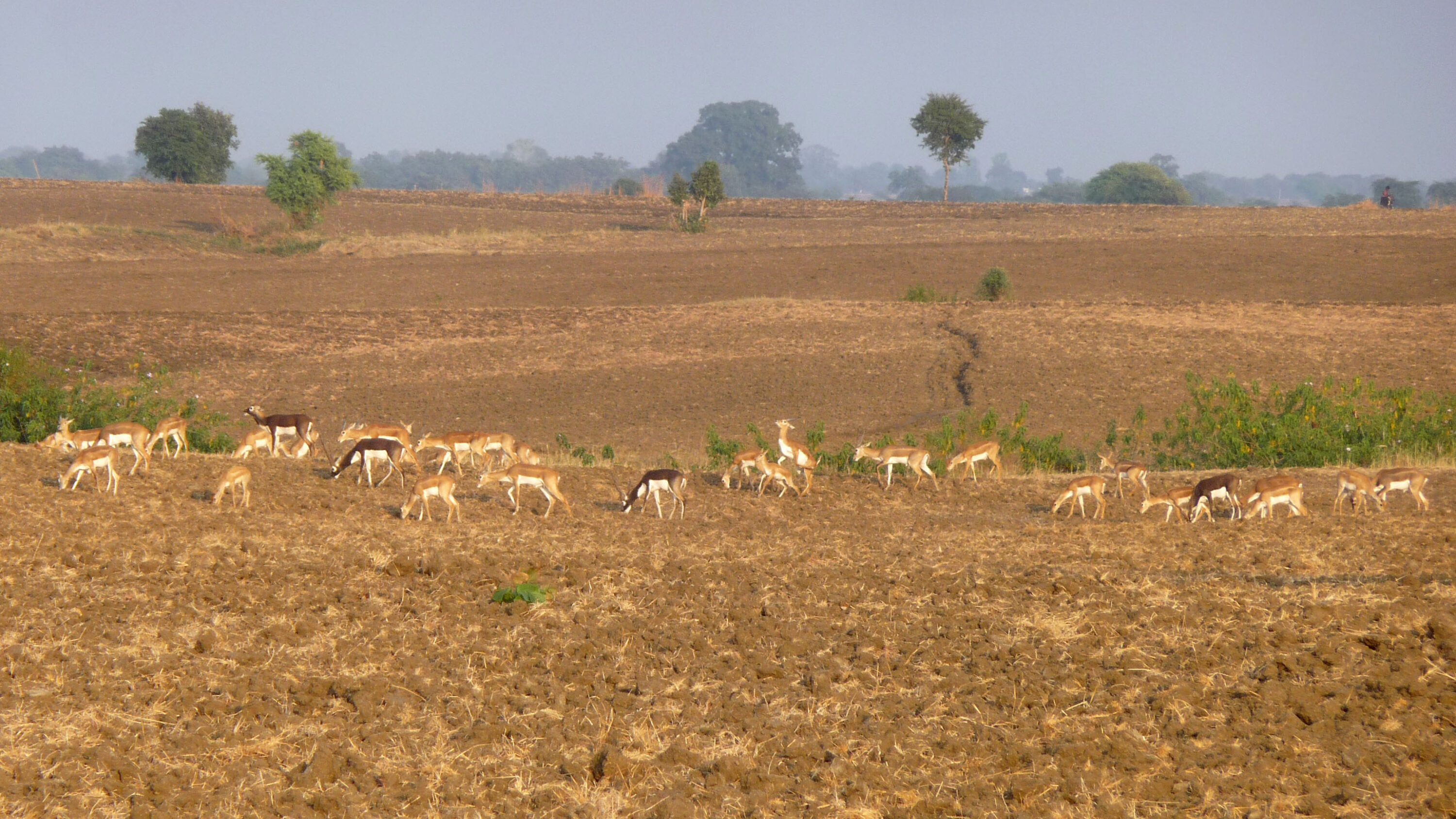
Blackbuck, Striped Hyenas, Sloth Bears and Indian Wolves Occurred Across Koppal’s Agro-pastoral Landscape
In Koppal district, Karnataka, interview-based models estimated occupancy of 63% for blackbuck, 52% for striped hyena and 26%…
Read story →SPECIES IN THIS STORY
Species in this story
Independent research and conservation news archive
Did you find this information useful?
Wildlife Vagabond is independently built and maintained. Voluntary support helps cover source verification, hosting and continued work on research and conservation news.
Support Wildlife VagabondThe news archive will remain freely available.