
Most Recorded Sloth-Bear Casualties in Chitwan Occurred in Winter and Spring
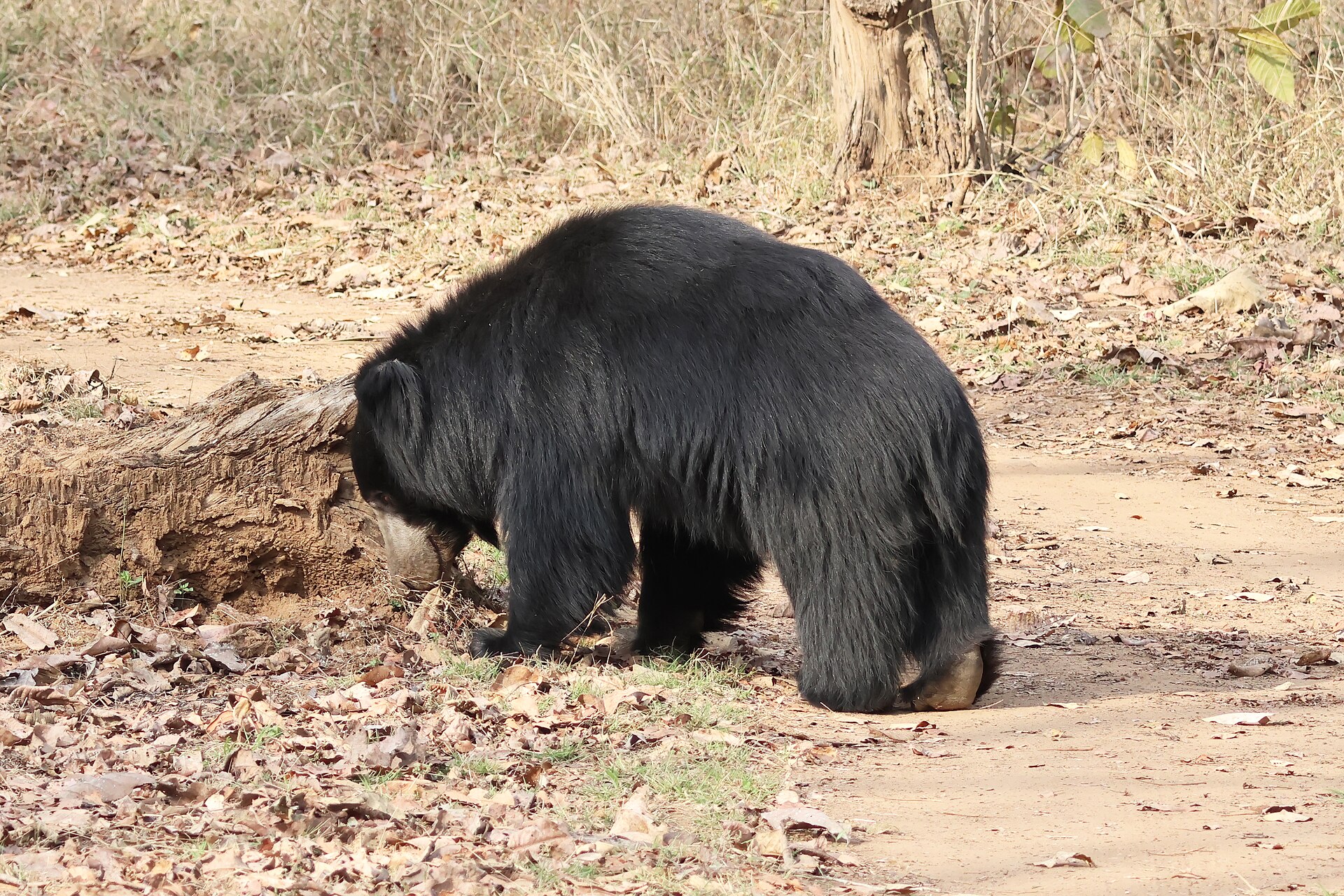
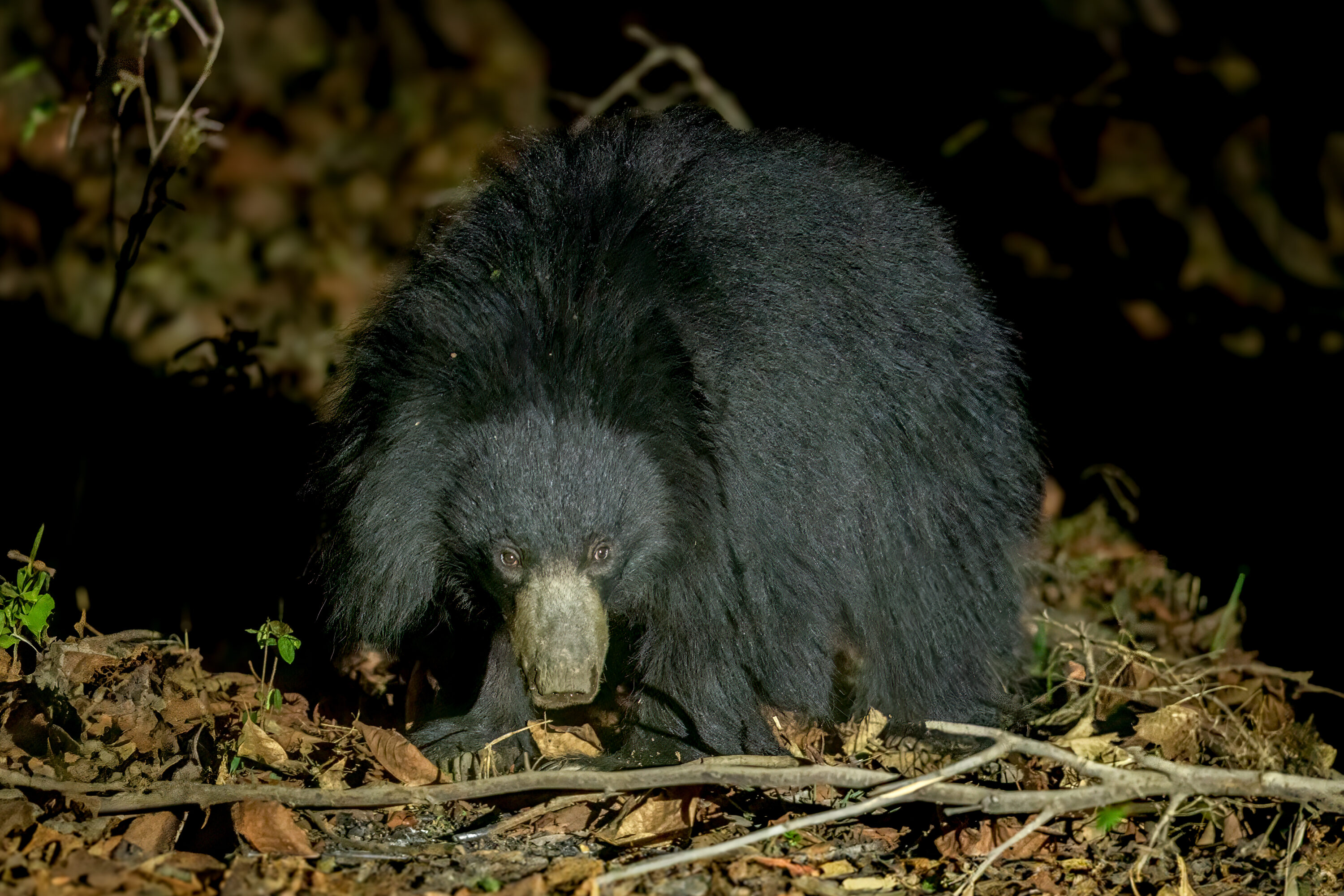
From 1999 to 2025, records from in and around Chitwan National Park in Nepal documented 196 people injured or killed in encounters with sloth bears (Melursus ursinus). One person died. The number recorded each year ranged from 1 to 29, but the overall trend was downward. The authors estimated an average annual decline of about 4.5% in recorded casualties.
The records also show when and where casualties were most often reported. Winter accounted for 36% and spring for another 32%—more than two-thirds combined. Incidents were recorded in 15 of 22 committees in the park’s buffer zone, and more than half were in the southwestern sector, particularly Madi Valley.
Encounters often happened during everyday activities
Surveys of 100 households added context to the incident records. Respondents described encounters involving people who depended on forests or agriculture; incidents often occurred while people were walking or doing forest-related activities. Most recorded incidents involved a single bear, while groups of a mother bear and cubs accounted for 31% of encounters.
These patterns show that casualties were concentrated in particular seasons and places, often where people’s daily activities brought them into contact with bears. The study documents a decline in recorded casualties but does not establish why they fell.
For community-safety efforts, the findings point to particular times and places for attention, especially winter and spring and the southwestern area around Madi Valley. The household surveys also show why prevention needs to take account of the forest and agricultural activities through which people encounter bears. The study provides a baseline for monitoring human safety and sloth-bear conservation.
Ecology
Related news
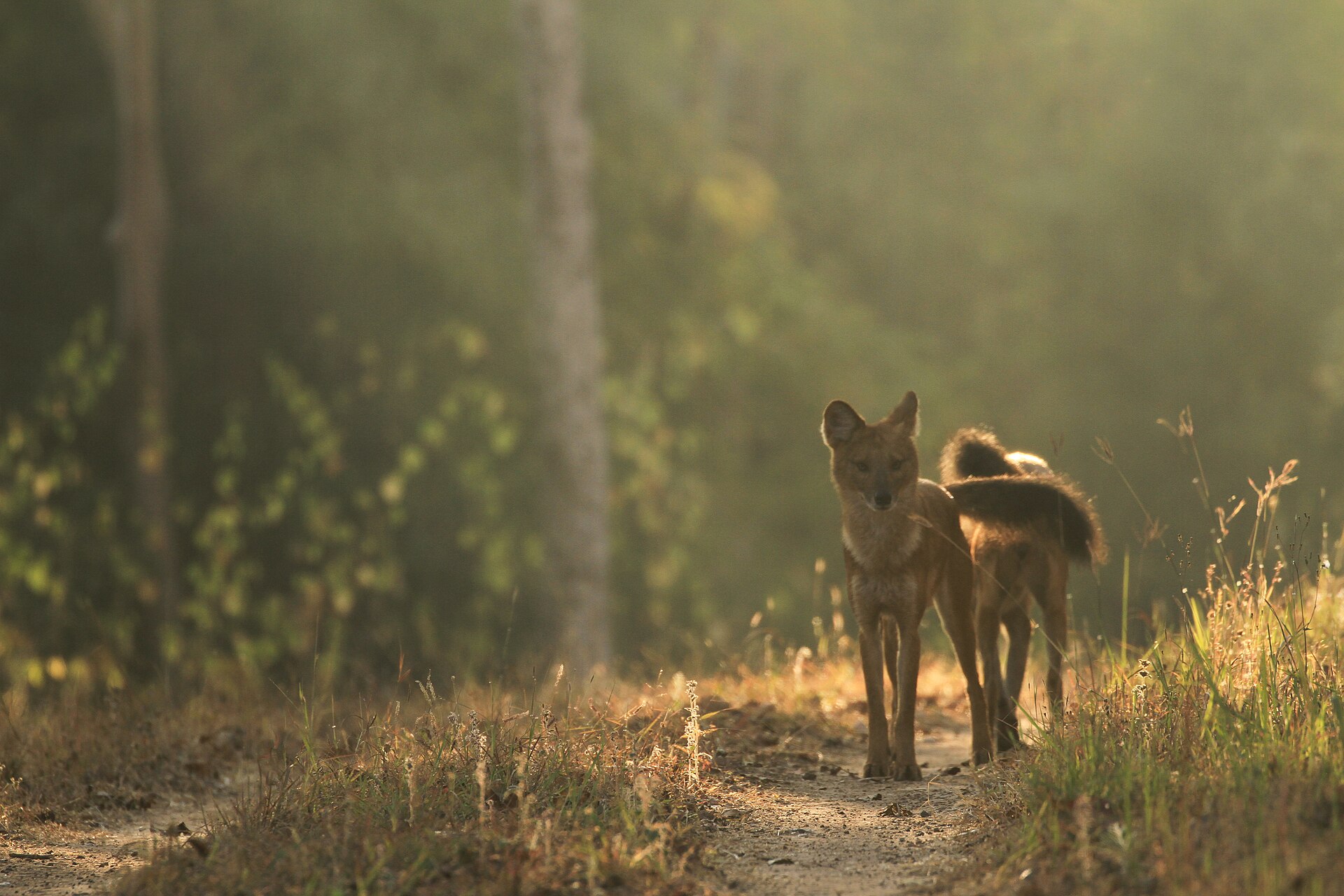
Social media portrayed dholes more negatively than three other carnivores
An analysis of more than 6,000 posts compared dholes with Bengal tigers, sloth bears and golden jackals. Dholes…
Read story →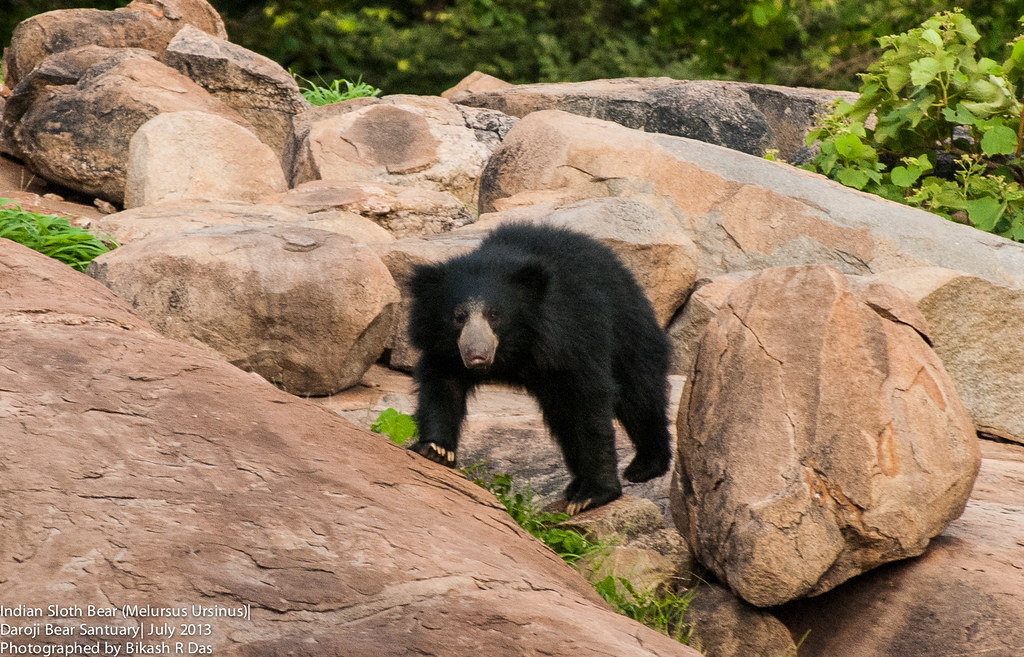
Agricultural Land Was the Main Barrier to Gene Flow in Terai Sloth Bears
A genetic study of sloth bears in India’s Central Terai found that genetic groupings did not match protected-area…
Read story →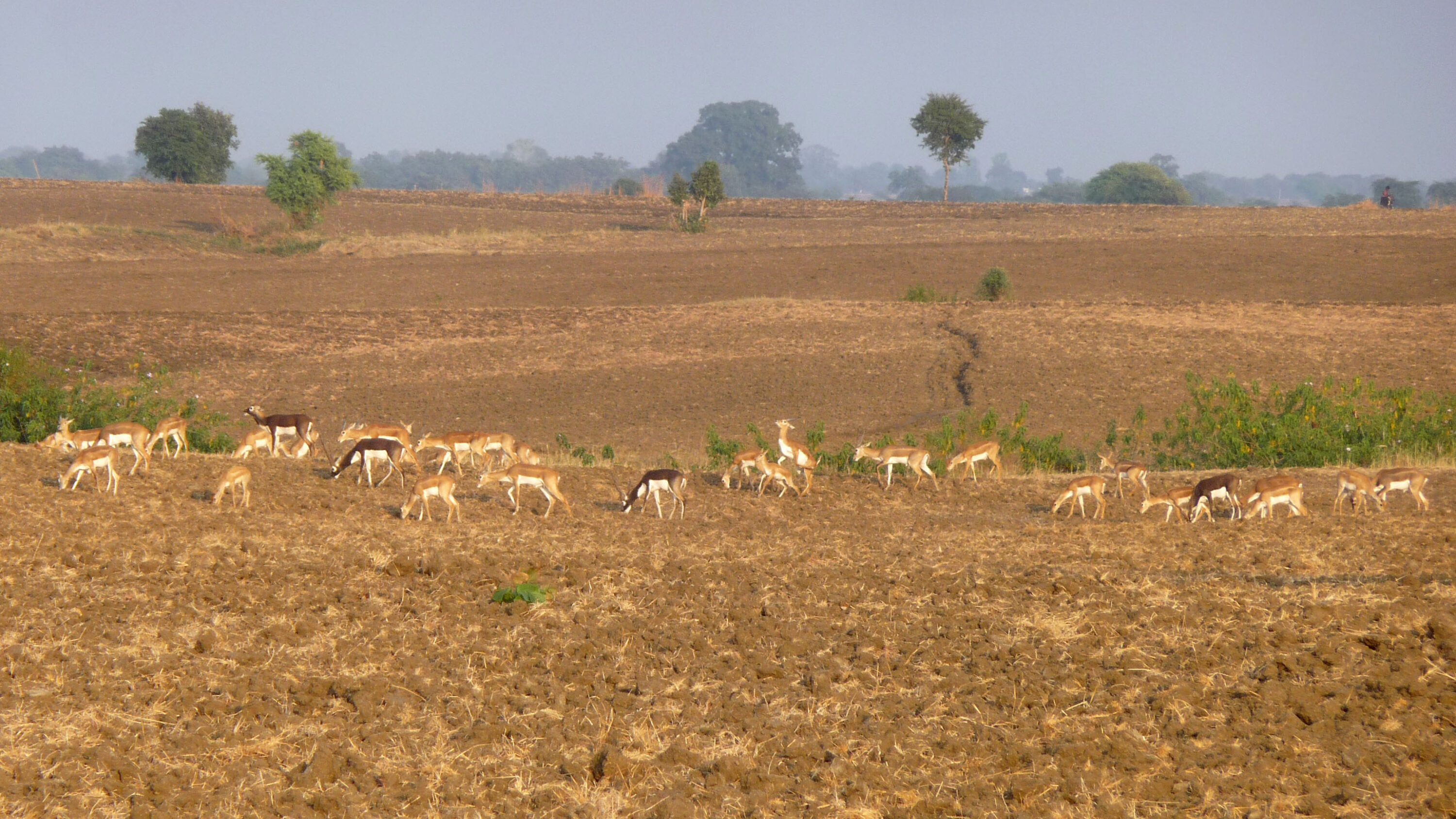
Blackbuck, Striped Hyenas, Sloth Bears and Indian Wolves Occurred Across Koppal’s Agro-pastoral Landscape
In Koppal district, Karnataka, interview-based models estimated occupancy of 63% for blackbuck, 52% for striped hyena and 26%…
Read story →SPECIES IN THIS STORY
Species in this story
Independent research and conservation news archive
Did you find this information useful?
Wildlife Vagabond is independently built and maintained. Voluntary support helps cover source verification, hosting and continued work on research and conservation news.
Support Wildlife VagabondThe news archive will remain freely available.