
Antibodies to Crimean-Congo hemorrhagic fever virus were common in cattle, but none were detected in sampled impalas
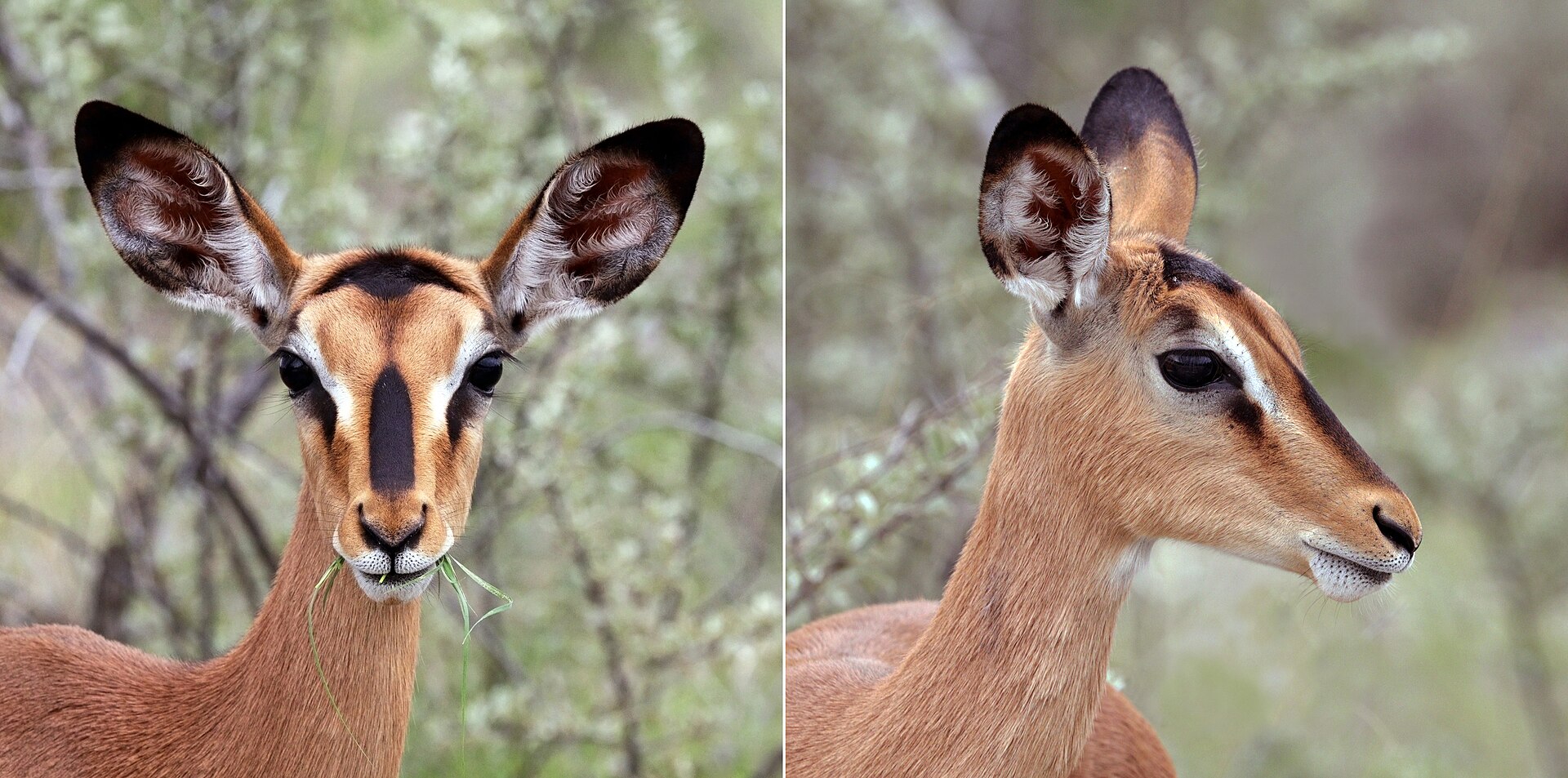
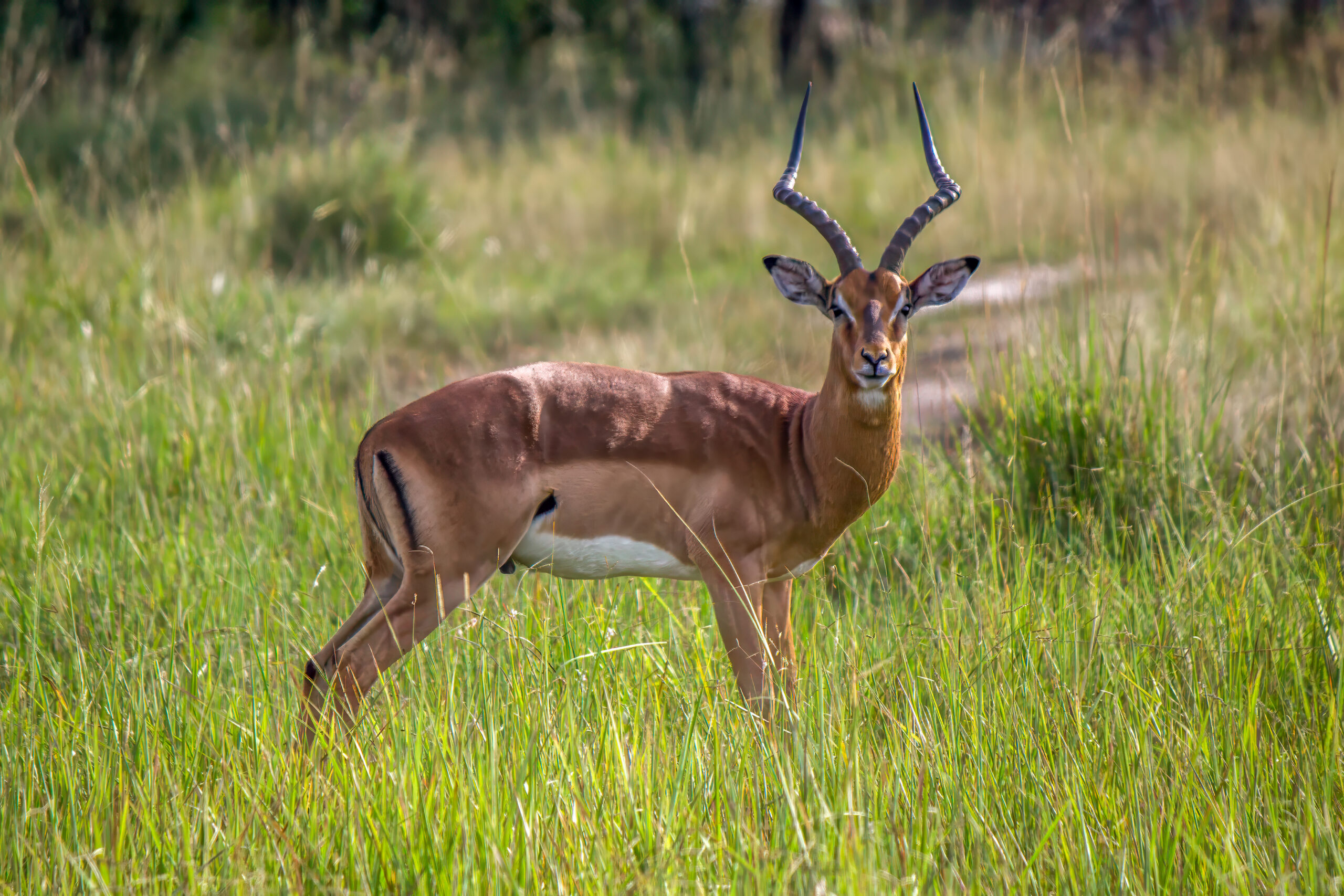
Crimean-Congo hemorrhagic fever virus (CCHFV) can infect people and many animal species. In people, it can cause severe, sometimes fatal illness. Infected animals often show no obvious signs of disease, so antibody tests can reveal exposure that would otherwise go unnoticed. The virus is spread mainly by ticks, but people can also be exposed through contact with infected animal blood. In South Africa’s Mnisi community, researchers compared evidence of exposure in livestock, dogs and wild impalas (Aepyceros melampus).
Antibodies were far more common in cattle
The researchers tested serum samples from 423 cattle, 167 goats, 152 dogs and 182 impalas for antibodies to CCHFV. Antibodies were detected in 72.8% of cattle samples and 21.6% of goat samples. None were detected in the dog or impala samples.
Antibodies were more than three times as common in cattle samples as in goat samples. The authors interpret the findings as evidence of widespread exposure among domestic ruminants in the community.
Antibodies show that an animal has been exposed to the virus, but not whether it had an active infection when sampled. The authors highlight a potential risk to people, particularly cattle herders.
Disease, parasites & microbiology
Related news
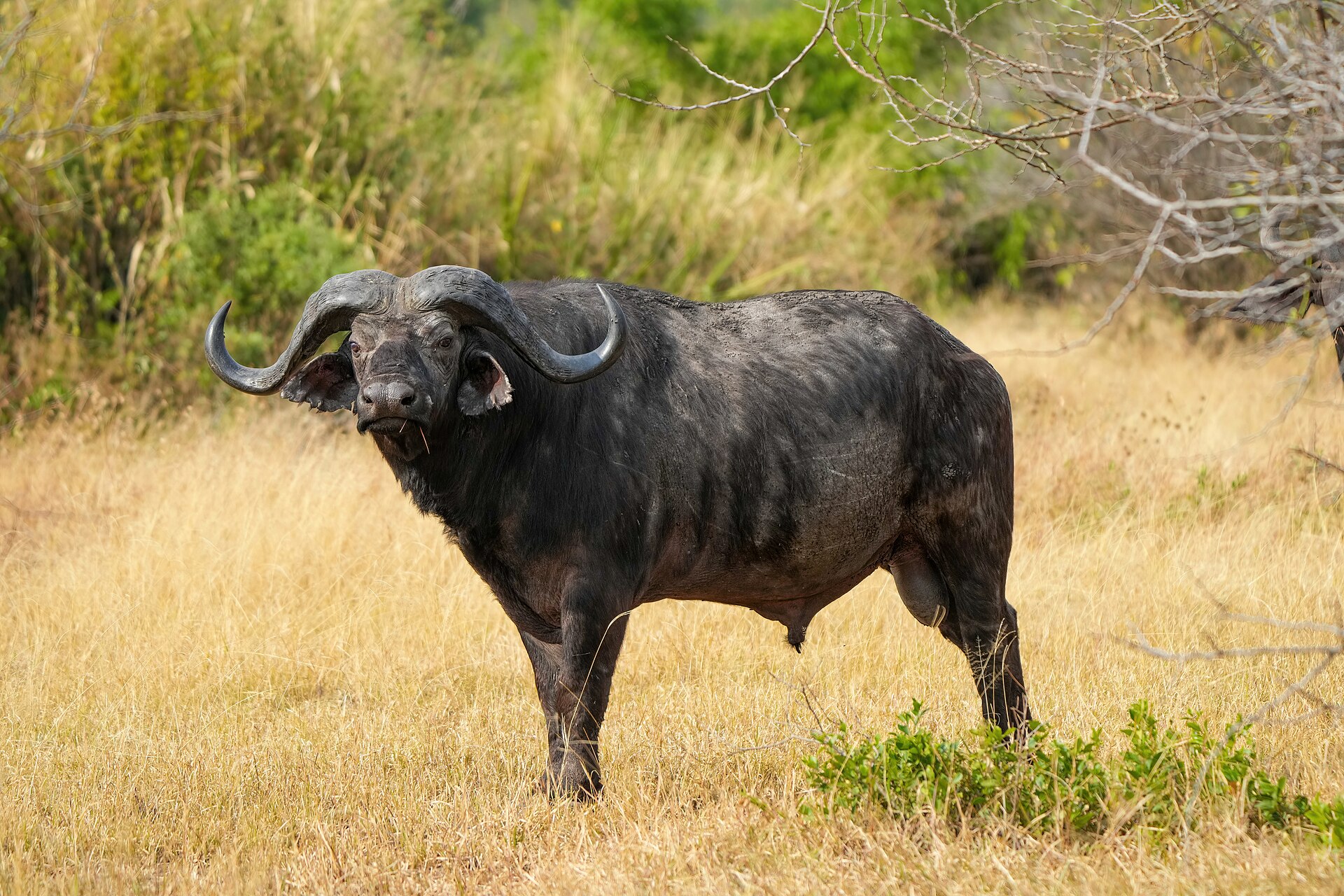
Elephants and buffalo showed the clearest signs of range expansion after translocation in Malawi
A six-year camera-trap study in Nkhotakota Wildlife Reserve found the clearest signs of establishment and expansion in African…
Read story →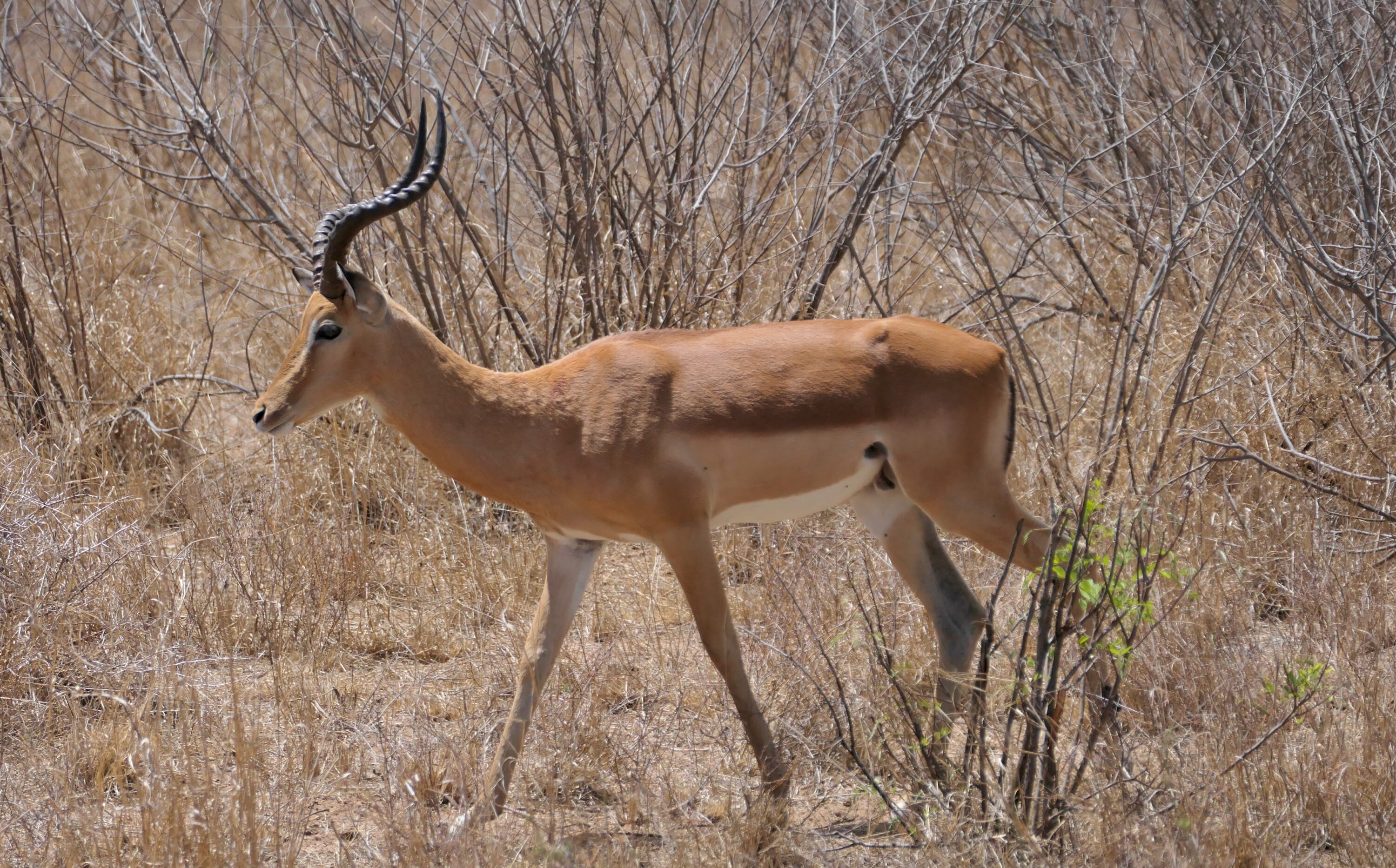
Faecal egg counts missed many nematode infections in African ungulates
In Kruger National Park, egg counts in faeces often detected fewer infections than counts of adult worms recovered…
Read story →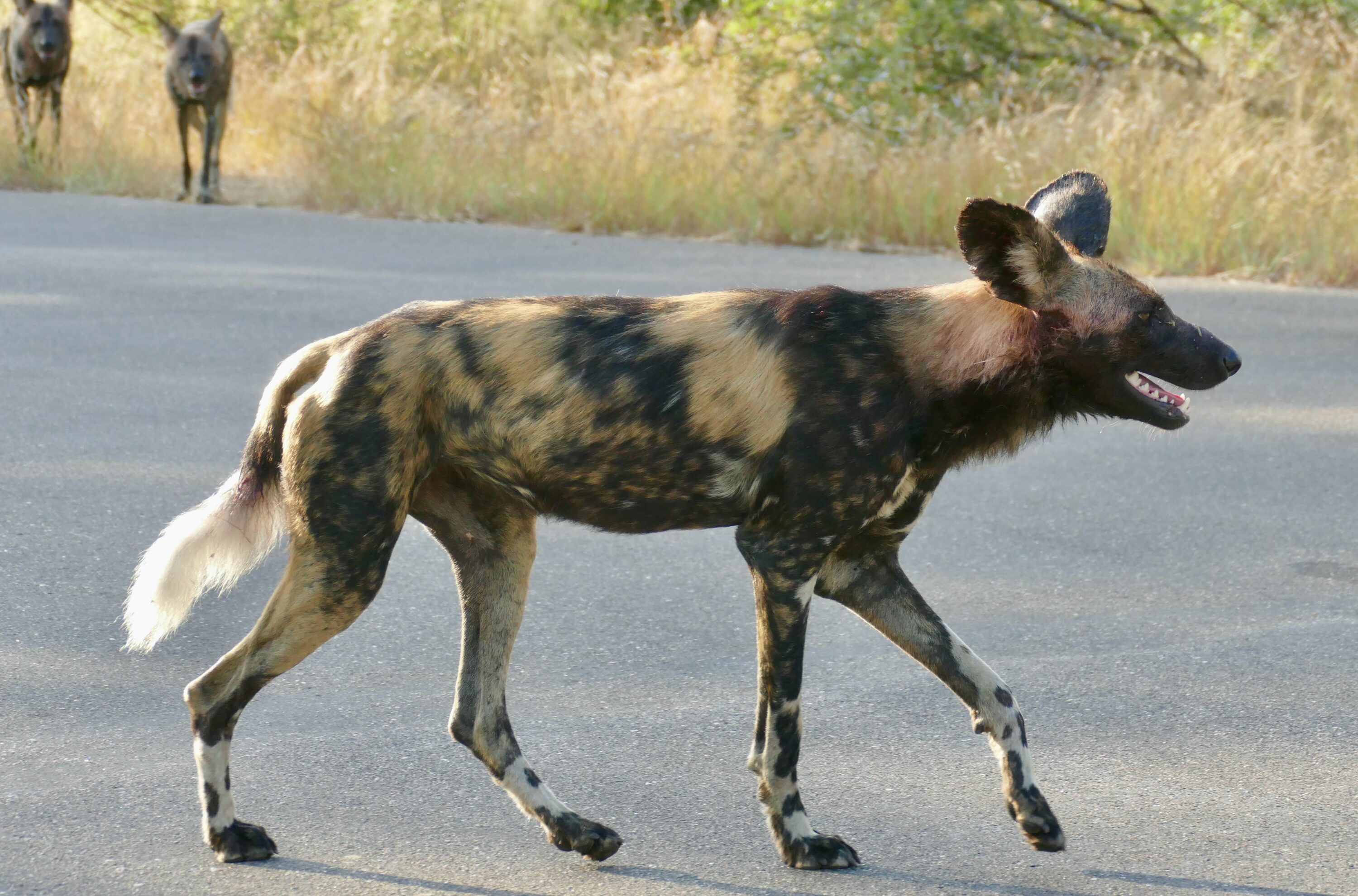
Food Leaves Its Mark on the Gut Bacteria of Kruger’s Wildlife
Gut bacteria in nine mammal species from Kruger National Park followed clear patterns linked to food and digestion.…
Read story →SPECIES IN THIS STORY
Species in this story
Independent research and conservation news archive
Did you find this information useful?
Wildlife Vagabond is independently built and maintained. Voluntary support helps cover source verification, hosting and continued work on research and conservation news.
Support Wildlife VagabondThe news archive will remain freely available.