
Elephants and buffalo showed the clearest signs of range expansion after translocation in Malawi
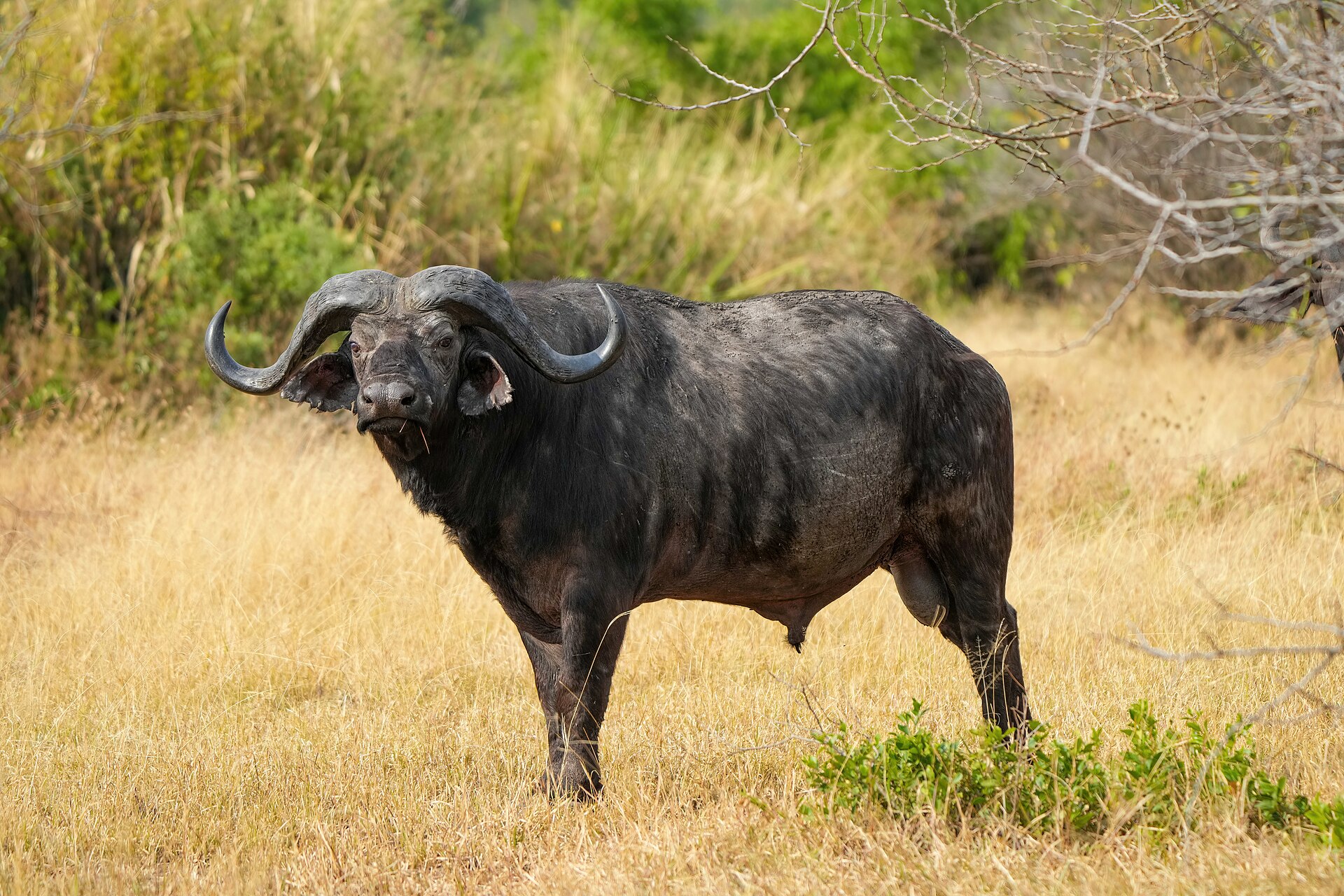
What happens after large herbivores are moved into a reserve? A six-year camera-trap study in Nkhotakota Wildlife Reserve, Malawi, followed changes in the distribution of nine translocated species. The researchers used models of camera-trap records to estimate which parts of the reserve each species used and how that use changed over time.
Species showed different recovery patterns
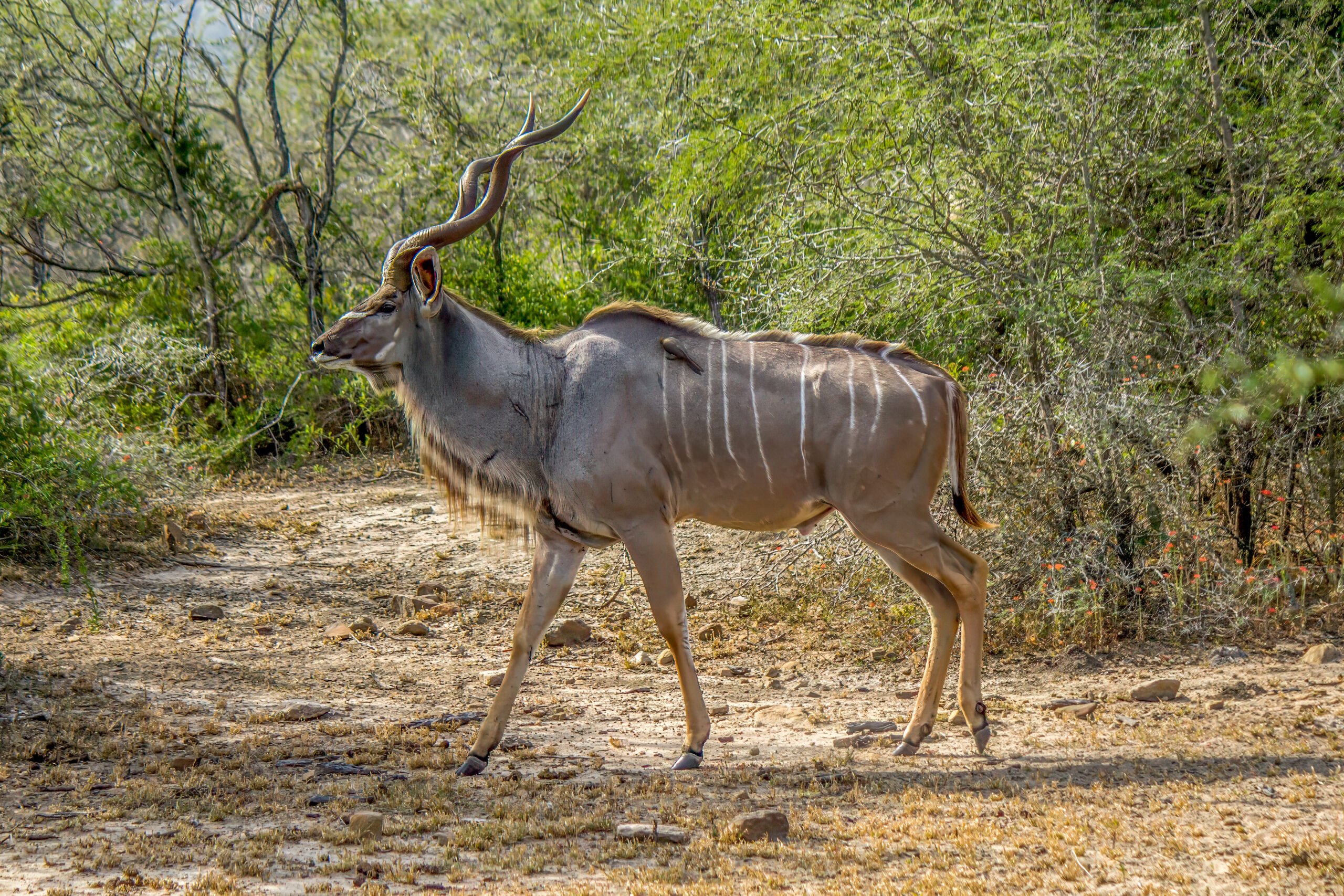
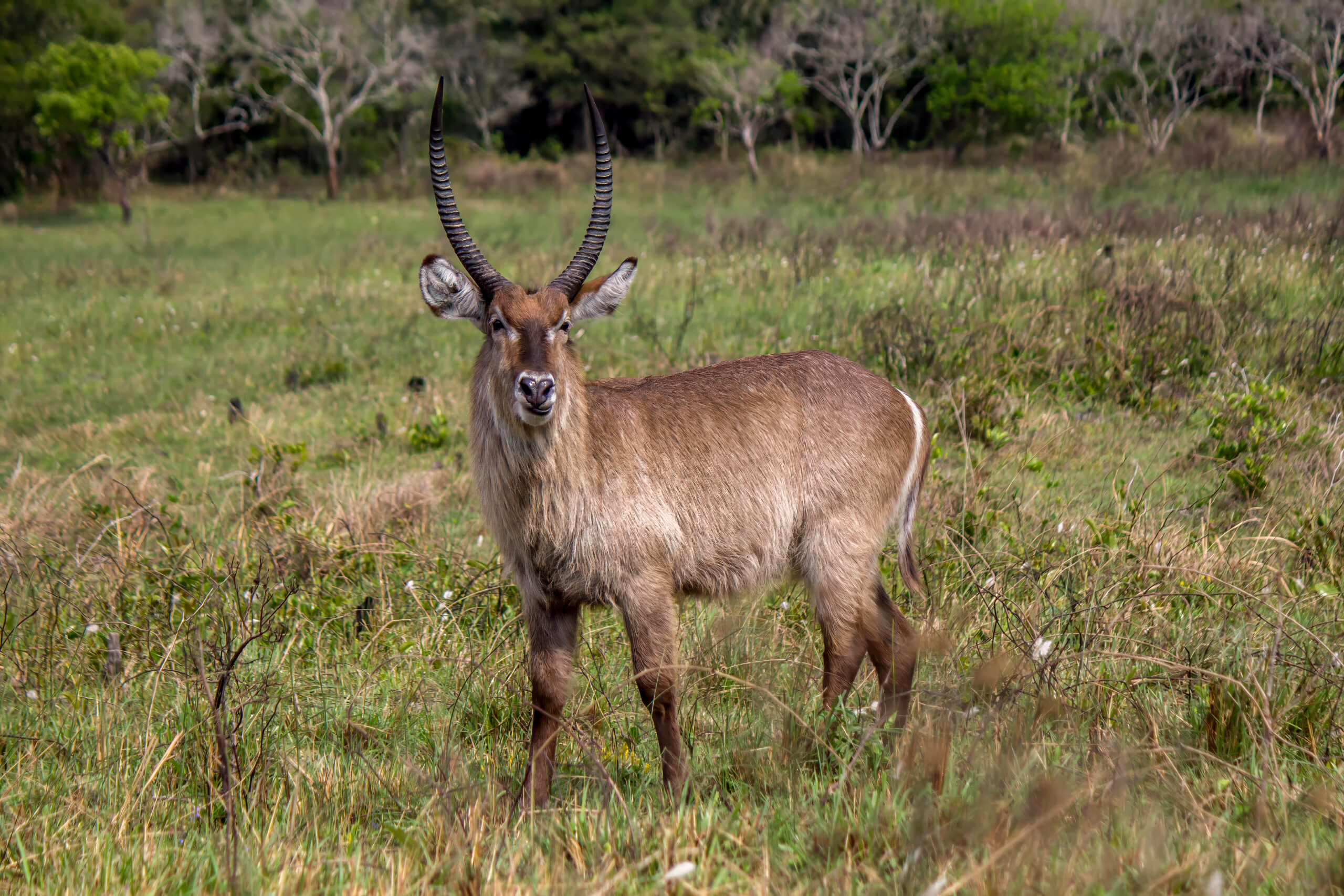
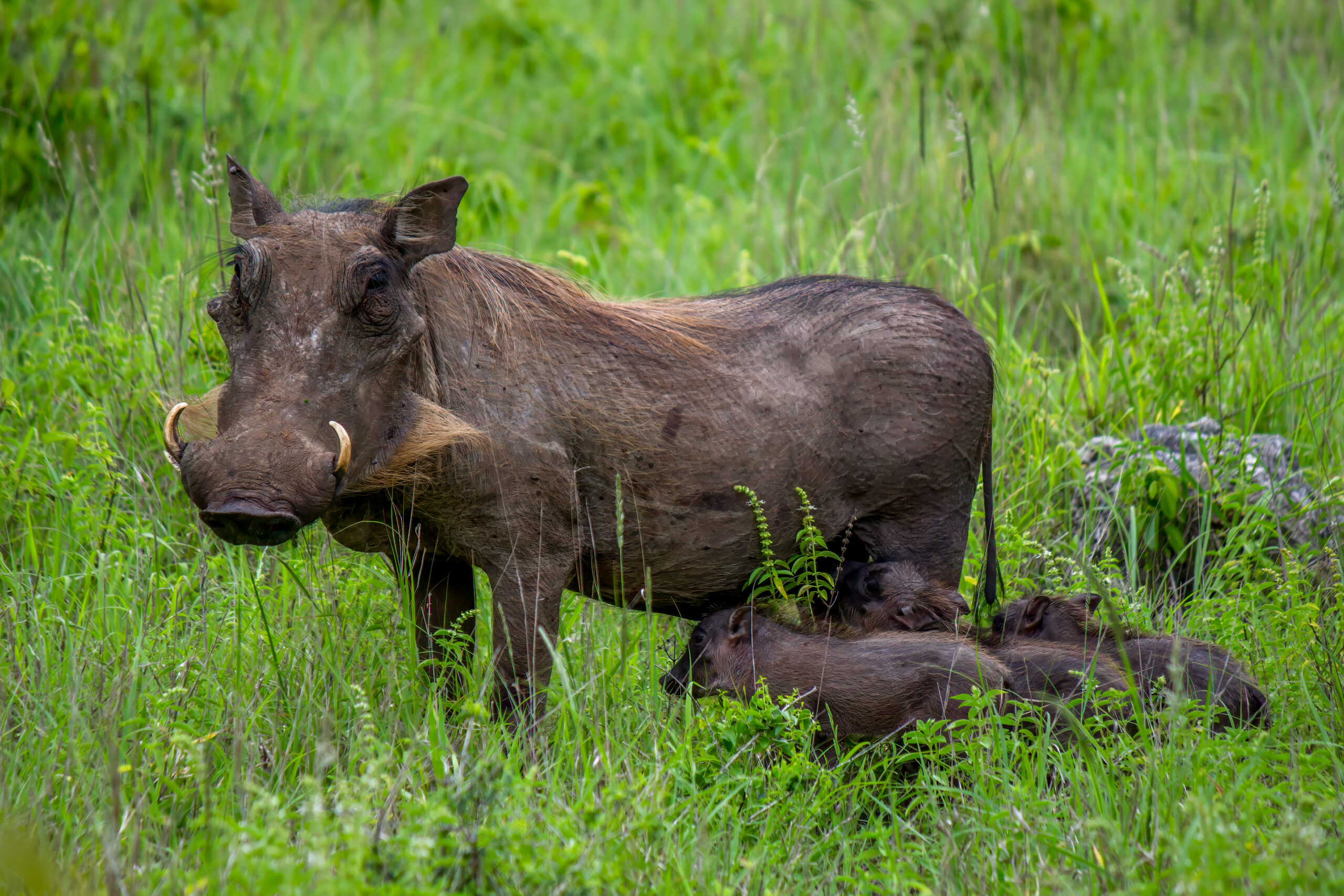
African bush elephants (Loxodonta africana) and African buffalo (Syncerus caffer) showed the strongest evidence of becoming established and spreading into more of the reserve. Common eland (Taurotragus oryx), greater kudu (Tragelaphus strepsiceros), plains zebra (Equus quagga) and impala (Aepyceros melampus) also showed positive trends, but these were weaker or less consistent. Sable antelope (Hippotragus niger) showed signs of establishment without expansion. Waterbuck (Kobus ellipsiprymnus) and common warthog (Phacochoerus africanus) had negative trends, although evidence for a waterbuck decline was weak.
The species also differed in their relationships with tree density, distance to water, elevation, slope and the reserve boundary. These relationships varied by species and season, suggesting that no single habitat pattern described how all nine herbivores used the reserve.
Translocation is often intended to restore wildlife to an area, but tracking where animals establish and whether they spread can show how a multi-species effort is progressing. The camera-trap patterns describe distribution and use of the reserve; they do not directly measure population size. The authors argue that continued monitoring is needed to distinguish early recovery, behavioural shifts and year-to-year variation from longer-term population responses.
Ecology
Related news
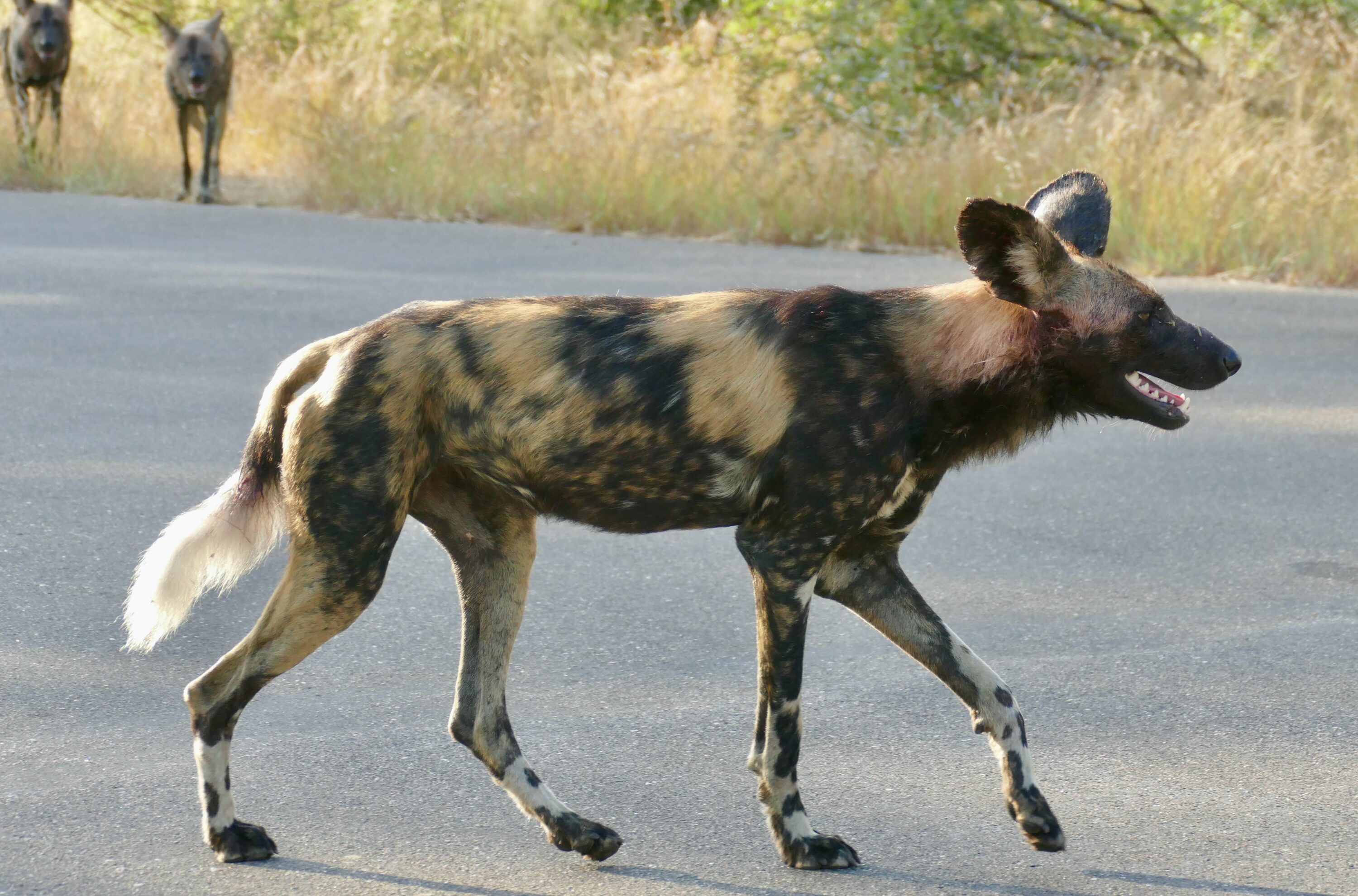
Food Leaves Its Mark on the Gut Bacteria of Kruger’s Wildlife
Gut bacteria in nine mammal species from Kruger National Park followed clear patterns linked to food and digestion.…
Read story →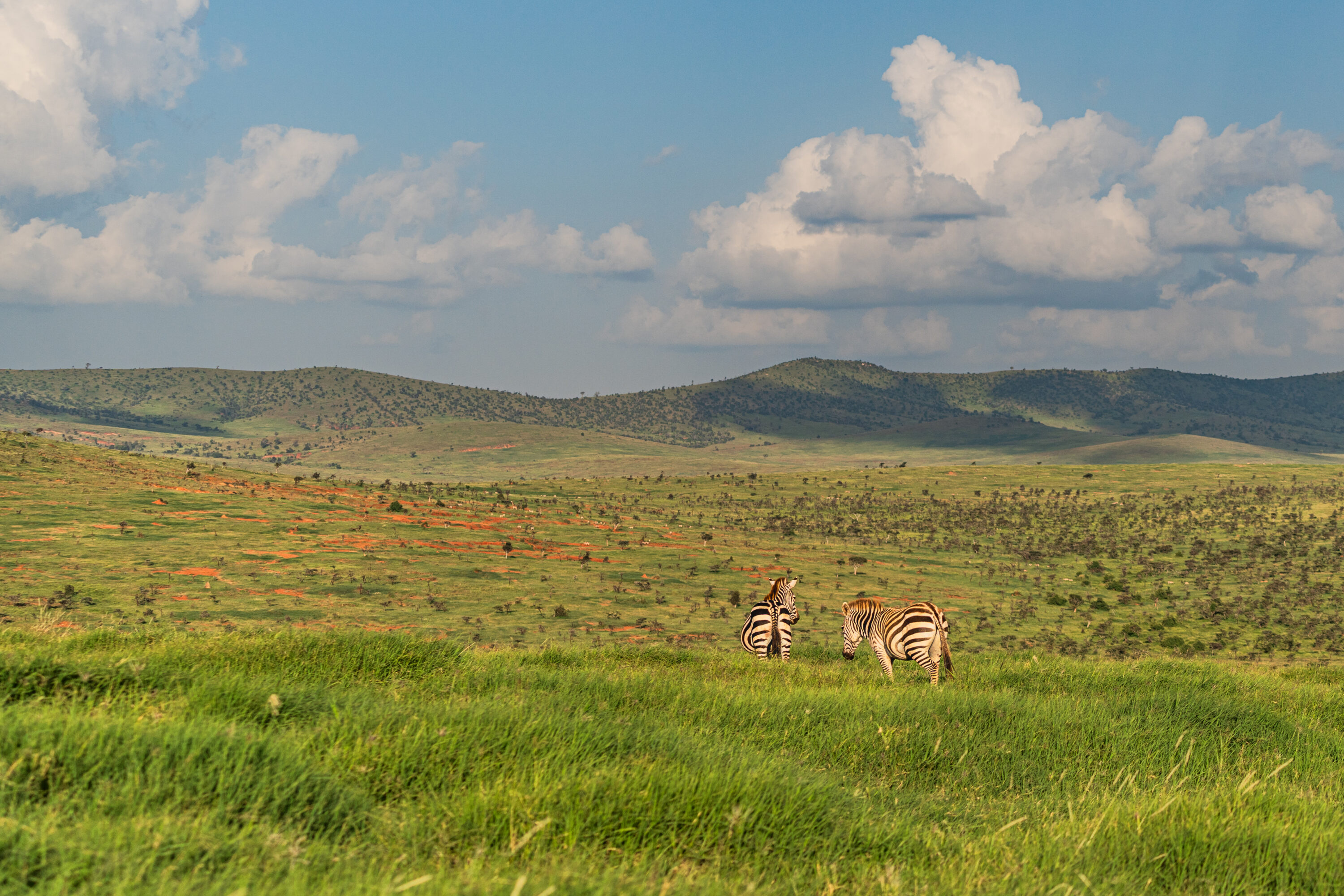
First Reported Giardia Detections in Four Wild Herbivore Species in Kenya
Molecular screening of wildlife and livestock in Laikipia produced the first reported Giardia detections in African buffalo, plains…
Read story →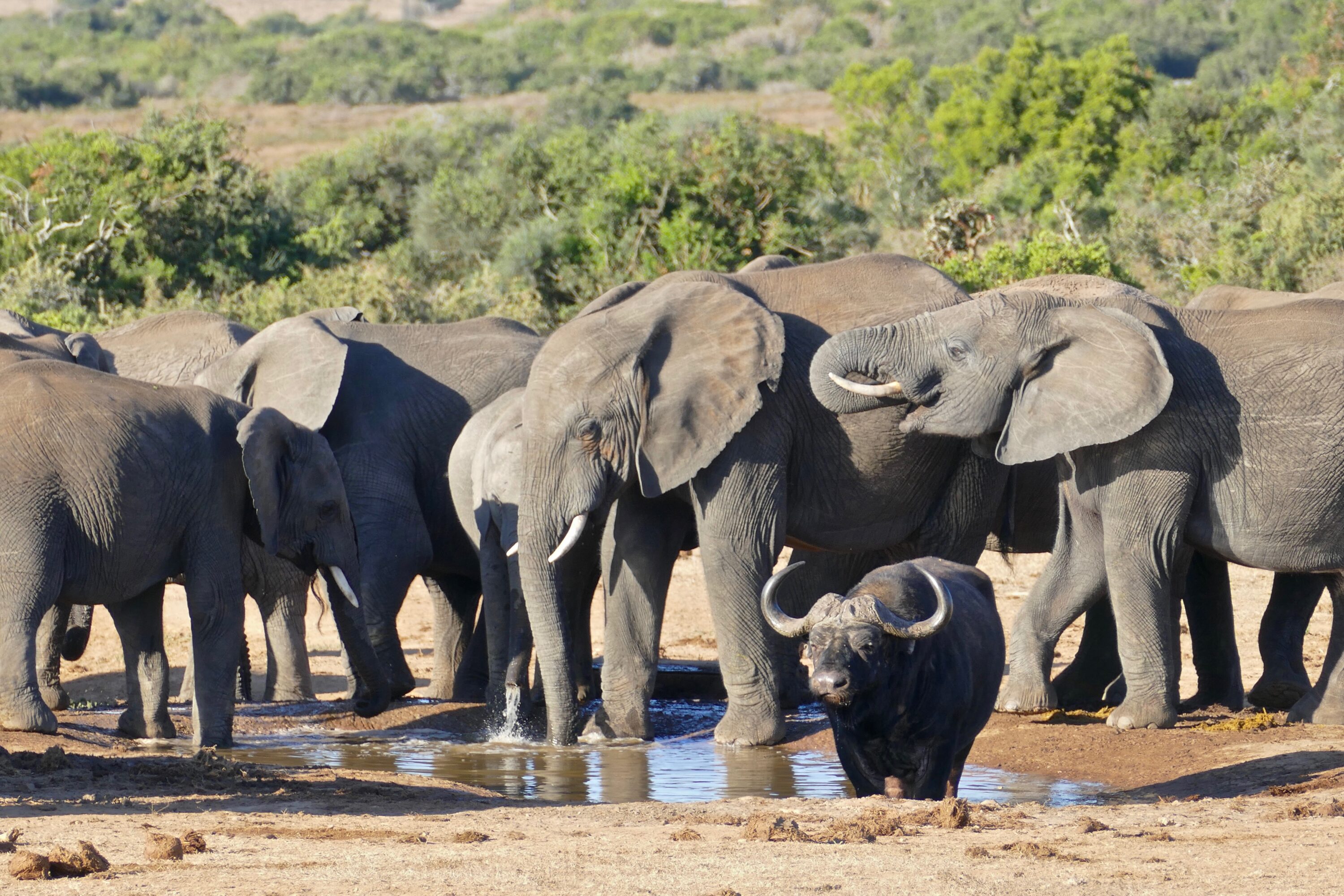
Elephants, Buffalo and Impala Began Fleeing at Greater Distances in a Zimbabwe Hunting Area During the Dry Season
During the dry season, elephants, African buffalo and impala collectively began moving away from vehicles at greater distances…
Read story →SPECIES IN THIS STORY
Species in this story
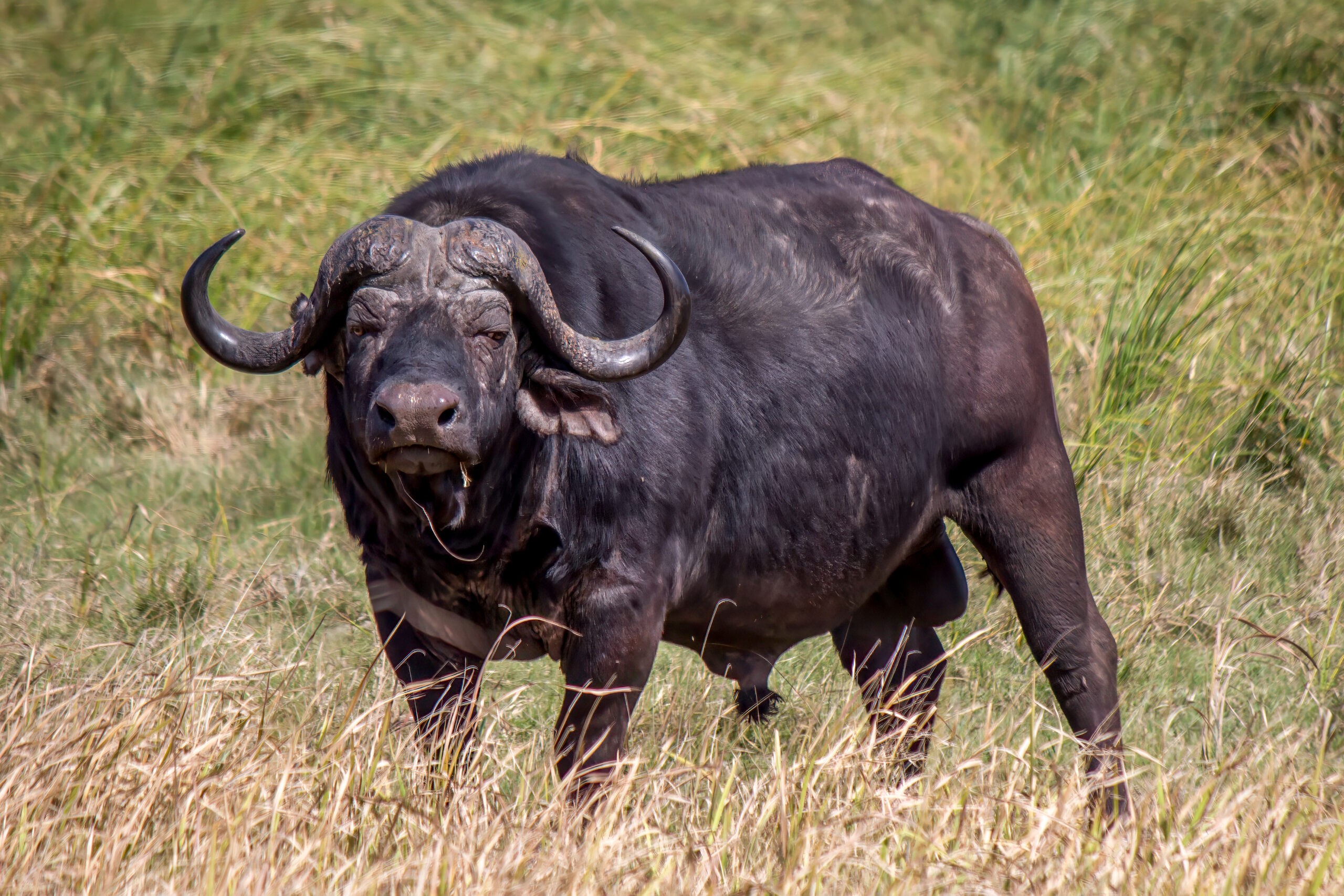 African Buffalo
Syncerus caffer Explore species →
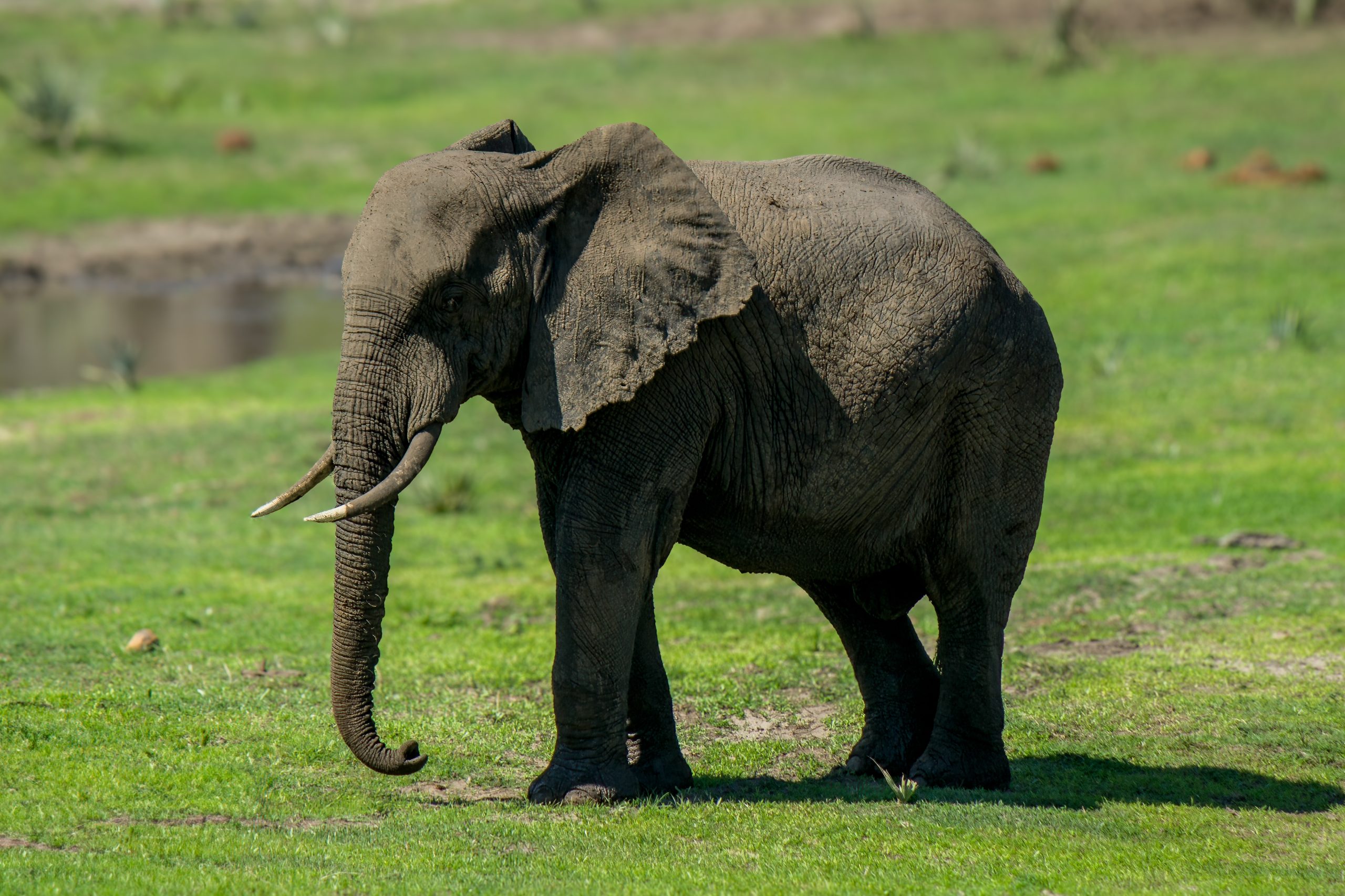 African Bush Elephant
Loxodonta africana Explore species →
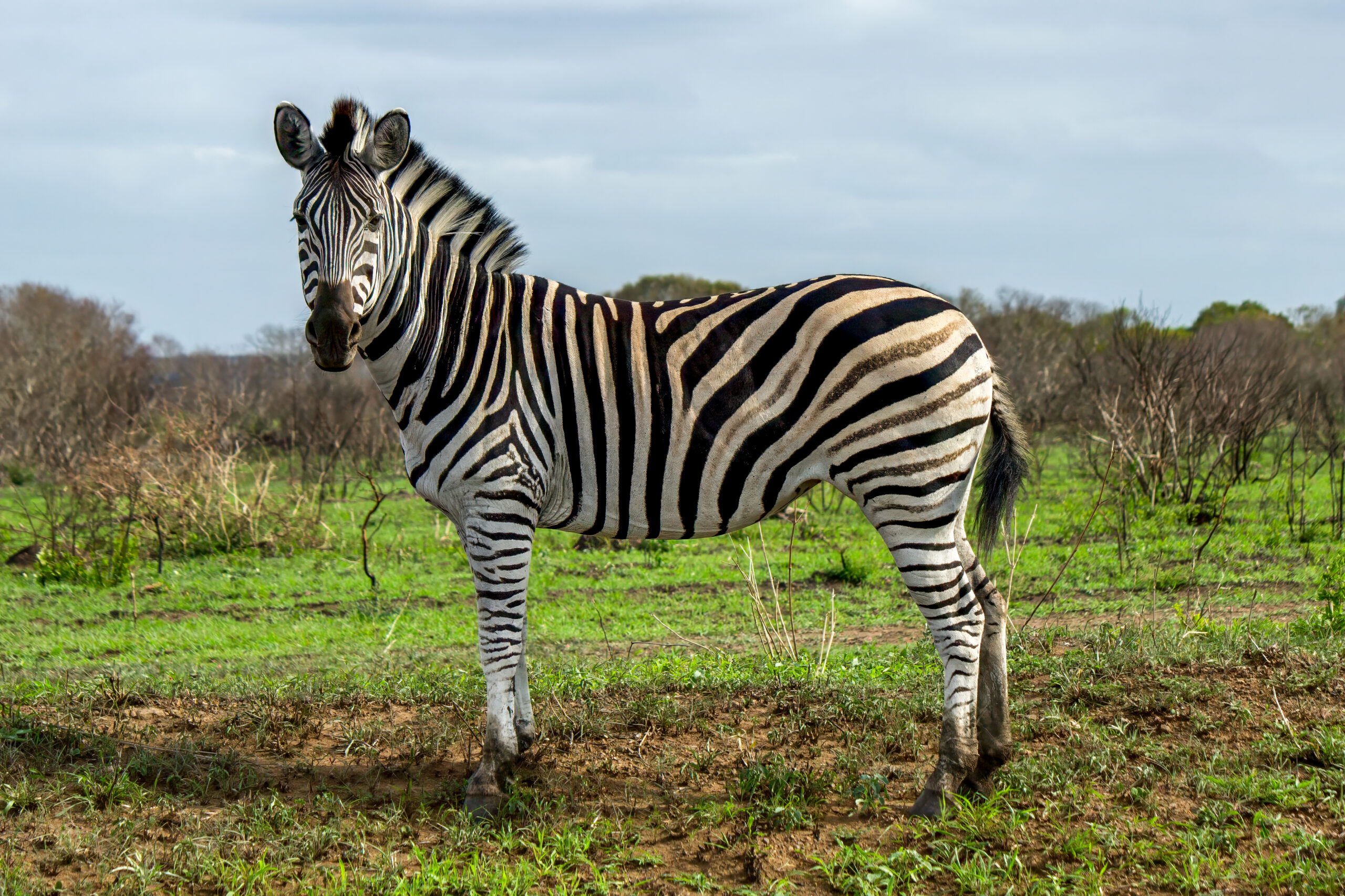 Plains Zebra
Equus quagga Explore species →
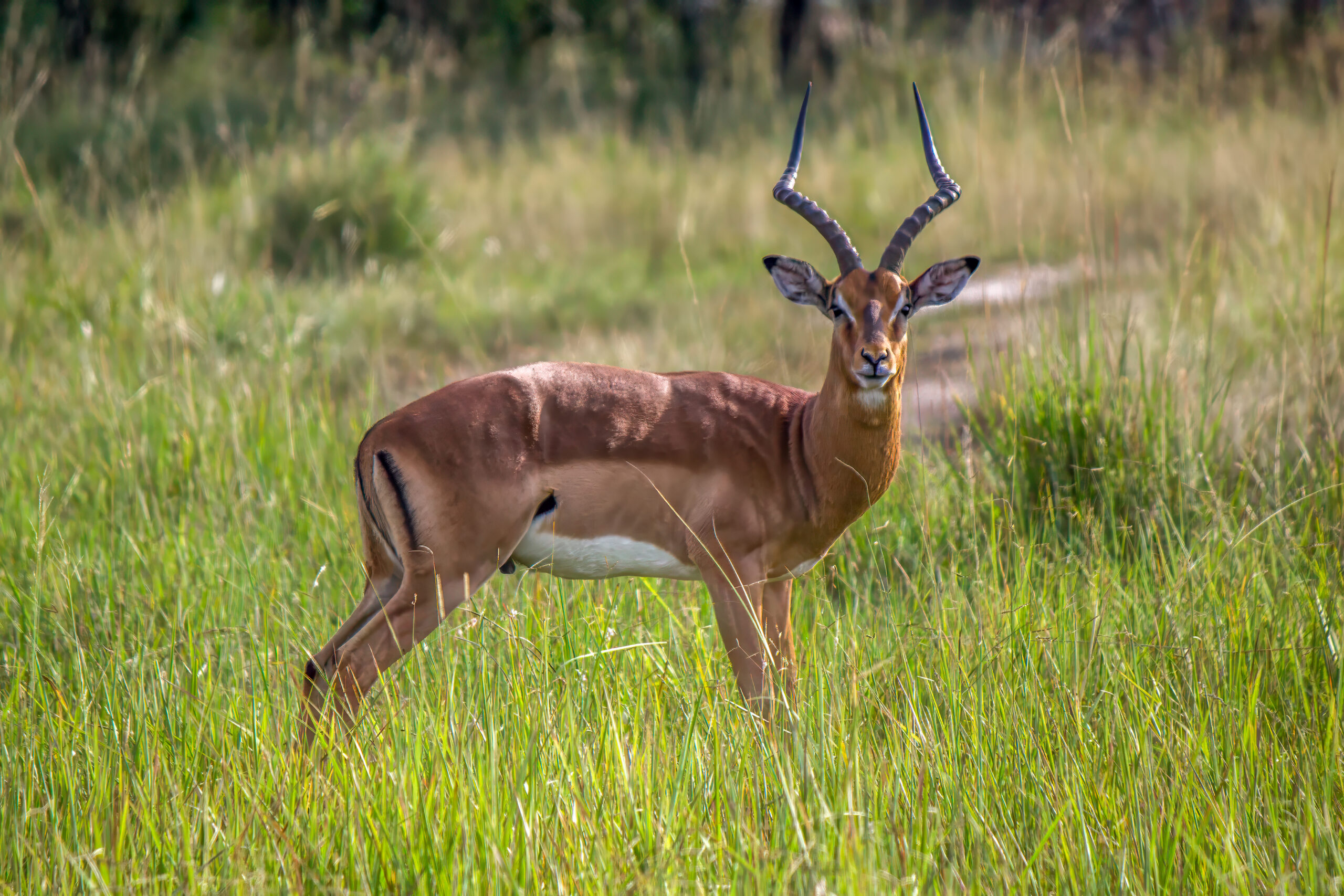 Impala
Aepyceros melampus Explore species →
 Greater Kudu
Tragelaphus strepsiceros Explore species →
 Waterbuck
Kobus ellipsiprymnus Explore species →
 Common Warthog
Phacochoerus africanus Explore species →
Independent research and conservation news archive
Did you find this information useful?
Wildlife Vagabond is independently built and maintained. Voluntary support helps cover source verification, hosting and continued work on research and conservation news.
Support Wildlife VagabondThe news archive will remain freely available.