
Models Estimated Only 5.1% of the GBM Basin as Suitable for Black-bellied Tern Under Current Conditions
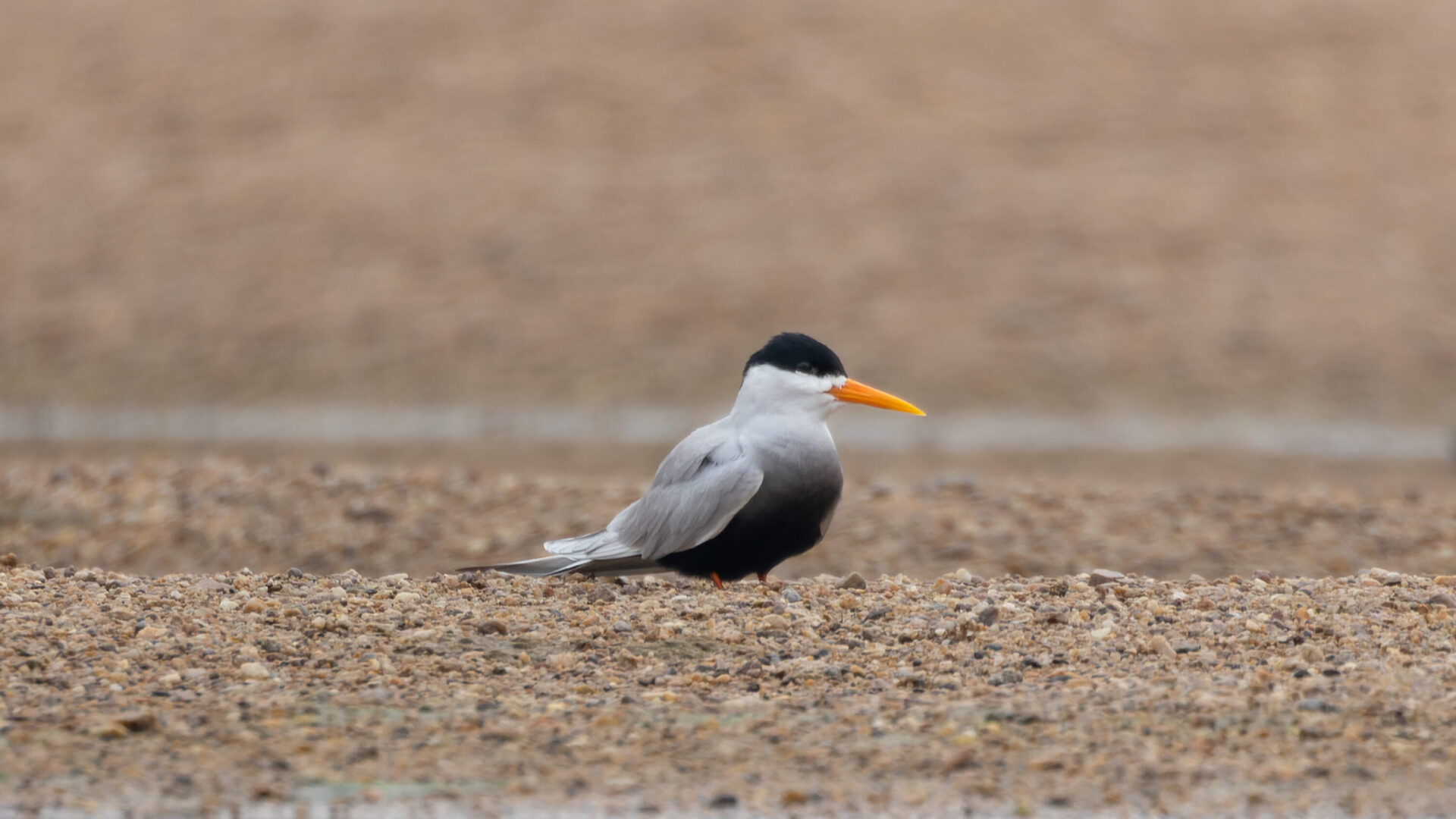
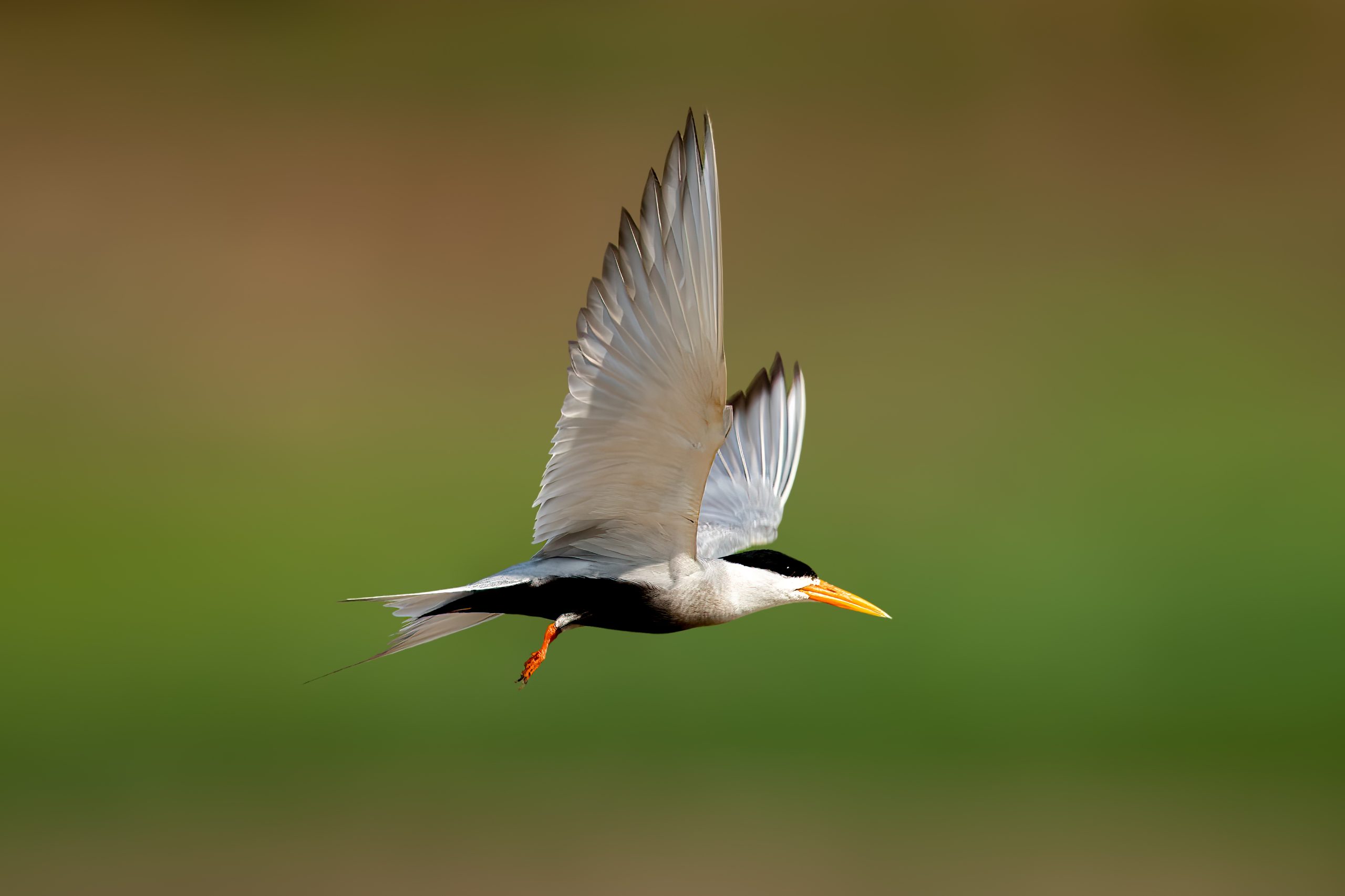
A 2026 modelling study estimated that only 5.1% of the Ganges–Brahmaputra–Mahanadi River Basin currently provides climatically and environmentally suitable habitat for the endangered black-bellied tern (Sterna acuticauda). Future climate scenarios projected further habitat contraction and declining connectivity among the remaining suitable areas.
The basin is a major refuge for the species and, according to the study, supports more than 90% of the global population. Black-bellied terns depend strongly on large river systems, wetlands and exposed sandbars, where they forage and breed.
Habitat suitability was modelled from climate and landscape conditions
The researchers combined several species-distribution modelling methods to relate known tern occurrences to environmental conditions. Variables included climate, elevation and distance from water. The resulting suitability maps identify places whose environmental conditions resemble those associated with known records of the species.
A high suitability score therefore does not mean that terns were directly counted at every modelled site. It indicates that the combination of environmental conditions is predicted to be favourable. Under the current model, suitable habitat covered about 5.1% of the full basin.
Five corridors connected the remaining suitable areas
The team then used circuit-based landscape modelling to examine connectivity. In this approach, the landscape is treated conceptually like an electrical network: areas that are easier for a species to move through offer lower resistance, while unsuitable areas create greater resistance. The model can then identify routes through which suitable habitat patches remain connected.
Five major ecological corridors were identified. Under future climate scenarios, all five were projected to lose connectivity. Biologically, this means that suitable riverine areas were modelled to become more isolated from one another, potentially making movement between them more difficult even where individual habitat patches remain suitable.
Future scenarios projected both contraction and fragmentation
The climate projections indicated a marked decline in suitable habitat and increasing fragmentation. These are scenario-based projections rather than direct observations of future bird distribution. Their value is to show where habitat may become less favourable if the modelled climate changes occur.
The authors recommend a coordinated ten-year recovery programme across the river basin, including protection of priority river habitats, regulation of disruptive infrastructure and other human pressures, stronger community-based management and broader population monitoring. Because the river systems cross political boundaries, they also emphasise regional and transboundary coordination.
The study therefore identifies two related concerns: the amount of environmentally suitable habitat is already modelled as limited, and the remaining areas may become increasingly disconnected under future climate conditions. Direct population monitoring remains necessary because habitat models describe potential suitability and connectivity rather than the number of black-bellied terns actually occupying each site.
Ecology
Related news
New Ganga Project Aims to Protect Sandbar Nesting Sites for Indian Skimmers and Six Other River Birds
A conservation project launched in January 2026 aims to protect sandbar breeding colonies of Indian skimmers and six…
Read story →
African Bush Elephants Distinguished Artificial Food-Quantity Patterns at Close Range
In experiments in South Africa, four semi-tame elephants chose between visual patterns representing canopy size and leaf density.…
Read story →
Maps Show Where Wild Boar Could Thrive and Spread on Jeju Island
Researchers mapped potentially suitable wild-boar habitat across roughly 36% of Jeju Island and identified eight possible corridors linking…
Read story →SPECIES IN THIS STORY
Species in this story
Independent research and conservation news archive
Did you find this information useful?
Wildlife Vagabond is independently built and maintained. Voluntary support helps cover source verification, hosting and continued work on research and conservation news.
Support Wildlife VagabondThe news archive will remain freely available.