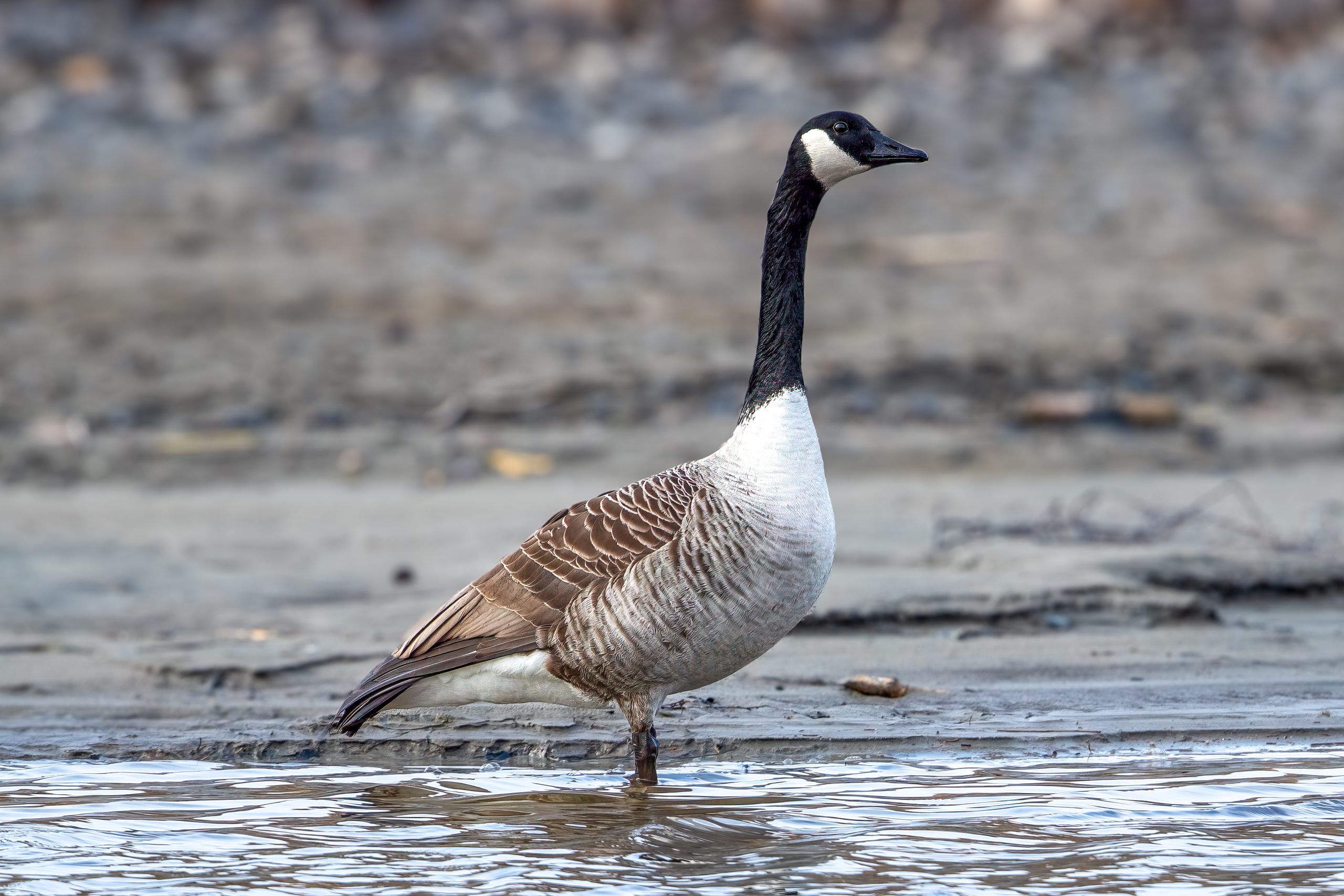
Canada Goose Populations Followed Very Different Trends Across Canada in 2025
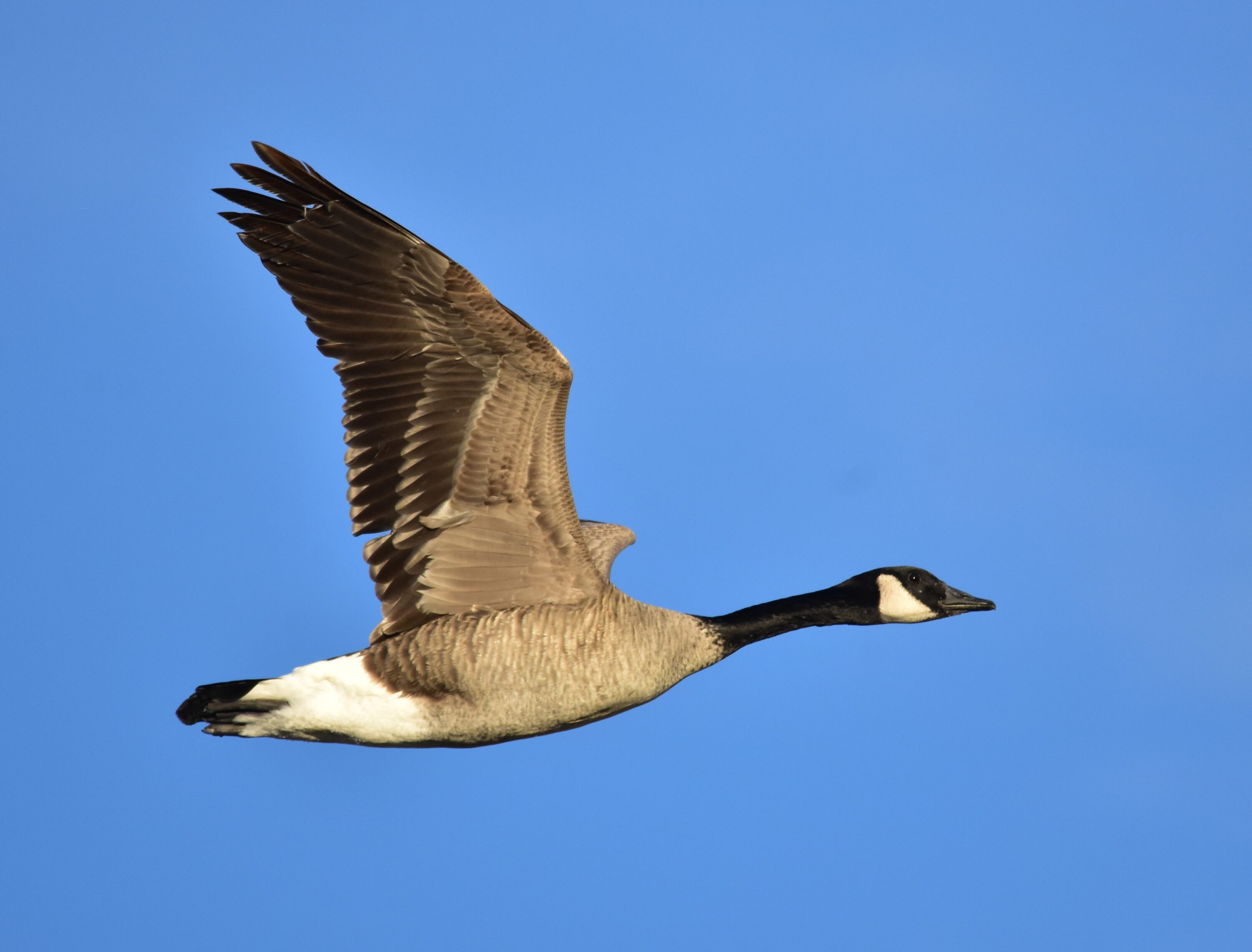
Canada goose (Branta canadensis) populations showed markedly different regional patterns in the Canadian Wildlife Service’s latest national status report. The report, released online on 16 January 2026, treats subarctic- and temperate-breeding geese as separate management populations monitored by different surveys rather than as one national Canada goose population.
That distinction is essential for interpreting the figures. Some surveys estimate breeding pairs, while others estimate total geese, and the geographic units differ. The numbers therefore describe separate monitored populations and should not be added together into a single Canada-wide total.
Subarctic populations ranged from above recent averages to well below them
The North Atlantic Population was estimated at 57,400 breeding pairs in 2025, slightly above its ten-year average, with no clear long-term or five-year trend.
The Atlantic Population had grown over the longer term on the Ungava Peninsula but showed no clear change over the latest five years. Its 2025 estimate of 150,000 breeding pairs remained below the management objective of 225,000. The Québec boreal component was above its ten-year average but also showed no clear recent trend.
The Southern Hudson Bay Population was estimated at 65,000 geese in 2025, 26% below its ten-year average of 88,100. Unlike the pair-based estimates above, this figure is an abundance estimate of geese from a separate aerial survey, so it is not directly interchangeable with breeding-pair counts.
Prairie Parklands showed the clearest recent decline
Temperate-breeding geese in southern Québec and southern Ontario were both above their ten-year averages in 2025. Both populations had grown over their longer survey periods, but neither showed a clear change over the latest five years.
The Prairie Parklands showed the clearest recent decline. The 2025 estimate was 893,000 Canada geese, 20% below the ten-year average of 1.11 million. The population had grown strongly since 1970 but declined over the latest five years, combining long-term expansion with a recent reversal rather than a long-term collapse.
On the British Columbia Plateau, the 2025 estimate was 28,900 breeding pairs, close to the ten-year average. The population showed no clear trend either since 2006 or over the latest five years.
There is no single 2025 trend for Canada geese in Canada
The regional results show why the species cannot be summarised with one national direction of change. Some monitored populations were above recent averages or had grown over the long term, while the Prairie Parklands had declined recently and Southern Hudson Bay was well below its ten-year average.
Environment and Climate Change Canada uses these population-specific assessments when reviewing migratory-bird management and hunting regulations. For biological interpretation, the key point is not the sum of the regional estimates, but the contrast among populations that breed in different parts of Canada and are followed with different survey designs.
Population & status
Related news
Seven overlaps linked wild-bird H5 clusters with poultry outbreaks in the US
Across seven periods between 2022 and 2025, clusters of H5 detections in wild waterfowl overlapped in time and…
Read story →
Adult Canada Geese Became Less Likely to Be Harvested Despite More Liberal Hunting Rules in Arkansas
From 2005 to 2020, estimated adult harvest probability declined while adult survival increased among Canada geese breeding in…
Read story →
Quebec Restored the Combined Daily Limit for Canada and Cackling Geese From Three to Five
Federal rules published on 1 July 2026 removed a temporary restriction in Quebec hunting districts A, C, D…
Read story →SPECIES IN THIS STORY