
Annual Human Injuries and Deaths From Tiger Attacks Rose From 4.6 to 11.4 Around Chitwan–Parsa
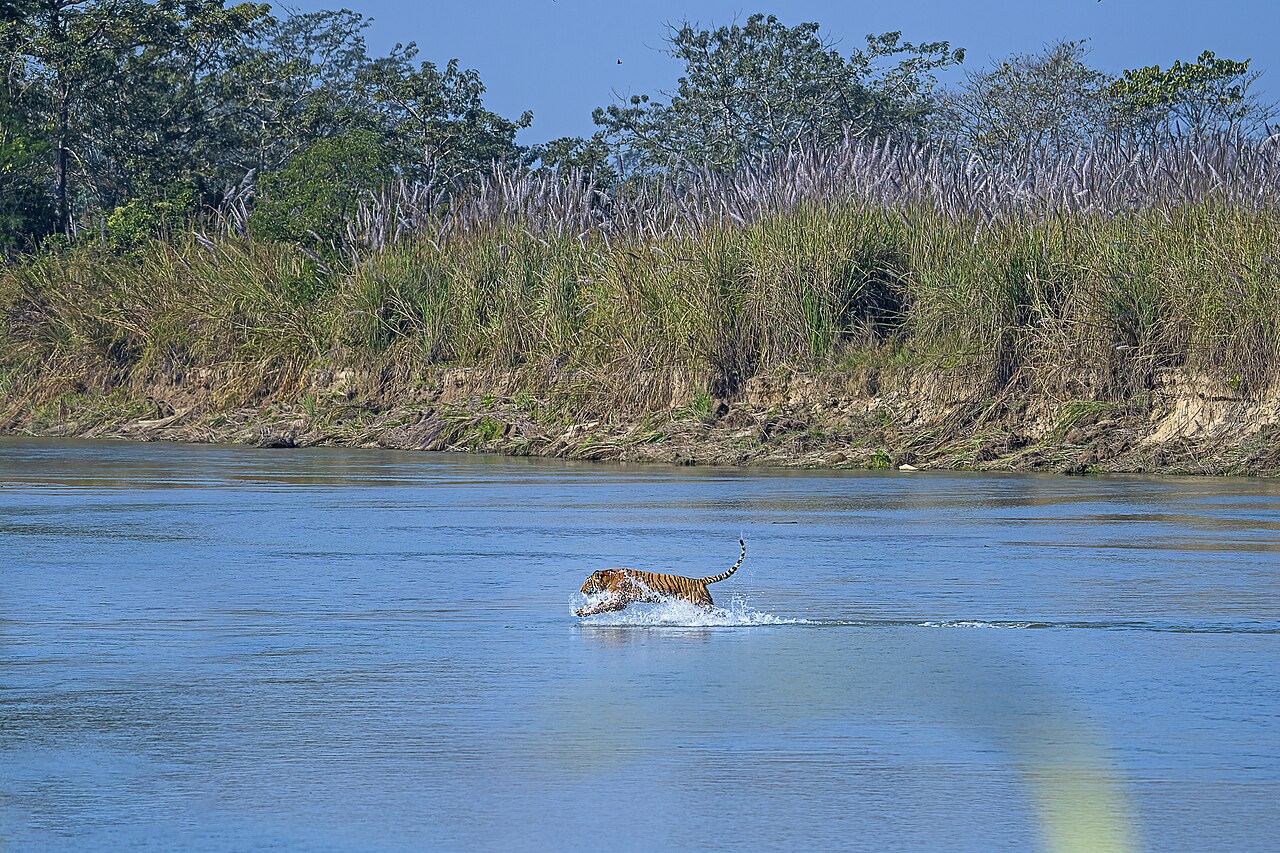
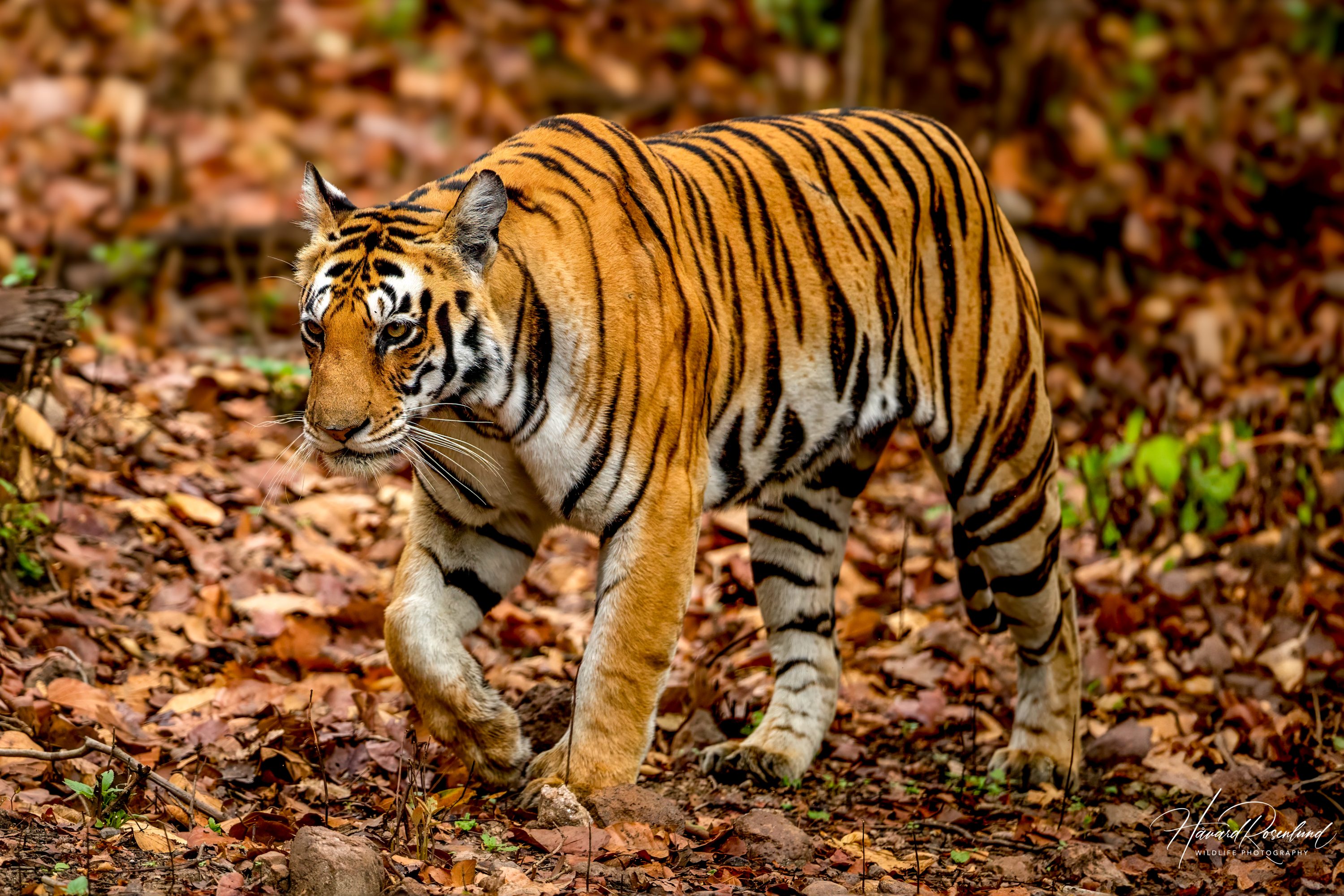
A ten-year study of human–tiger conflict around Chitwan and Parsa National Parks in Nepal recorded 80 human injuries and deaths from attacks by tiger (Panthera tigris) between 2014/15 and 2023/24. Published in Ecology and Evolution on 15 July 2026, the study examined changes through time, where incidents were concentrated, circumstances surrounding attacks and which mitigation measures local communities preferred.
The researchers used official records together with semi-structured interviews with survivors or household representatives. These interviews followed a common incident form but allowed follow-up questions when relevant. Information about the attacking tiger’s age class or injury status came from survivors, witnesses or capture teams when this was known, rather than from a standardised biological examination of every tiger. Fatalities and non-fatal injuries occurred in nearly equal proportions. More than three-quarters of the people attacked were men, which the authors mainly link to greater male participation in forest-related activities such as collecting resources, herding livestock and responding to conflict situations.
Recorded casualties increased and clustered in hotspots
Recorded casualties increased during the decade. The average annual number rose from 4.6 cases during 2014/15–2018/19 to 11.4 during 2019/20–2023/24. The researchers also found a positive association between tiger population estimates and human casualties, but they explicitly describe this relationship as associative rather than causal because settlement expansion, dependence on forest resources and growth in buffer-zone populations may also contribute.
Most recorded incidents occurred in the buffer zone of Chitwan National Park. Hotspot mapping identified Budhirapti Buffer Zone User Committee, Madi Valley and adjoining areas as major conflict zones. Incidents were more frequent during the monsoon and spring seasons, and people who entered tiger habitat alone were more vulnerable than those travelling in groups.
According to the study, most attacks involved older, injured or subadult tigers. The researchers also examined local views on ways to reduce conflict. Awareness and training ranked as the most preferred measures, while communities generally retained positive attitudes towards tiger conservation despite the risks.
The authors recommend focusing mitigation on known hotspots and on people whose daily activities bring them into forests. Their proposed measures include awareness and training, stronger physical barriers, management of individual problem tigers and further testing of rear-facing masks—masks worn on the back of the head to make a tiger approaching from behind appear to have been seen—as a possible deterrent. The study presents these measures as ways to improve human safety while maintaining support for tiger conservation in a landscape where both tiger numbers and human use of surrounding forests have increased.
Human–wildlife conflict
Related news
Falling Tungabhadra Water Levels Brought Mugger Crocodiles Onto Riverbanks in Kurnool
Receding water in the Tungabhadra brought mugger crocodiles onto exposed banks in Kurnool, where one was attacked by…
Read story →
Farmer Survey Estimated Annual Nilgai Crop Destruction Near Junagadh at 63%
A farmer survey across eight villages near Junagadh estimated annual nilgai crop destruction at 63%, with groundnut particularly…
Read story →
Tiger Recovery Was Not Consistently Linked to More Human–Tiger Conflict
A 2010–2025 synthesis from ten tiger range countries found no consistent relationship between tiger population size and total…
Read story →SPECIES IN THIS STORY
Species in this story
Independent research and conservation news archive
Did you find this information useful?
Wildlife Vagabond is independently built and maintained. Voluntary support helps cover source verification, hosting and continued work on research and conservation news.
Support Wildlife VagabondThe news archive will remain freely available.