
A lion liver protein was a poor hepatitis B virus receptor—and a less efficient bile-acid transporter
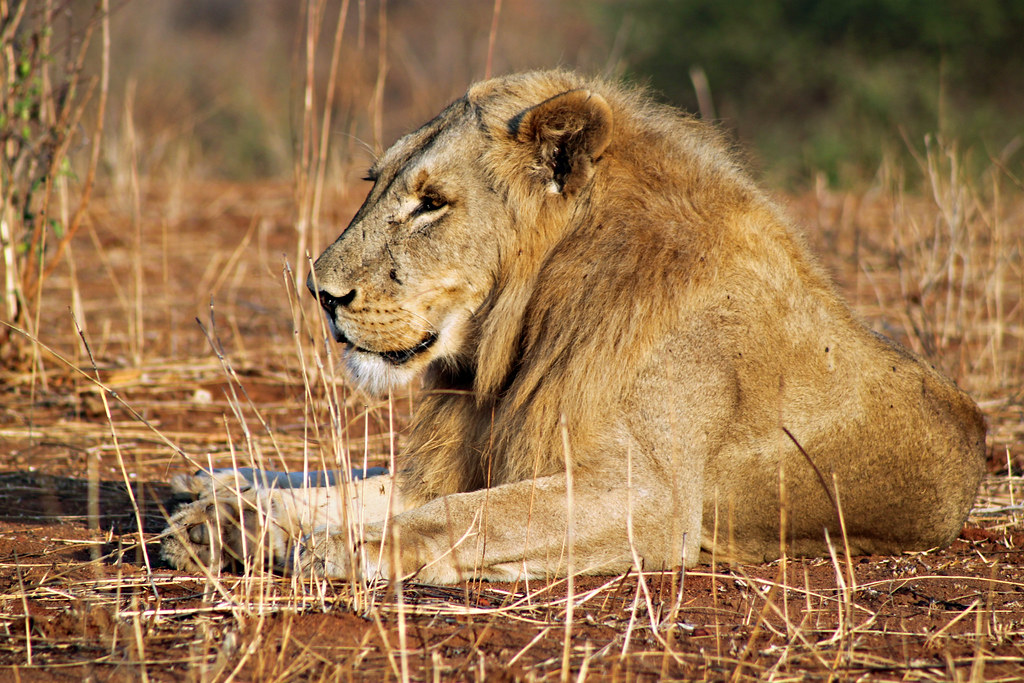
A protein in liver cells has two roles: it transports bile acids and can serve as a receptor for hepatitis B virus (HBV). A bioRxiv preprint posted on 11 November 2026 reports that this protein, called sodium taurocholate cotransporting polypeptide (NTCP), differs in function among feline species.
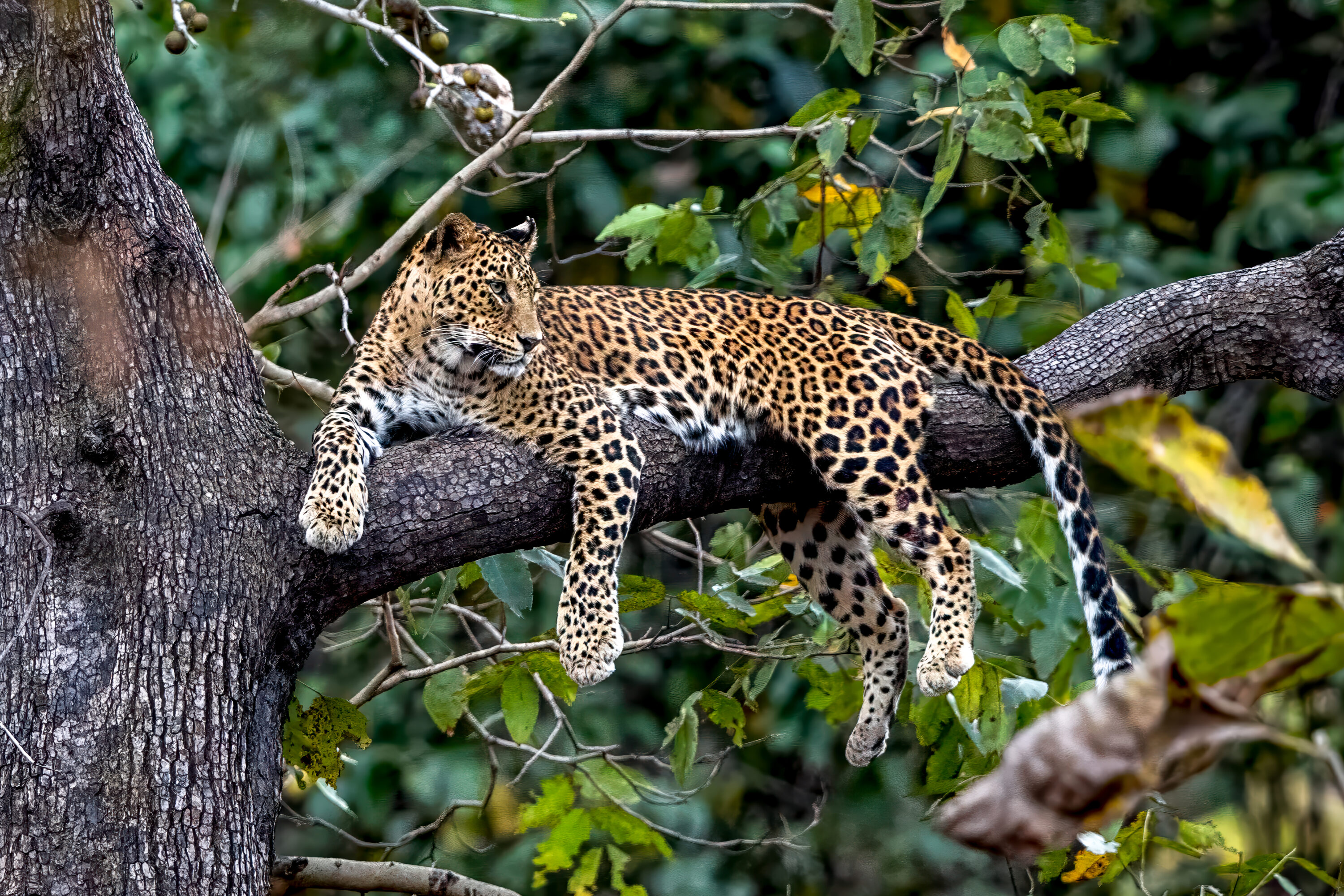
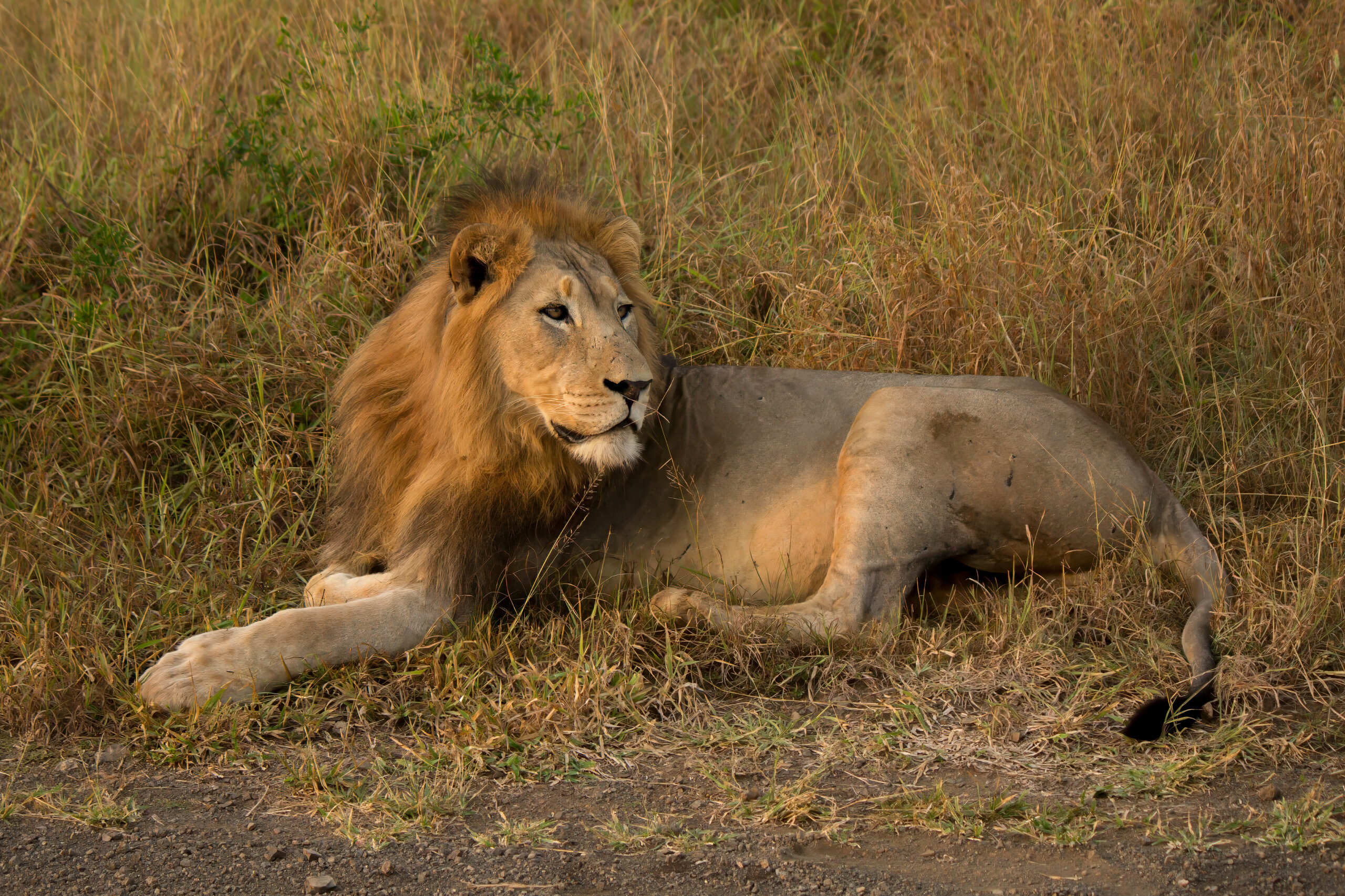
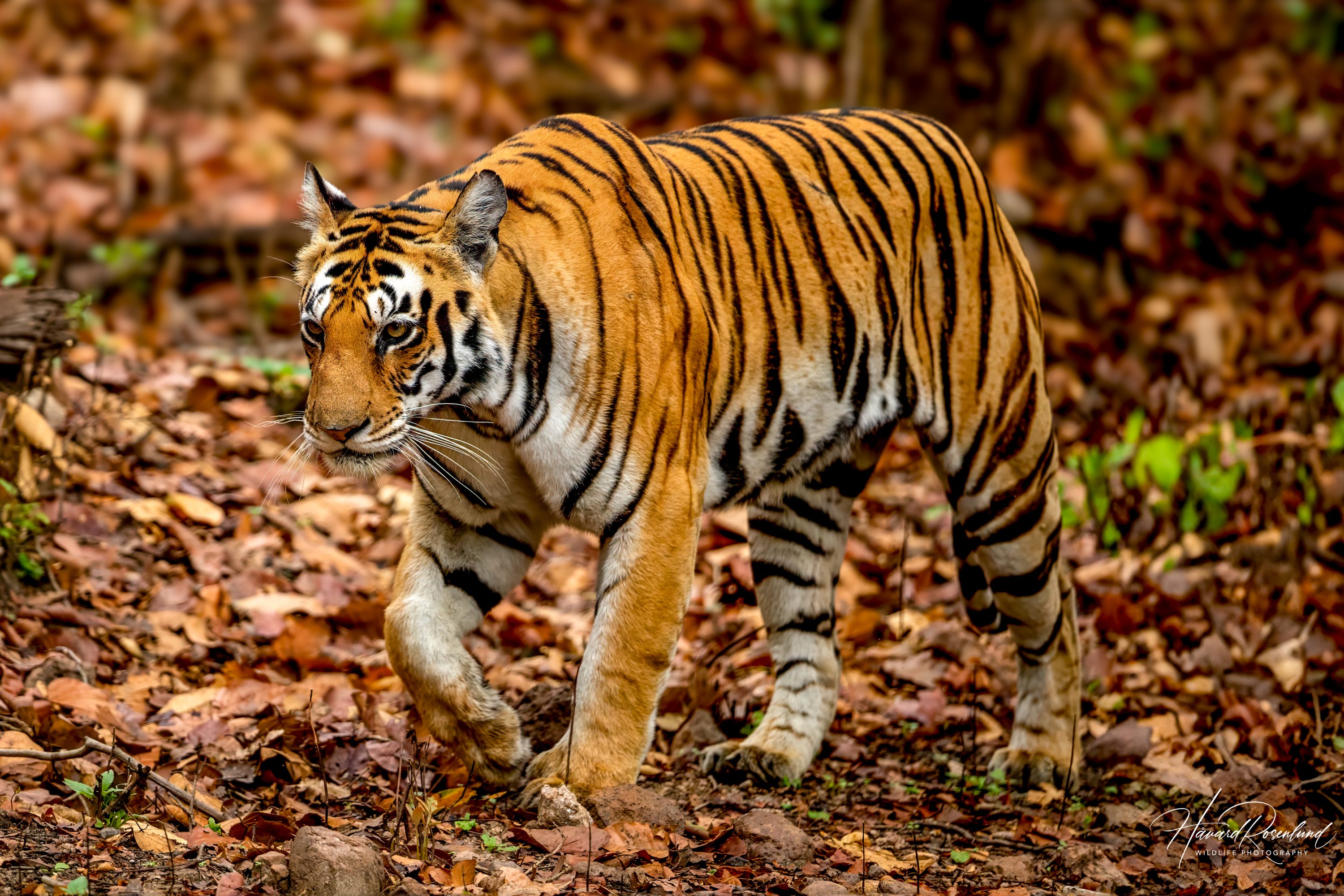
The researchers profiled NTCP proteins from 23 mammal species. NTCP from cats, tigers (Panthera tigris) and leopards (Panthera pardus) supported binding by preS1, a part of HBV’s surface protein that binds the receptor, and supported HBV infection in the reported tests. Lion (Panthera leo) NTCP did not support preS1 binding, and its bile-acid transport was markedly reduced. The researchers also demonstrated productive infection in primary cat hepatocytes—liver cells isolated directly from cat liver tissue.
The researchers further reported that NTCP differences also affected host susceptibility to a second hepadnavirus associated with domestic cats. This was a separate virus-related finding; it does not establish natural infection by that virus in wild lions, tigers or leopards.
Two amino-acid substitutions changed receptor binding
To test whether differences in NTCP itself could explain the contrast, the researchers changed cat NTCP at two positions to the lion-type versions: G191R and T268A. These substitutions abolished preS1 binding. Making the reciprocal substitutions in lion NTCP restored receptor function in the reported tests. The results identify these two differences as key determinants of whether preS1 can bind the receptor.
The lion version’s loss of preS1 binding coincided with much less efficient bile-acid transport. NTCP is therefore not simply a viral doorway; it also performs an important transport function in liver cells. The results point to a possible trade-off between changes that limit viral receptor activity and the protein’s normal physiological role.
A proposed structural explanation
Molecular-dynamics simulations suggested that a change in the bending of a membrane-spanning helix in lion NTCP enlarges the channel that carries bile acids. In the simulations, this altered structure was incompatible with preS1 binding. This is a proposed explanation from simulations, not a mechanism demonstrated in living animals.
The findings connect specific differences in a receptor protein with both HBV binding and bile-acid transport. They offer a possible explanation for differences in HBV receptor compatibility among the tested felids.
Molecular biology & biochemistry
Related news
Human Pressures Had No Consistent Link to Tiger and Leopard Space Use
In Northeast China, modeled links between human pressures, prey use, and Amur tiger and leopard space use varied…
Read story →
Wild tiger and leopard populations more than double in China’s Northeast Tiger and Leopard National Park
A five-year account from China’s Northeast Tiger and Leopard National Park reports rising numbers of both big cats,…
Read story →
More Human Activity Linked to Tigers Becoming More Nocturnal and Leopards Shifting Their Core Areas
Camera traps at more than 300 sites in northeast China recorded tigers becoming more nocturnal at sites with…
Read story →SPECIES IN THIS STORY
Species in this story
Independent research and conservation news archive
Did you find this information useful?
Wildlife Vagabond is independently built and maintained. Voluntary support helps cover source verification, hosting and continued work on research and conservation news.
Support Wildlife VagabondThe news archive will remain freely available.