
Common Eider feathers were a poor guide to liver contaminant levels
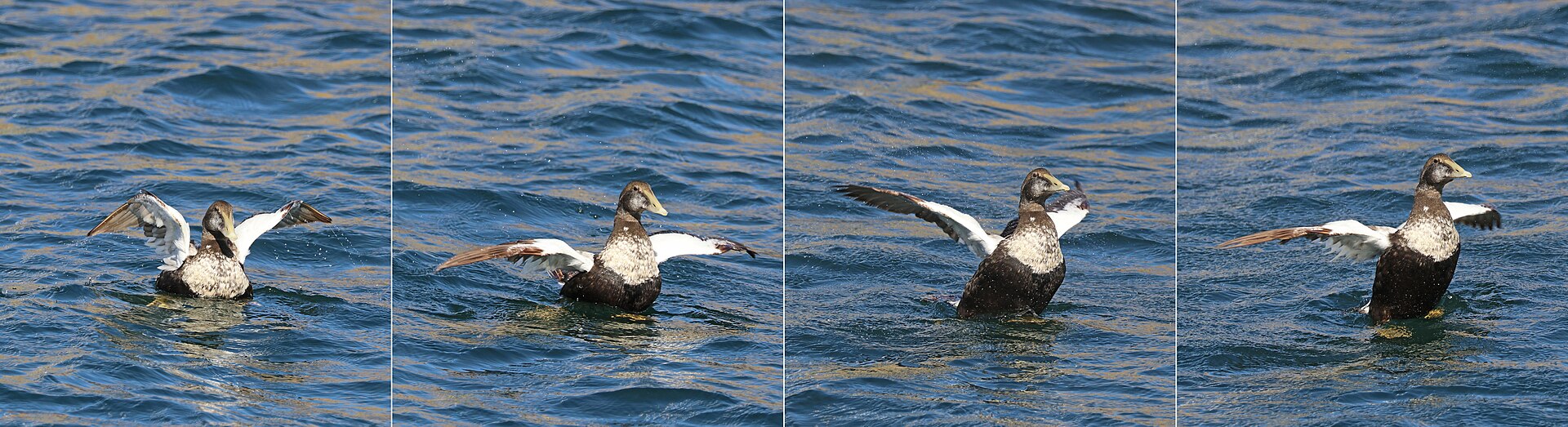
Feathers are easy to collect from living birds, while measuring elements in the liver requires an internal tissue sample. But do feathers provide a reliable picture of what is inside the bird? A study of wintering Common Eiders (Somateria mollissima) from Germany’s Baltic coast found that the answer depends on the element: feather and liver concentrations usually did not track one another.
The researchers compared feather and liver samples from the same 22 eiders, which had been caught as bycatch in Schleswig-Holstein between 2023 and 2025. Eiders feed on mussels and other bottom-dwelling invertebrates, linking them to the coastal marine food web. Across the 14 elements eligible for comparison, concentrations differed significantly between the two tissues for 13. Rare earth elements are a group of metals used in modern technologies, but they remain poorly understood in marine wildlife. Lanthanum, cerium and neodymium were significantly more concentrated in feathers than in liver. Their concentrations in feathers also formed a coherent cluster, tending to rise together.
Copper was the exception. After accounting for the multiple elements tested, it was the only one with a significant relationship between its concentration in feathers and in liver. A feather measurement therefore did not generally indicate how much of the measured elements was present in the bird’s liver.
The two tissues can record different signals. The authors interpret liver concentrations as reflecting the bird’s internal element burden near the time it was recovered. A feather records elements incorporated while it grows, and mineral particles from the environment may also remain on its surface. The study cannot determine which pathway explains the higher rare earth element concentrations in feathers, or whether those elements came from natural or human sources. It is the first report of rare earth elements in Common Eiders from the Baltic Sea.
Feathers could make contaminant monitoring less invasive, but these results do not support treating them as a general substitute for liver samples. The difference between tissues—and the fact that only copper tracked between them—shows why a feather reading cannot automatically be interpreted as an internal burden. The authors conclude that feather monitoring needs further validation before feathers can be relied on to estimate internal element levels.
Ecology
Related news
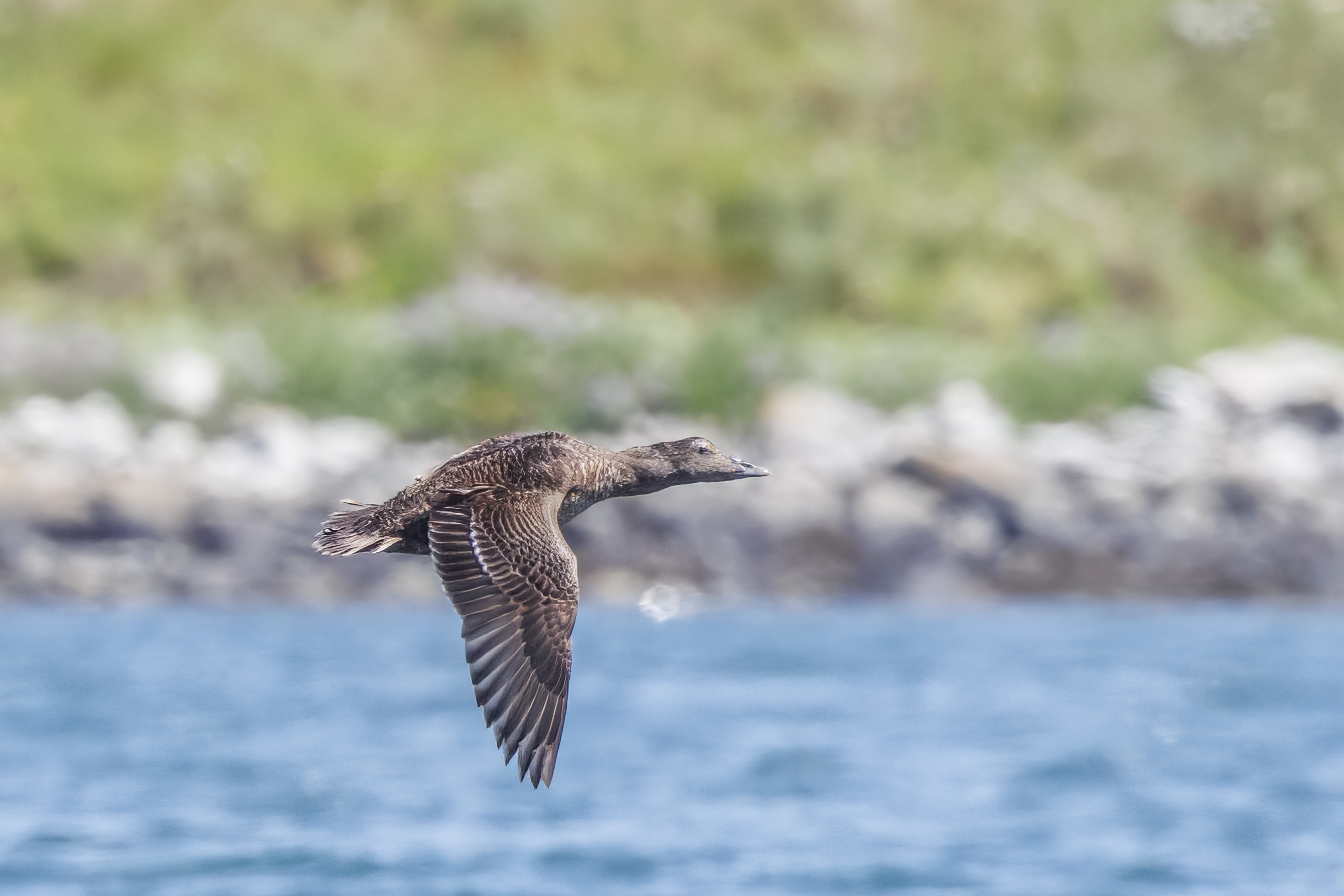
A tapeworm’s life cycle links Arctic sea ducks and barnacles
DNA evidence connects larval Fimbriarioides intermedia in barnacles with adult worms in eiders. Samples from four northern seas…
Read story →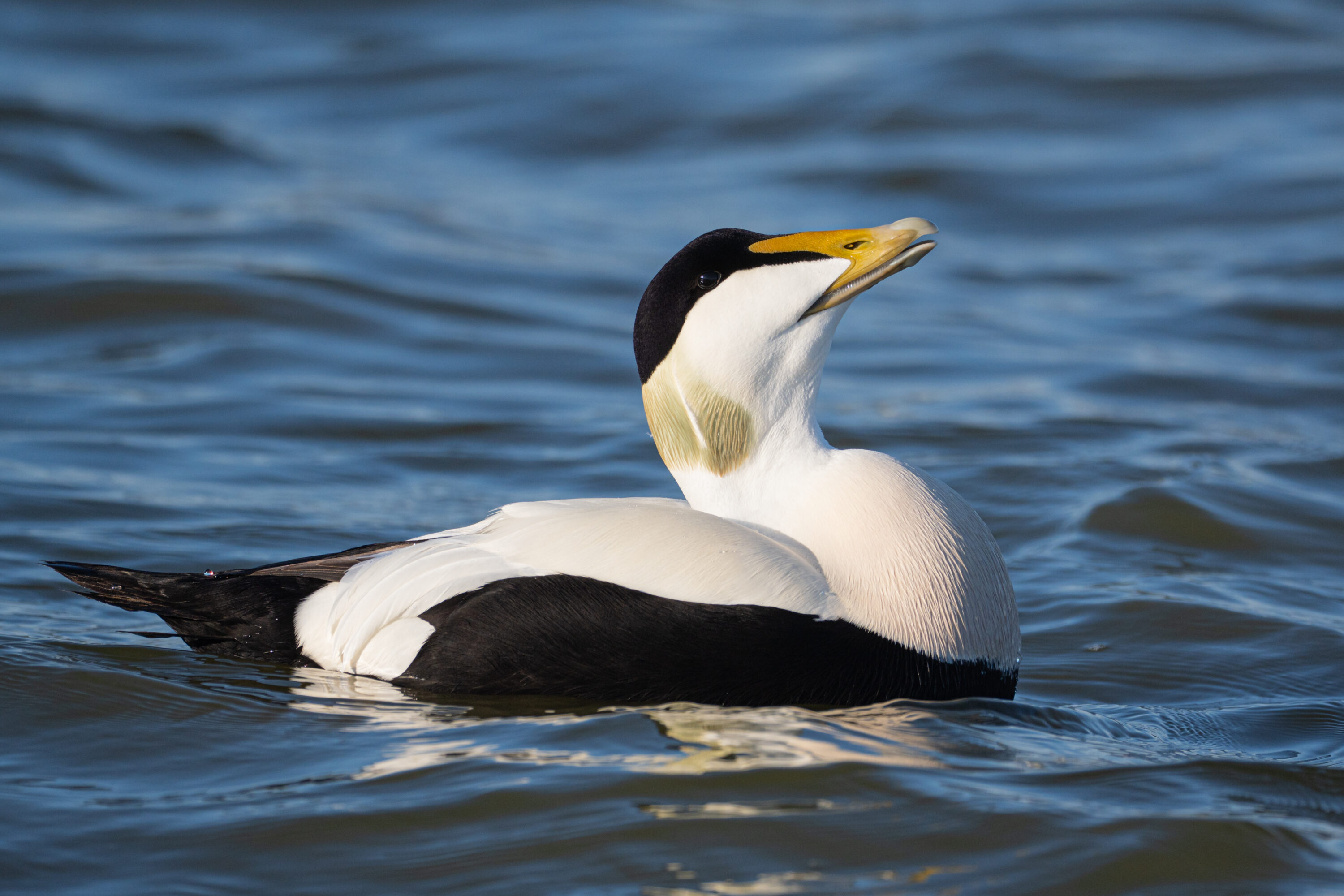
Colour-Banded Eider Linked Nunavut and Iceland More Than 2,800 Kilometres Apart
A male northern common eider banded on East Bay Island, Nunavut, in 2023 was filmed in western Iceland…
Read story →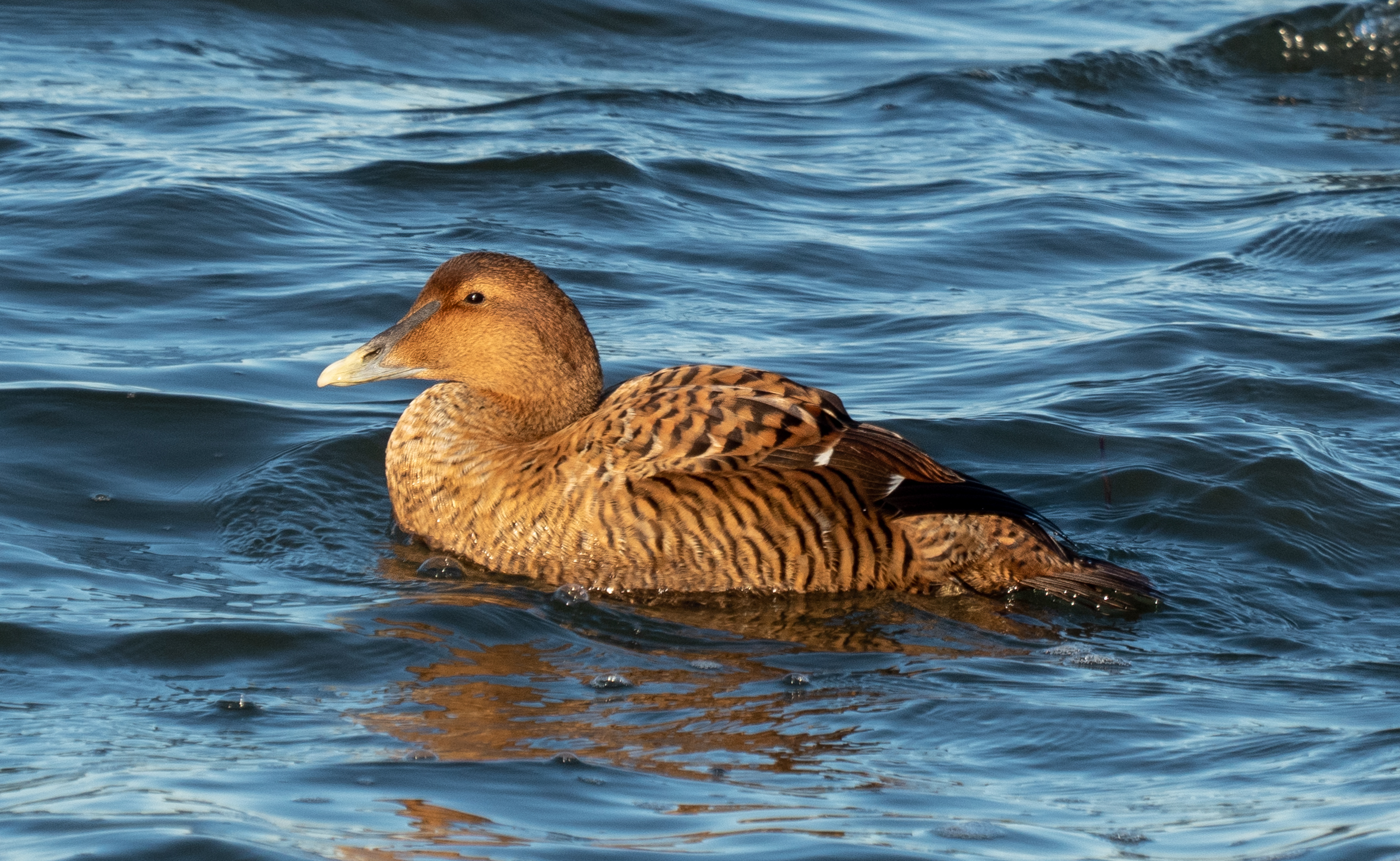
Only About Half of American Common Eider Females Were Estimated to Breed in a Given Year
Satellite tracking of 123 females across Maine and eastern Canada estimated overall breeding propensity at 53%, while regional…
Read story →SPECIES IN THIS STORY
Species in this story

Independent research and conservation news archive
Did you find this information useful?
Wildlife Vagabond is independently built and maintained. Voluntary support helps cover source verification, hosting and continued work on research and conservation news.
Support Wildlife VagabondThe news archive will remain freely available.