
Common Mynas Initiated 86% of Aggressive Encounters Recorded in Pretoria
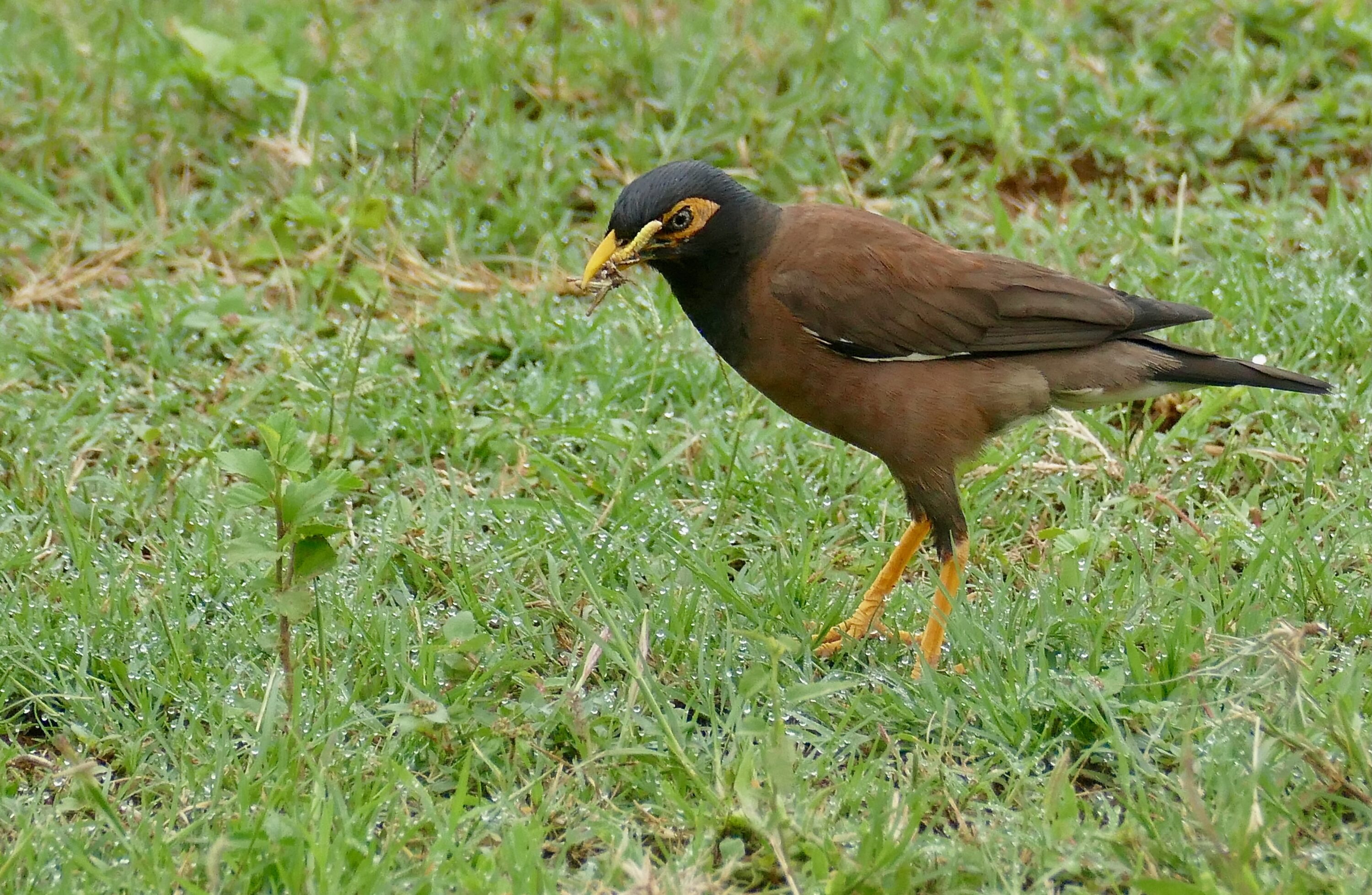
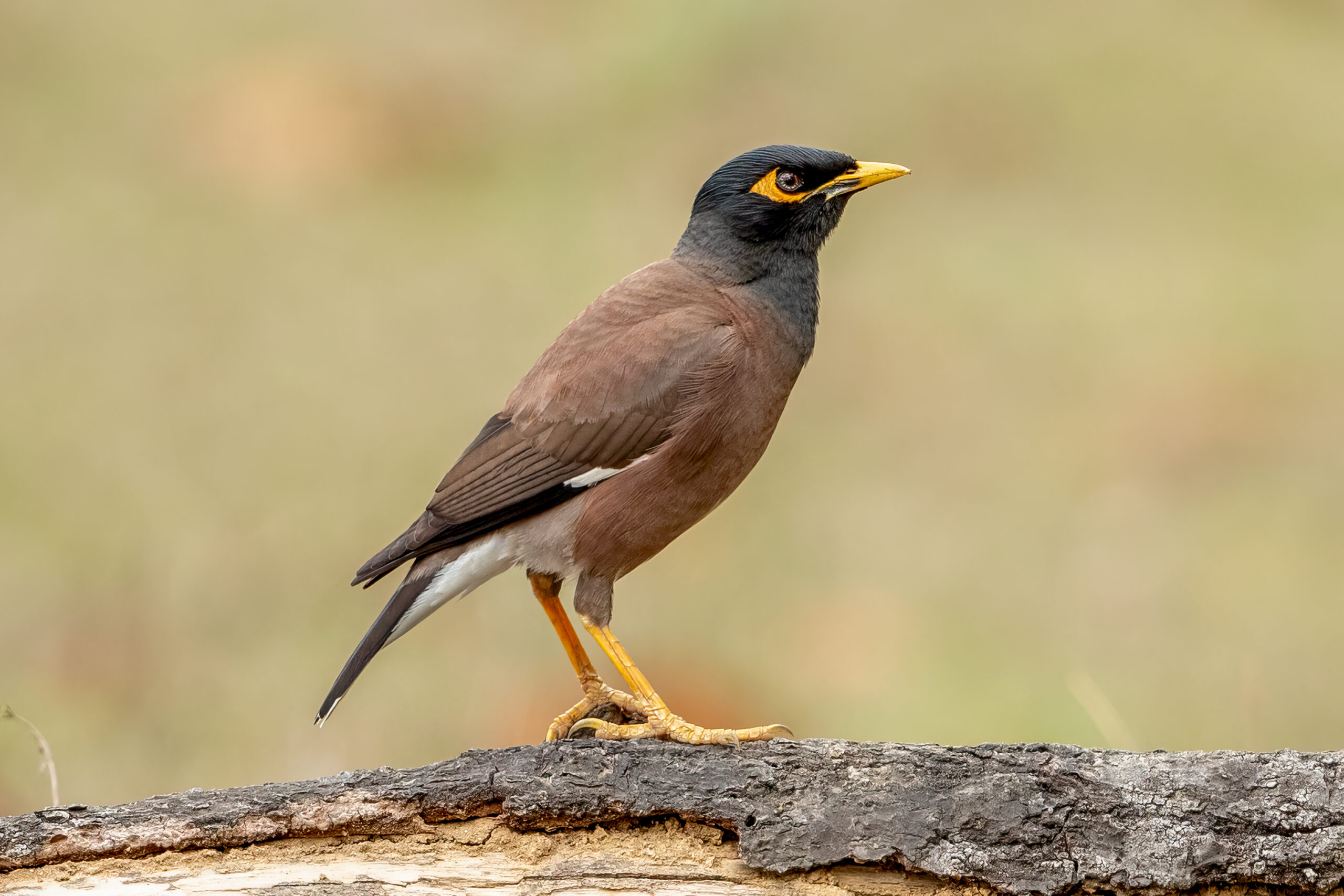
A study of urban birds in Pretoria, South Africa, found that invasive common mynas (Acridotheres tristis) initiated most of the aggressive encounters with other species in which they were involved. The surveys recorded interactions with ring-necked doves (Streptopelia capicola), laughing doves (Spilopelia senegalensis), house sparrows (Passer domesticus), cape sparrows (Passer diffusus) and cape starlings (Lamprotornis nitens).
A transect is a predefined line or route used to survey an area systematically, with observations, signs or sampling points recorded along it.
Researchers conducted 90 standardised transect surveys at three suburban sites from April to August 2022, outside the main breeding season for many of the birds present.
Mynas initiated 86% of aggressive encounters
The researchers recorded 36 interspecific interactions involving common mynas. Twenty-six, or 72%, were aggressive, and mynas initiated 86% of those incidents.
In most aggressive encounters, the other bird fled. Cape starlings were the larger species reported to retaliate successfully. The observations therefore provide evidence for interference competition, in which mynas directly confronted other birds rather than merely sharing the same urban resources.
Displacement was a possible consequence, not a measured long-term effect
The authors suggest that repeated aggression may help common mynas displace other birds from feeding sites or nesting areas. The transect observations documented the encounters themselves, however, not whether other species were permanently excluded from those resources or declined in abundance.
The study therefore shows a strong asymmetry in the observed interactions: common mynas were usually the aggressors, and their opponents usually retreated. The authors argue that this direct competition should be considered when assessing the ecological effects of the invasive species in South African cities.
Behaviour
Related news
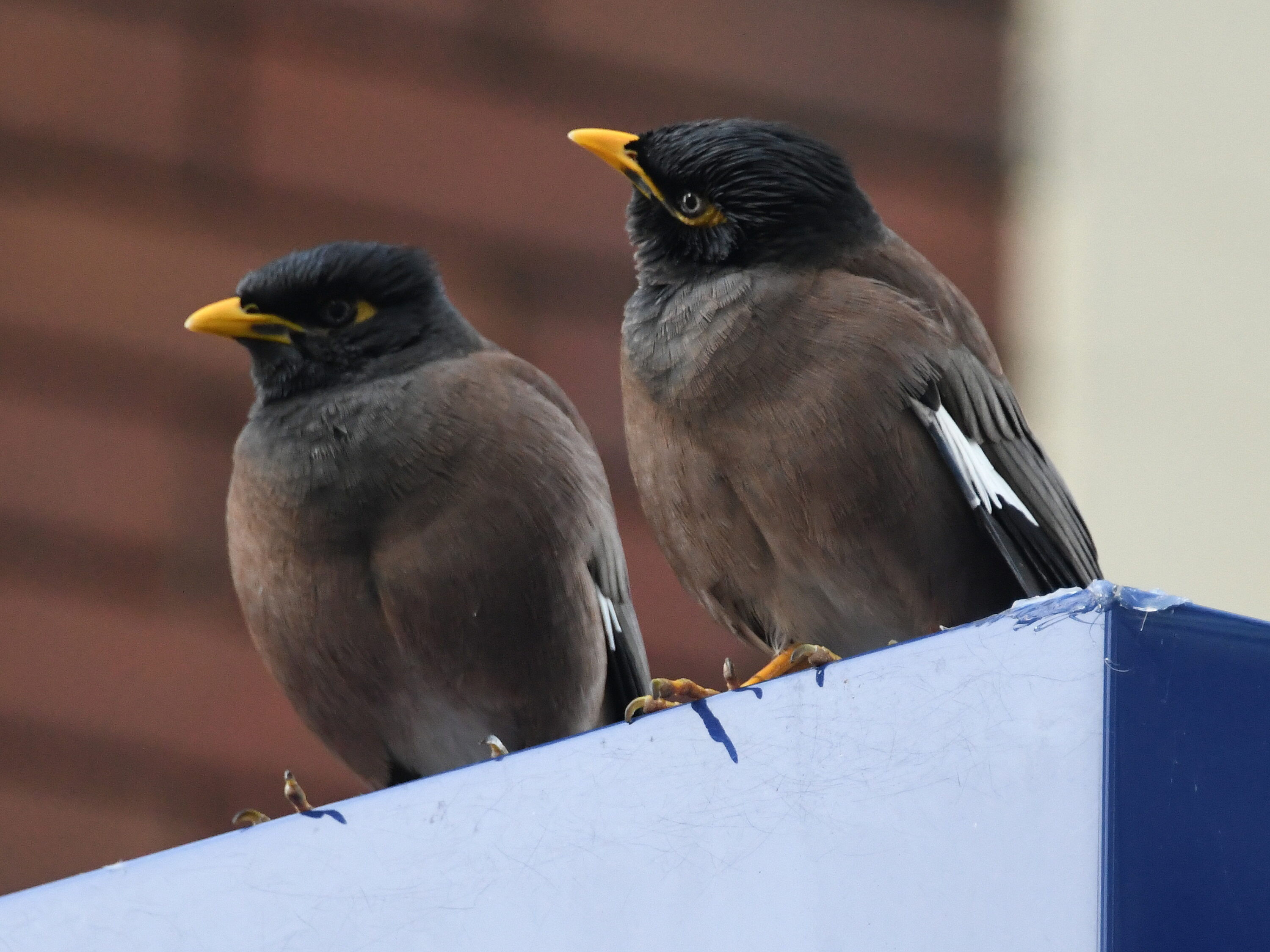
Rail Staff Say Two Common Mynas Regularly Ride Sydney Trains
Two common mynas were filmed sitting calmly inside a Sydney train, while a guard said staff know them…
Read story →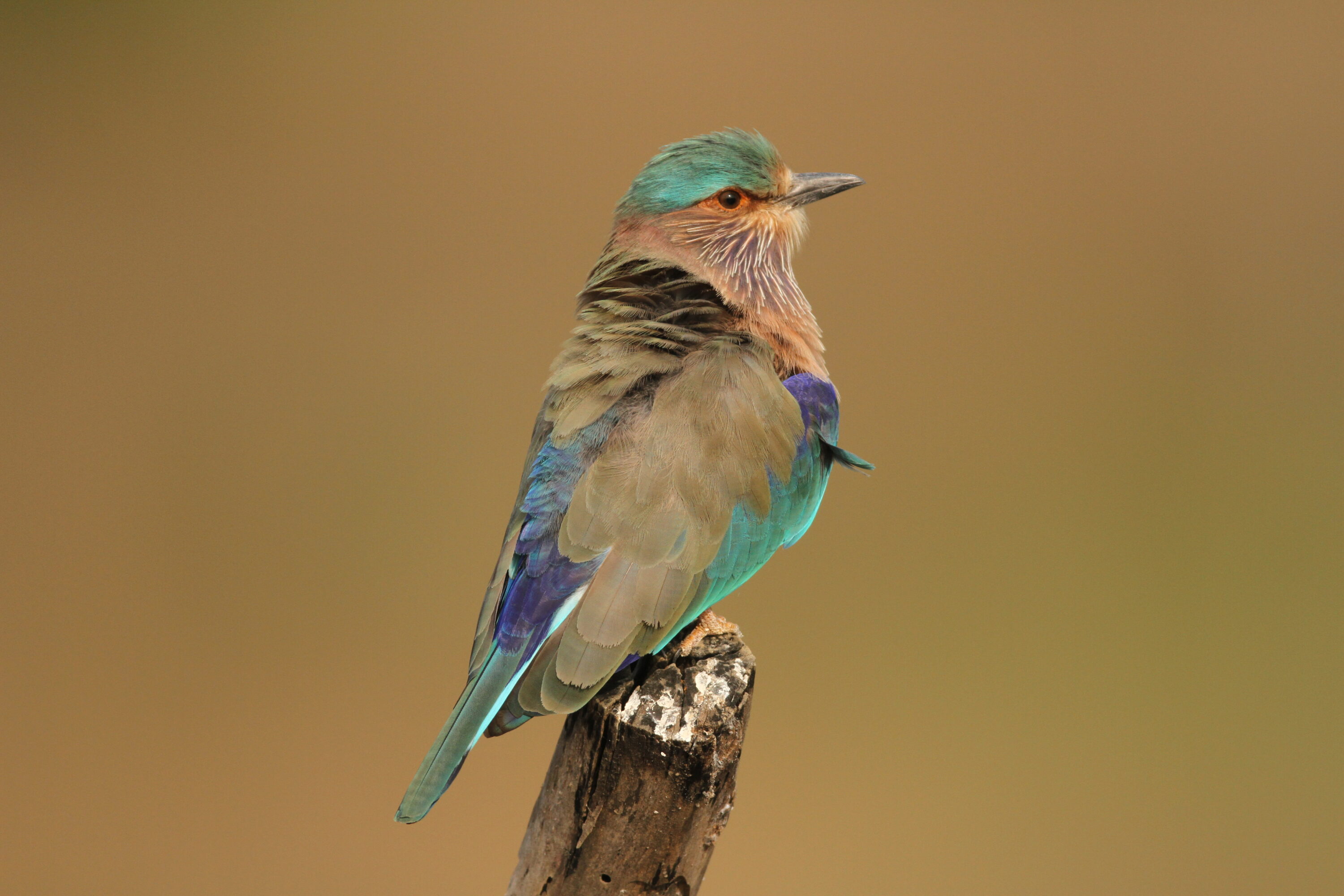
Six Cavity-Nesting Bird Species Bred Successfully in Artificial Nests in Punjab
Punjab Agricultural University reported successful breeding in artificial nests by six cavity-nesting species, including Indian roller, spotted owlet…
Read story →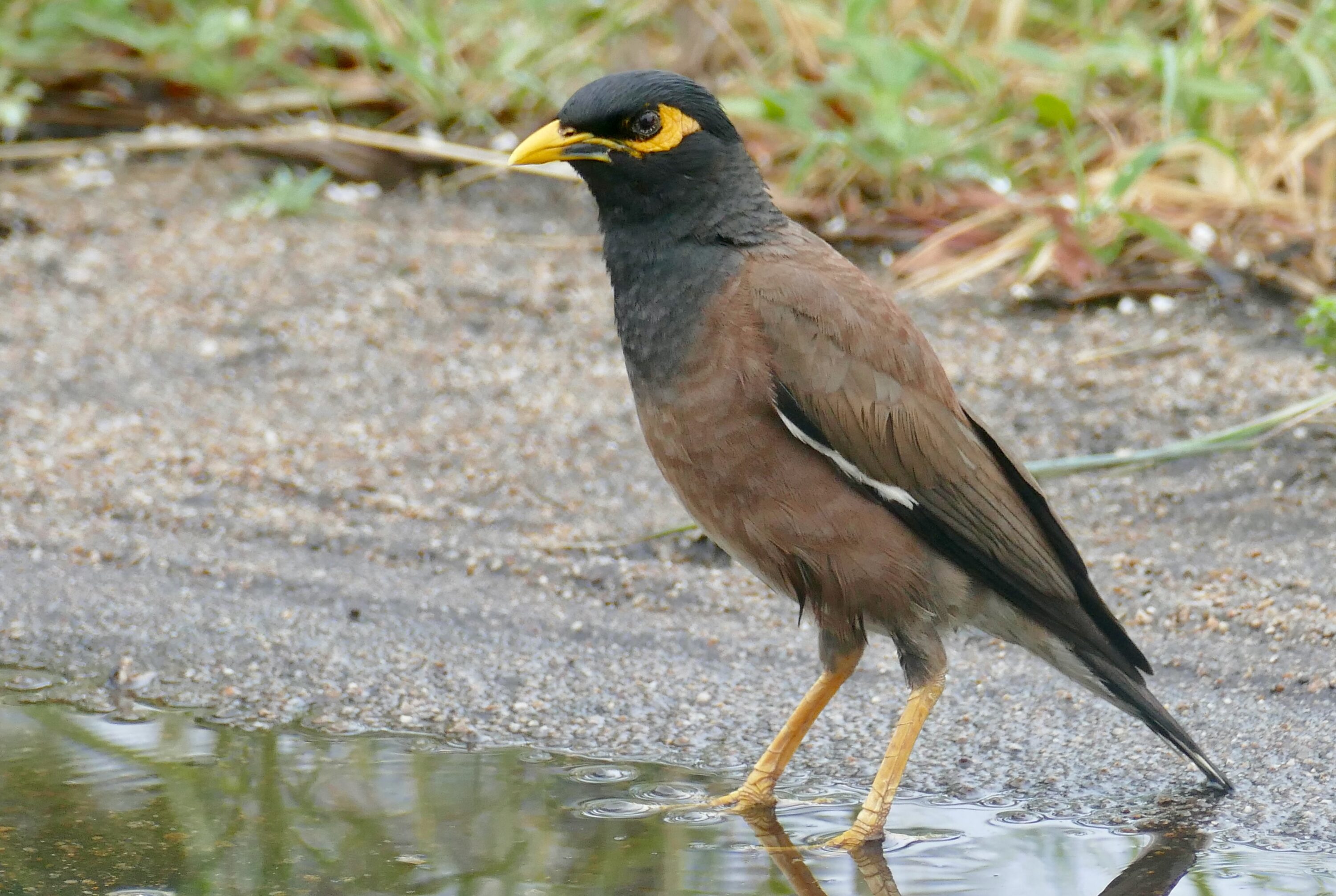
Qatar Captured 12,844 Invasive Common Mynas From January to July
Qatar reported 12,844 common mynas captured from January through July 2026, bringing the project total to 61,999. Control…
Read story →SPECIES IN THIS STORY
Species in this story
Independent research and conservation news archive
Did you find this information useful?
Wildlife Vagabond is independently built and maintained. Voluntary support helps cover source verification, hosting and continued work on research and conservation news.
Support Wildlife VagabondThe news archive will remain freely available.