
Common Terns Extended Foraging Trips by Up to 87% in Poor Prey and Productivity Years
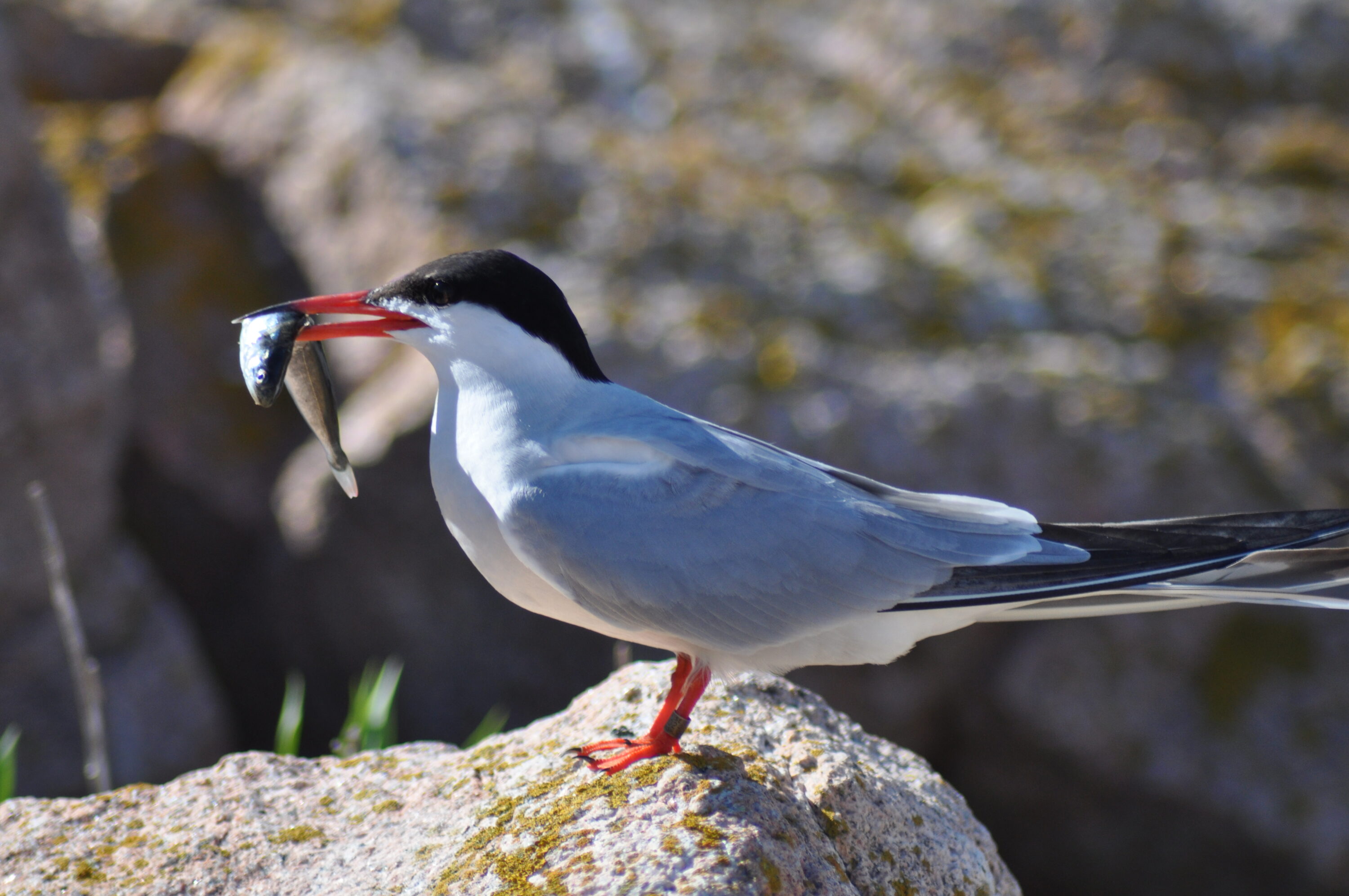
Common terns (Sterna hirundo) breeding in the Gulf of Maine, United States changed how far and how long they travelled for food between years with very different prey and reproductive conditions. In years when preferred fish were less common in chick meals and breeding productivity was lower, foraging trips lasted 23–87% longer and foraging ranges expanded by 17–51%.
The study, published on 15 July 2026, combined GPS tracking with observations of food brought to chicks and long-term reproductive monitoring on White and Seavey Islands off New Hampshire. The islands supported around 3,100–3,400 nesting pairs during the four study seasons from 2021 to 2024.
Good and poor years produced different movement patterns
In 2022 and 2024, provisioning of preferred prey such as herrings, hakes and sand lances was similar to or better than the 2011–2020 reference period. Clutch sizes and fledging rates were also comparatively good. During these years, the core feeding areas of breeding birds were concentrated around waters close to the colony and nearby river mouths.
Conditions were different in 2021 and 2023. Preferred prey provisioning declined, one-egg clutches and nests producing no fledglings became more common, and the researchers classified these as poor prey and productivity years. Terns then travelled for longer and used a much broader area. For chick-rearing birds, core and full foraging ranges expanded by roughly threefold, and some feeding areas lay more than 150 kilometres south of the colony.
Extra effort did not fully compensate for poorer feeding conditions
The authors interpret the enlarged feeding ranges as a flexible response to poorer local forage-fish conditions. Although local fish abundance was not measured directly, the study used chick diet and reproductive productivity as indicators supported by previous work from the Gulf of Maine.
Despite the additional travel, chick survival was lower in the poor years. The researchers conclude that greater movement effort can help common terns respond to changing prey conditions, but may not be sufficient to maintain chick diet and survival when preferred food is scarce.
The Gulf of Maine is warming rapidly and its forage-fish communities are changing. The study links those varying feeding conditions with changes in where breeding common terns search for food, how much effort they invest and how successfully their young survive. The authors argue that protecting important feeding areas may become increasingly important as prey distributions continue to shift.
Ecology
Related news
Common Tern Eggs Had More PCBs, HCB and Mercury Than Oystercatcher Eggs in 40-Year Wadden Sea Study
Monitoring from 1981–2023 found higher PCB, HCB and mercury levels in common tern eggs than in Eurasian oystercatcher…
Read story →
DNA in Common Tern Chick Droppings Closely Matched the Fish Adults Delivered
Across three breeding seasons, the proportion of dietary DNA reads assigned to each prey type closely matched the…
Read story →
H5N1 Outbreak Killed at Least 8,137 Black-headed Gulls and 614 Common Terns in Germany
A 2026 reconstruction of Germany's 2023 H5N1 outbreak documented at least 8,137 dead adult black-headed gulls and 614…
Read story →SPECIES IN THIS STORY
Species in this story

Independent research and conservation news archive
Did you find this information useful?
Wildlife Vagabond is independently built and maintained. Voluntary support helps cover source verification, hosting and continued work on research and conservation news.
Support Wildlife VagabondThe news archive will remain freely available.