
Could wild boar help keep a tick-borne bacterium circulating in Sweden?
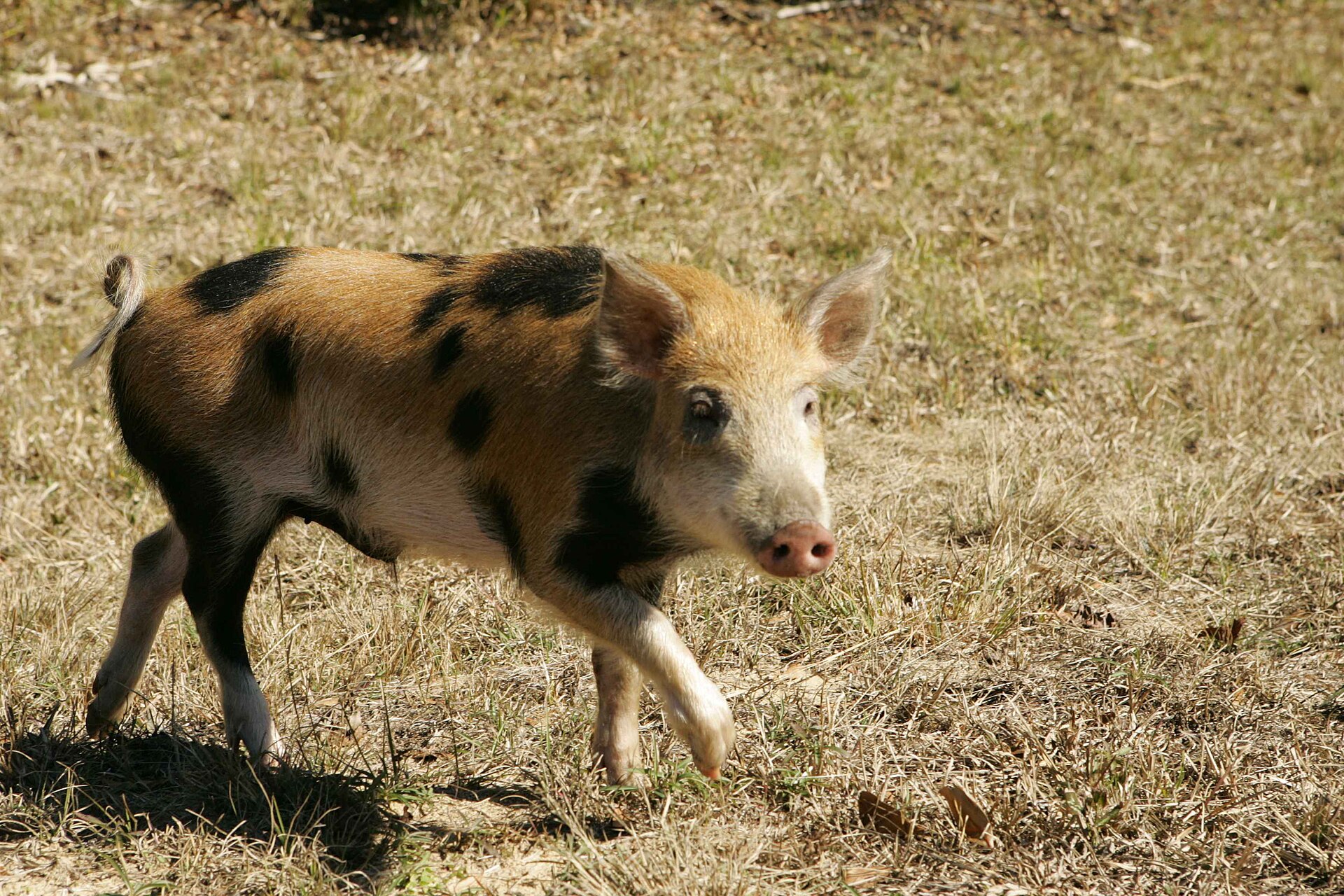
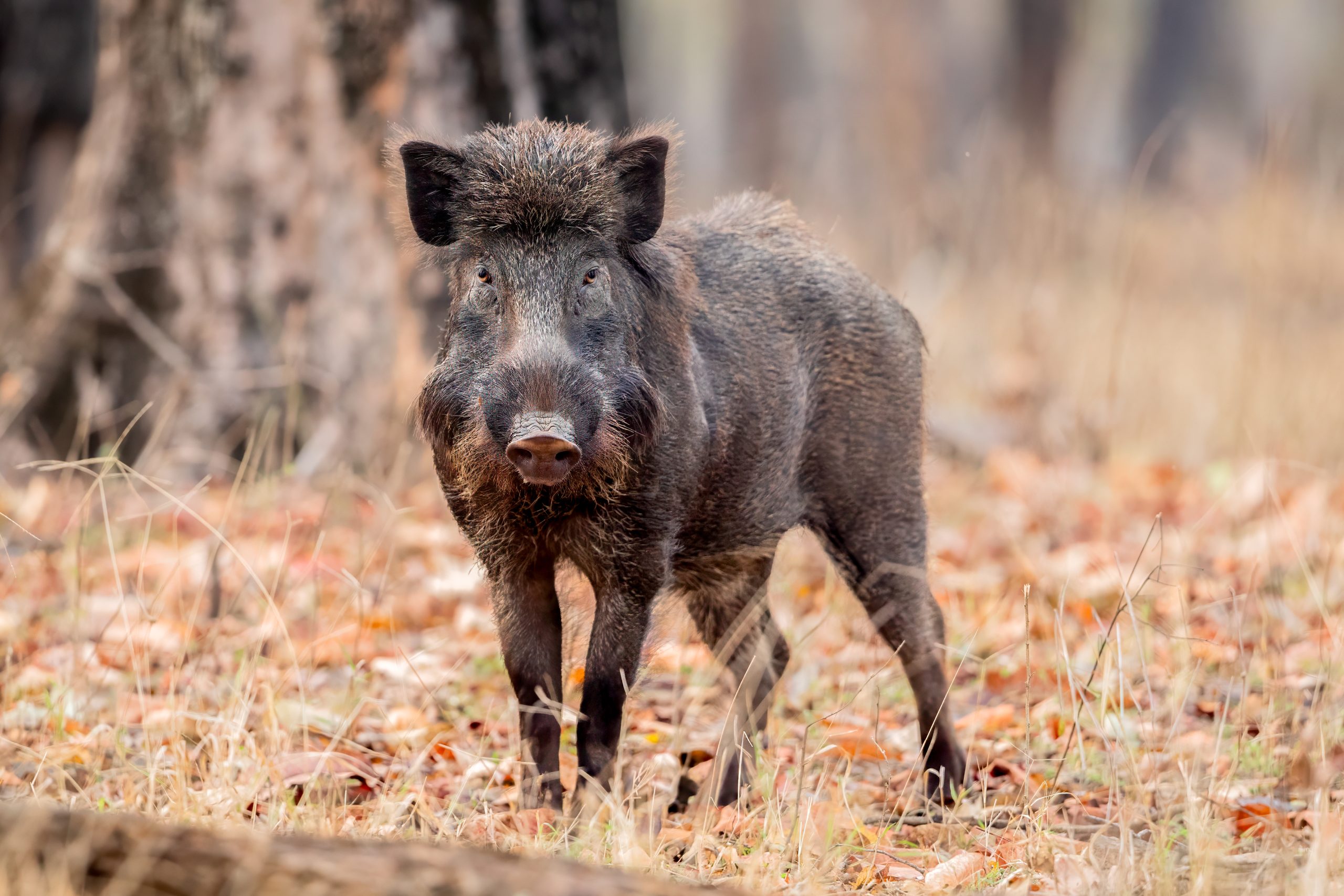
Neoehrlichia mikurensis is a tick-borne bacterium detected in ticks across Europe. Small rodents are known hosts, but the role of larger mammals in its transmission cycle is less clear. Researchers tested whether wild boar (Sus scrofa) might host the bacterium and help it persist in nature. They analysed spleen samples from 87 wild boar collected in southern and central Sweden between 2023 and 2025, in regions where the bacterium is known to be prevalent in ticks.
No bacterial DNA was detected in any of the samples. This suggests that wild boar may play only a limited role in maintaining N. mikurensis in Sweden. Because the study tested spleen samples, rare or short-lived infections cannot be ruled out.
Disease, parasites & microbiology
Related news
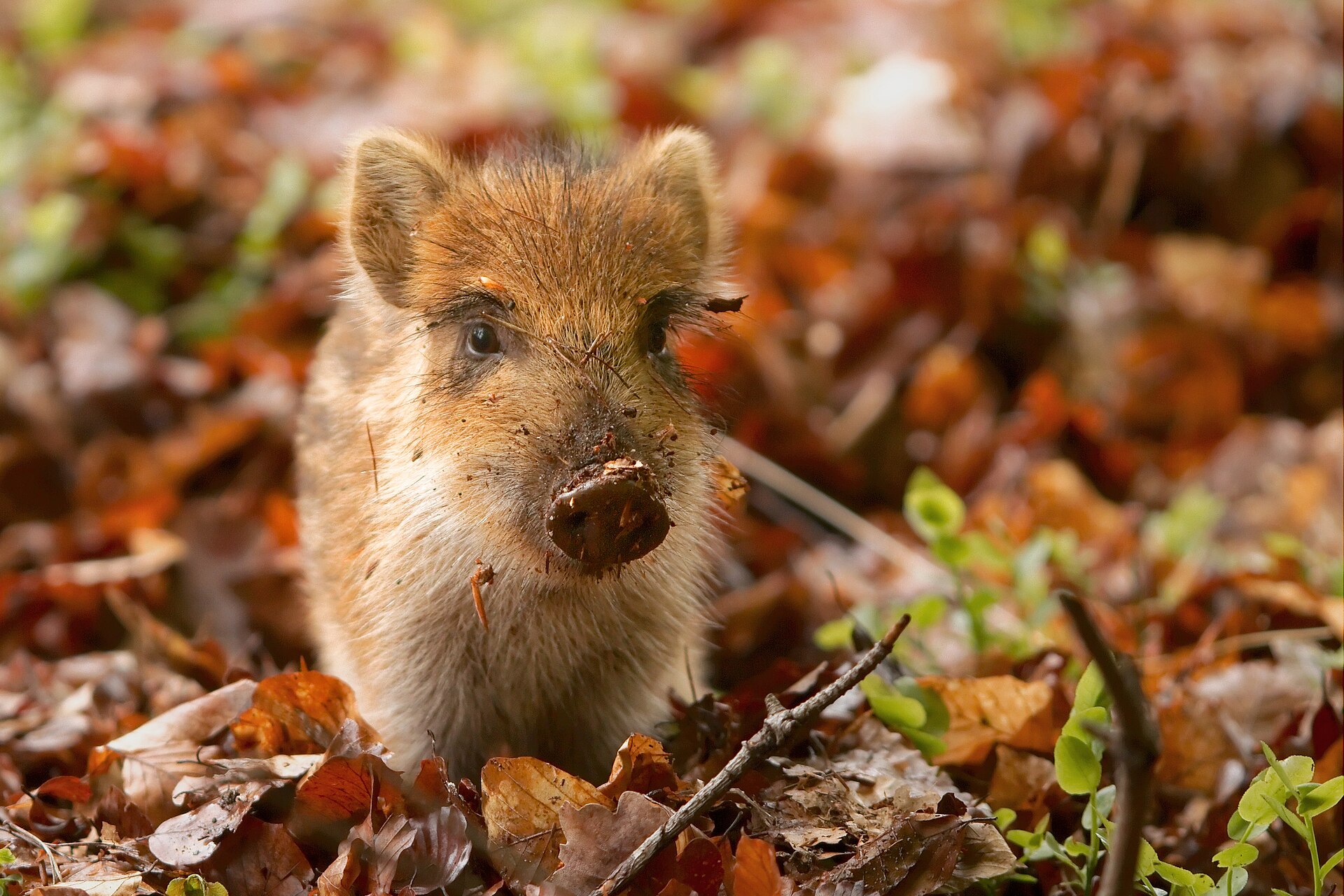
Roundworm infection in a wild boar was linked to lesions in several organs
A postmortem examination of a female wild boar in Tamil Nadu, India, found four Ascaris suum roundworms and…
Read story →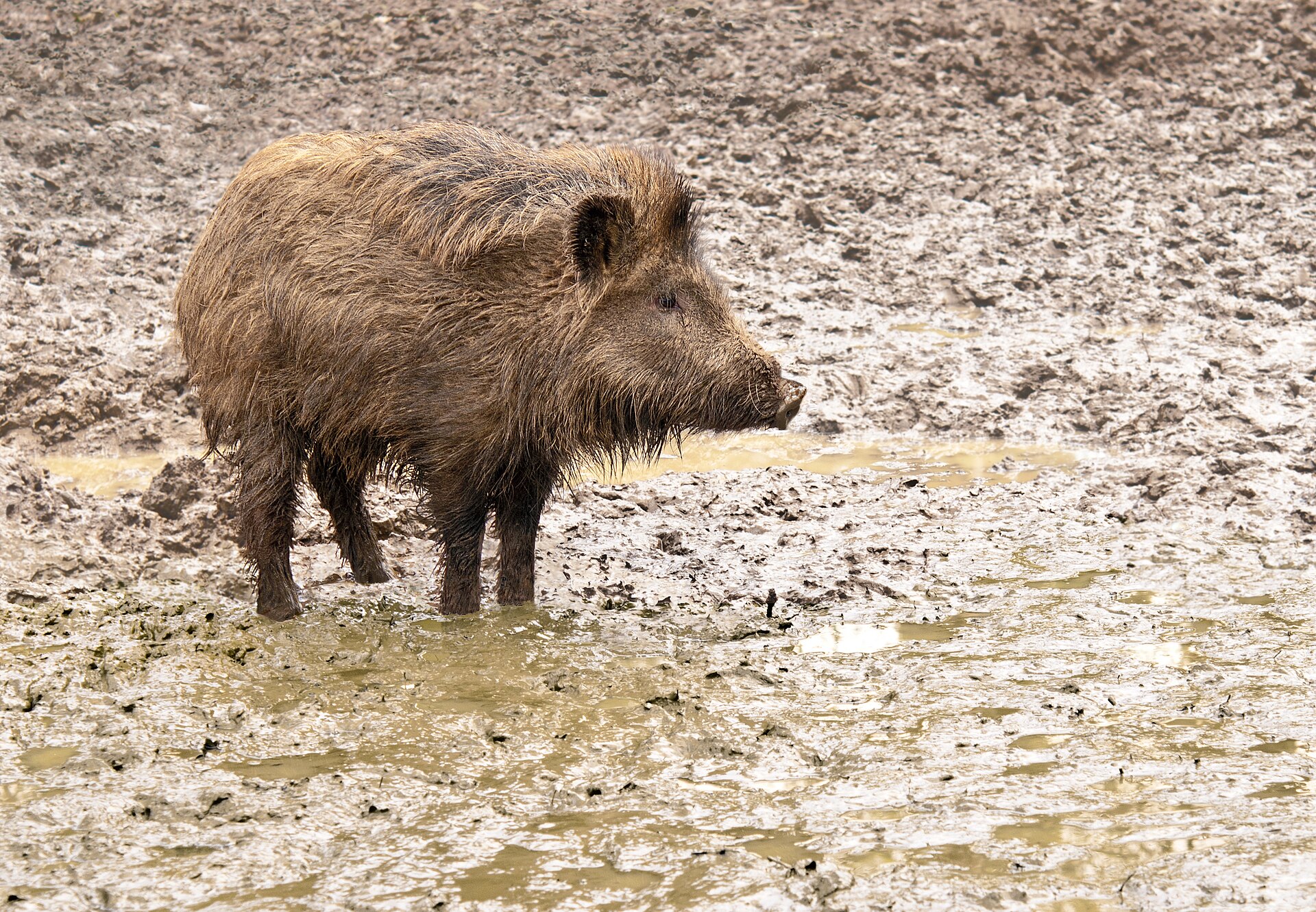
Wild boar choose different tree-rubbing sites as seasons change
Monthly surveys along ten transects in a Mediterranean agroforestry system found that wild boar used tree-rubbing sites differently…
Read story →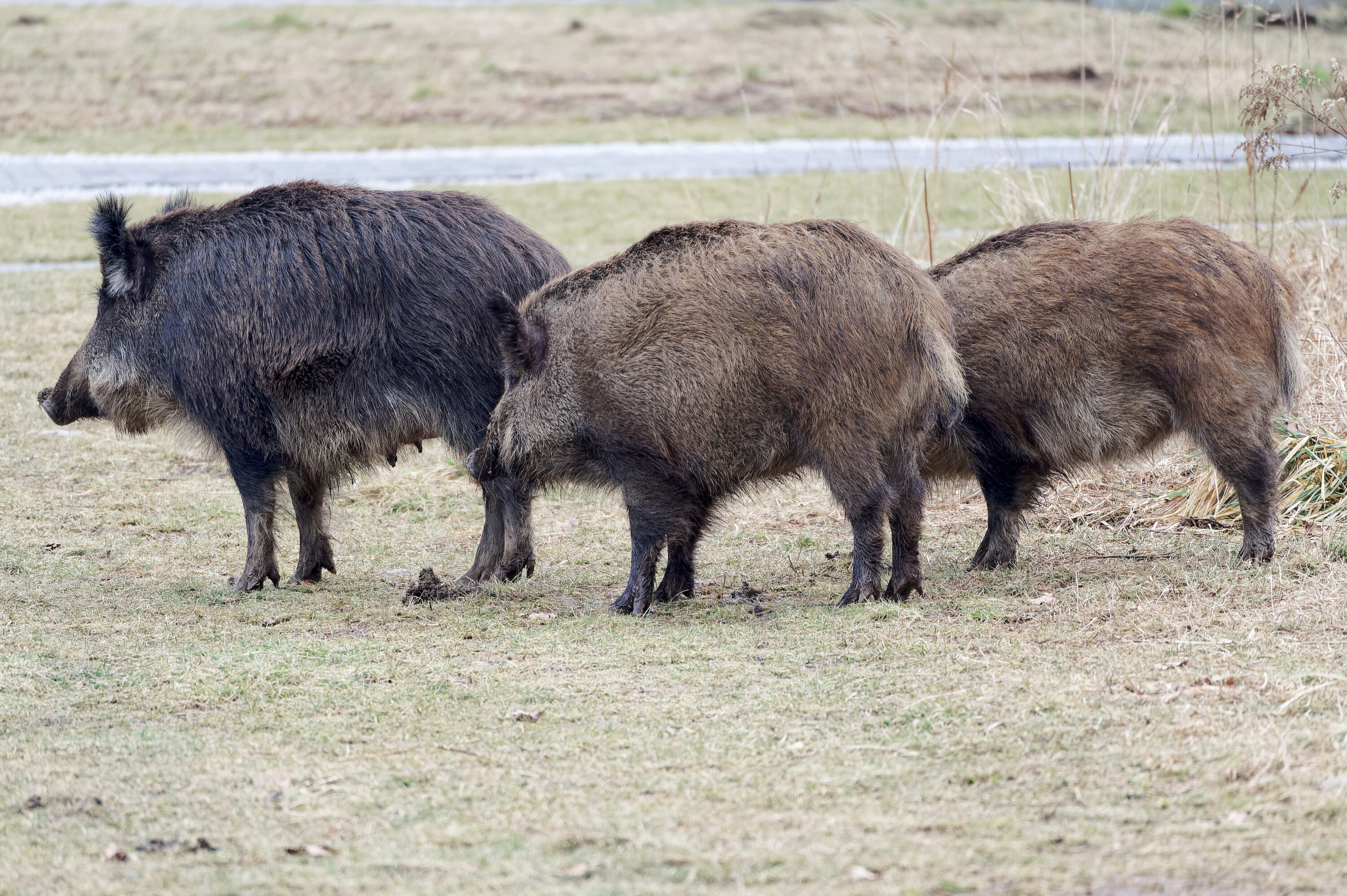
Wild boar in Annaba: nocturnal activity and urban encounters
A survey of 250 residents in Annaba, Algeria, found a sharp contrast between city sectors: 68% of respondents…
Read story →SPECIES IN THIS STORY
Species in this story
Independent research and conservation news archive
Did you find this information useful?
Wildlife Vagabond is independently built and maintained. Voluntary support helps cover source verification, hosting and continued work on research and conservation news.
Support Wildlife VagabondThe news archive will remain freely available.