
Wild boar stories reveal different memories of state power on the Hungarian–Slovenian border
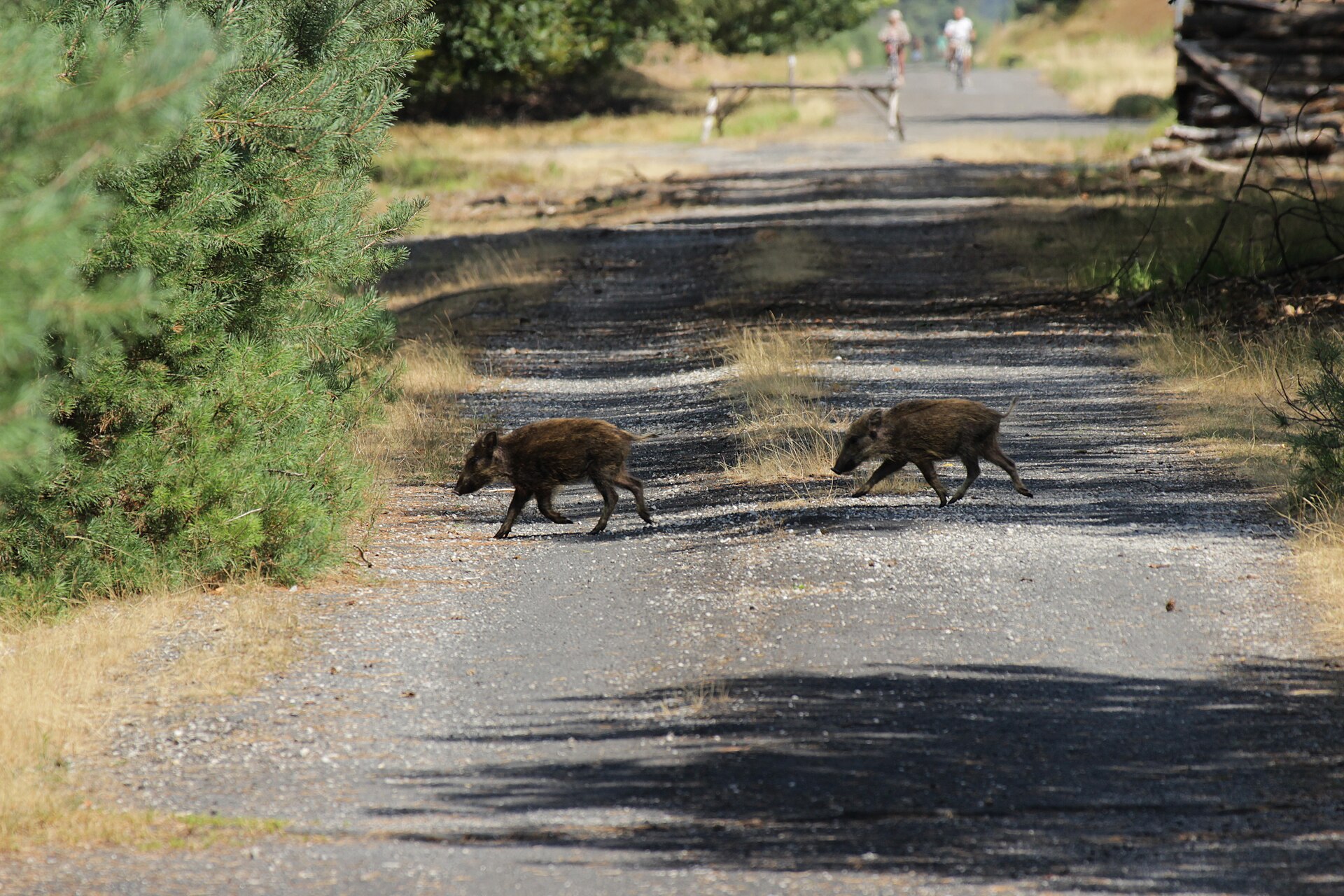
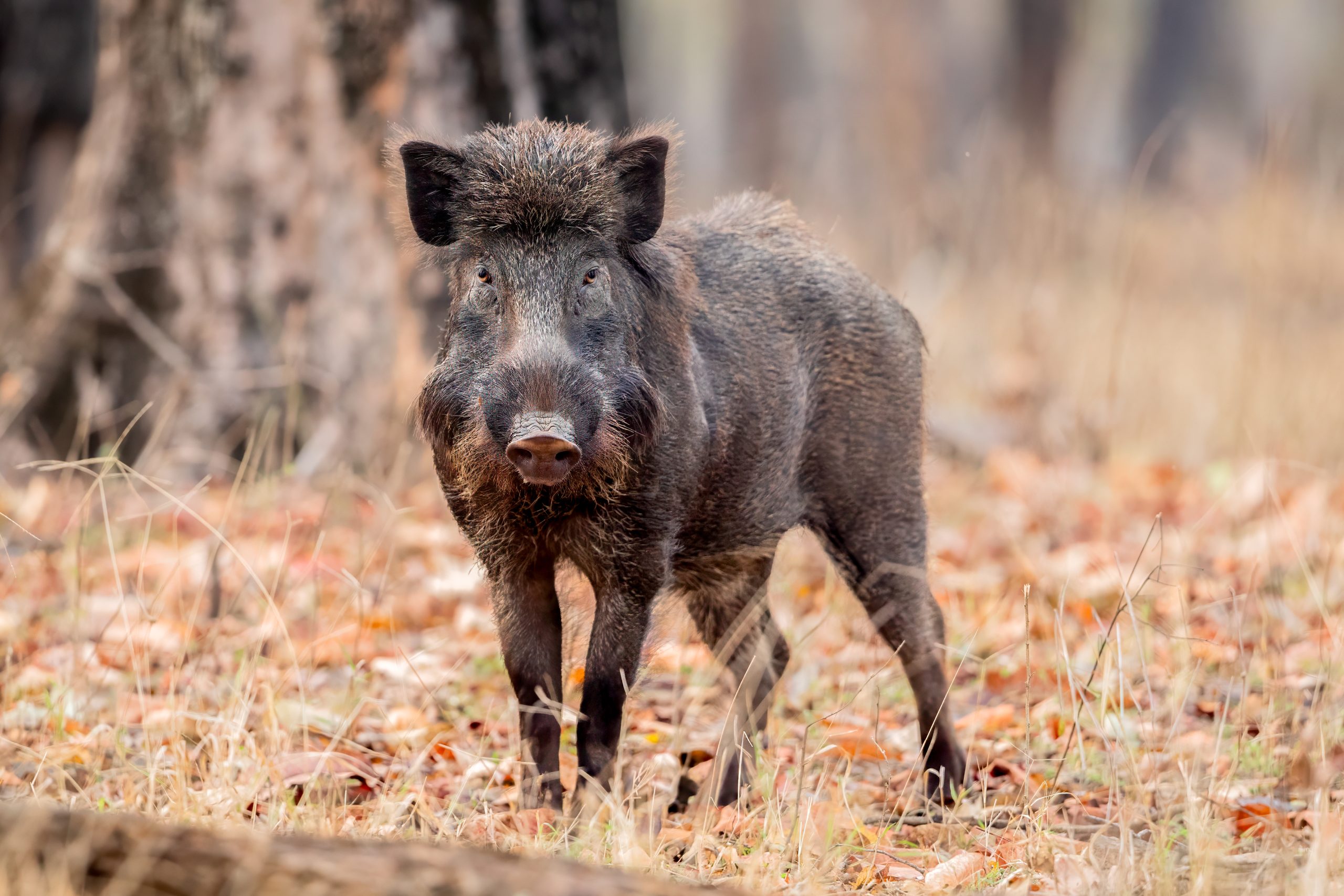
In Hungary’s Rábavidék and Slovenia’s Goričko, people told stories that the state had deliberately released wild boar (Sus scrofa) to harm peasant farming. An anthropological study traced how the same allegation took on different meanings in the two neighboring borderlands. The author found no historical evidence of an organized wild-boar release in Rábavidék. Instead, the stories reveal how people understand state power through changes to their landscapes and livelihoods.
A borderland shaped by different histories
The two areas were once part of the same region, but a national border divided them after the First World War. During the socialist period, a hard border further separated them. The study draws on five months of fieldwork spread across 2017–2025: the author spoke with farmers, their descendants and hunters, recorded different versions of local stories, and examined historical material.
In Rábavidék, people associated the alleged release with the decline of peasant agriculture under socialism. The landscape changed from fields and pastures to one dominated by forest. As the population aged and people left, land was transferred to a cooperative that planted trees for its sawmill. Some residents remembered wild boar as arriving suddenly and damaging crops; one man linked his earliest memory of the animals to a potato field destroyed in 1964. In these accounts, the boar became part of a wider memory of a state that had transformed rural life and dismantled peasant agriculture.
The study also places these stories against the history of wildlife management. State-managed hunting grounds were established on both sides of the border; one in Goričko was run by the state-owned tourism company Kompas. Historical accounts cited in the study associate sparse hunting in Rábavidék’s state-managed area with a rise in wild boar, whose numbers spilled beyond the area’s boundaries. This history offers a different explanation for the animals’ spread than the stories of a deliberate release.
In Goričko, the story echoed current tensions
In Goričko, the story also expressed concern about the state’s continuing role in farming and wildlife management. Kompas managed game and hosted trophy hunts, including for foreign hunters and political elites. Farmers resented both the damage wildlife caused to crops and the company’s presence in local hunting. In 1979, 28 residents launched an initiative to establish a local hunting club, citing dissatisfaction with Kompas’s response to crop damage.
Some people in Goričko repeated versions of the story in which Hungarian authorities—or even Russians—had brought wild boar across the border. One version portrayed the release as an attempt to drive Slovenian peasants out of Rábavidék. The author found that these stories could express solidarity with peasants as a declining class, as well as concern about ethnic identity. In Slovenia, the tale about the past also served as a way to criticize the state’s continuing influence through Kompas.
Hunters at Kompas rejected the claim that wild boar had been deliberately introduced. They argued that the animals spread through reproduction and movement across a borderland where forest had expanded on the Hungarian side while Goričko remained more agricultural. The contrast is central to the author’s interpretation: in Rábavidék, the story recalls a state that transformed agriculture and the landscape; in Goričko, it challenges a state presence people saw as ongoing through wildlife management and crop damage.
Human–wildlife conflict
Related news
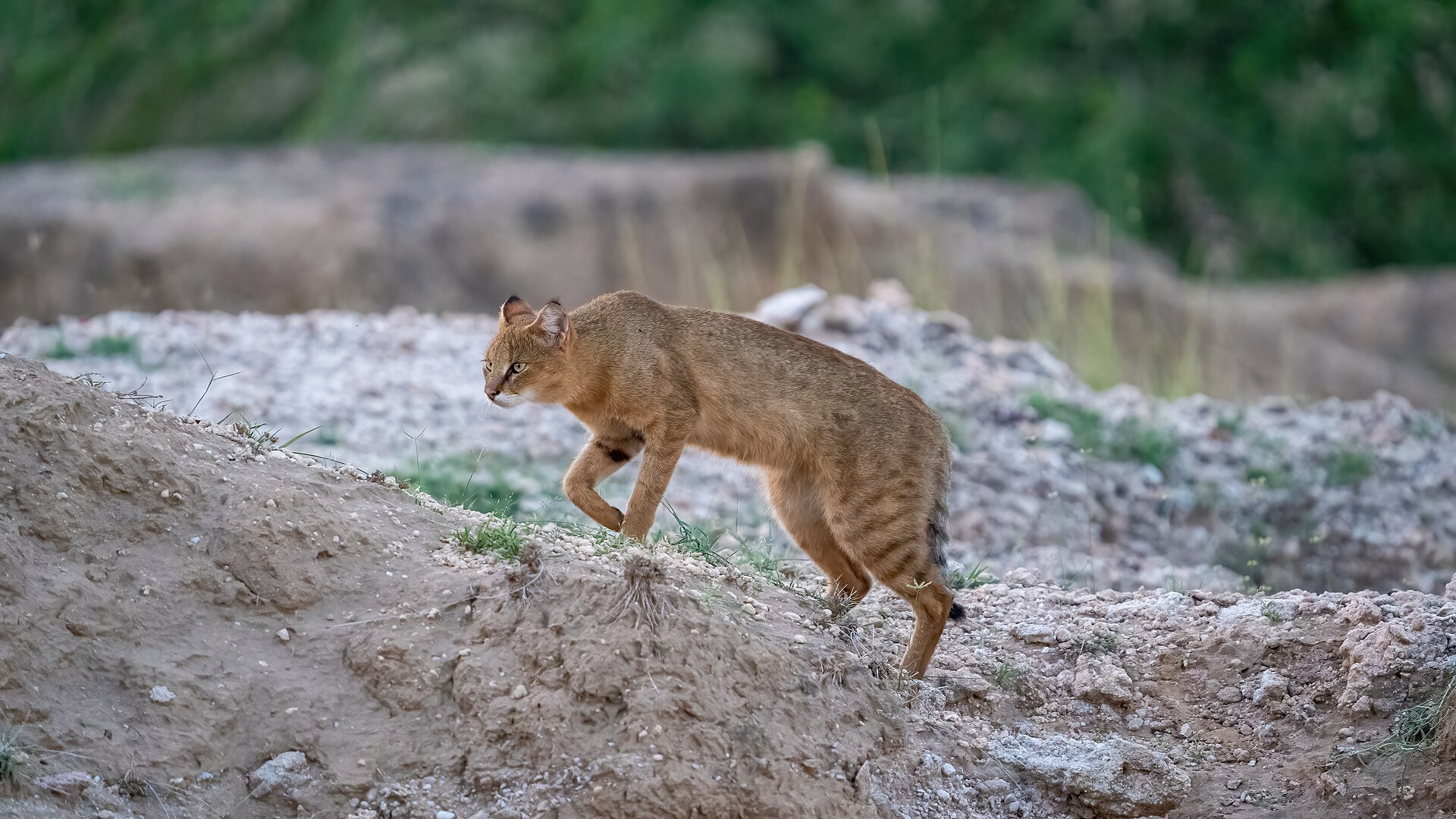
Seven mammal species recorded in Uzbekistan’s Aralkum park, including jungle cats and wild boar
The survey recorded 21 jungle cat records and seven wild boar records. Jungle cats were associated with water…
Read story →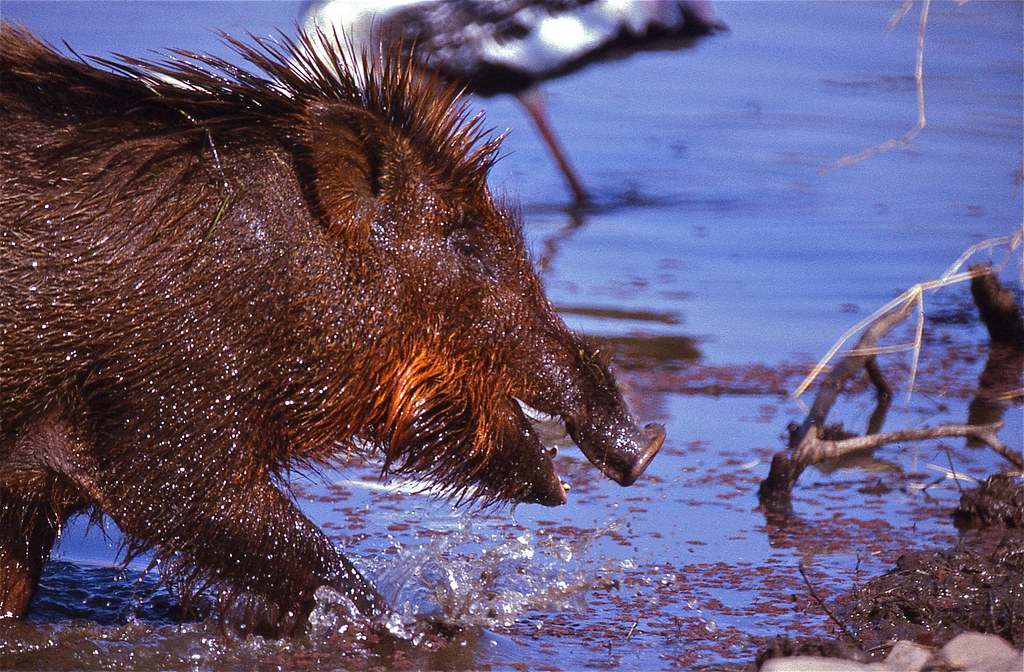
Wild boar become more nocturnal on warmer days
Camera traps at 208 sites in eight Mediterranean protected areas linked warmer days to more nighttime activity in…
Read story →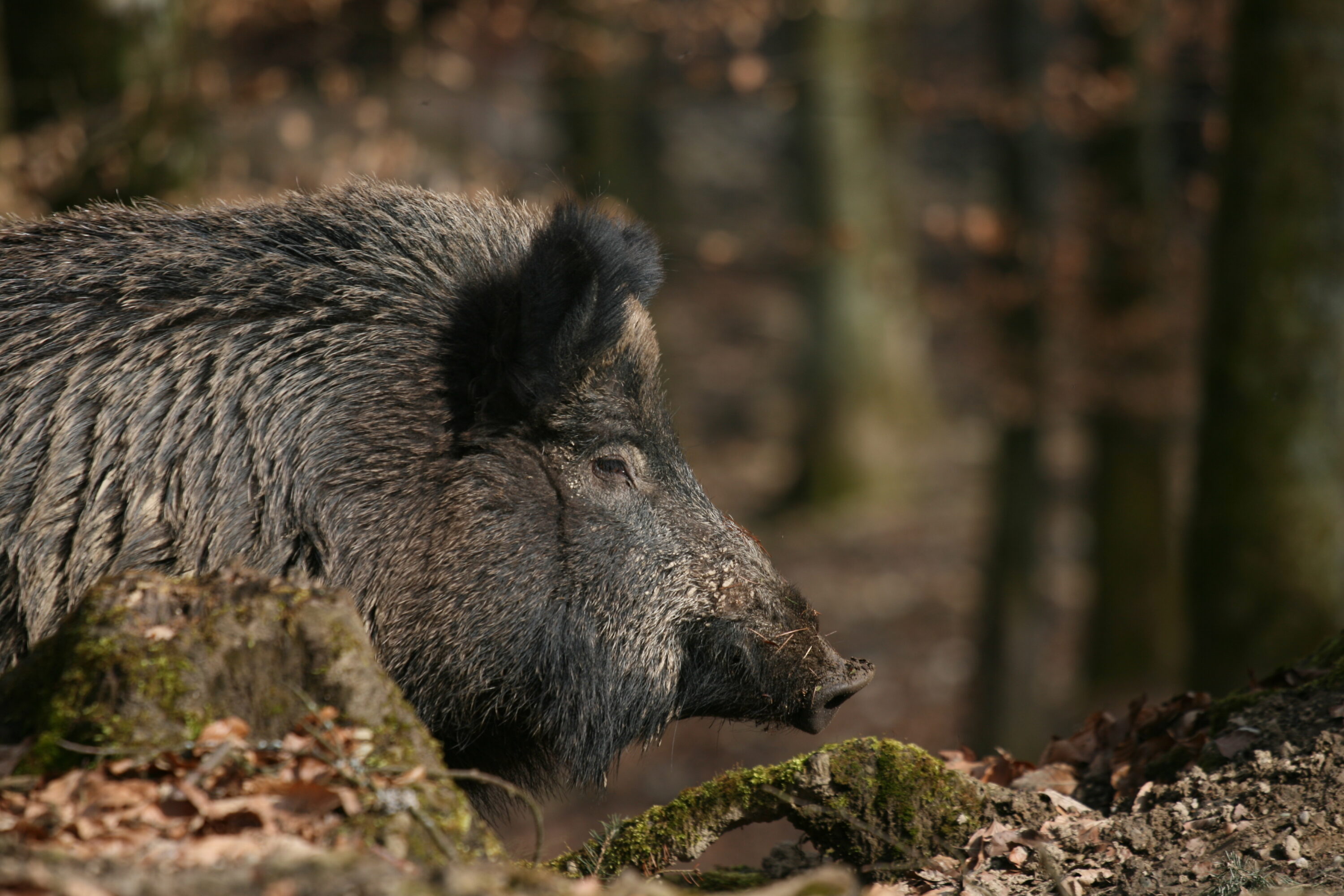
Serbian wild boar carry two viruses also found in domestic pigs
A survey of 90 wild boar in West Bačka detected PCV2 DNA in 17 animals and PCV3 DNA…
Read story →SPECIES IN THIS STORY
Species in this story
Independent research and conservation news archive
Did you find this information useful?
Wildlife Vagabond is independently built and maintained. Voluntary support helps cover source verification, hosting and continued work on research and conservation news.
Support Wildlife VagabondThe news archive will remain freely available.