
Seven mammal species recorded in Uzbekistan’s Aralkum park, including jungle cats and wild boar
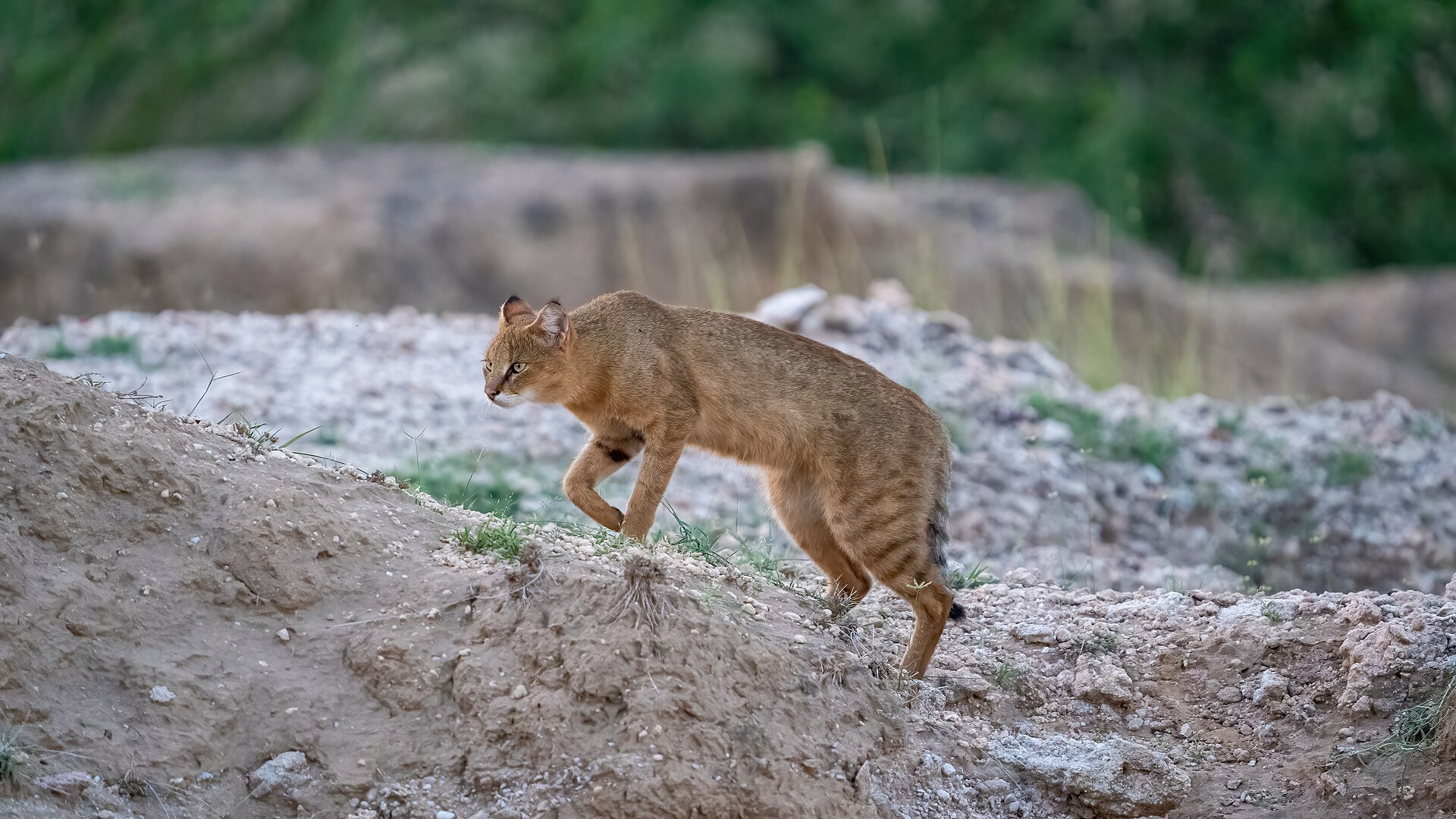
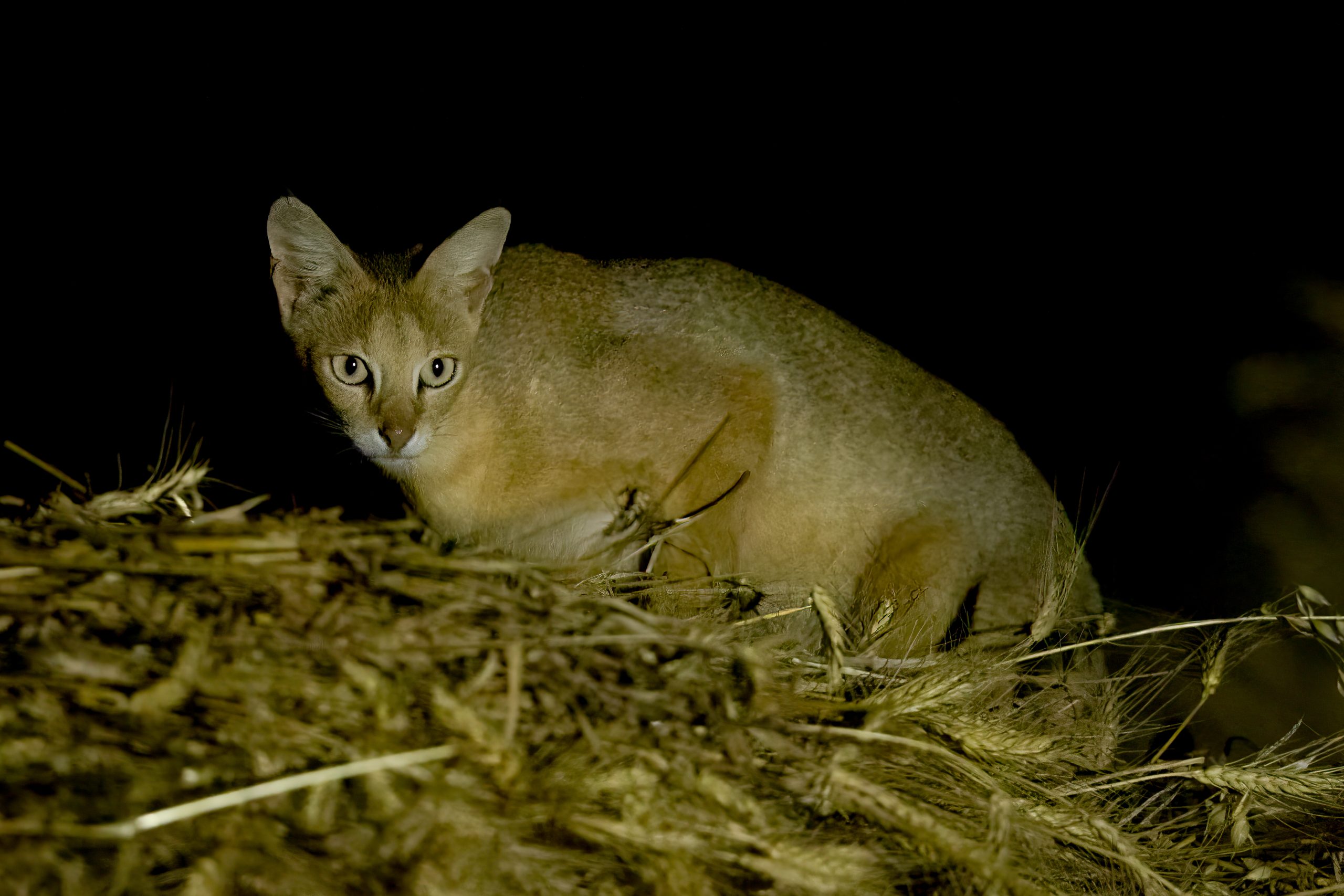
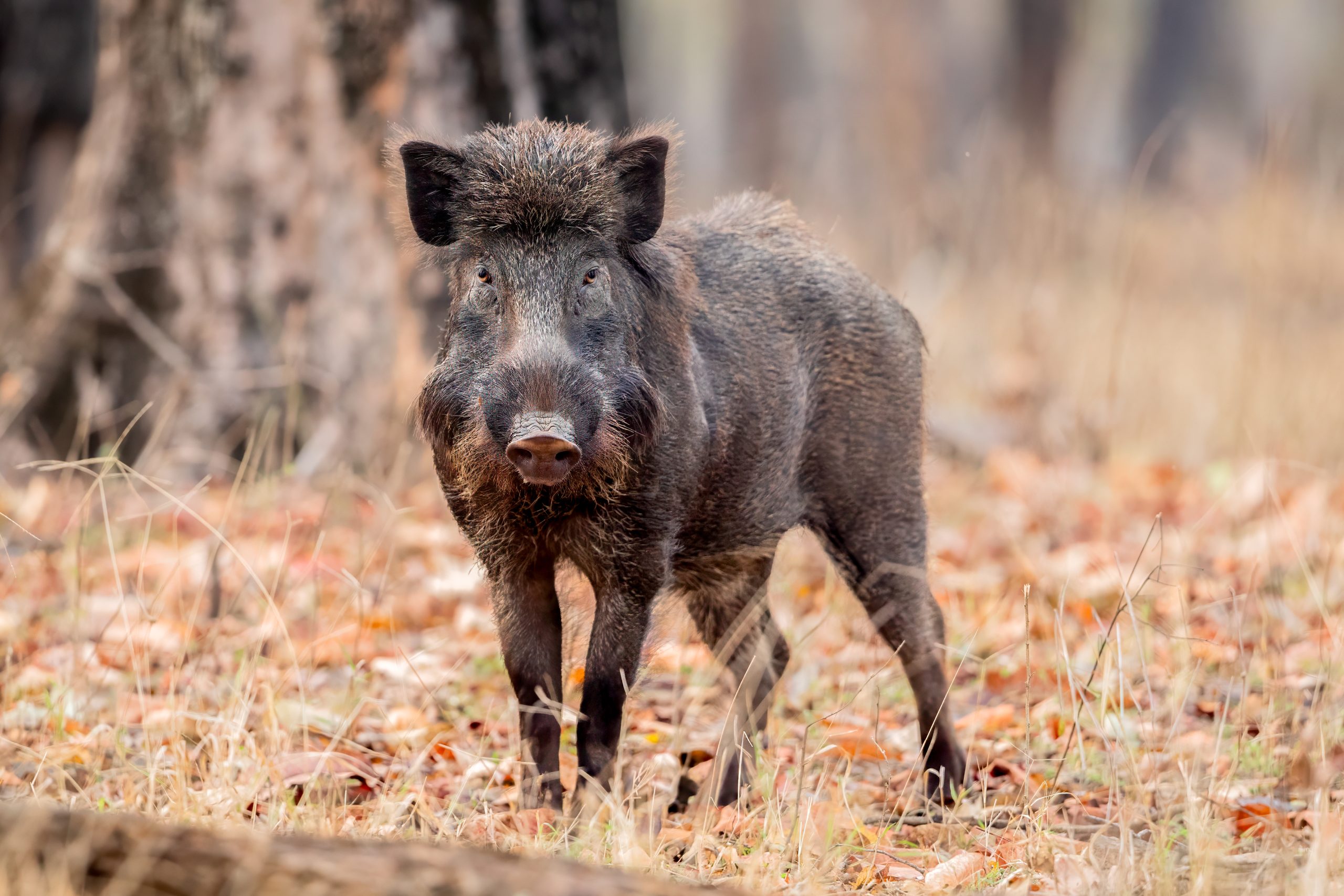
A 2025 survey in Uzbekistan’s Aralkum National Nature Park recorded seven mammal species. Golden jackals had the most records, with 78, followed by red foxes with 26 and jungle cats (Felis chaus) with 21. The survey also recorded wild boar (Sus scrofa) and three other mammal species. Survey effort and the handling of repeat observations were not fully specified, so these records are not estimates of how many animals live in the park.
The researchers drew on observations along transects—set routes used to survey an area—as well as photographs, video, signs of animal activity, some camera-trap images and wildlife-cadastre data. The records covered habitats ranging from reed beds and water margins to shrubland and arid areas. Tugai vegetation, a type of riverine woodland and thicket found in dry regions, is another important habitat in the park.
Species records reflect different habitats
The high numbers of jackal and fox records came from animals reported across several habitat types, including reed beds, wooded and shrubby cover, tugai and nearby desert. Jungle cats, by contrast, were associated particularly with water and dense vegetation, including reeds and tugai. Wild boar were recorded in areas with dense reeds, tugai forest and shrubland.
The other recorded species were the lesser white-toothed shrew (Crocidura suaveolens), with nine records; wild boar, with seven; badgers, with six; and wolves, with two.
A starting point for future monitoring
The authors identify shrinking reed beds and tugai vegetation, changes in water regimes and habitat degradation as conservation concerns. The researchers recommend standardized transects, systematic camera-trap records, precise coordinates and a database covering multiple years, so future surveys can be compared more reliably.
Ecology
Related news
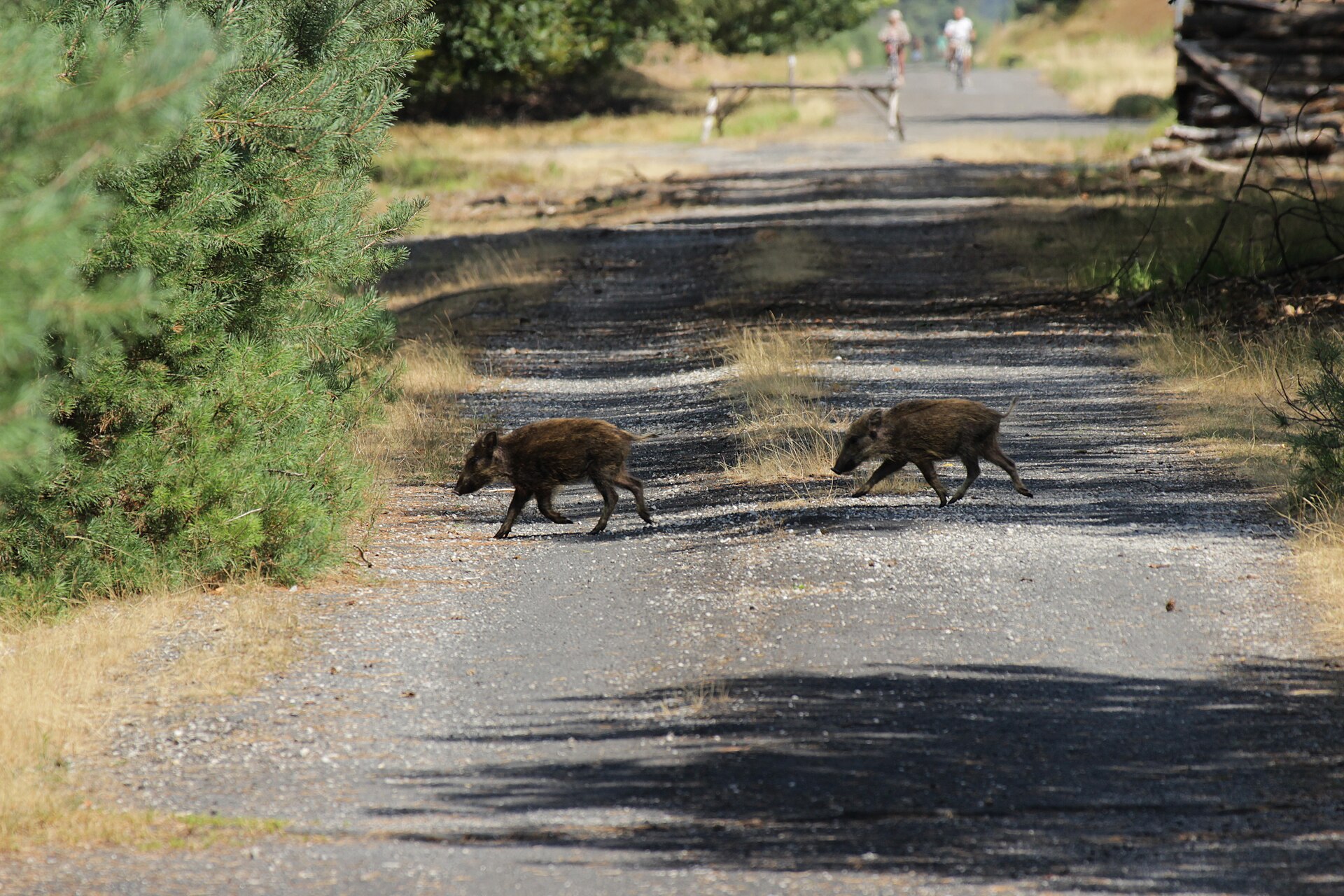
Wild boar stories reveal different memories of state power on the Hungarian–Slovenian border
In Rábavidék and Goričko, people told stories that the state had released wild boar to damage peasant farming.…
Read story →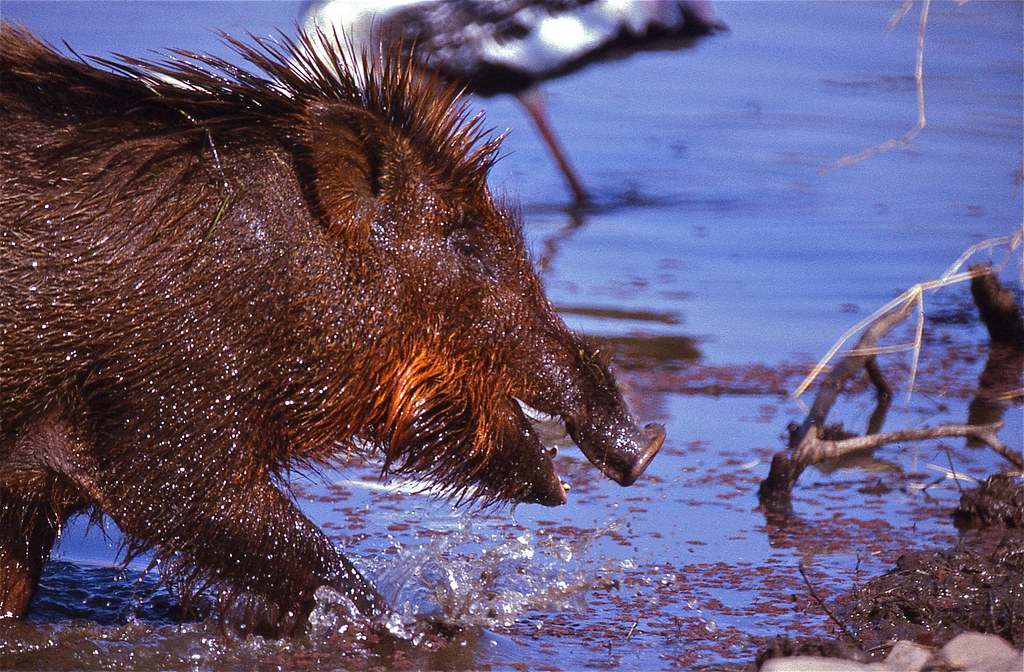
Wild boar become more nocturnal on warmer days
Camera traps at 208 sites in eight Mediterranean protected areas linked warmer days to more nighttime activity in…
Read story →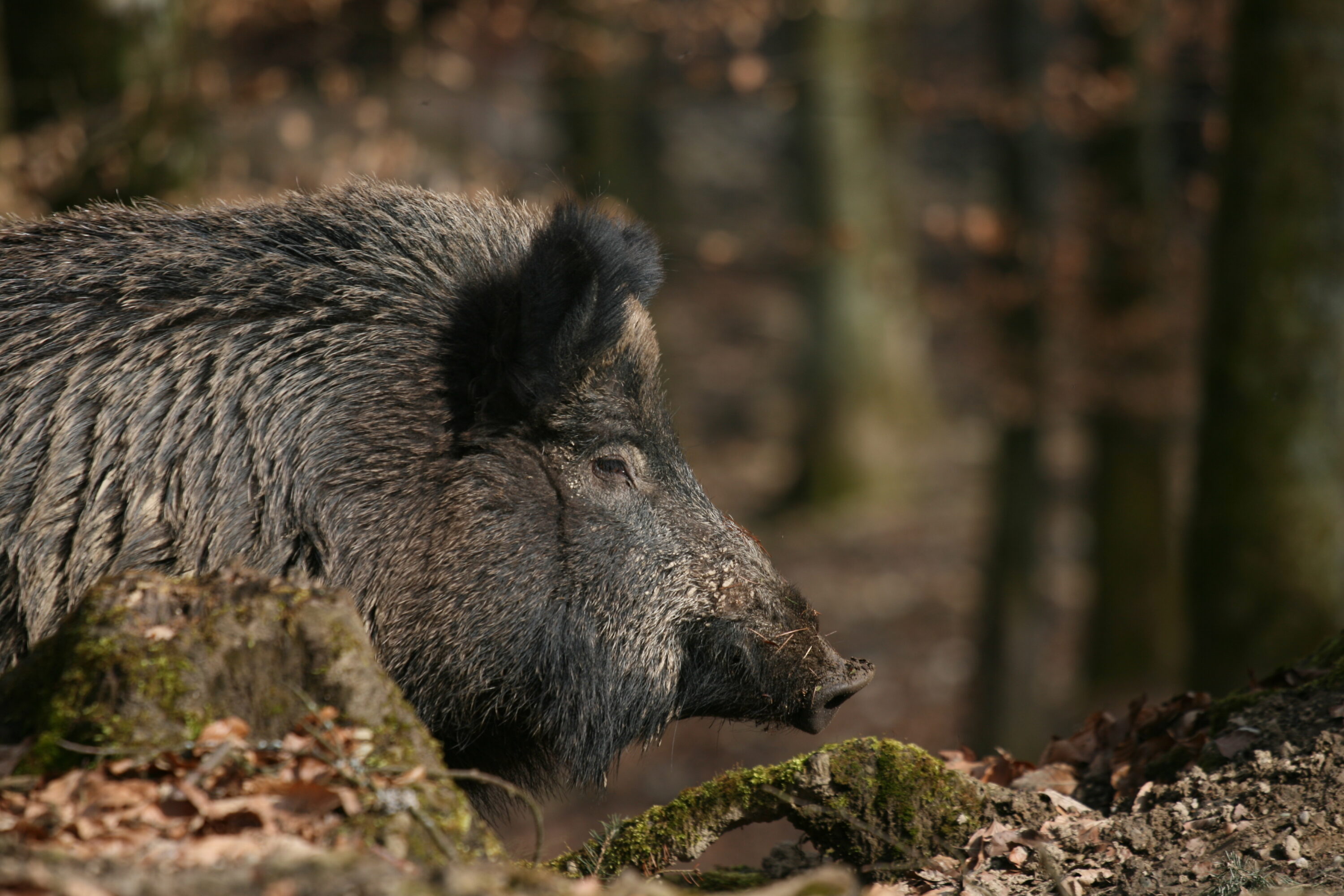
Serbian wild boar carry two viruses also found in domestic pigs
A survey of 90 wild boar in West Bačka detected PCV2 DNA in 17 animals and PCV3 DNA…
Read story →SPECIES IN THIS STORY
Species in this story
Independent research and conservation news archive
Did you find this information useful?
Wildlife Vagabond is independently built and maintained. Voluntary support helps cover source verification, hosting and continued work on research and conservation news.
Support Wildlife VagabondThe news archive will remain freely available.