
Coyote tapeworm infection is linked to farmland and managed green space near Chicago
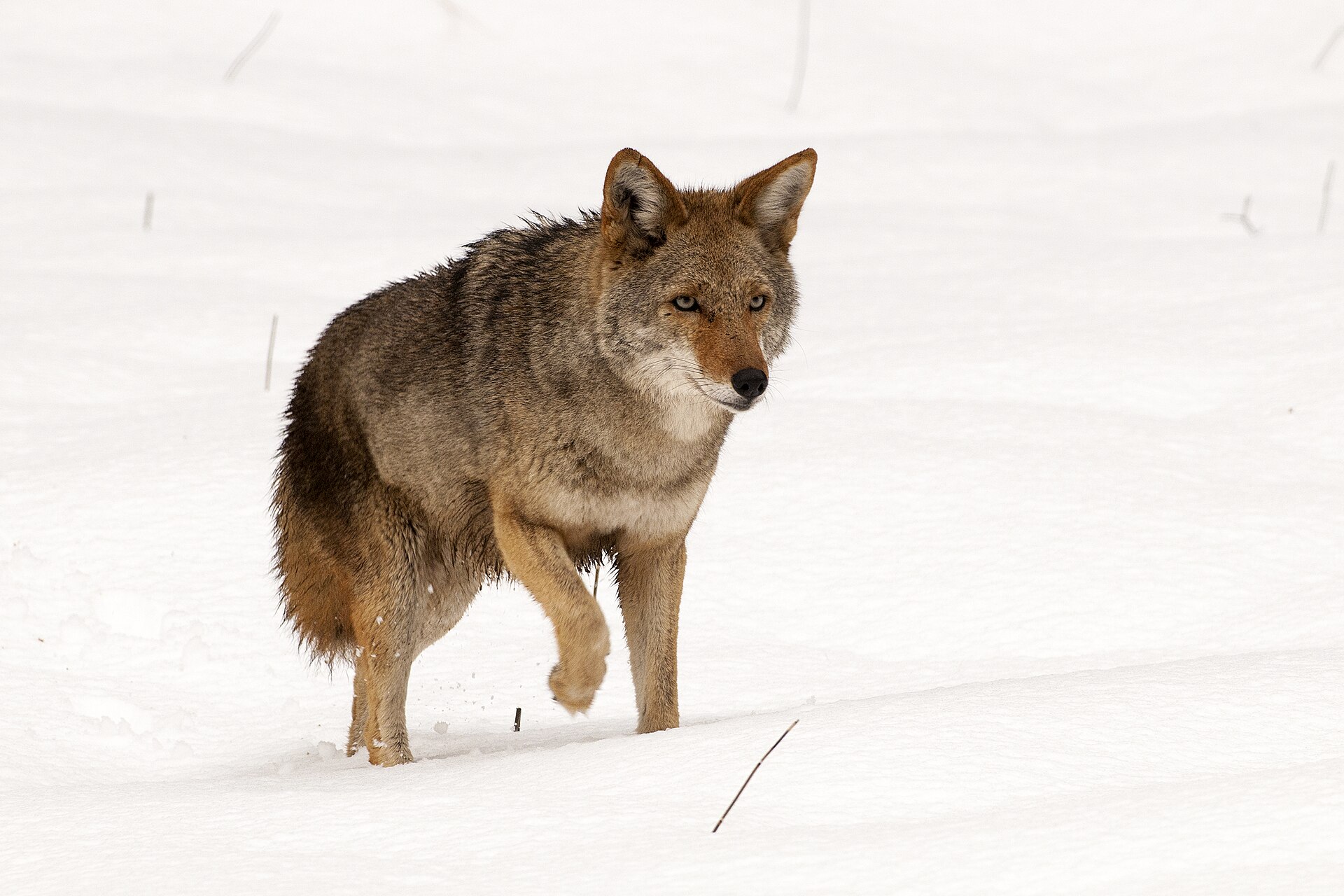
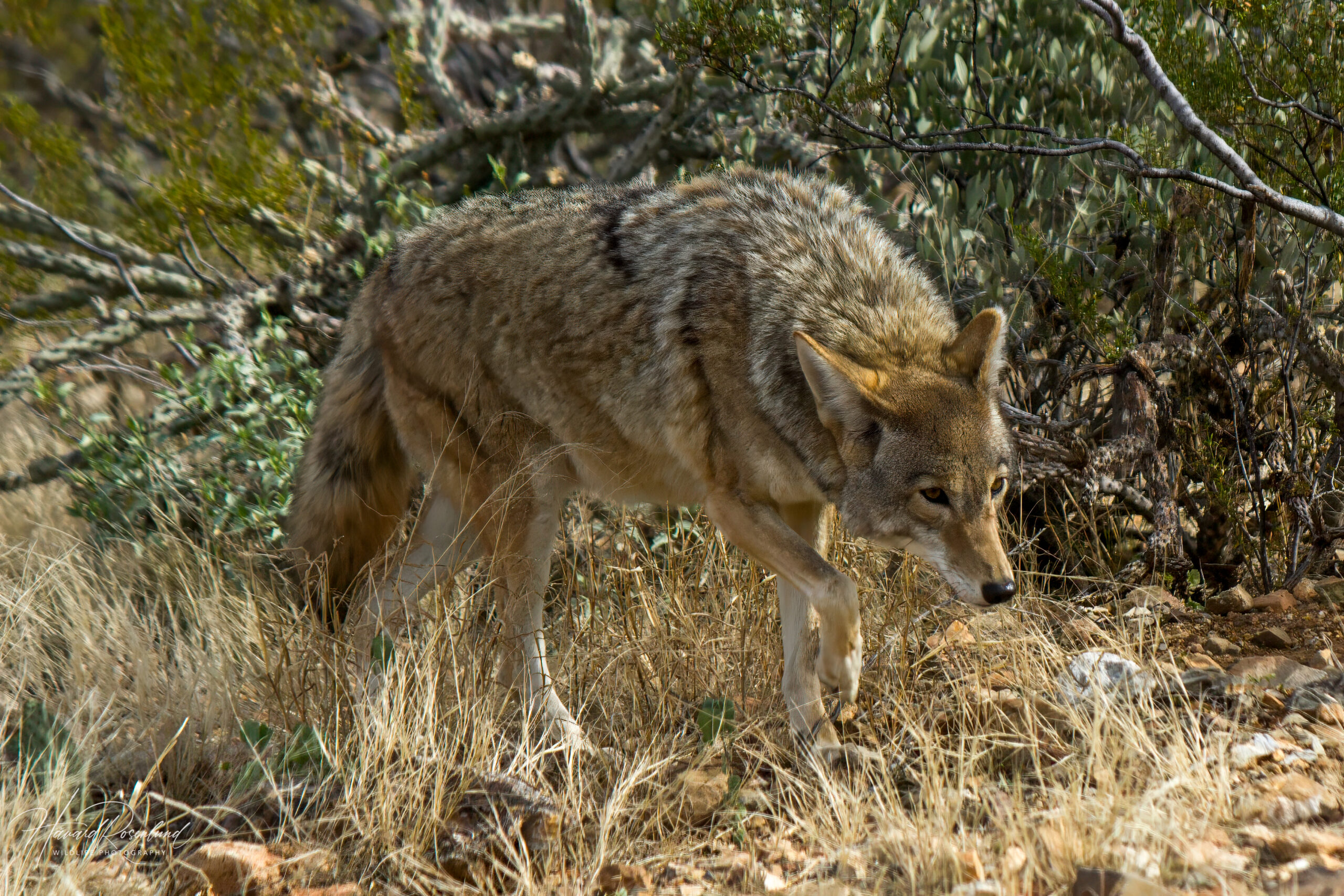
The tapeworm Echinococcus multilocularis causes alveolar echinococcosis, a serious disease in people. Coyotes are one of the parasite’s main definitive hosts in urban areas—animals in which the adult tapeworm lives and reproduces. In the Chicago metropolitan area, researchers tested fecal samples from 85 coyotes (Canis latrans); 27.1% tested positive.
Infection was linked to agricultural and managed land
Coyotes with a greater share of agricultural land or altered open space within their home ranges had higher odds of infection. Such spaces included golf courses, cemeteries and manicured parks. The analysis gave odds ratios of 2.84 for agricultural land and 2.07 for altered open spaces. An odds ratio compares infection odds between conditions in the analysis: values above 1 indicate higher odds, but they are not percentage-point increases or direct estimates of an individual coyote’s probability of infection. Infection status was not associated with age or sex in this sample.
Because people and pets also use these landscapes, the authors suggest they may be relevant to the potential spread of the parasite to other hosts. The coyote findings identify places where surveillance and public-health outreach may be useful, but do not show that transmission to people or pets occurred.
Ecology
Related news
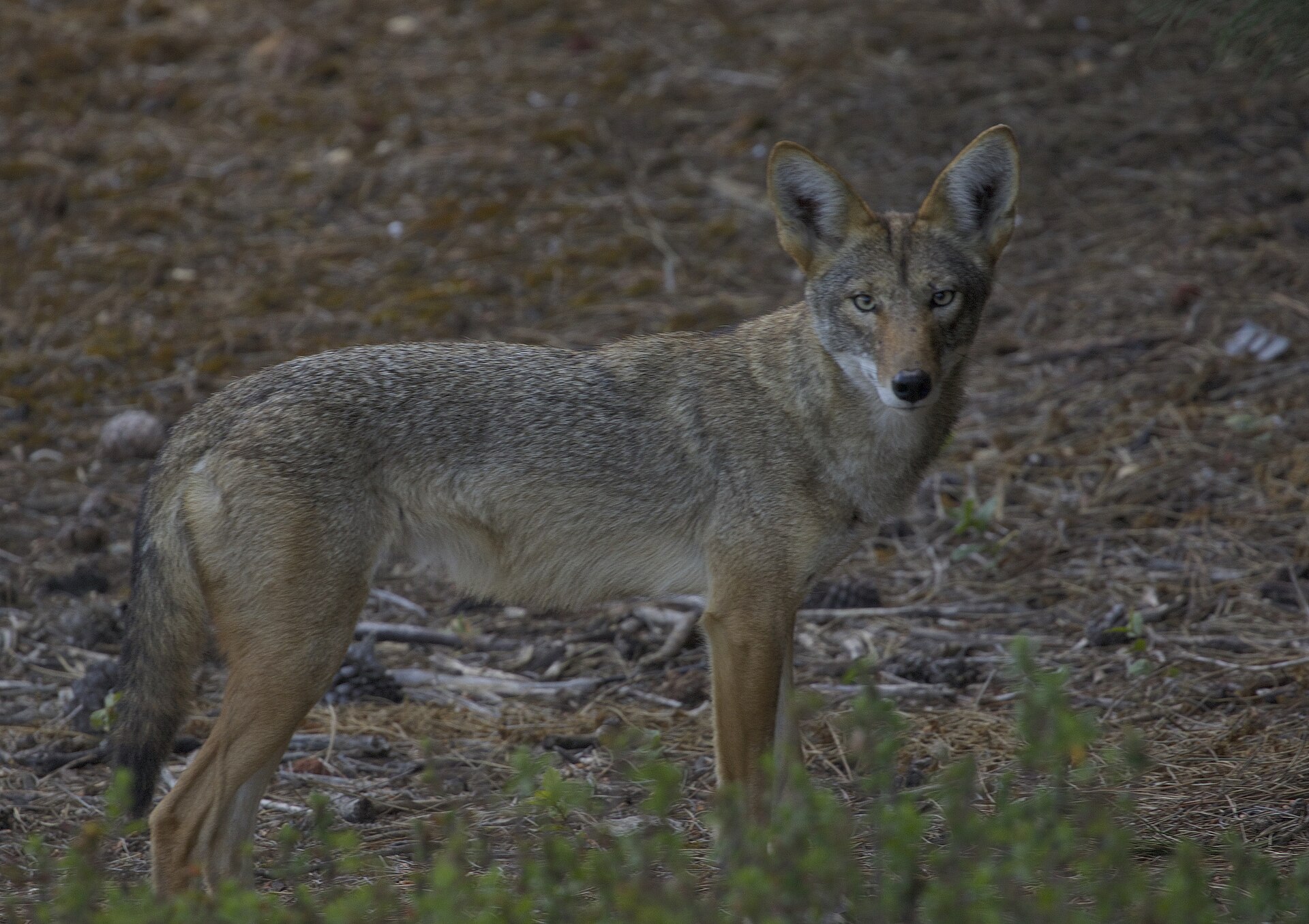
Coyotes and dogs may share a hookworm that can infect people
In Costa Rica, hookworm variants found in coyotes and dogs did not group by host or sampling area.…
Read story →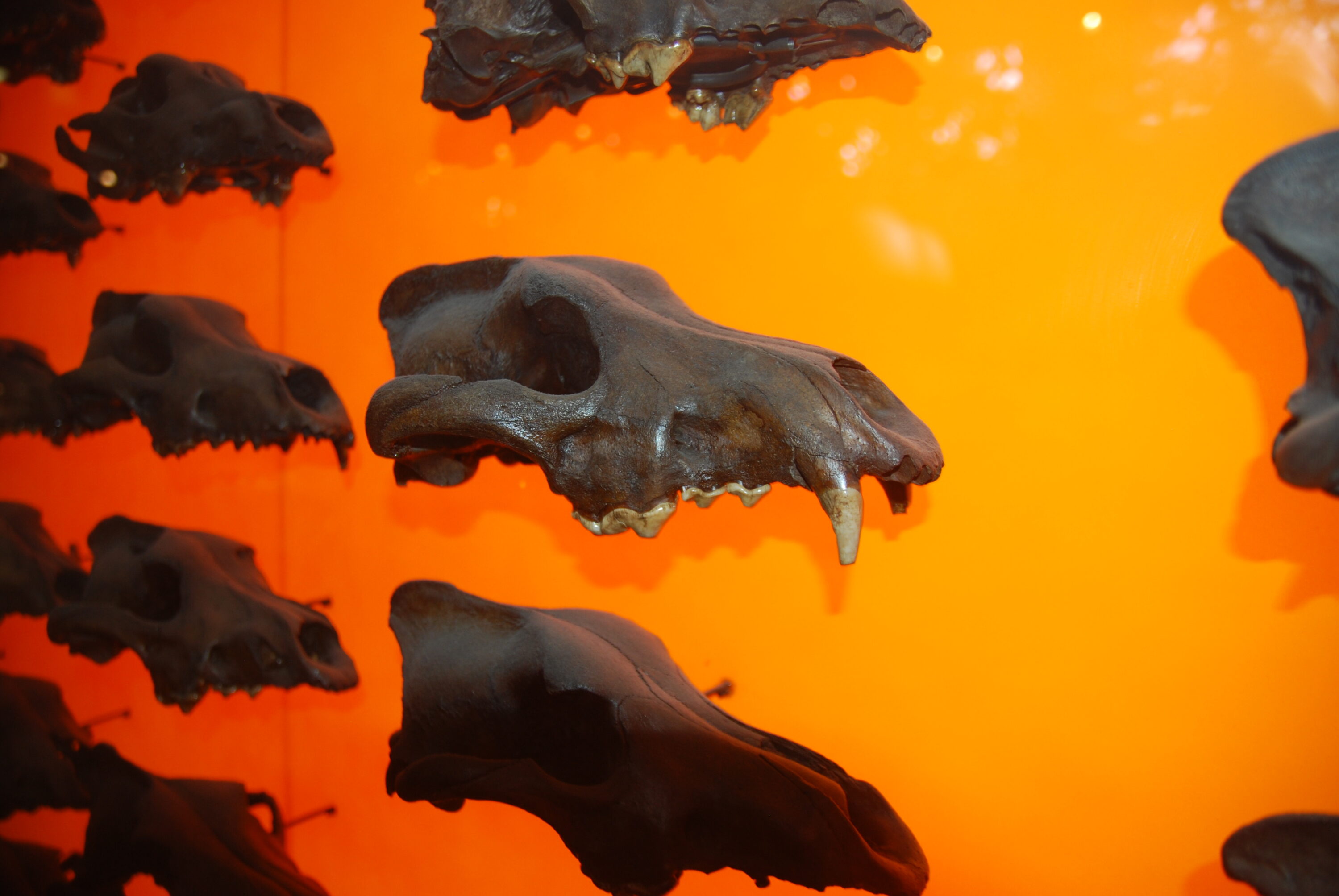
Ancient DNA recovered from dire wolf and coyote teeth at La Brea
Researchers recovered authentic ancient DNA from three of ten extracts made from dire wolf and coyote teeth at…
Read story →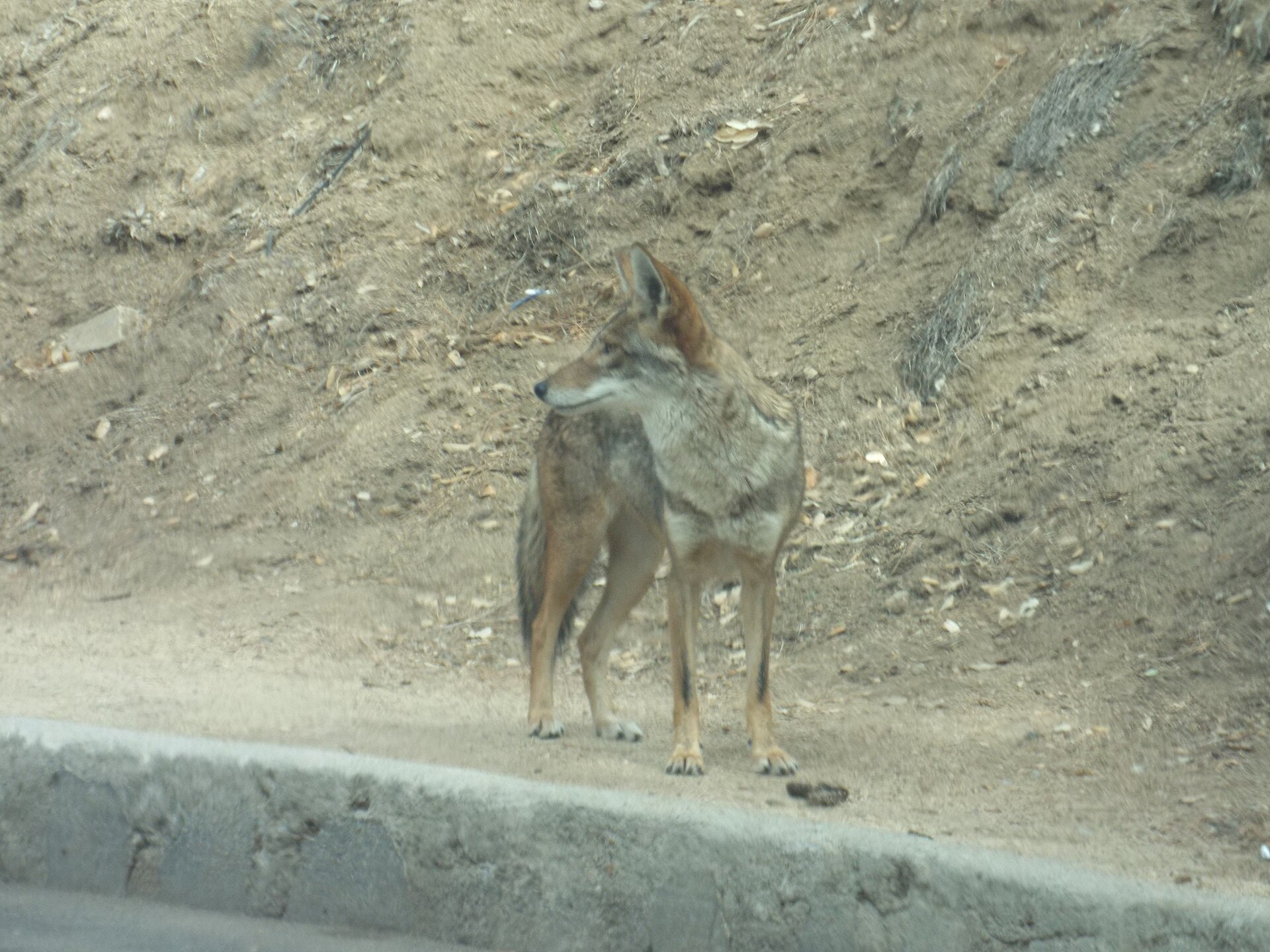
Los Angeles’s Urban Cores Absorb and Pass On Coyote Gene Variants
Genetic data from Greater Los Angeles show gene flow across four major highways. Although variants flowed strongly from…
Read story →SPECIES IN THIS STORY
Species in this story
Independent research and conservation news archive
Did you find this information useful?
Wildlife Vagabond is independently built and maintained. Voluntary support helps cover source verification, hosting and continued work on research and conservation news.
Support Wildlife VagabondThe news archive will remain freely available.