
Coyotes and Red Foxes Used Highway Crossings Differently in the Southern Blue Ridge
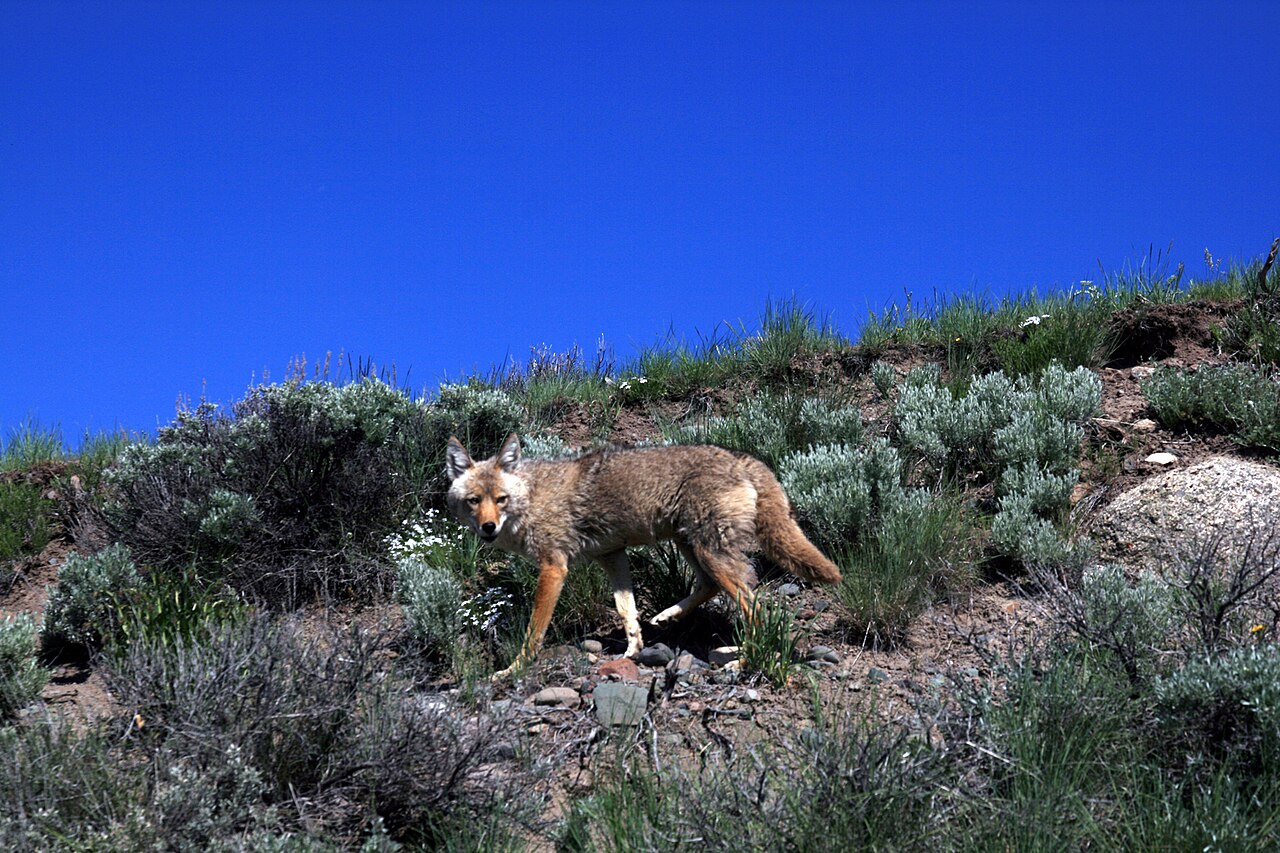
Roads can split wildlife habitat, and crossing structures beneath or over highways are intended to help animals move across them. But visiting a structure does not necessarily mean an animal gets through. From 2018 to 2023, researchers used cameras at 24 existing structures along I-40 and I-26 in North Carolina and Tennessee. The cameras recorded 8,427 detections from 10 carnivore species. The team had enough records to model visitation by black bears, bobcats, coyotes (Canis latrans) and red foxes (Vulpes vulpes), and crossing success by the first three.
The researchers distinguished confirmed crossings—an animal entered one side and left the other within 15 minutes—from presumed crossings, when a camera recorded an entry or exit but not both. Because cameras can miss part of an animal’s passage, both kinds of event counted as successful use in the crossing analysis.
What brings coyotes to a crossing is not always what helps them through
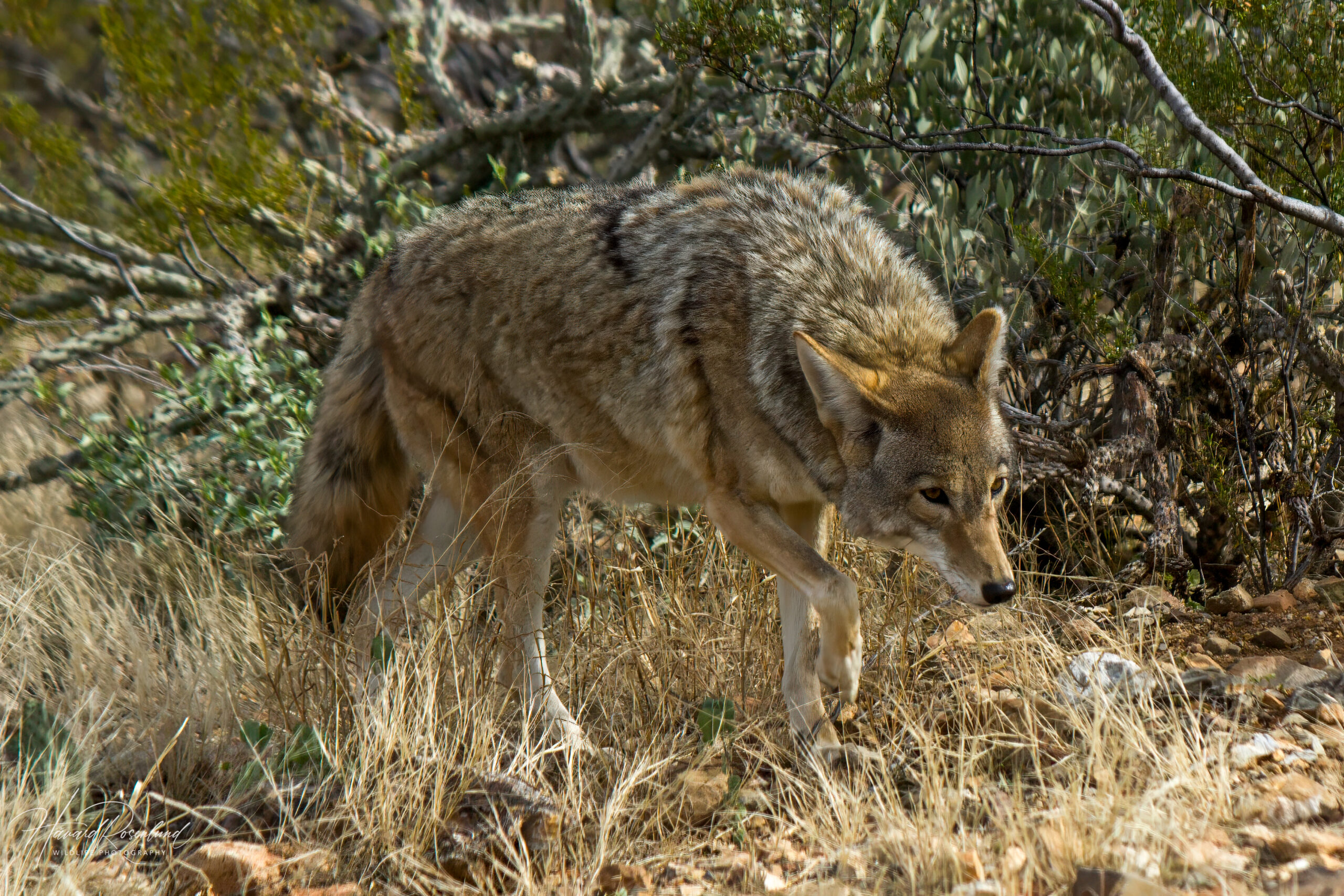
Coyotes visited structures more often where domestic dogs were recorded less often and forest cover was closer. Human activity was not a significant predictor of coyote visits. The pattern differed for crossing: coyotes were more likely to pass through when they travelled in larger groups. Compared with rectangular box culverts, they were less likely to cross through drainage pipes; bridges and arch culverts did not differ clearly from box culverts in the analysis.
Across 929 coyote occasions at structures, researchers recorded 260 confirmed and 335 presumed crossings. Counting both types, the study reported a 64% probability of successful crossing use. The separate figures matter: the conditions associated with coyotes appearing at a structure did not simply match those associated with passing through it.
Red-fox crossings were concentrated at one site
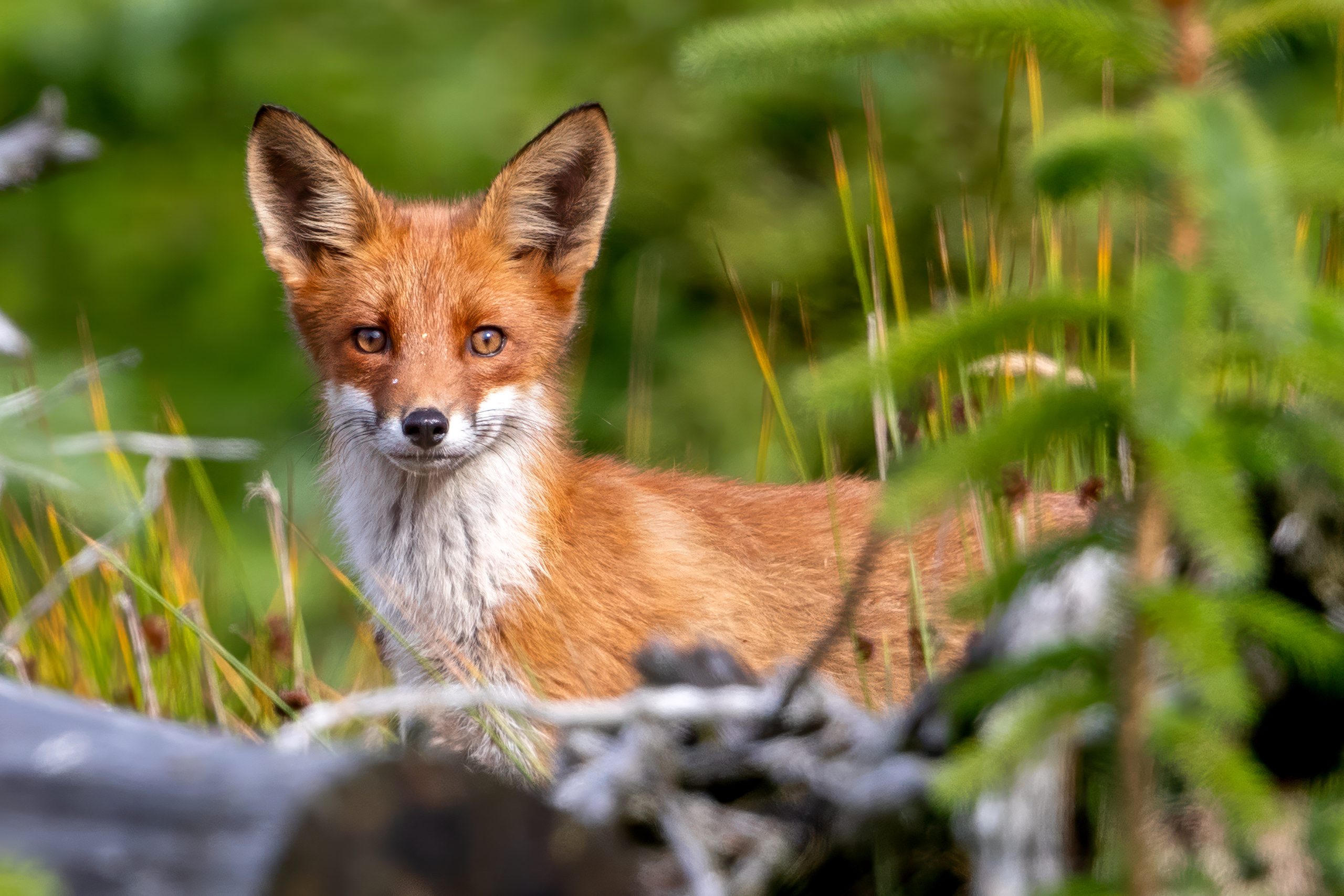
Red foxes were recorded at box culverts, bridges and drainage pipes. Of 198 events, 140 were presumed crossings and nine were confirmed, giving a reported crossing probability of 75%. But 89% of those successful events came from one location. Because red-fox crossings were concentrated at just two structures, the researchers did not model their crossing success. The 75% figure therefore does not show that foxes used crossings successfully at a similar rate across the study area.
The crossing patterns also differed among the other modelled species. Black bears and bobcats were less likely to cross structures with water; for both, higher human activity was also associated with lower crossing success. Water was not a significant overall predictor for coyotes, although they were less likely to cross drainage pipes. Across the carnivore community, the researchers found no evidence of spatial or temporal avoidance between species at the structures.
Together, the results show why monitoring both visits and passages matters: the features that attract a carnivore may not be those that help it cross. The different patterns among species also mean that a structure used by one kind of carnivore may not serve another in the same way.
Ecology
Related news
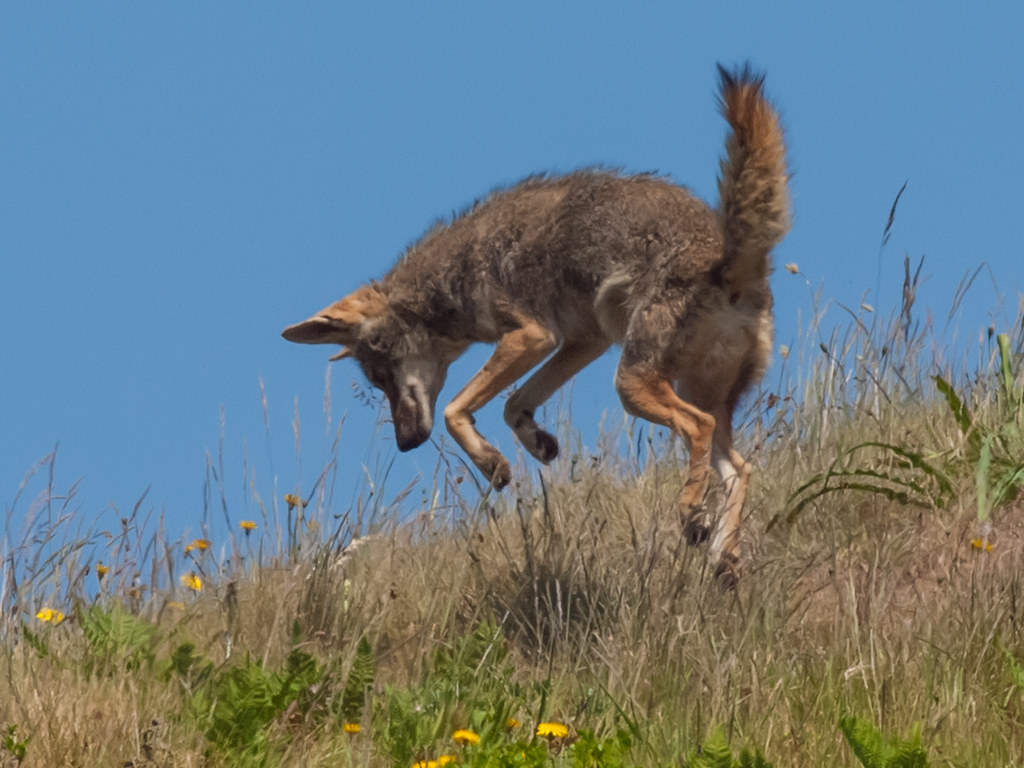
Trail Traffic Was Linked to Coyotes’ Nighttime Activity, but Mammal Detections Did Not Generally Decline
Across U.S. camera surveys, higher recreation traffic was linked to more nighttime detections across many mammals, but not…
Read story →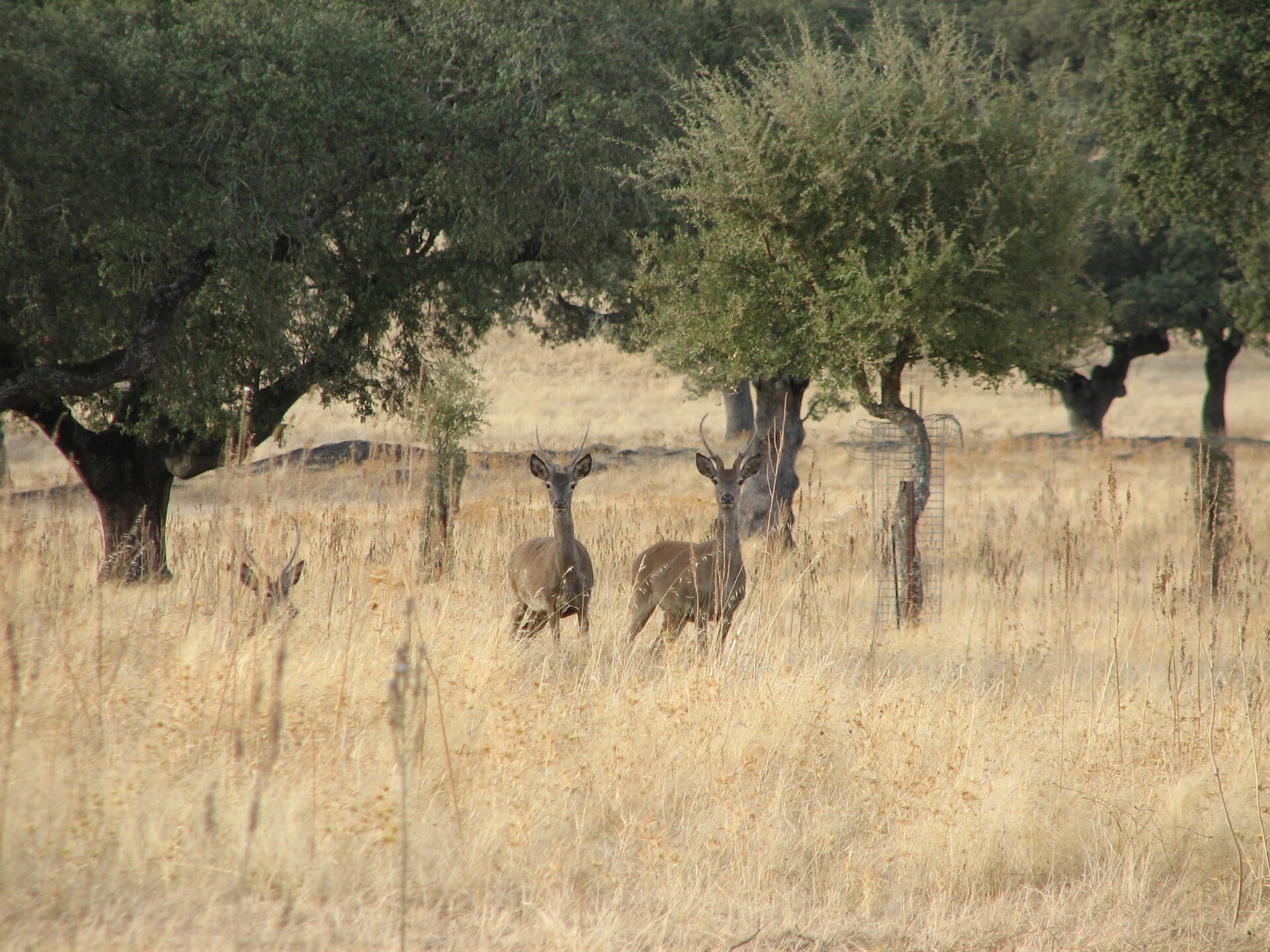
Roe deer and foxes were less often recorded in Freiburg’s more built-up areas
Camera traps at 19 sites in Freiburg, Germany, recorded badgers, roe deer and foxes less often where more…
Read story →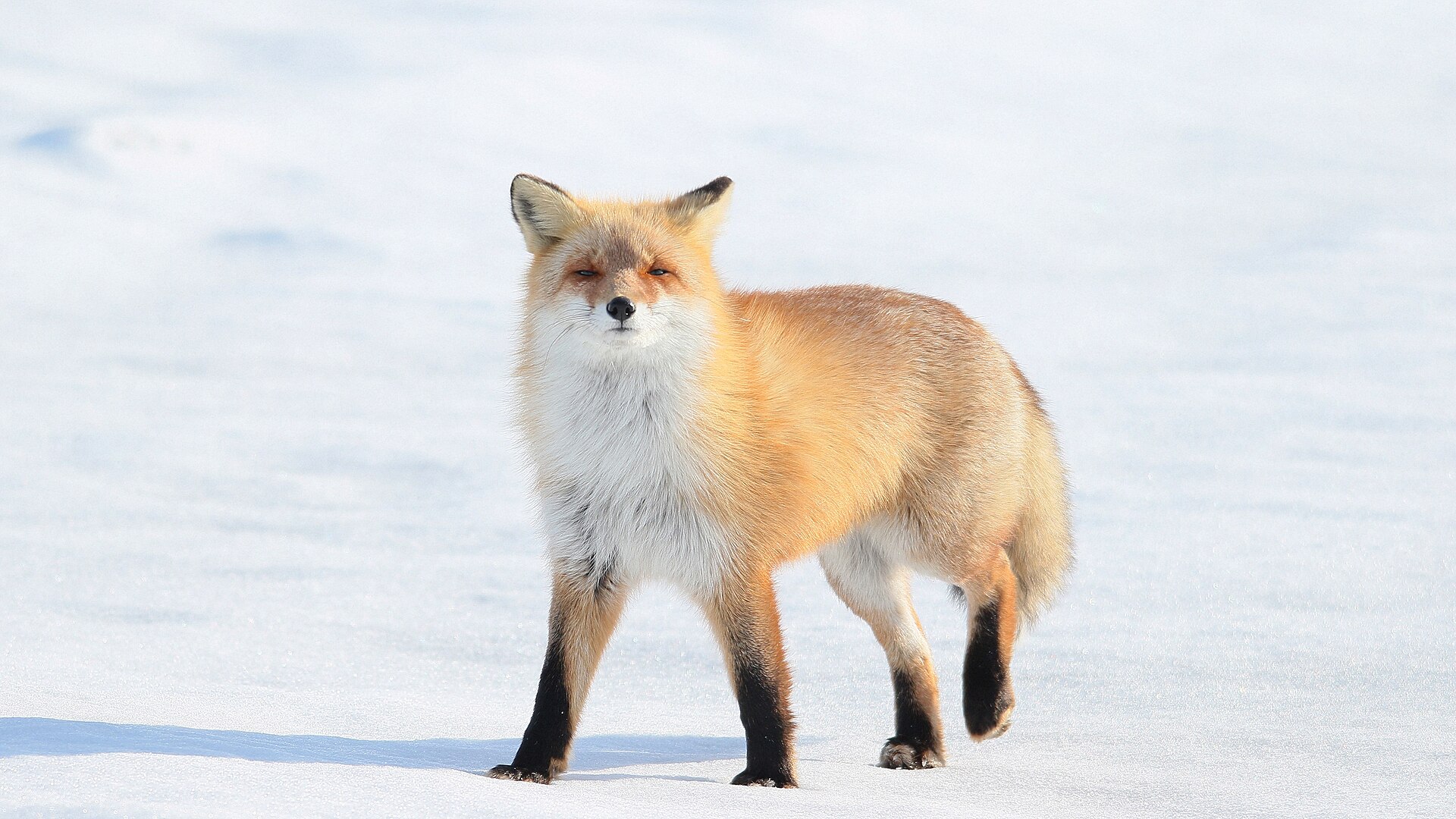
Freshwater and Rice Fields Linked to Spirometra Infection in Hokkaido Foxes
Among 251 red foxes surveyed in Hokkaido, 6.4% were infected with the zoonotic parasite Spirometra mansoni. Infection was…
Read story →SPECIES IN THIS STORY
Species in this story
Independent research and conservation news archive
Did you find this information useful?
Wildlife Vagabond is independently built and maintained. Voluntary support helps cover source verification, hosting and continued work on research and conservation news.
Support Wildlife VagabondThe news archive will remain freely available.