
Coyotes and dogs may share a hookworm that can infect people
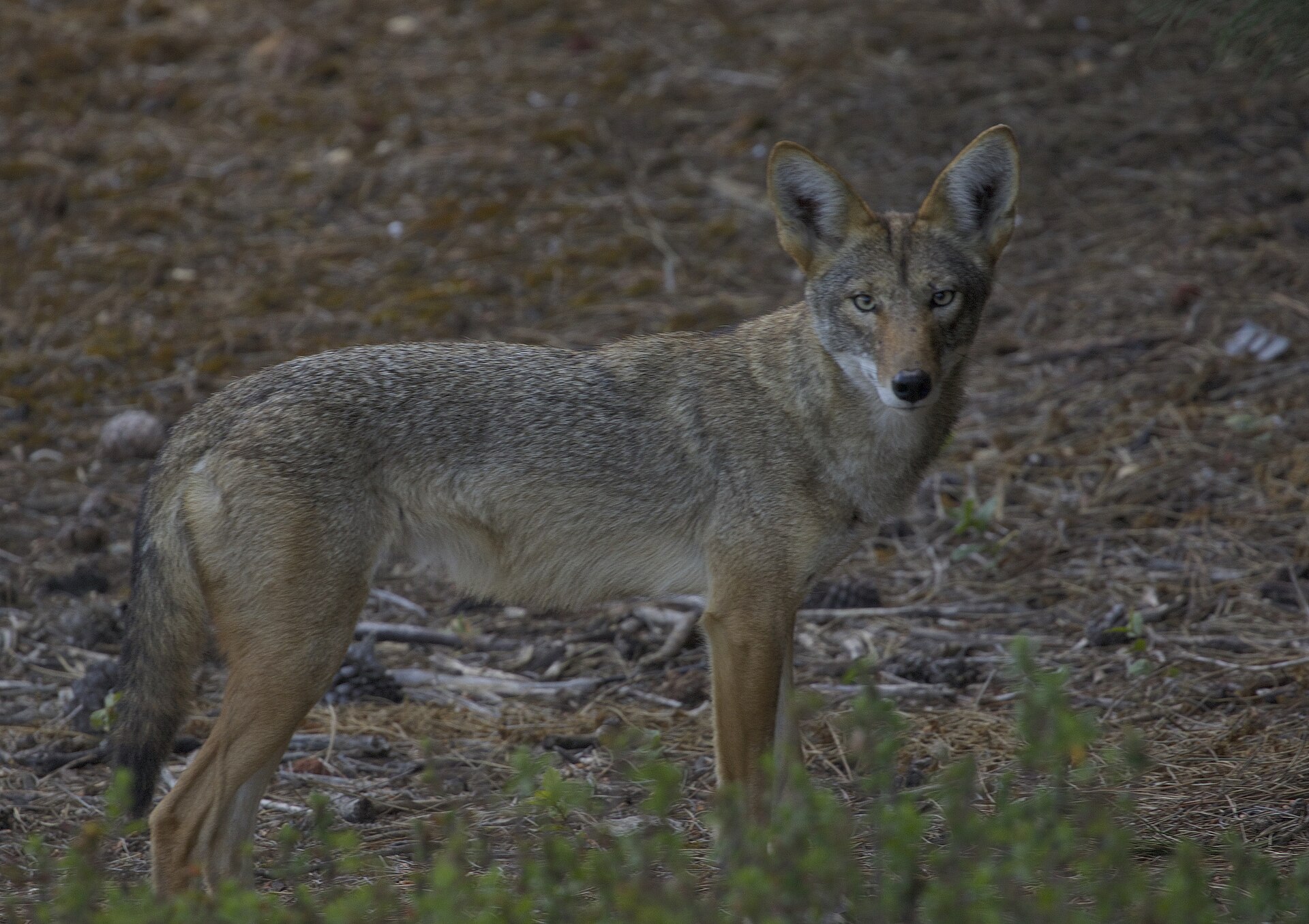
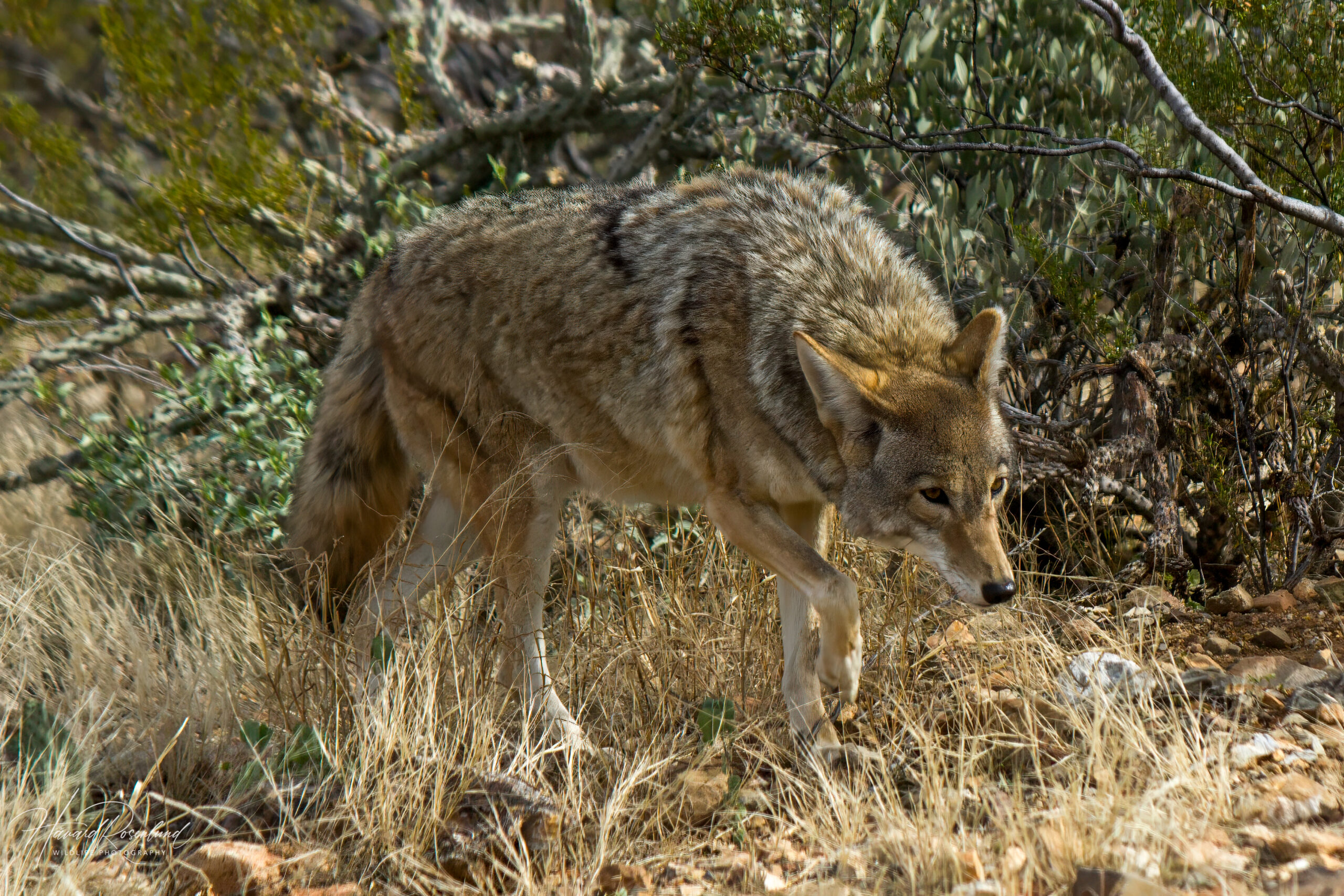
Wild coyotes (Canis latrans) and domestic dogs can live close to one another, but do they also share parasites? In Costa Rica, researchers examined faecal samples from 31 coyotes and 149 dogs to investigate gastrointestinal worms in both hosts.
The most frequently detected nematode—a parasitic roundworm—in both coyotes and dogs was the hookworm Ancylostoma caninum. This was the first molecular confirmation of A. caninum in coyotes from Costa Rica. Hookworms live as parasites in their hosts, and this species is considered zoonotic, meaning it can also infect people. In dogs, researchers also detected DNA from two other parasitic worms, Toxocara canis and Spirocerca lupi.
Genetic clues point to sharing
Variants of A. caninum showed high genetic diversity, but they did not form separate groups according to whether they came from coyotes or dogs, or from different sampling locations. This pattern is consistent with the parasite being shared between the two canids, or with recent exchange between them. It does not show which host infected the other, or establish that transmission occurred directly between coyotes and dogs.
In dogs, infection patterns differed across the study areas. Dogs sampled in Guanacaste, a region with fragmented landscapes in the study, had higher odds of nematode infection than dogs in the other sampled areas. Dogs allowed to roam freely had over 12 times the odds of testing positive for A. caninum compared with dogs kept at home. The authors suggest that roaming may increase contact with infective hookworm larvae in contaminated soil, although the study cannot establish every exposure pathway.
An exploratory analysis suggested that coyotes might help maintain A. caninum. That possibility depends, however, on how often the parasite passes between dogs and coyotes and how much the hosts’ ranges overlap. The genetic results cannot determine the direction of transmission.
The findings make contact between wildlife and domestic animals relevant to surveillance of a hookworm that can infect people. The authors argue that monitoring should consider both hosts and the places where they may encounter one another.
Disease, parasites & microbiology
Related news
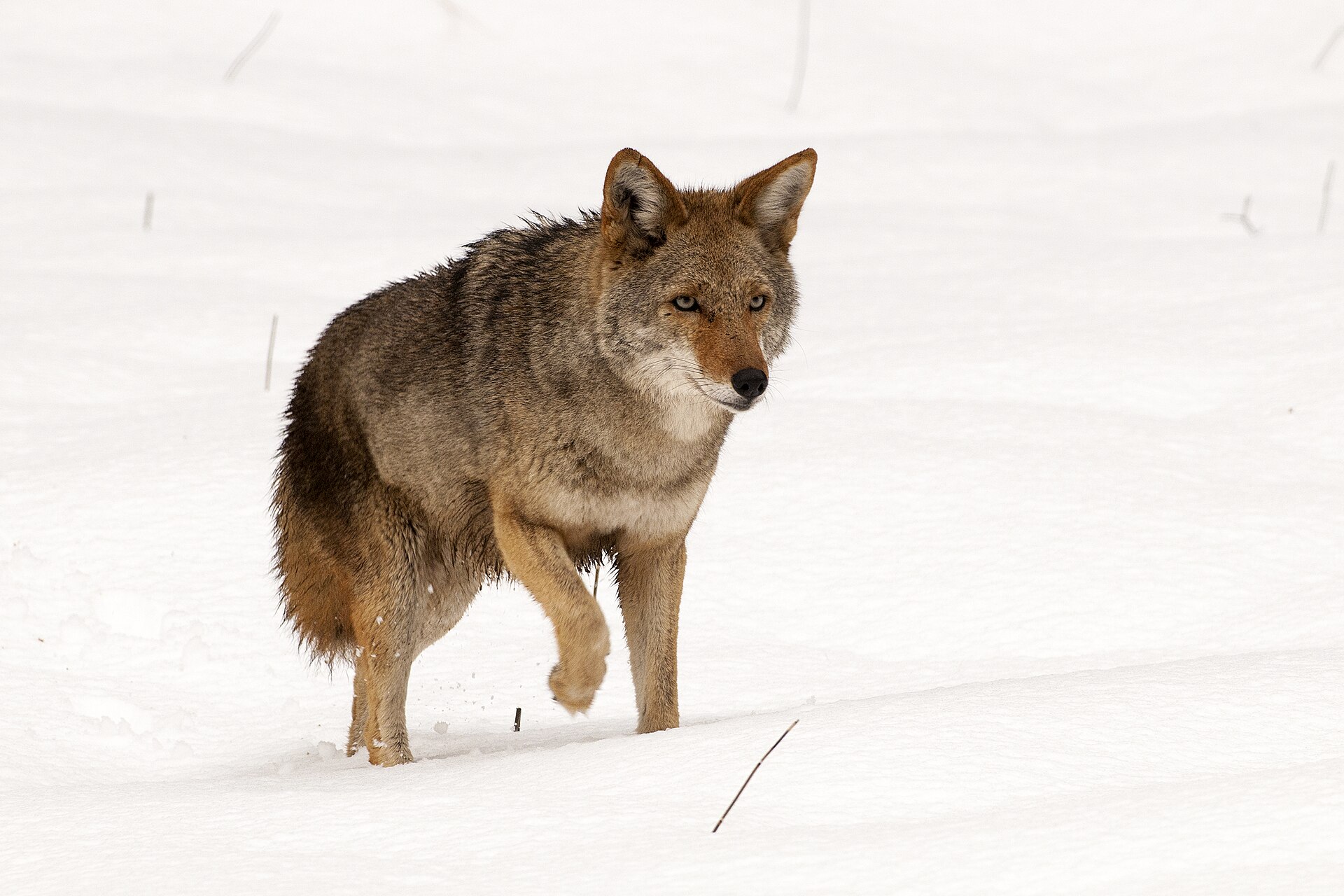
Coyote tapeworm infection is linked to farmland and managed green space near Chicago
In a study of 85 coyotes in the Chicago metropolitan area, 27.1% tested positive for Echinococcus multilocularis. Infection…
Read story →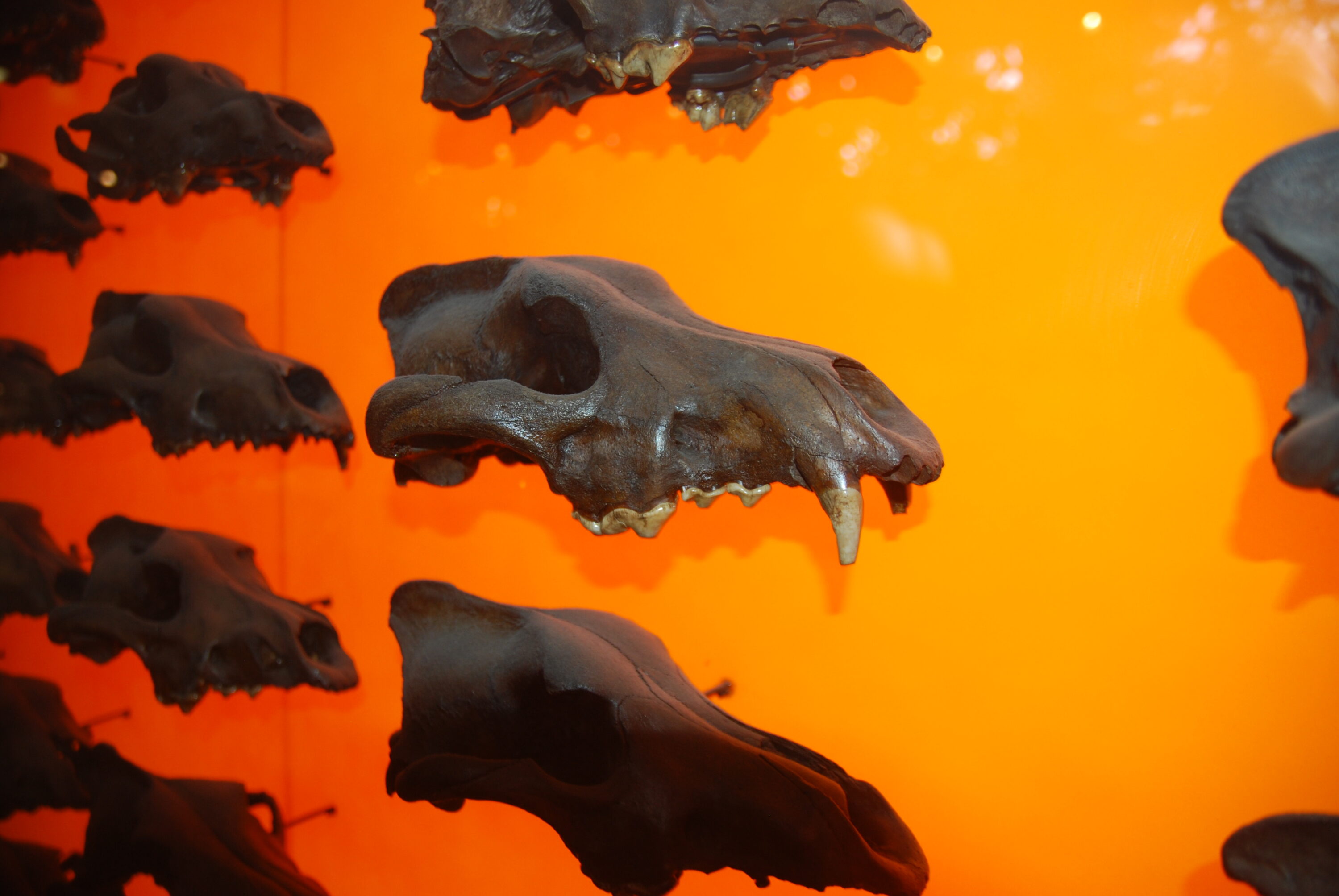
Ancient DNA recovered from dire wolf and coyote teeth at La Brea
Researchers recovered authentic ancient DNA from three of ten extracts made from dire wolf and coyote teeth at…
Read story →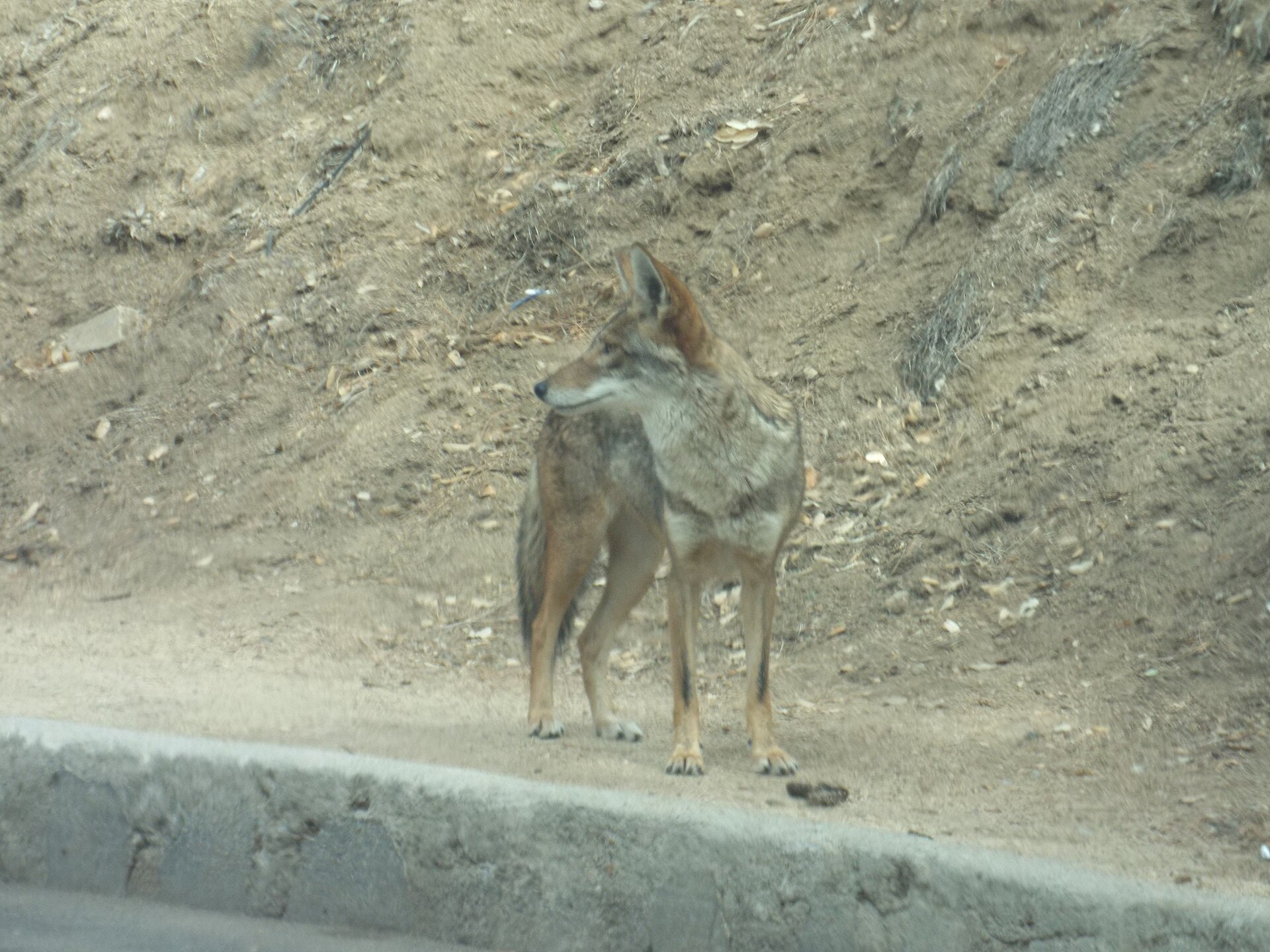
Los Angeles’s Urban Cores Absorb and Pass On Coyote Gene Variants
Genetic data from Greater Los Angeles show gene flow across four major highways. Although variants flowed strongly from…
Read story →SPECIES IN THIS STORY
Species in this story
Independent research and conservation news archive
Did you find this information useful?
Wildlife Vagabond is independently built and maintained. Voluntary support helps cover source verification, hosting and continued work on research and conservation news.
Support Wildlife VagabondThe news archive will remain freely available.