
Cuckoo Chicks’ Begging Calls Resembled Local Warblers to Different Degrees Across Three Wetlands
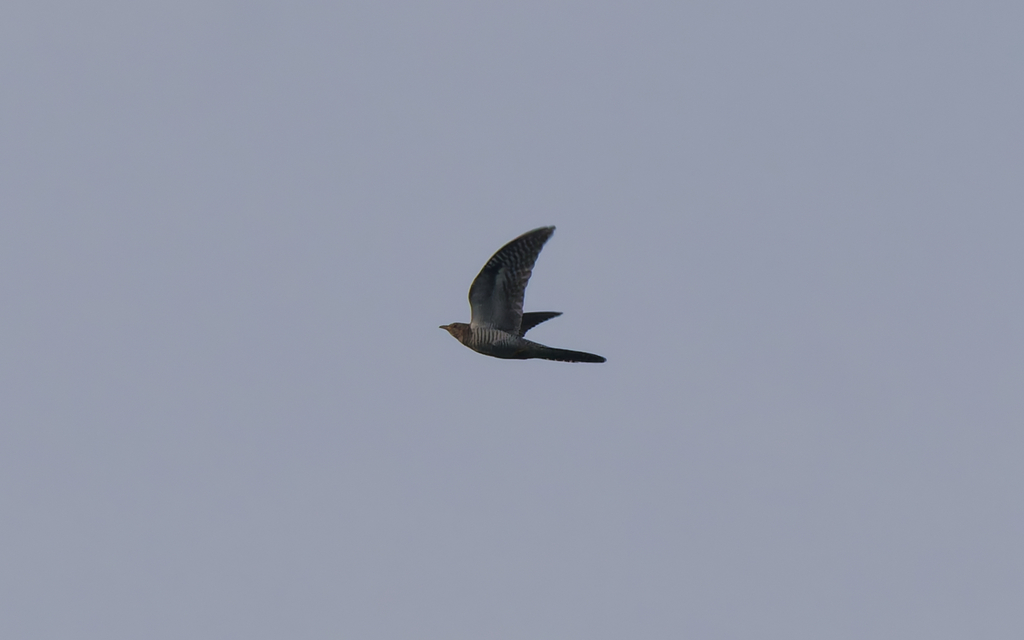
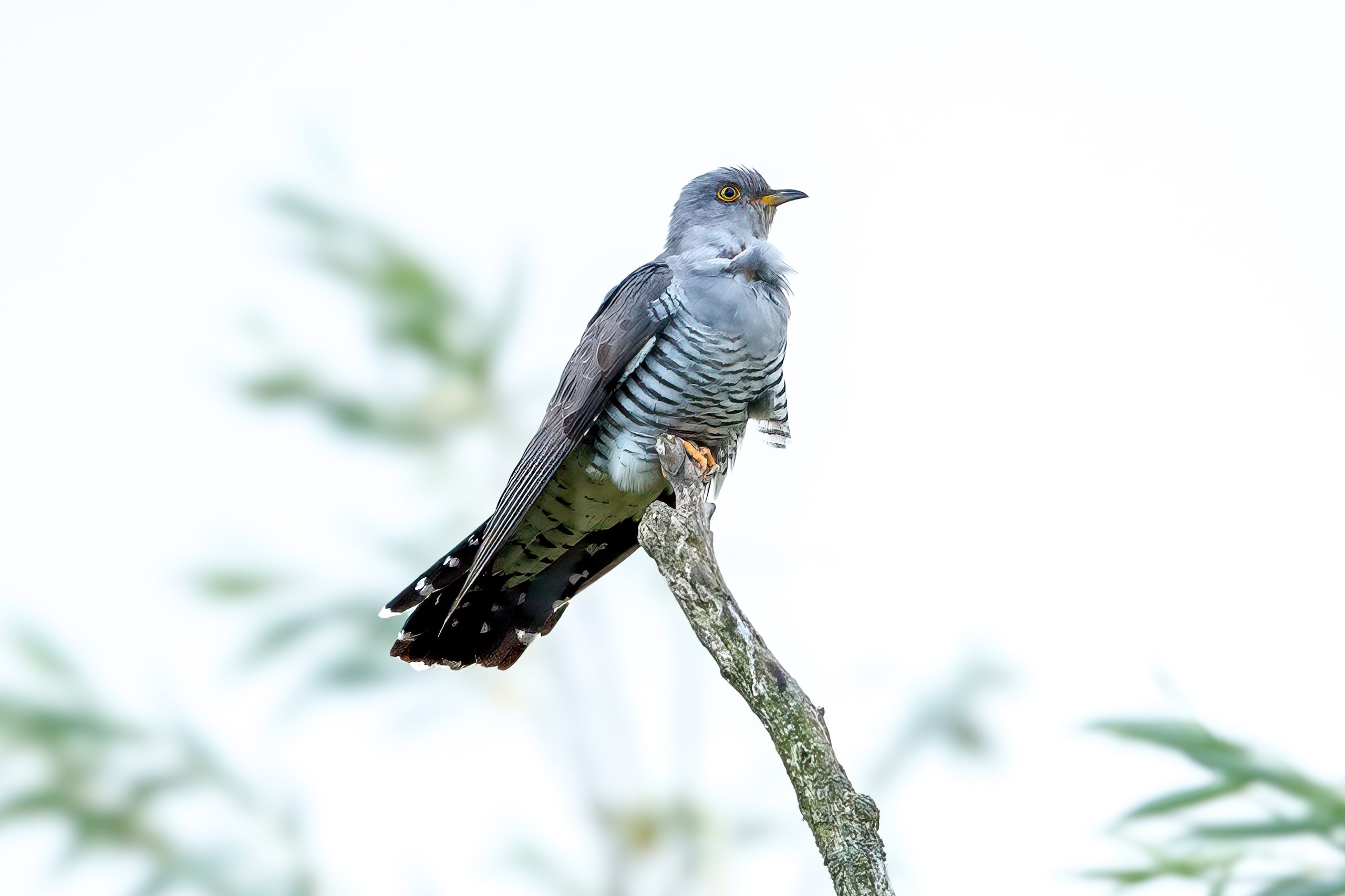
Young birds beg for food with calls that form part of communication between parents and offspring. A study of Common Cuckoo (Cuculus canorus) chicks found that some features of their begging calls resembled those of Oriental Reed Warbler (Acrocephalus orientalis) chicks at three Chinese wetlands, but the pattern varied among sites and across parts of the calls.
The Common Cuckoo is a brood parasite: it lays its eggs in other birds’ nests, leaving the host parents to raise the cuckoo chick. Resembling a host chick’s call could potentially help a young cuckoo fit into the host’s feeding communication, but this study compared recordings; it did not test how adult warblers respond.
Resemblance varied among wetlands and call features
From 2020 to 2025, researchers recorded calls from 5–6-day-old chicks at Baiyangdian, Yongnianwa and Zhalong. The recordings covered 34 cuckoo chicks—13 at Baiyangdian, 11 at Yongnianwa and 10 at Zhalong—and 45 Oriental Reed Warbler chicks—16, 17 and 12, respectively.
Across all three sites, cuckoo calls resembled warbler calls in maximum frequency and in the 95% frequency, which marks the upper edge of the range containing most of the call’s sound energy. Lower-frequency features showed more geographic variation. The 5% frequency marks the lower edge of that main energy range: it resembled local warbler calls at Baiyangdian and Yongnianwa, but not at Zhalong. Minimum frequency resembled local warbler calls only at Yongnianwa.
When the researchers compared cuckoo calls with calls from local and other-site warblers, the Baiyangdian and Yongnianwa cuckoos were more acoustically similar to local birds. At Zhalong, cuckoo calls were closer to those of warblers from other sites than to local warblers. The study’s overall assessment ranked resemblance highest at Yongnianwa, intermediate at Baiyangdian and lowest at Zhalong. Even at Yongnianwa, the calls were not exact copies.
Not every measured feature followed this geographic pattern. Cuckoo chicks produced shorter syllables than warbler chicks, while peak and center frequency did not show the same site-specific matching. The results therefore point to selective resemblance in particular call features, rather than a uniform copy of the host chick’s call.
Call resemblance and local parasitism rates
Earlier studies cited by the researchers reported that Common Cuckoo parasitism rates differed among the three areas: about 14.8% at Yongnianwa, 20.9% at Baiyangdian and 65.5% at Zhalong. The strongest call resemblance was therefore found at the site with the lowest reported parasitism rate, while the weakest was at the site with the highest. The authors suggest that the populations may differ in their stage of coevolution with their hosts, but this study does not show that parasitism rates caused the call differences.
Overall, the study shows that resemblance was selective and geographically structured: some high-frequency features were similar across all three populations, while matching in lower-frequency features varied among wetlands. The calls were not complete copies of the host chicks’ begging calls.
Behaviour
Related news
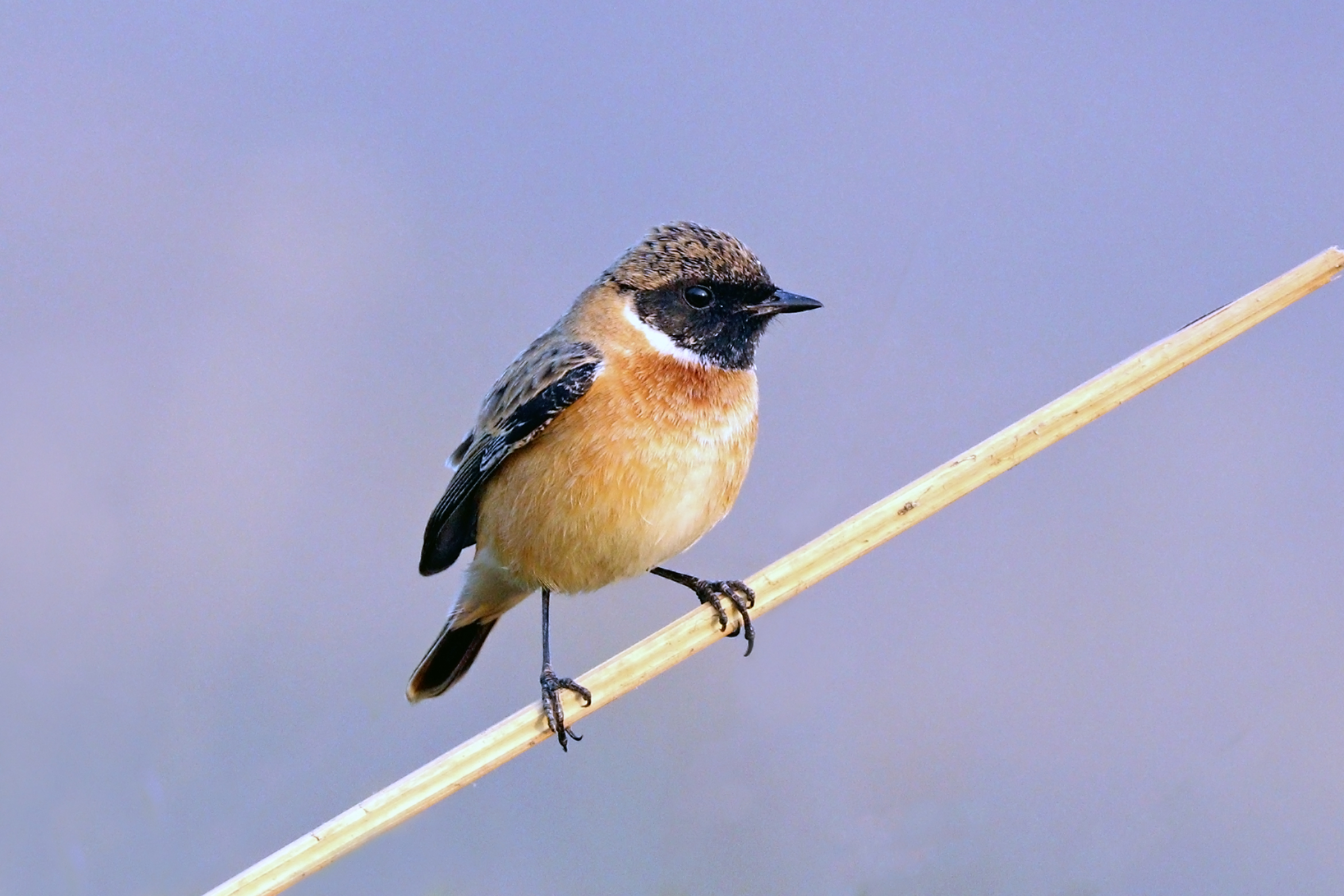
Egg Rejection Did Not Clearly Increase After Cuckoo Arrival in Two Host Species
Grey bushchats and Siberian stonechats showed no clear increase in foreign-egg rejection after common cuckoos arrived. The result…
Read story →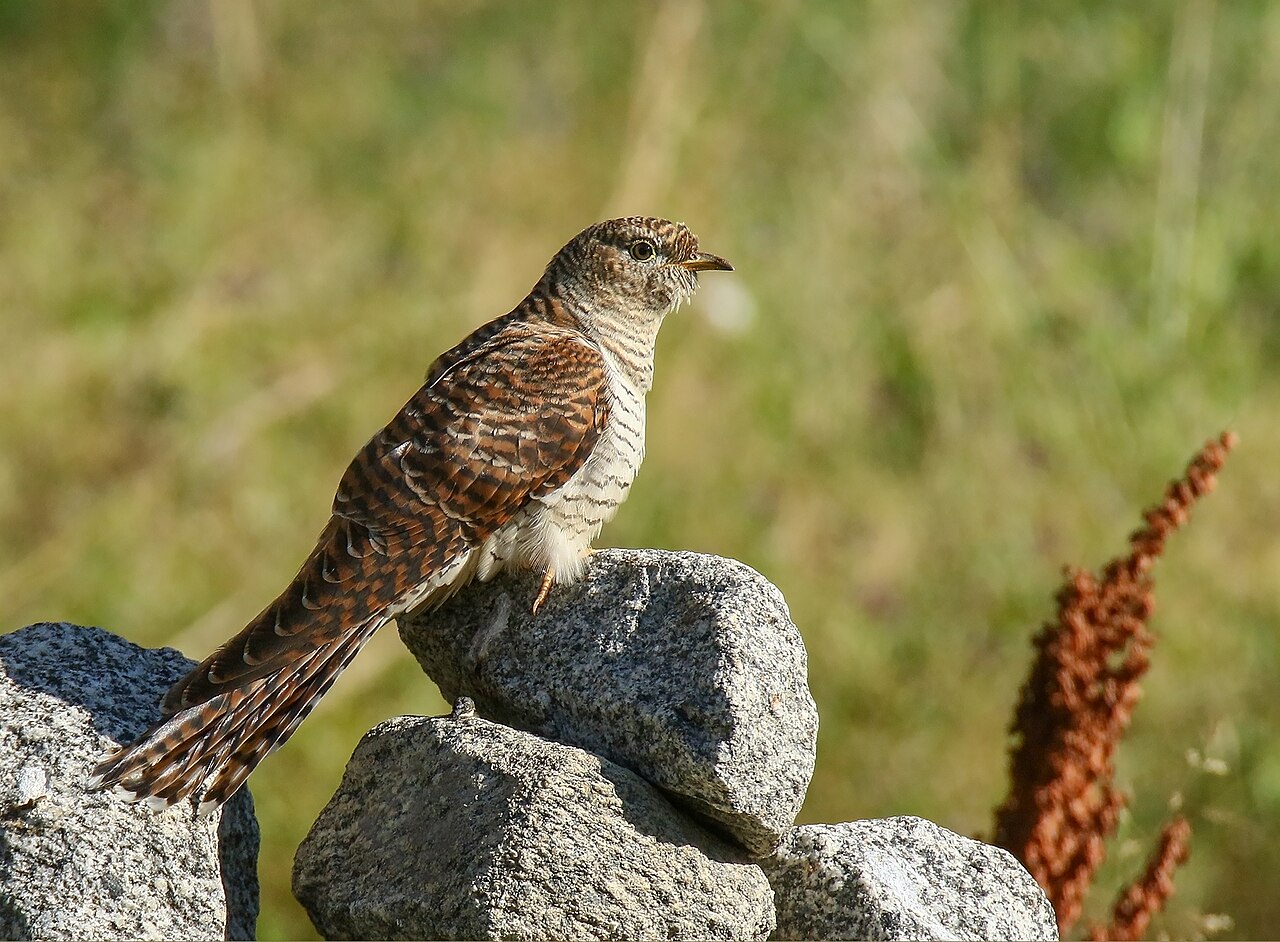
Cuckoos Use Two Different Strategies to Lay Eggs in Redstart Nests
Video from Finnish redstart nest boxes provides the first direct evidence that common cuckoos use two egg-laying strategies,…
Read story →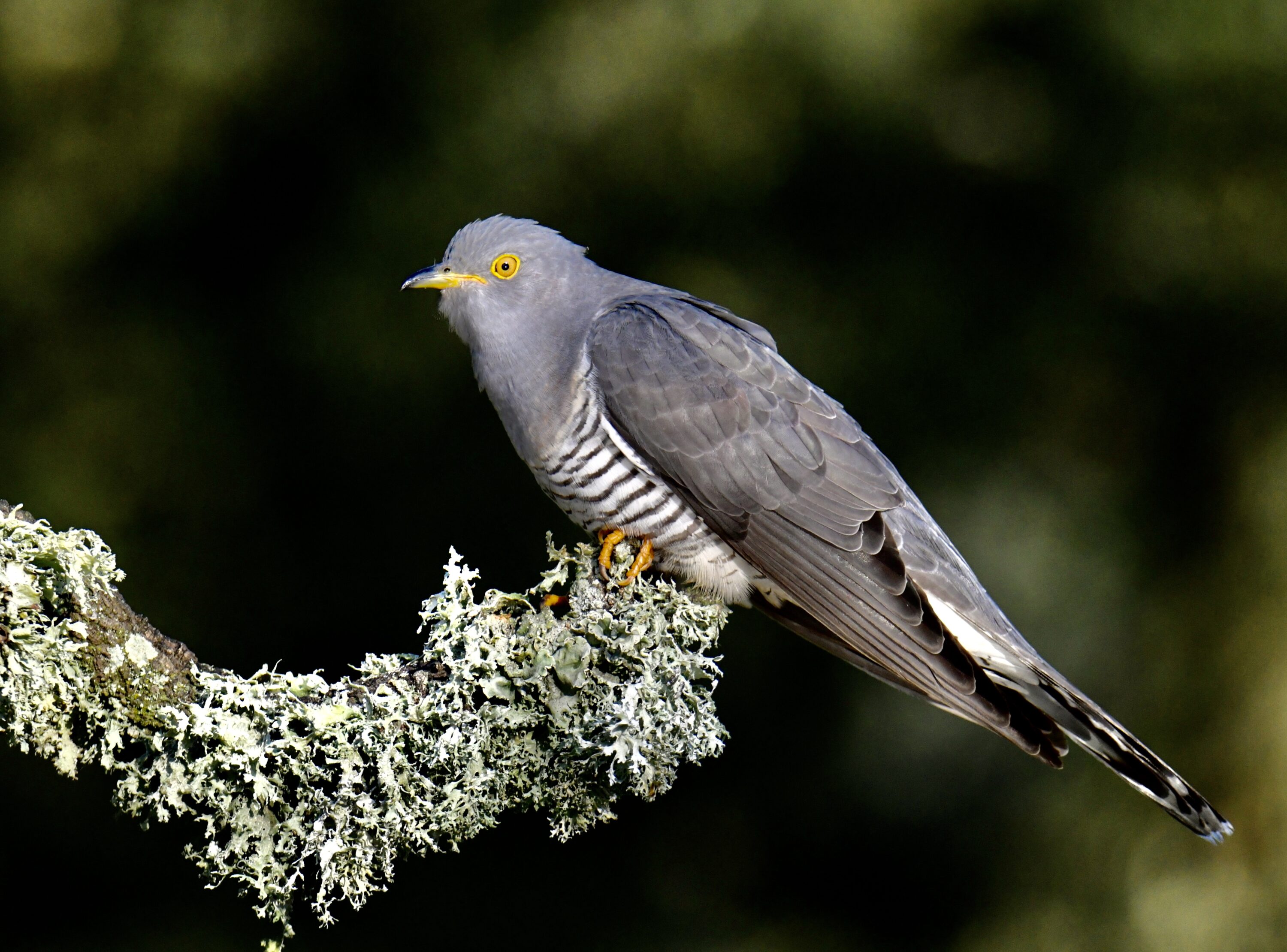
Models Highlighted Iberian Mountains and the Po Watershed as Key Stopover Regions for UK Common Cuckoos
Models based on satellite tracks from 88 UK-breeding male common cuckoos highlighted Iberian mountain ranges and the Po…
Read story →SPECIES IN THIS STORY
Species in this story
Independent research and conservation news archive
Did you find this information useful?
Wildlife Vagabond is independently built and maintained. Voluntary support helps cover source verification, hosting and continued work on research and conservation news.
Support Wildlife VagabondThe news archive will remain freely available.