
Egg Rejection Did Not Clearly Increase After Cuckoo Arrival in Two Host Species
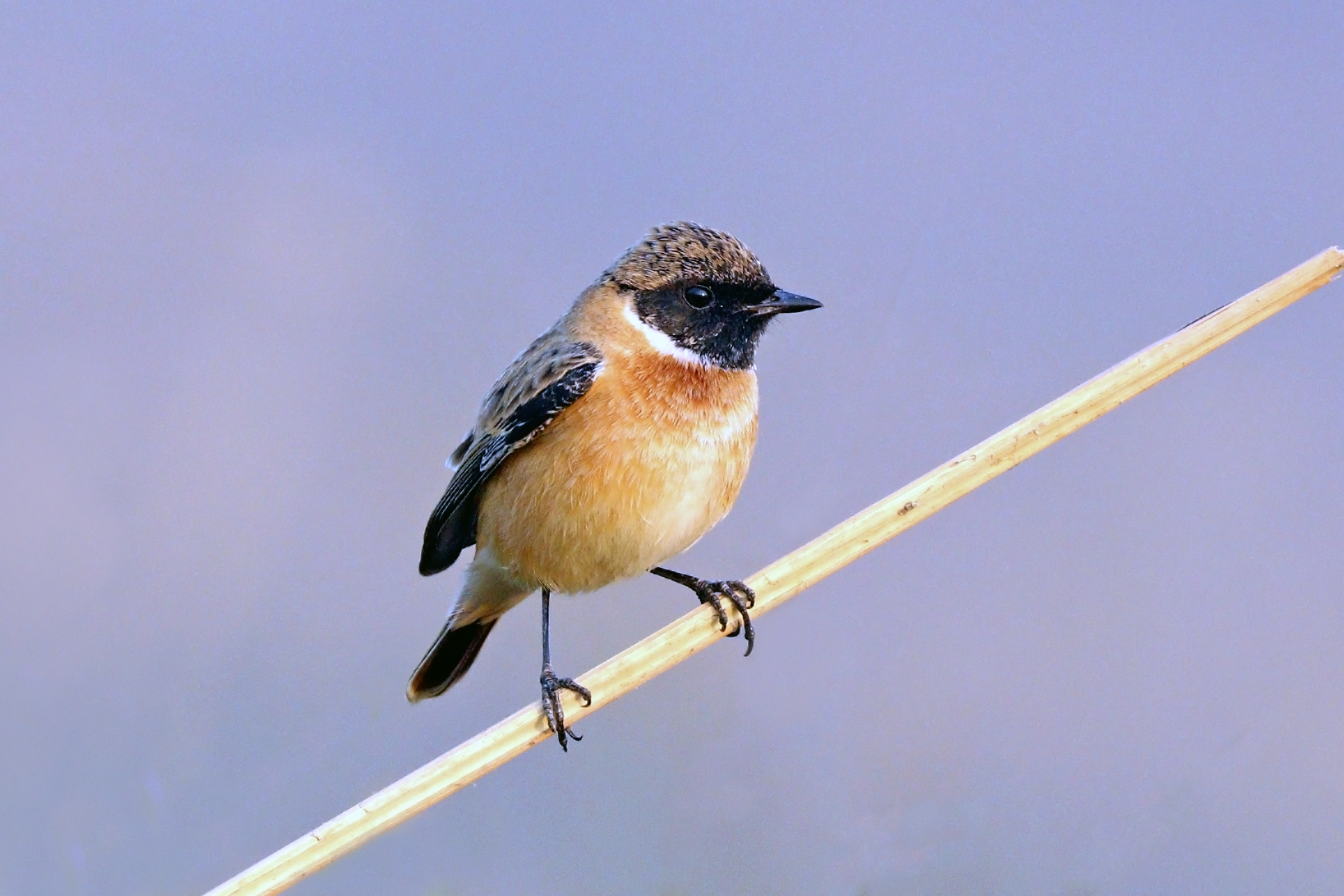
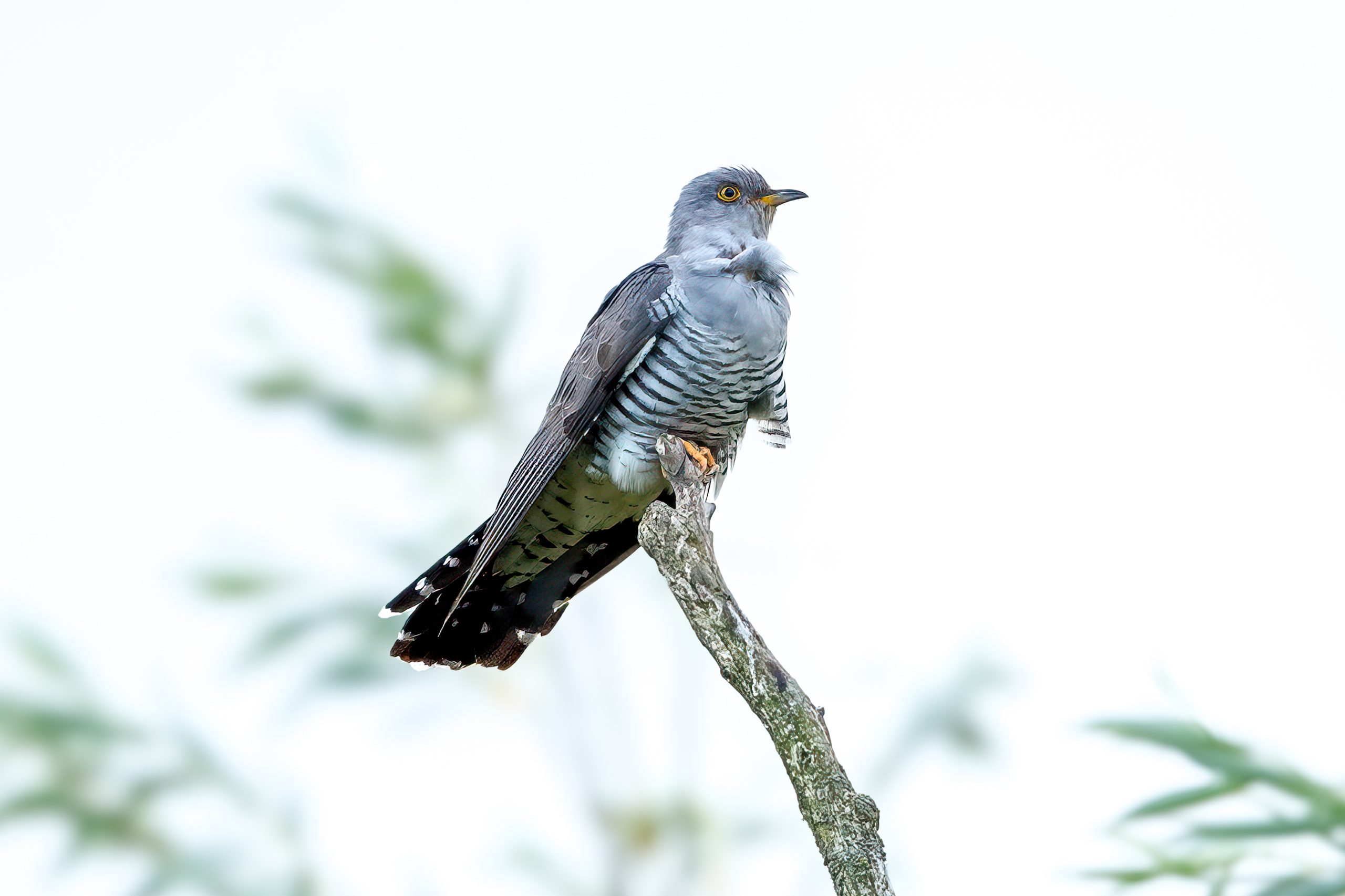
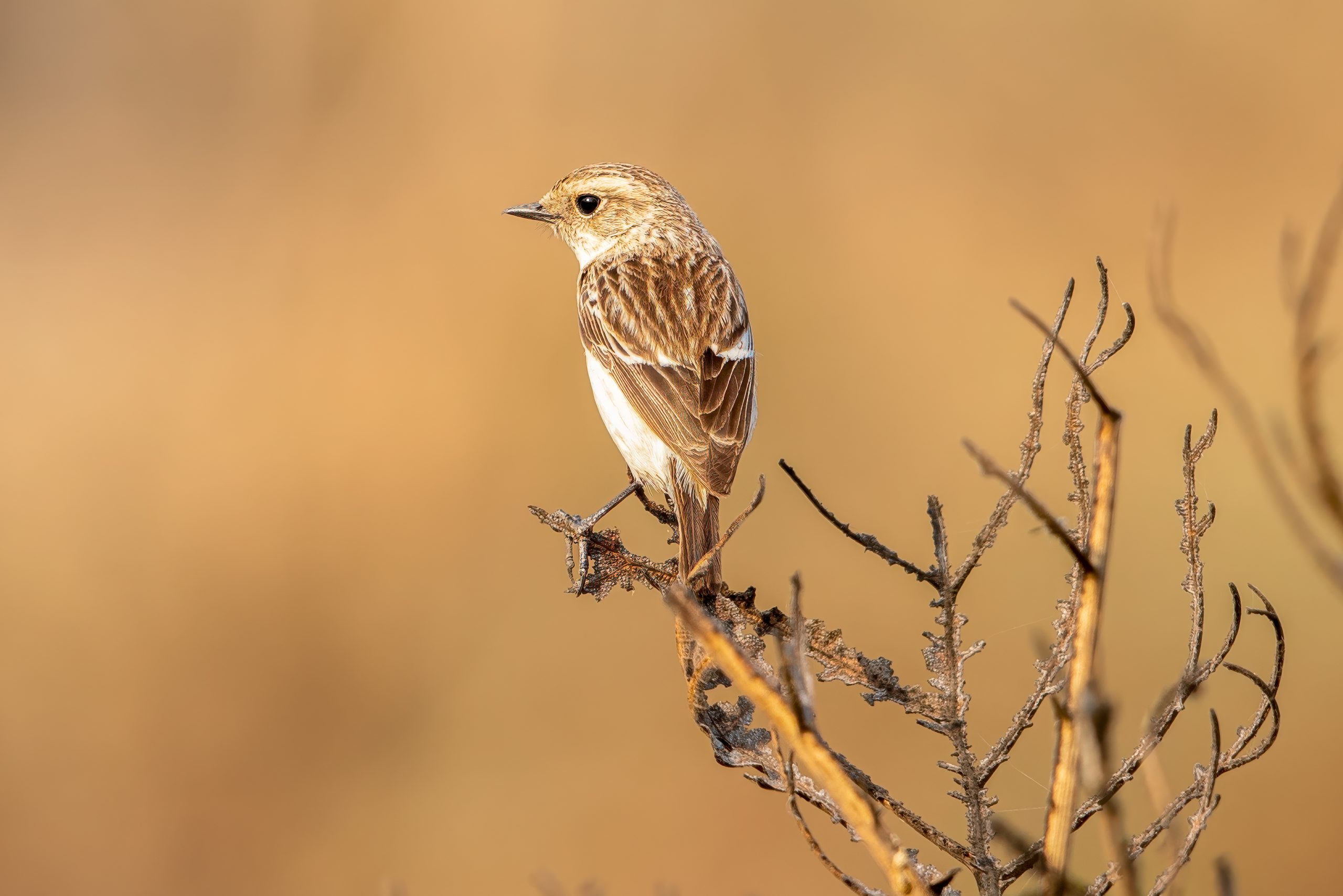
Common cuckoos (Cuculus canorus) lay eggs in other birds’ nests, leaving the hosts to rear the cuckoo chick. One host defence is to recognise and reject a foreign egg. In Liuzhi, China, grey bushchats (Saxicola ferreus) and Siberian stonechats (Saxicola maurus) showed no clear increase in egg rejection after cuckoos arrived at their breeding grounds. The result gave no support to the idea that these hosts strengthen egg rejection over the short term as the seasonal risk of brood parasitism rises.
The two closely related hosts differ in how well they recognise foreign eggs. Researchers used two types of experimental egg to create moderate and low rejection levels, then compared the birds’ responses before and after the cuckoo’s migratory arrival. This allowed them to test whether egg-recognition ability or the type of foreign egg changed how the hosts responded to the seasonal shift in parasitism risk.
The analyses did not support a clear before-versus-after change in rejection rate for either host, regardless of their differing egg-recognition ability or the experimental egg type. In other words, the arrival of the brood parasite did not predict a stronger egg-rejection response in either species under the conditions tested.
The authors therefore found no support for within-season adjustment of egg rejection in these two species. They suggest that future work examine other sources of variation within host populations, including anti-parasite adaptations, breeding experience associated with age structure and mating systems.
Behaviour
Related news
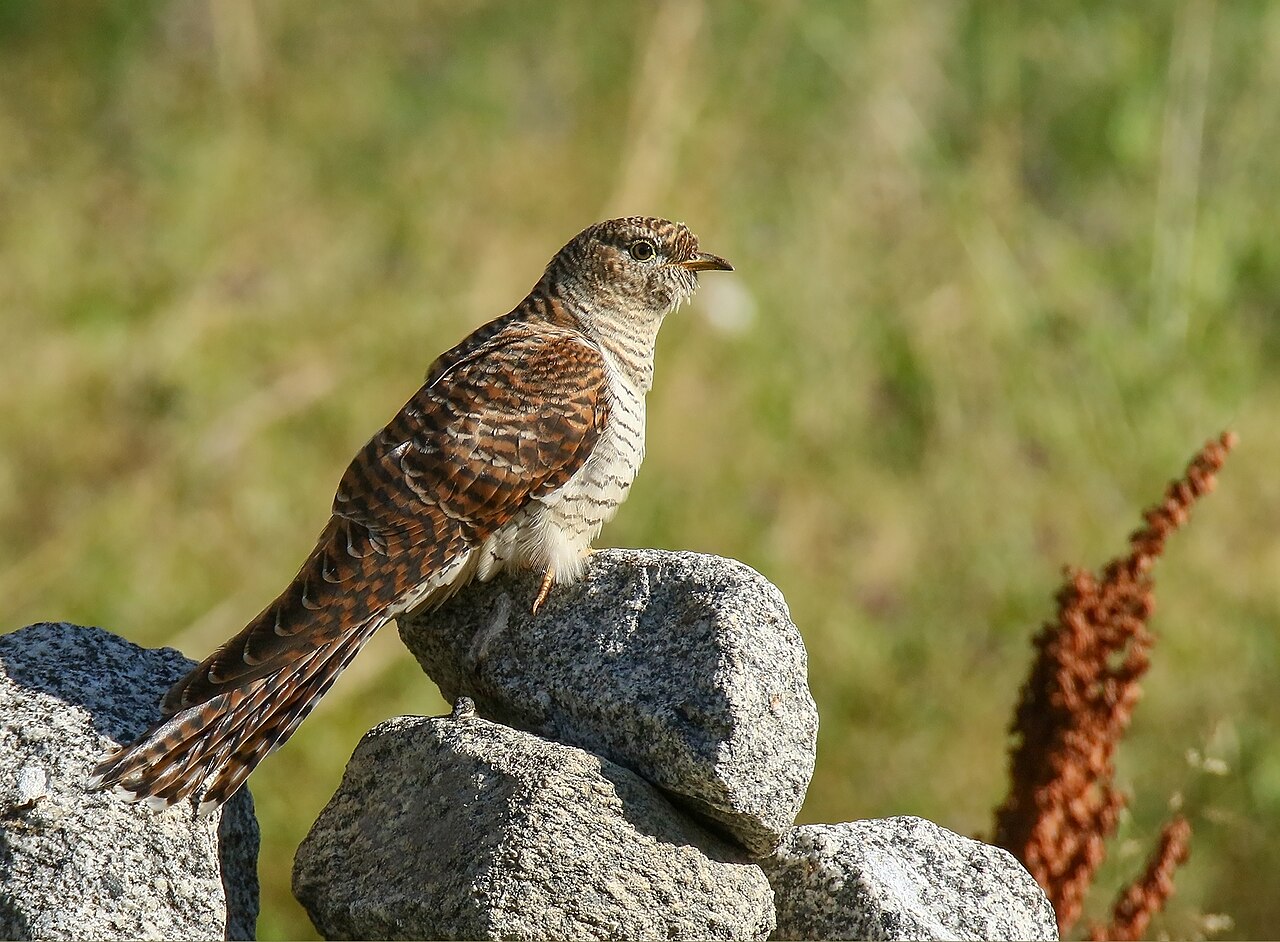
Cuckoos Use Two Different Strategies to Lay Eggs in Redstart Nests
Video from Finnish redstart nest boxes provides the first direct evidence that common cuckoos use two egg-laying strategies,…
Read story →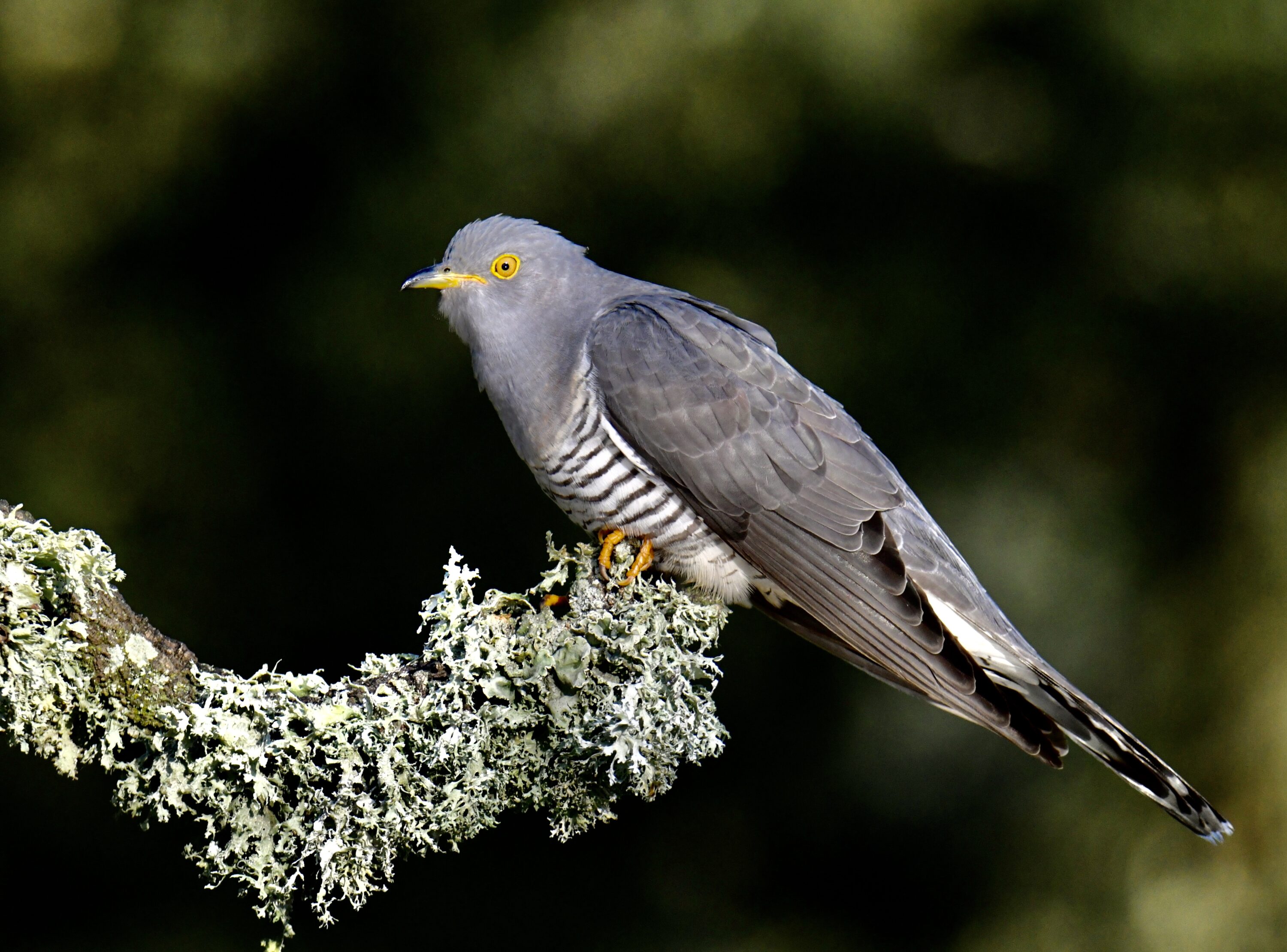
Models Highlighted Iberian Mountains and the Po Watershed as Key Stopover Regions for UK Common Cuckoos
Models based on satellite tracks from 88 UK-breeding male common cuckoos highlighted Iberian mountain ranges and the Po…
Read story →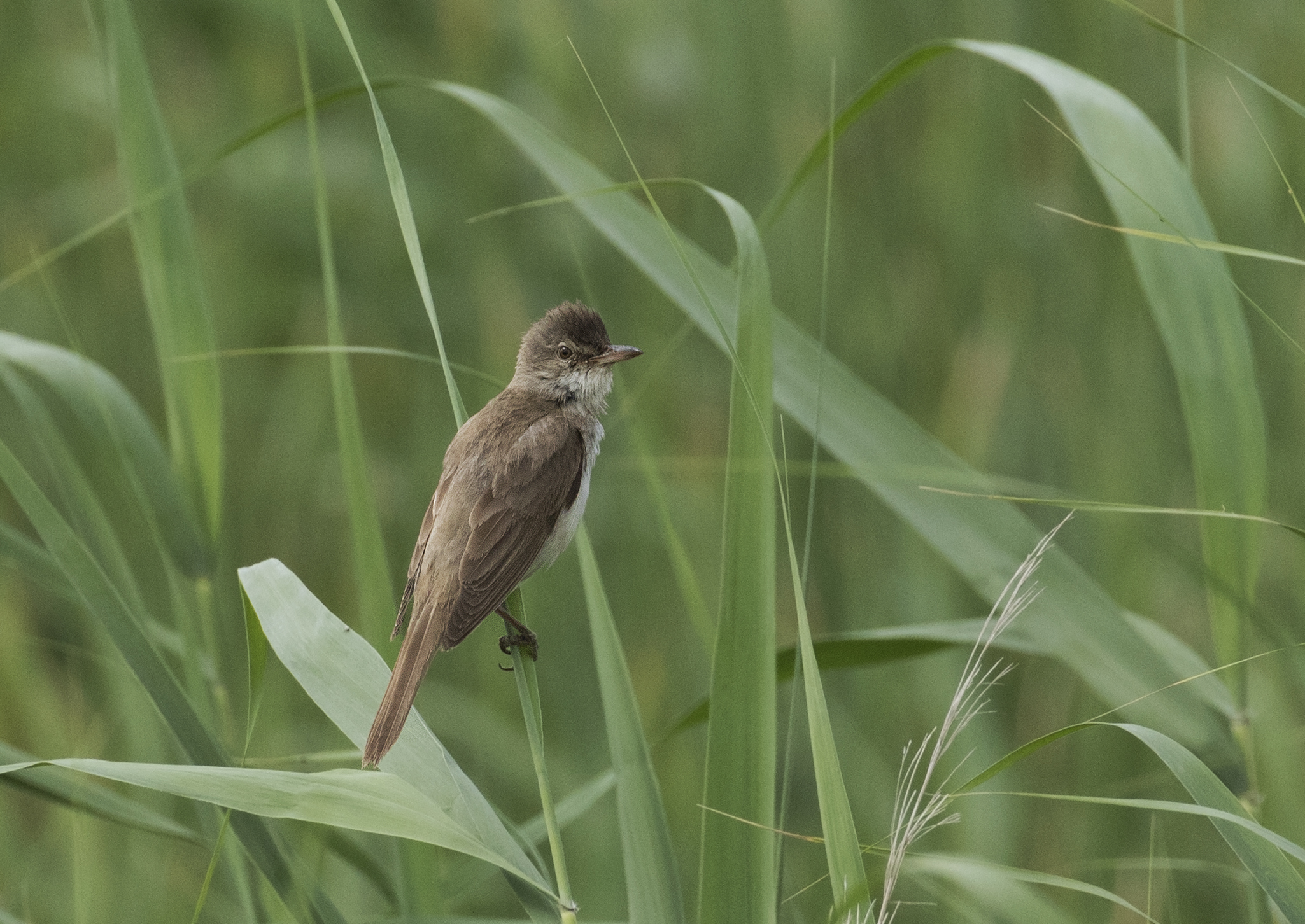
89% of Recorded Common Cuckoo Egg-laying at Great Reed Warbler Nests Occurred After 14:00
Across five breeding seasons in the Czech Republic, video documented 200 Common Cuckoo egg-laying events at 132 Great…
Read story →SPECIES IN THIS STORY
Species in this story
Independent research and conservation news archive
Did you find this information useful?
Wildlife Vagabond is independently built and maintained. Voluntary support helps cover source verification, hosting and continued work on research and conservation news.
Support Wildlife VagabondThe news archive will remain freely available.