
89% of Recorded Common Cuckoo Egg-laying at Great Reed Warbler Nests Occurred After 14:00
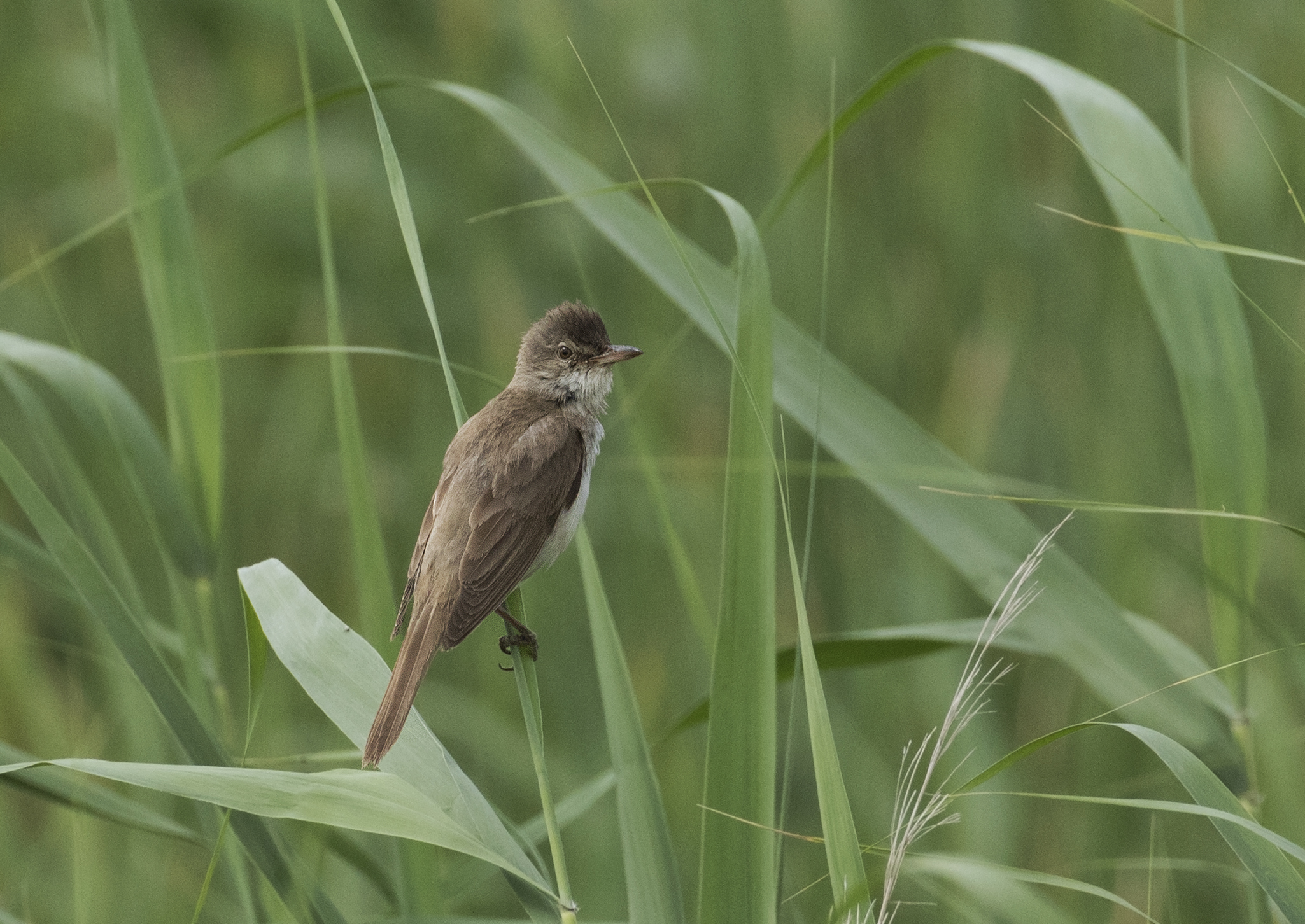
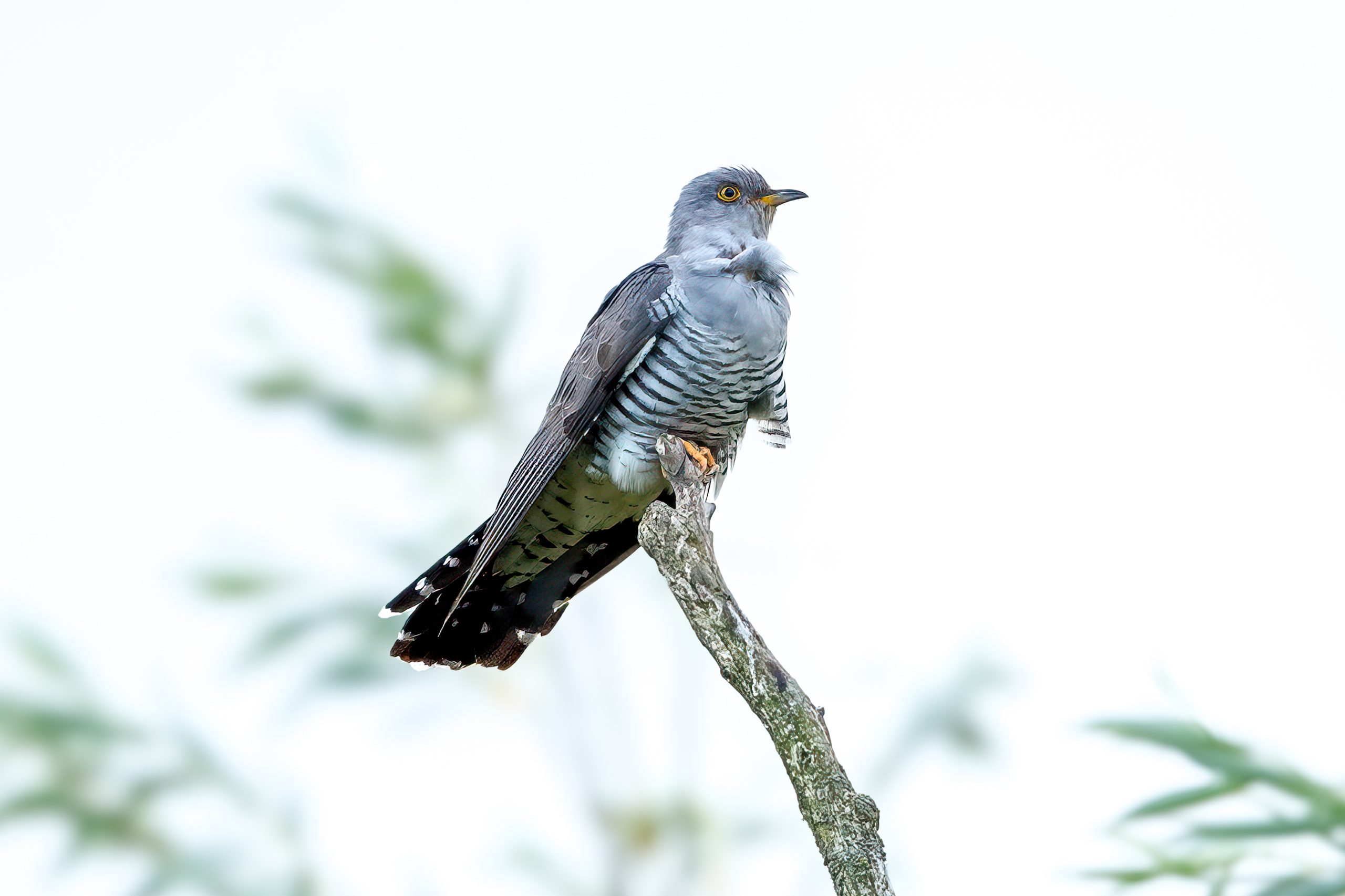
Across five breeding seasons between 2016 and 2022, researchers filmed 200 Common Cuckoo (Cuculus canorus) egg-laying events at 132 active Great Reed Warbler (Acrocephalus arundinaceus) nests near Mutěnice and Lužice in the Czech Republic. As a brood parasite, the cuckoo lays its egg in a host nest and relies on the host to incubate the parasitic egg and, if it hatches, feed the chick. The timing was strongly concentrated: 53.5% of events occurred on the first two days of host egg-laying, and 89% occurred after 14:00, with the highest frequency between 18:00 and 20:00.
To examine how this pattern related to host behaviour, the researchers analysed continuous nest attendance across the full focal laying period at 15 Great Reed Warbler nests. Early in the laying period, the hosts spent more time at their nests in the morning and less in the late afternoon and evening. Cuckoo parasitism timing was negatively associated with host nest attendance at this early stage, when laying early also gives a cuckoo egg a better chance of hatching before the host eggs.
The relationship was not a simple case of cuckoos laying when hosts were least likely to detect them. The estimated probability that a host encountered the cuckoo while it laid its egg increased later in the day. This calculation was based on recorded successful parasitism events, so failed egg-laying attempts were not represented. Host nest attendance also rose during the afternoon and evening as the laying period progressed, while parasitism became less frequent, yet cuckoos retained a strong afternoon egg-laying pattern. The authors therefore conclude that host attendance contributes to the timing pattern, especially early in laying, but cannot explain it on its own.
The seven individually identified cuckoo females showed a moderate tendency to lay at similar times of day, but uncertainty was broad and a stable individual difference was not securely established. They showed little consistency in which day of the host laying period they parasitised nests. Taken together, the study suggests that cuckoo egg-laying is structured on two time scales—early in the host laying cycle and late in the day—but reflects more than a single strategy of avoiding the host.
Behaviour
Related news
Egg Rejection Did Not Clearly Increase After Cuckoo Arrival in Two Host Species
Grey bushchats and Siberian stonechats showed no clear increase in foreign-egg rejection after common cuckoos arrived. The result…
Read story →
Cuckoos Use Two Different Strategies to Lay Eggs in Redstart Nests
Video from Finnish redstart nest boxes provides the first direct evidence that common cuckoos use two egg-laying strategies,…
Read story →
Models Highlighted Iberian Mountains and the Po Watershed as Key Stopover Regions for UK Common Cuckoos
Models based on satellite tracks from 88 UK-breeding male common cuckoos highlighted Iberian mountain ranges and the Po…
Read story →SPECIES IN THIS STORY
Species in this story
Independent research and conservation news archive
Did you find this information useful?
Wildlife Vagabond is independently built and maintained. Voluntary support helps cover source verification, hosting and continued work on research and conservation news.
Support Wildlife VagabondThe news archive will remain freely available.