
Dunnock feeding visits alternated, but showed little evidence of active coordination
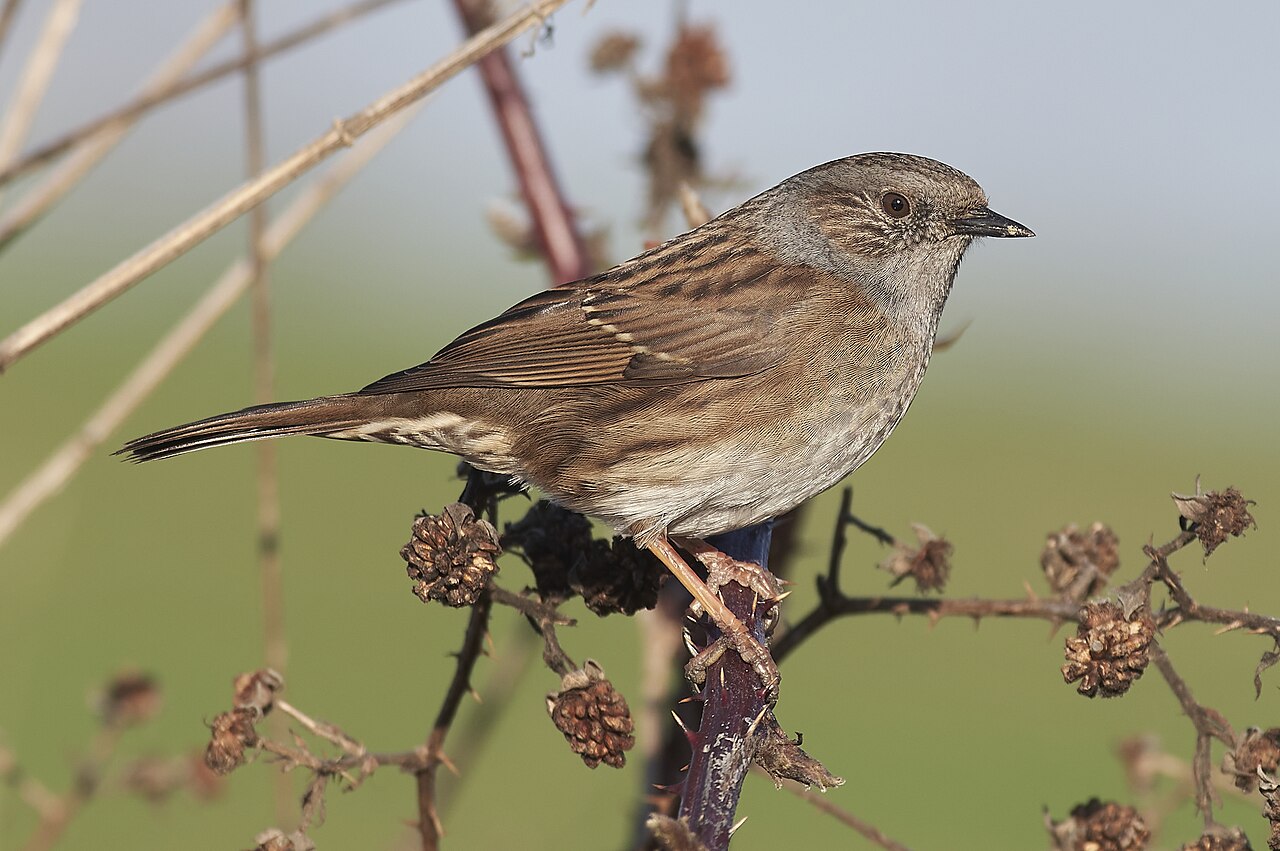
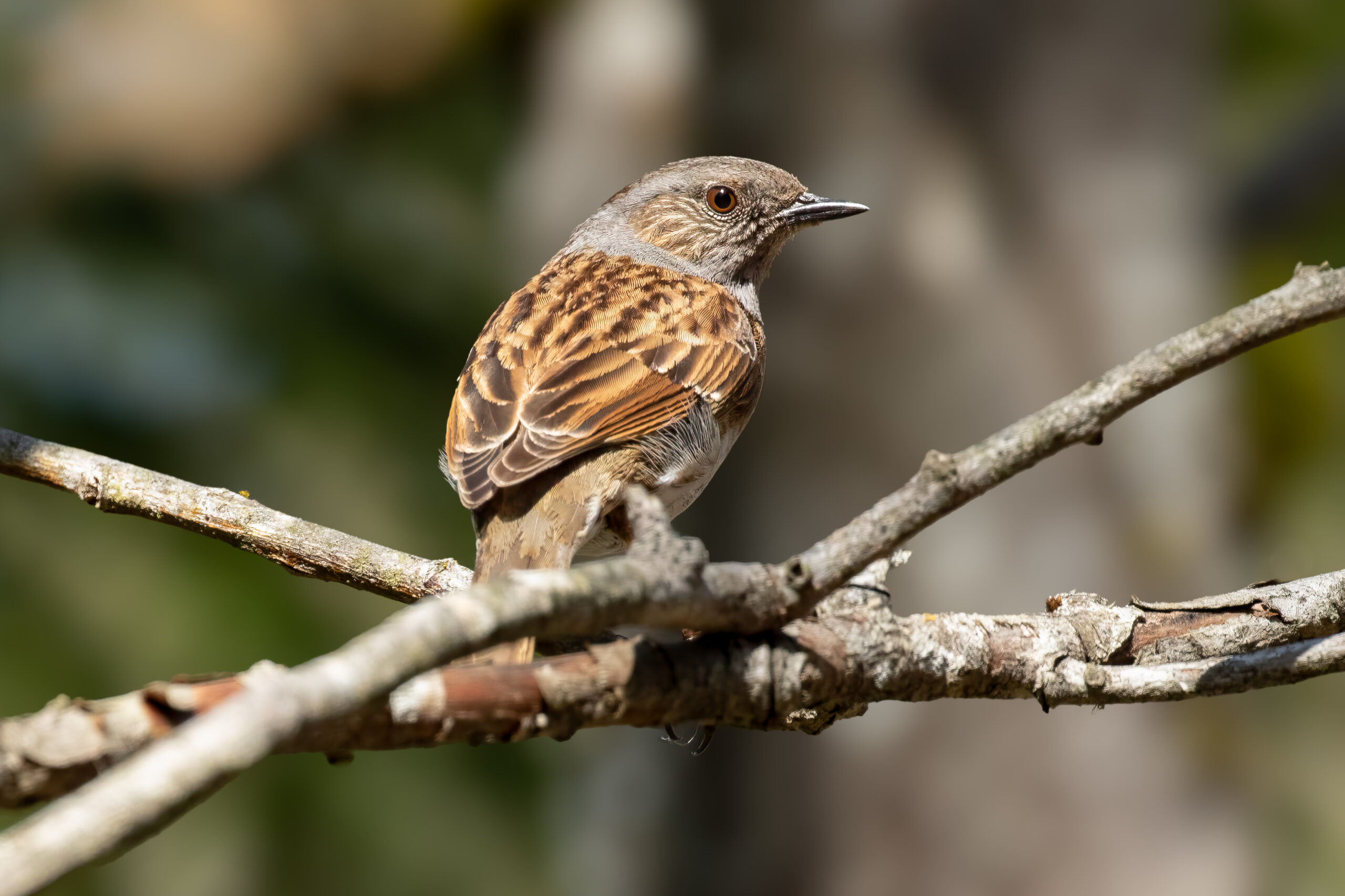
Dunnock (Prunella modularis) carers often arrived at the nest in turn to feed their nestlings. But a sequence that looks like turn-taking does not necessarily mean that the birds are coordinating. Each bird’s own pattern of visits can produce alternation even if it does not respond to another carer.
Researchers examined 4,376 feeding visits in 297 nest watches at 163 nests in Dunedin Botanic Garden, New Zealand. The observations spanned seven breeding seasons, from 2009/10 to 2015/16, and were filmed when chicks were eight or nine days old. The researchers compared pairs consisting of one female and one male with polyandrous trios, in which one female bred with two males.
Frequent alternation was not enough to show coordination
A visit counted as alternating when a different carer made the next visit. By that measure, visits alternated on 76.9% of opportunities in pairs and in 73.2% of visits between females and males in trios.
To test whether carers were responding to one another, the researchers compared the observed visit sequences with versions in which carers could not respond to each other. These comparisons preserved different parts of each bird’s visiting pattern, including the gaps between its own visits. Comparisons that did not preserve those individual intervals showed 8.3–14.9 percentage points more alternation than expected in pairs. But when each bird’s own intervals were retained, the excess fell to 2.5 percentage points, an uncertain difference. When the order of those intervals was also retained, it was just 0.3 points. Pairs of birds from different nests, which could not coordinate with one another, showed a similar 1.8-point excess against the interval-preserving comparison.
In trios, alternation between females and males, and among all three carers, did not exceed what their individual visiting patterns could produce. The researchers also found no detectable difference in alternation between pairs and trios, though differences of a few percentage points could not be ruled out.
Together, the results suggest that much of the apparent turn-taking can arise from carers’ individual visiting patterns and shared changes in their pace of visiting, rather than active coordination. That distinction matters when interpreting animal cooperation: seeing carers alternate does not establish that one times its visit in response to another. The study found little detectable coordination in this introduced, resident population in Dunedin; it does not show that dunnocks never coordinate their care. The work is a preprint and has not yet been peer reviewed.
Behaviour
Related news
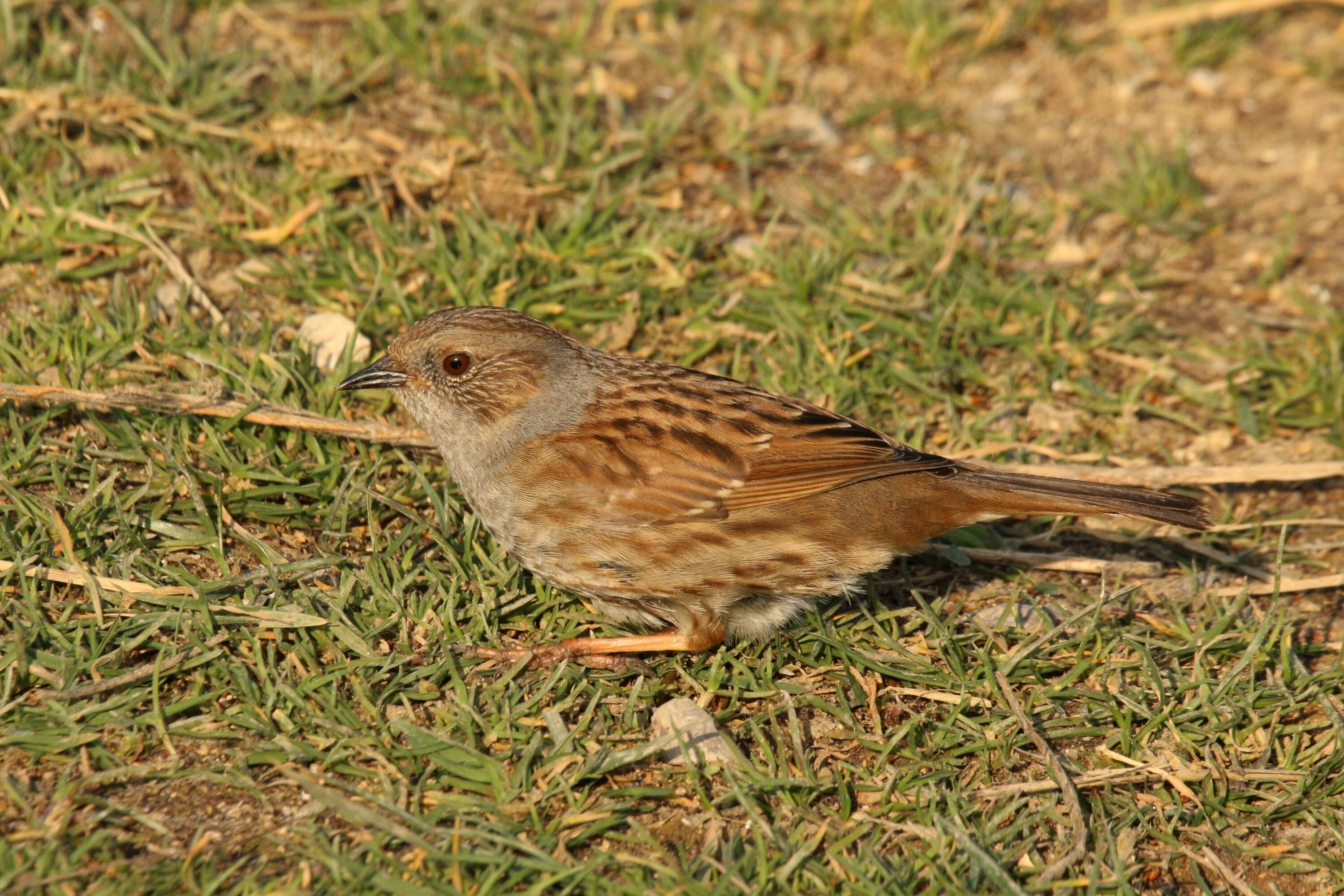
Dunnock pox cases were most often recorded in August
A 15.5-year study in Somerset, England, found avian pox mainly in young dunnocks in late summer. Researchers detected…
Read story →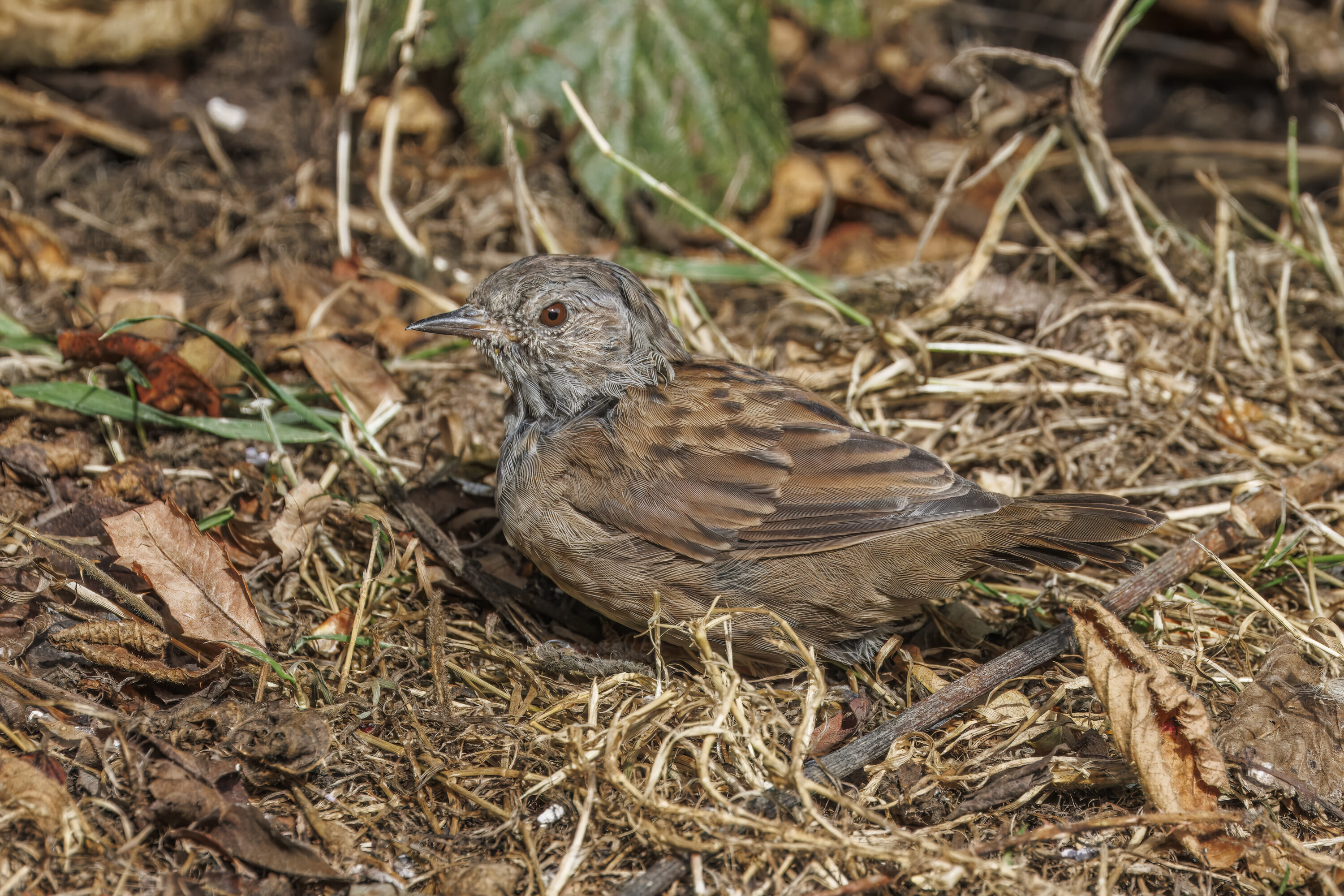
Dunnocks Are Passing Through Earlier in Spring
Over six decades, dunnocks passed Hel in northern Poland progressively earlier in spring. The midpoint shifted forward by…
Read story →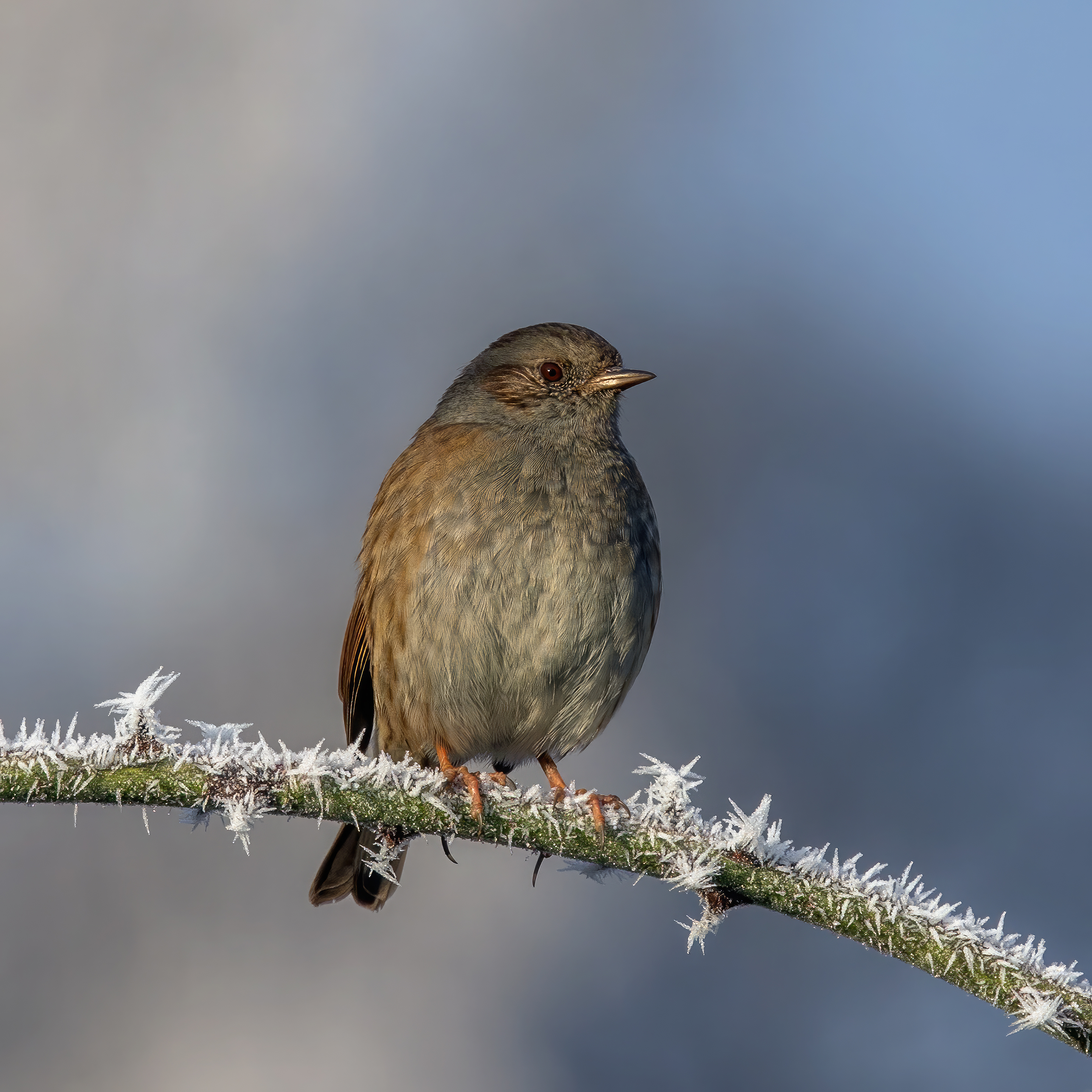
No Evidence of Lower Apparent Survival in Dunnocks With Avian Pox in 15.5-Year Study
A 15.5-year study of 588 wild dunnocks estimated an 8.3% lifetime prevalence of visible avian pox but found…
Read story →SPECIES IN THIS STORY
Species in this story
Independent research and conservation news archive
Did you find this information useful?
Wildlife Vagabond is independently built and maintained. Voluntary support helps cover source verification, hosting and continued work on research and conservation news.
Support Wildlife VagabondThe news archive will remain freely available.