
Dunnocks Are Passing Through Earlier in Spring
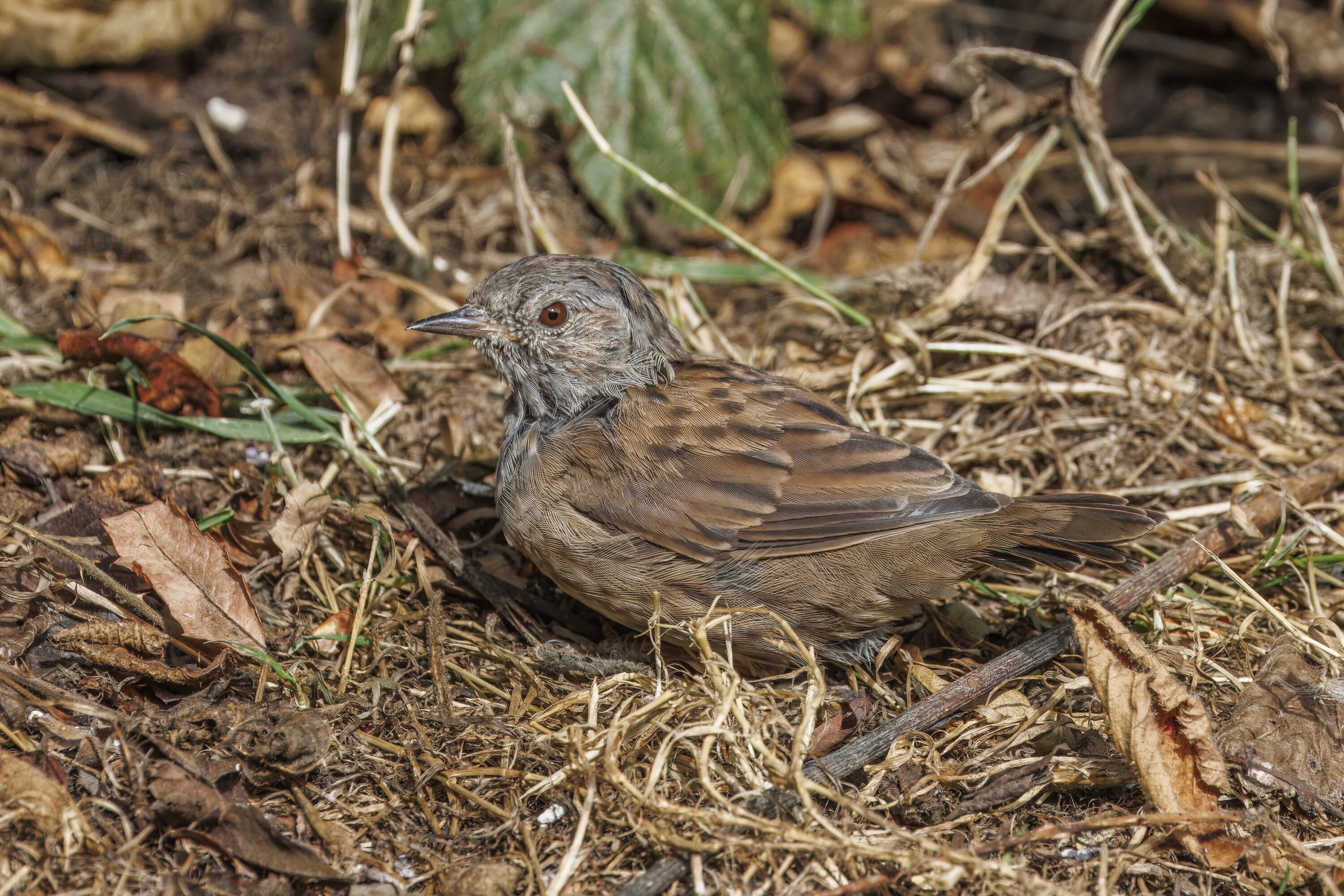
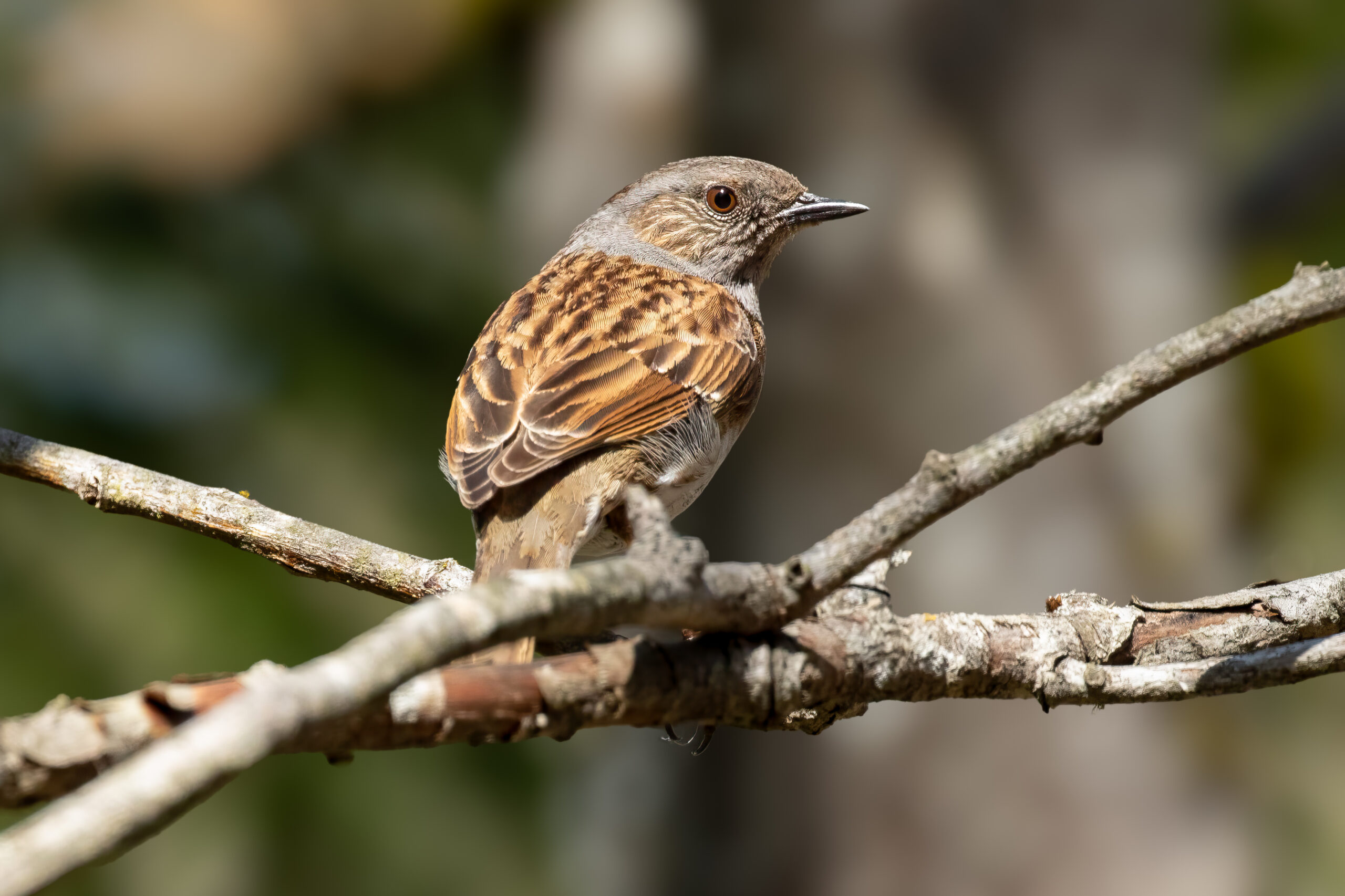
Dunnocks (Prunella modularis) heading north in spring are passing the Baltic coast earlier than they once did. Ringing records from Hel Bird Ringing Station in northern Poland show that the midpoint of passage advanced by 8.3 days over 1965–2025. The early and late parts of passage also shifted forward, leaving the overall passage period much the same length.
Birds migrating through the area travel from European wintering grounds towards breeding sites farther north and northeast. The researchers used dates from daily catches for ringing to investigate how passage had changed. The study was posted on 18 September 2026 and has not yet been peer reviewed.
Warmth had different associations across the year
The team tracked the dates by which 10%, 50% and 90% of the spring’s recorded dunnocks had passed. These advanced by 4.8, 8.3 and 5.4 days, respectively. The shift therefore extended across passage, rather than being confined to a few early birds.
Warm spring conditions in Central and Southern Europe were associated with earlier passage at Hel. The researchers suggest that warmth makes insects and other small invertebrates available earlier, while birds spend less energy keeping warm. This could help them replenish their reserves and move on from stopover sites sooner.
Warm winters in Central Europe, however, were associated with later early and late phases of passage. One possible explanation is that mild winters allow more young birds to survive. These less experienced birds may take longer en route than adults. This is the researchers’ proposed explanation for the temperature pattern.
Conditions in the previous year may leave a mark
The early part of spring passage occurred sooner after warm May–June conditions on the northern breeding grounds in the previous year. The researchers interpret this as a possible carry-over effect: conditions in one season can influence birds later in their annual cycle. Good food availability during breeding and moult may improve body condition and feather quality, with consequences for autumn migration, winter and the following spring. The researchers also suggest that milder conditions may encourage more dunnocks to winter farther north, shortening their spring journey.
The results therefore suggest that spring passage is connected to conditions experienced across several seasons. Weather on the Baltic coast as birds pass through is only part of the potential story.
Meanwhile, dunnock numbers across Europe have declined since the 1980s. The researchers argue that changes to forests and farmland, reduced food availability on the ground and more frequent extreme weather may offset benefits from milder temperatures.
Ecology
Related news
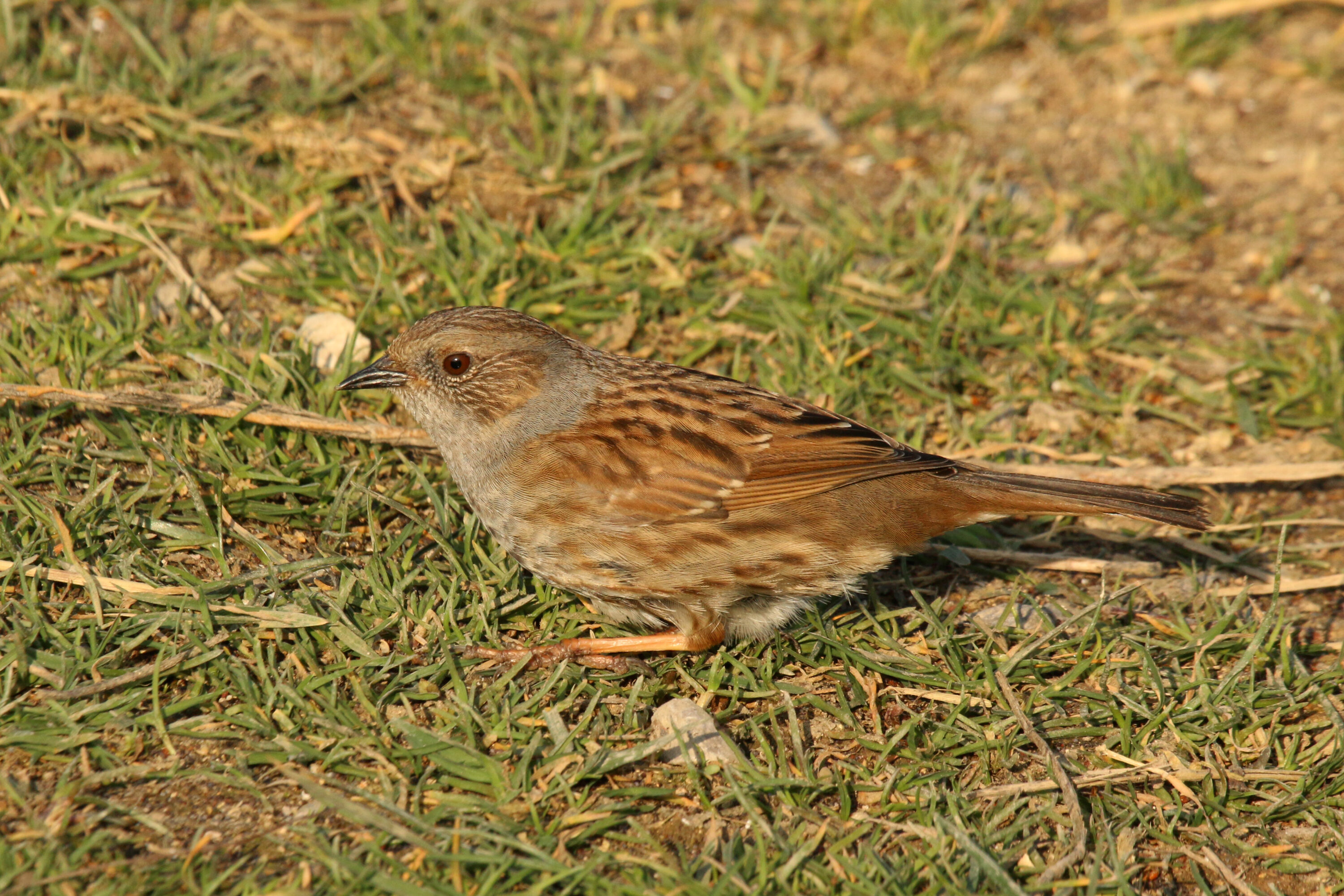
Dunnock pox cases were most often recorded in August
A 15.5-year study in Somerset, England, found avian pox mainly in young dunnocks in late summer. Researchers detected…
Read story →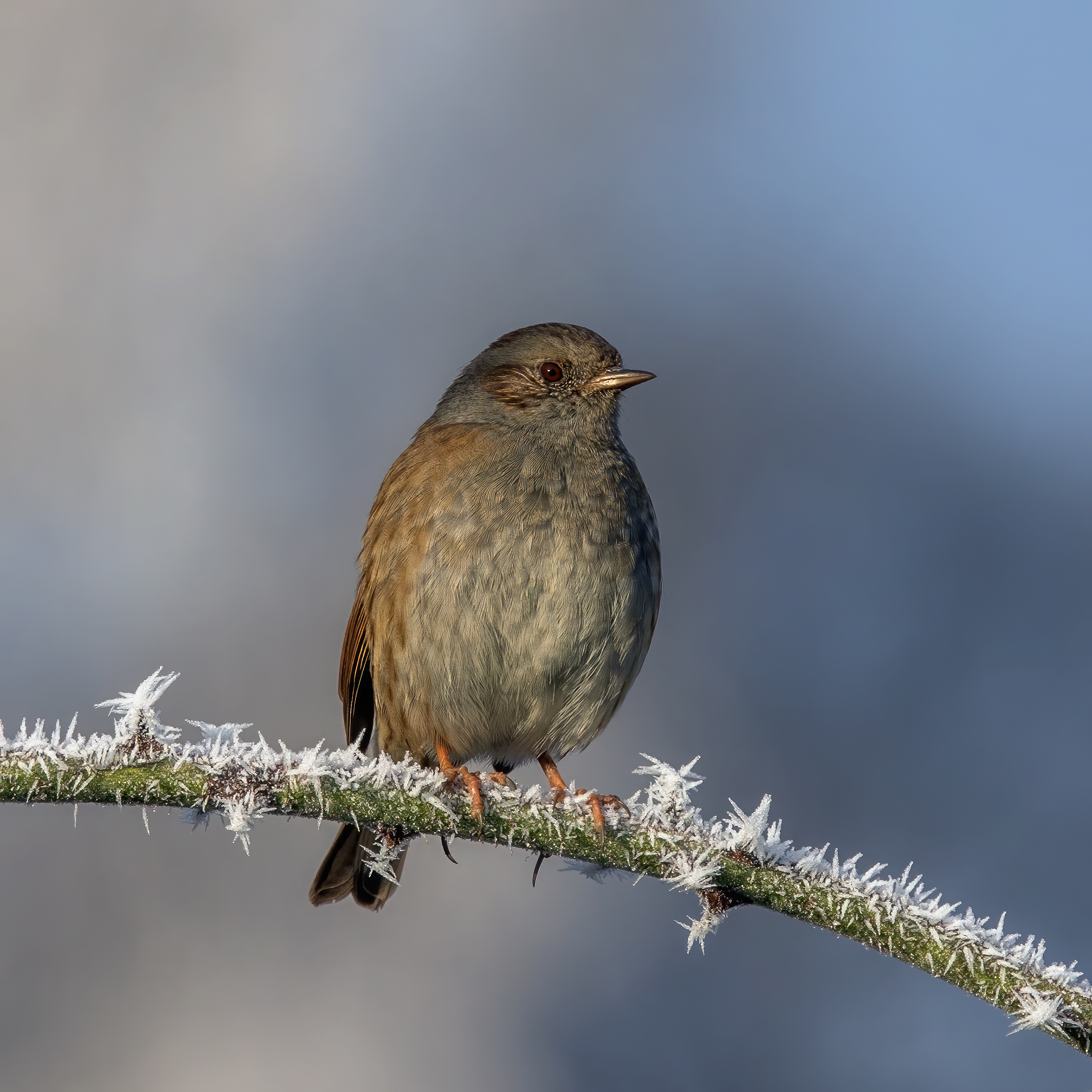
No Evidence of Lower Apparent Survival in Dunnocks With Avian Pox in 15.5-Year Study
A 15.5-year study of 588 wild dunnocks estimated an 8.3% lifetime prevalence of visible avian pox but found…
Read story →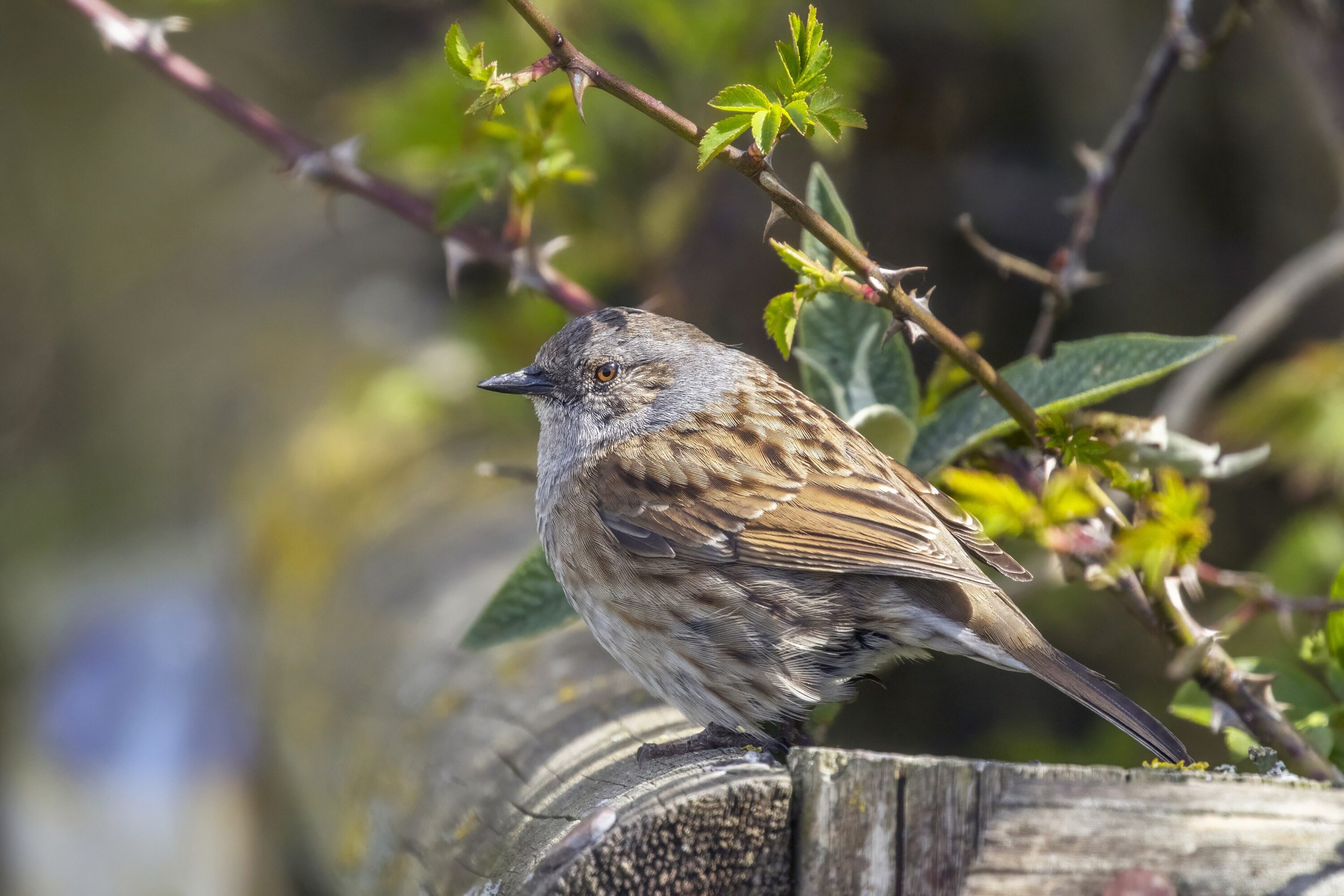
Dunnocks Showed No Tendency to Breed With Similar-sized or Similar-condition Birds
A 2026 preprint found no evidence that dunnocks paired with partners of similar body size or condition. Sexual…
Read story →SPECIES IN THIS STORY
Species in this story
Independent research and conservation news archive
Did you find this information useful?
Wildlife Vagabond is independently built and maintained. Voluntary support helps cover source verification, hosting and continued work on research and conservation news.
Support Wildlife VagabondThe news archive will remain freely available.