
No Evidence of Lower Apparent Survival in Dunnocks With Avian Pox in 15.5-Year Study
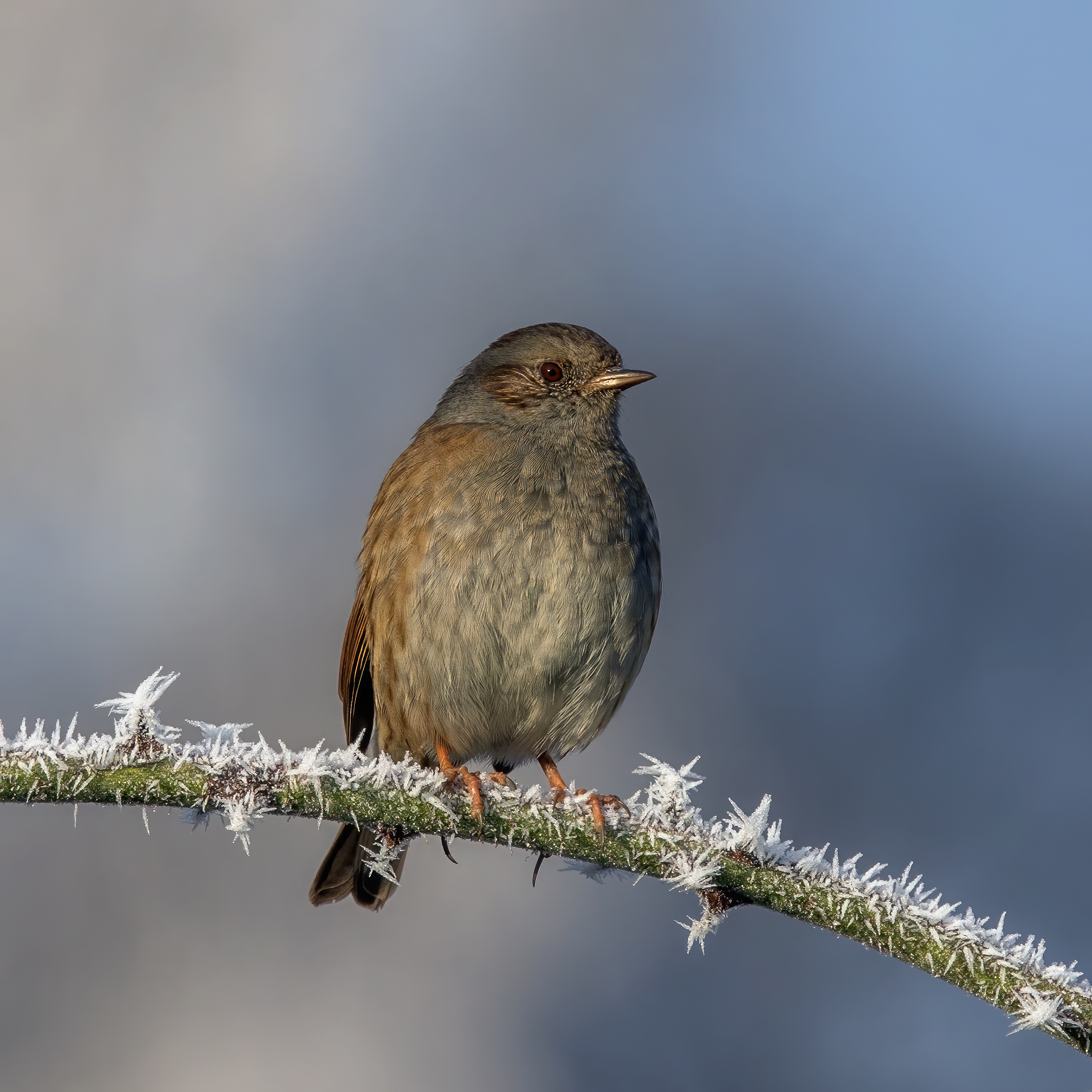
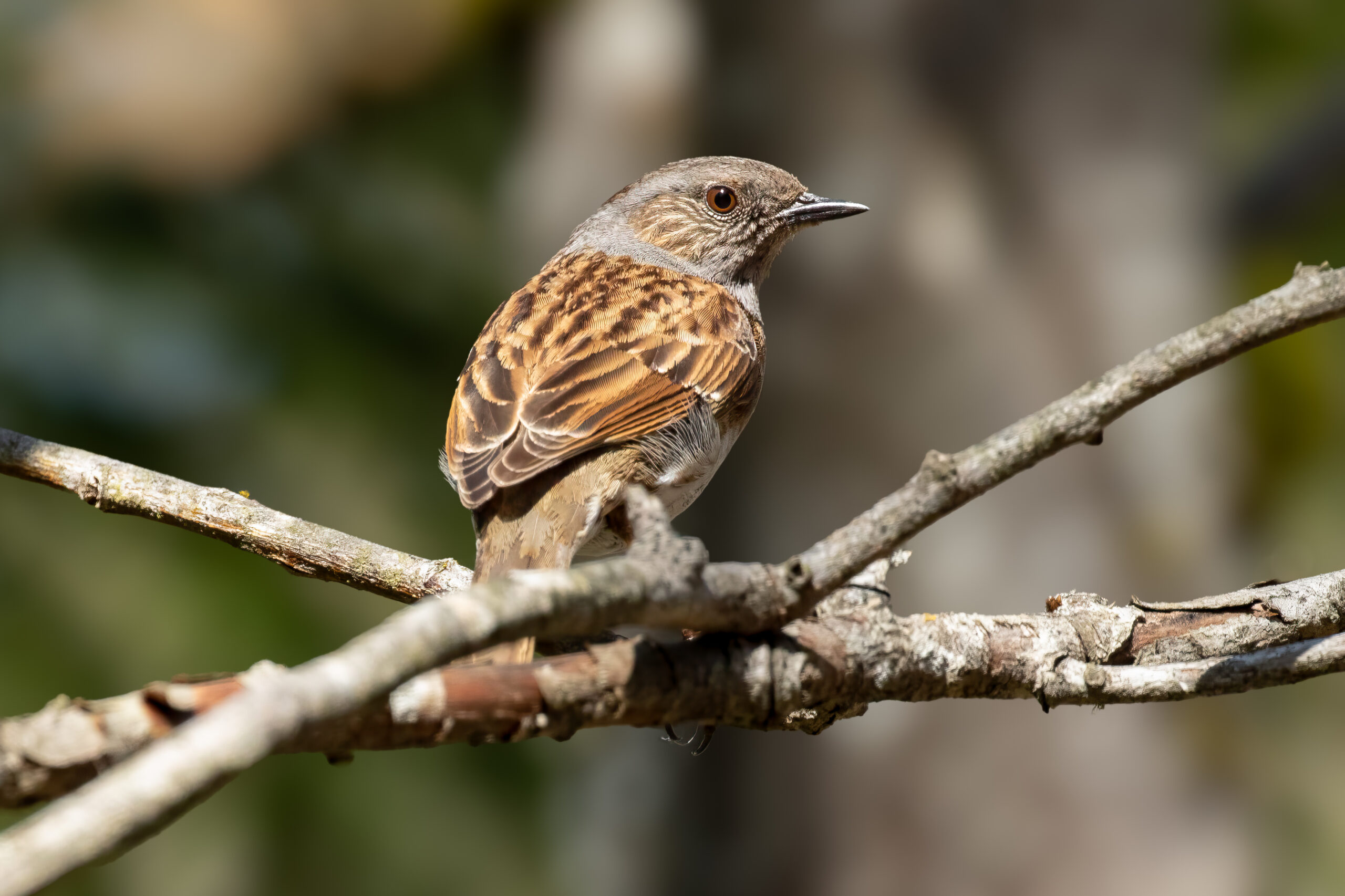
A 15.5-year study of wild dunnocks (Prunella modularis) in southwest England found no evidence that birds with visible signs consistent with avian pox had lower apparent survival than birds in which the disease was not detected. Avian pox is a viral disease caused by avipoxviruses and commonly produces characteristic skin lesions. The estimated lifetime prevalence of visible pox was 8.3%.
Researchers analysed 1,549 captures of 588 dunnocks from a rural site on the north-east edge of Exmoor. Annual prevalence ranged from zero to 25.8%. At the same site, no lesions suggestive of avian pox were recorded in more than 41,000 captures involving over 23,000 individual birds from 50 other species.
Mostly first-year infections and a late-summer peak
Most dunnocks that developed skin lesions did so during their first calendar year, and the researchers found no evidence of the disease recurring in the same individuals. They suggest that a single infection may therefore produce long-lasting or lifelong immunity. The disease was also strongly seasonal in most years, generally peaking in late summer.
No evidence of lower apparent survival
Estimated apparent survival was 0.37 for dunnocks with avian pox and 0.32 for birds in which it was not detected, giving no evidence of increased mortality among visibly affected birds. Apparent survival combines true survival with the chance that a bird remains in the study area and is encountered again, so it is not identical to direct mortality.
Avipoxvirus DNA in blood-feeding louse flies
The same avipoxvirus DNA sequence was found in a skin lesion and in four of eight blood-feeding louse flies collected from apparently healthy dunnocks, including in years when no clinical cases were observed. This shows that viral genetic material was present in the flies, but DNA detection alone does not demonstrate that the flies transmitted the virus. The authors conclude that avipoxvirus may circulate more widely than visible lesions alone indicate, while the disease observed in this population appeared to have relatively minor effects on bird health.
Disease, parasites & microbiology
Related news
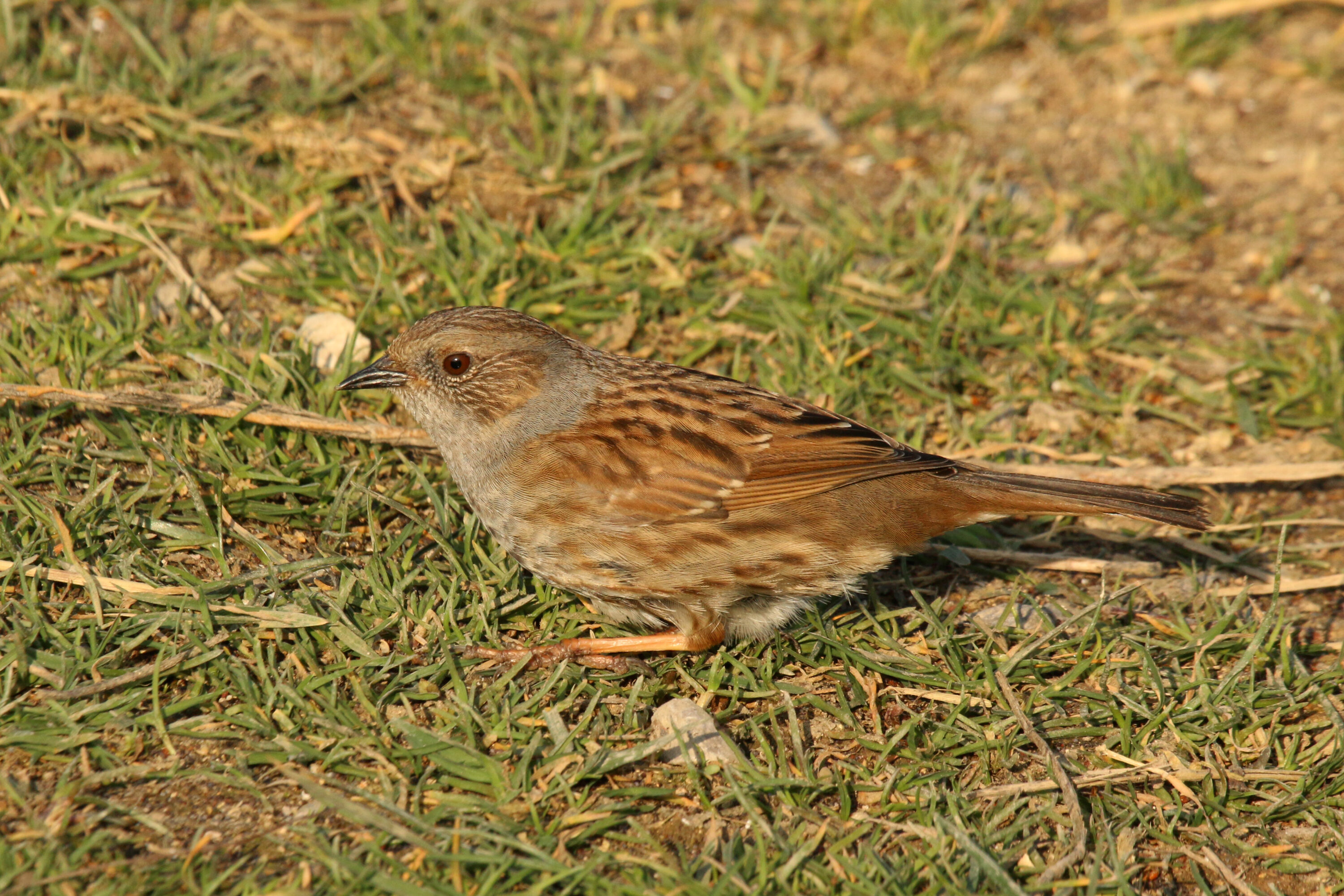
Dunnock pox cases were most often recorded in August
A 15.5-year study in Somerset, England, found avian pox mainly in young dunnocks in late summer. Researchers detected…
Read story →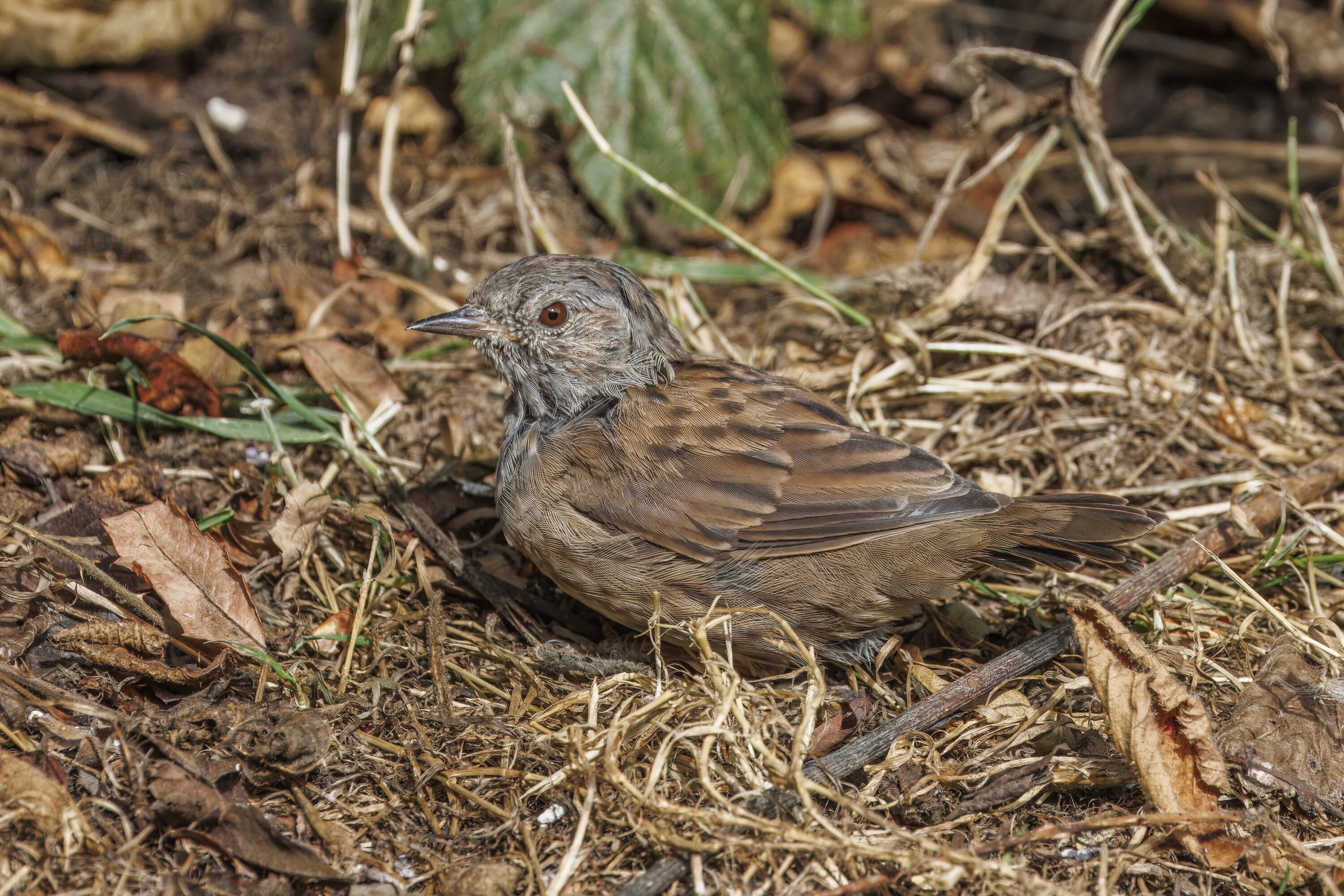
Dunnocks Are Passing Through Earlier in Spring
Over six decades, dunnocks passed Hel in northern Poland progressively earlier in spring. The midpoint shifted forward by…
Read story →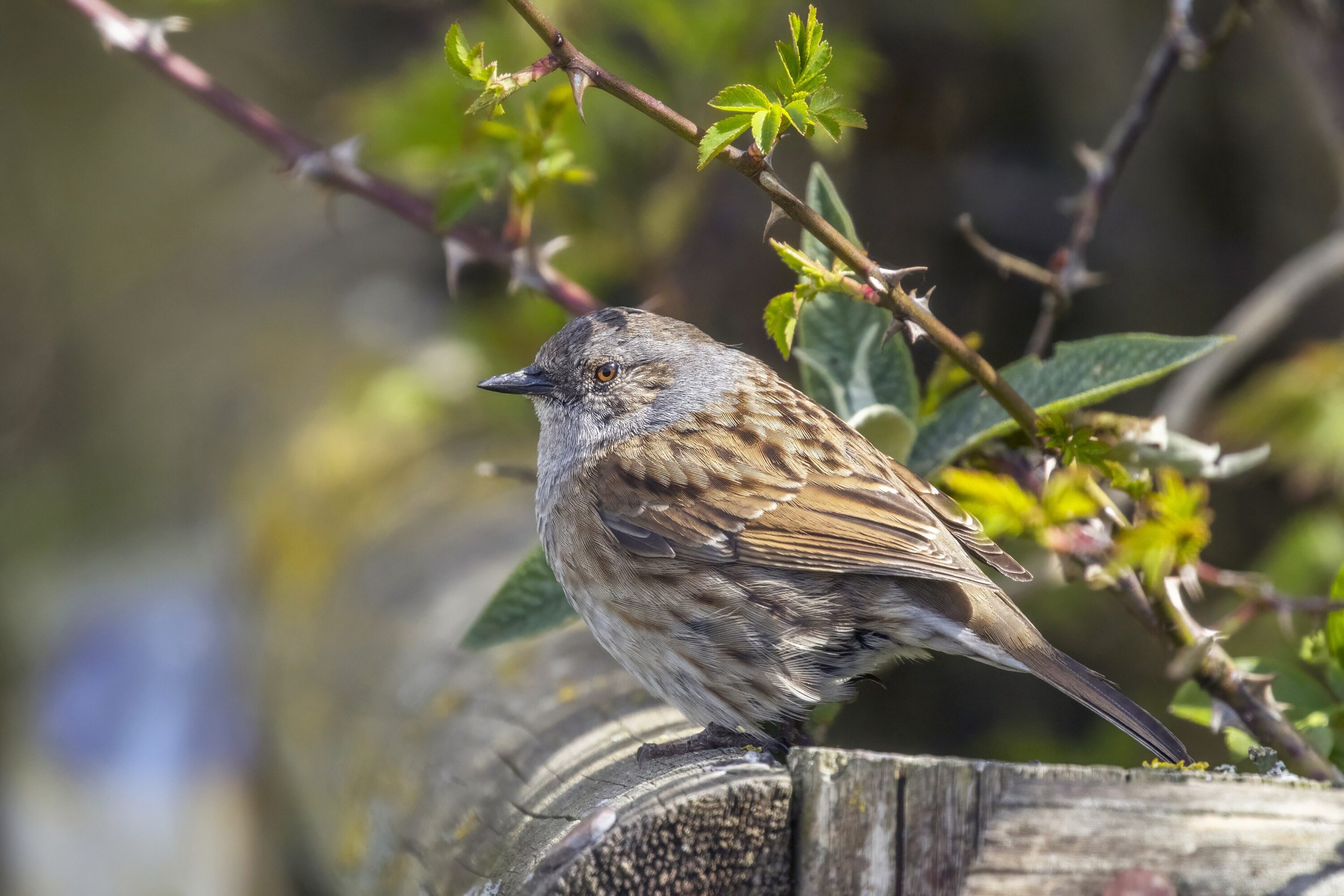
Dunnocks Showed No Tendency to Breed With Similar-sized or Similar-condition Birds
A 2026 preprint found no evidence that dunnocks paired with partners of similar body size or condition. Sexual…
Read story →SPECIES IN THIS STORY
Species in this story
Independent research and conservation news archive
Did you find this information useful?
Wildlife Vagabond is independently built and maintained. Voluntary support helps cover source verification, hosting and continued work on research and conservation news.
Support Wildlife VagabondThe news archive will remain freely available.