
Dunnocks Showed No Tendency to Breed With Similar-sized or Similar-condition Birds
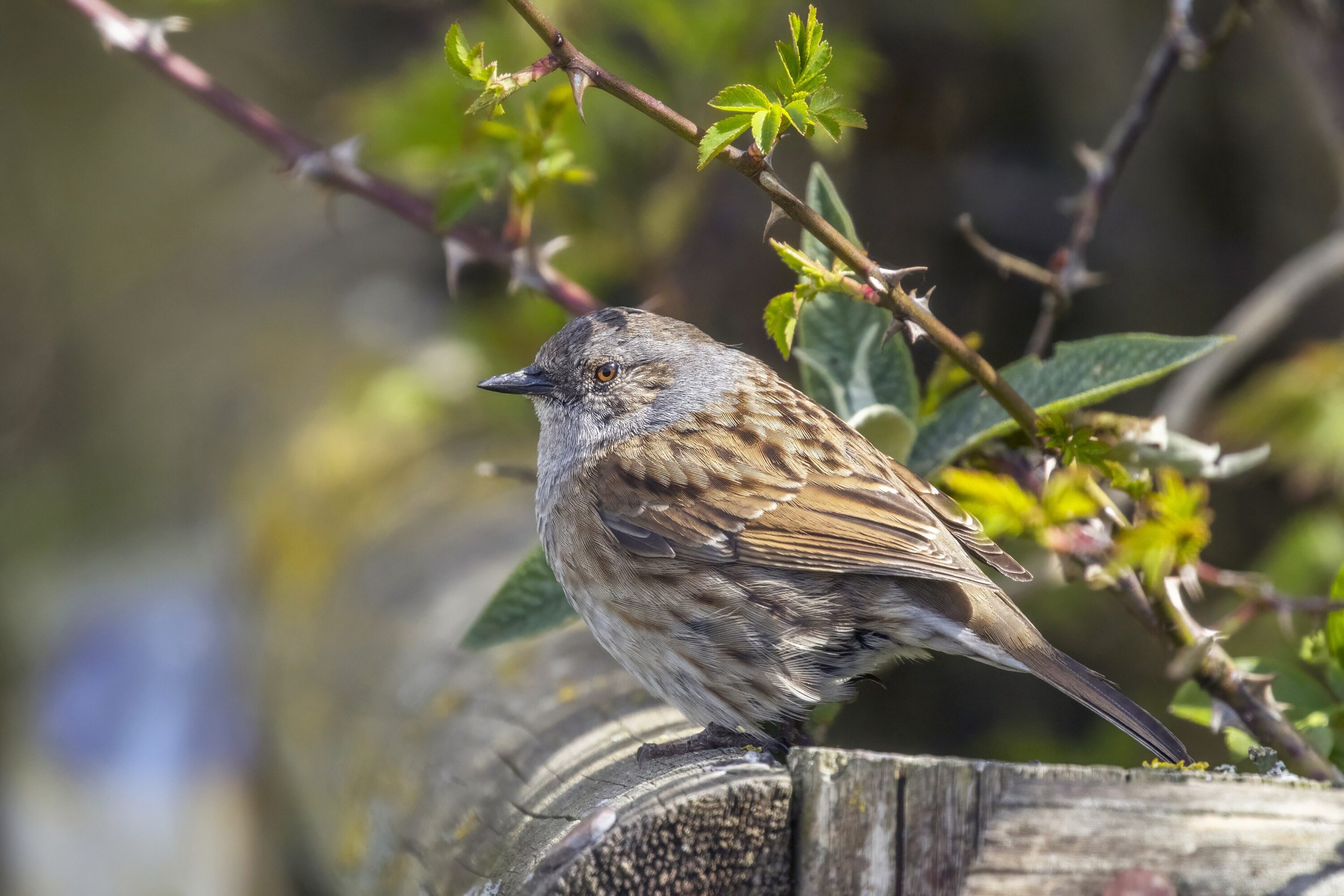
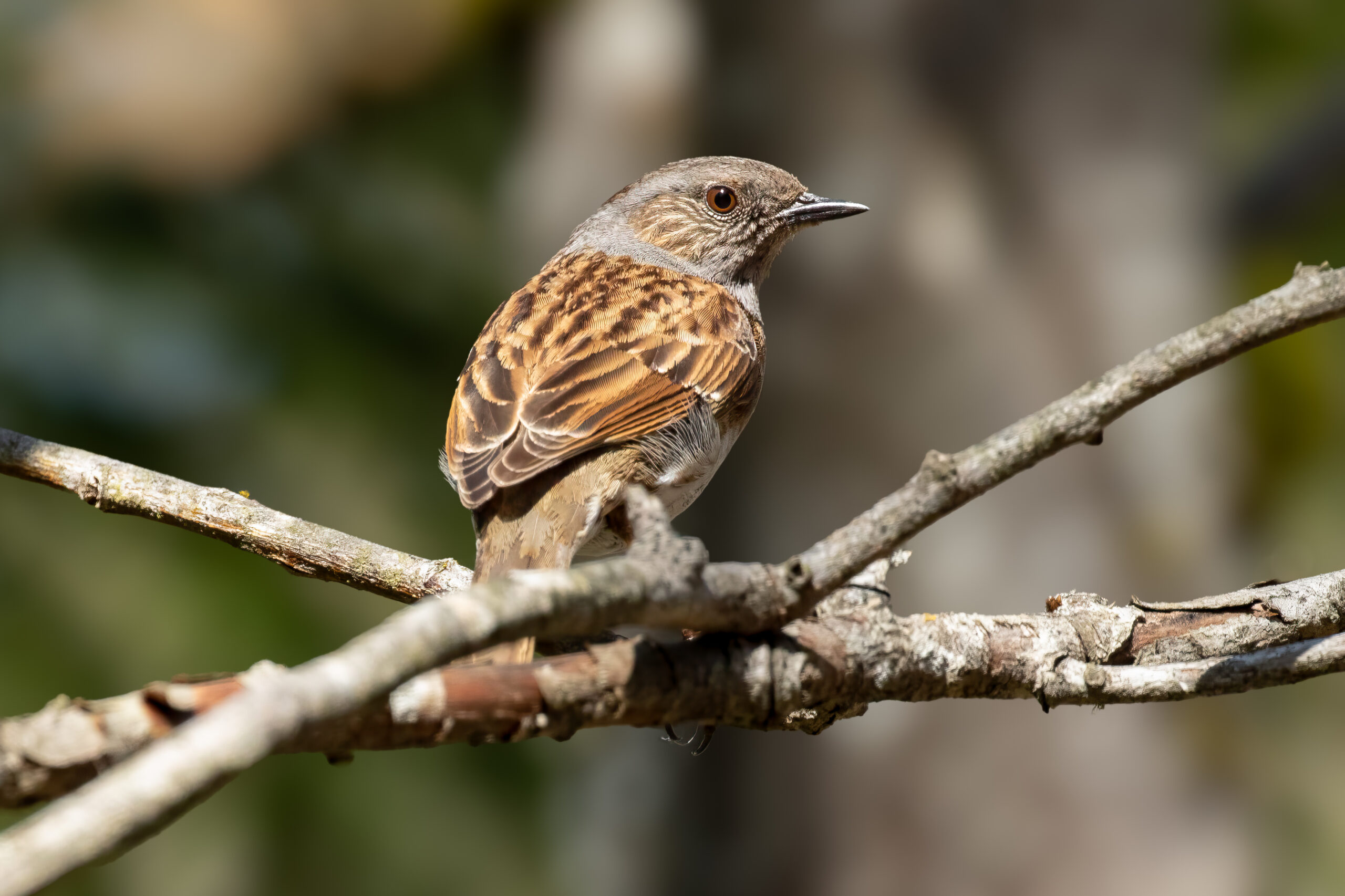
A New Zealand preprint posted on 25 August 2026 examined sexual selection in dunnocks (Prunella modularis) across multiple breeding seasons. The researchers tested for assortative mating—that is, whether breeding partners tended to resemble each other in body size or condition. They also asked whether sexual selection differed between males and females and whether the adult sex ratio affected its strength.
Across seasons, the study found no evidence that similar-sized or similar-condition birds were more likely to breed together. Larger or higher-condition individuals also showed little evidence of producing more offspring. The authors argue that this fits the absence of a strong mating pattern based on these traits.
Males experienced somewhat stronger sexual selection than females, although the difference was small to moderate. Selection also became stronger in both sexes when the adult sex ratio was more male-biased. The authors suggest two non-exclusive explanations: some females may be more successful than others at obtaining multiple mates even when males are abundant, and males may become more willing to share breeding with other males when there are more males in the population.
The study is currently a preprint and has not yet been peer reviewed.
Behaviour
Related news
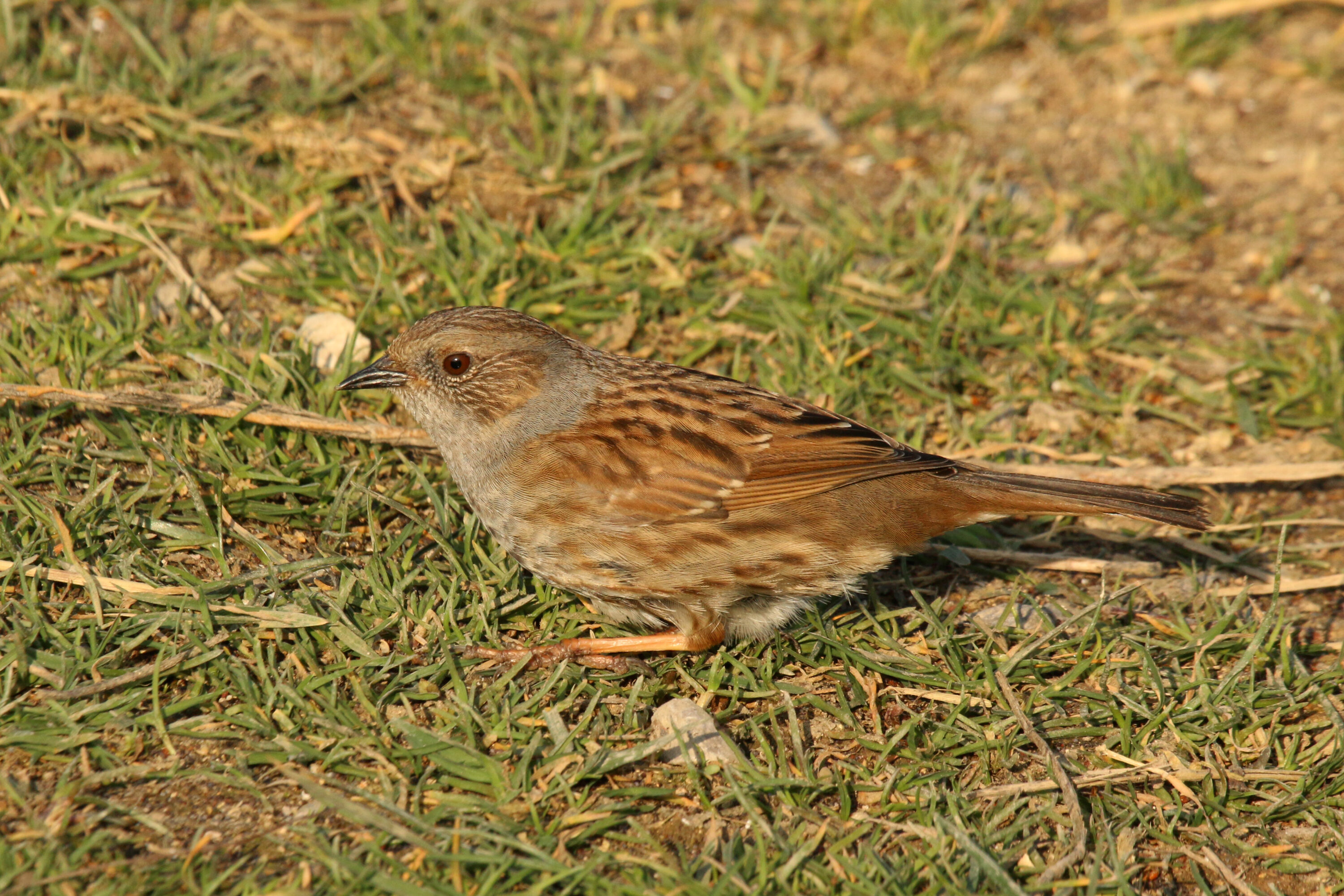
Dunnock pox cases were most often recorded in August
A 15.5-year study in Somerset, England, found avian pox mainly in young dunnocks in late summer. Researchers detected…
Read story →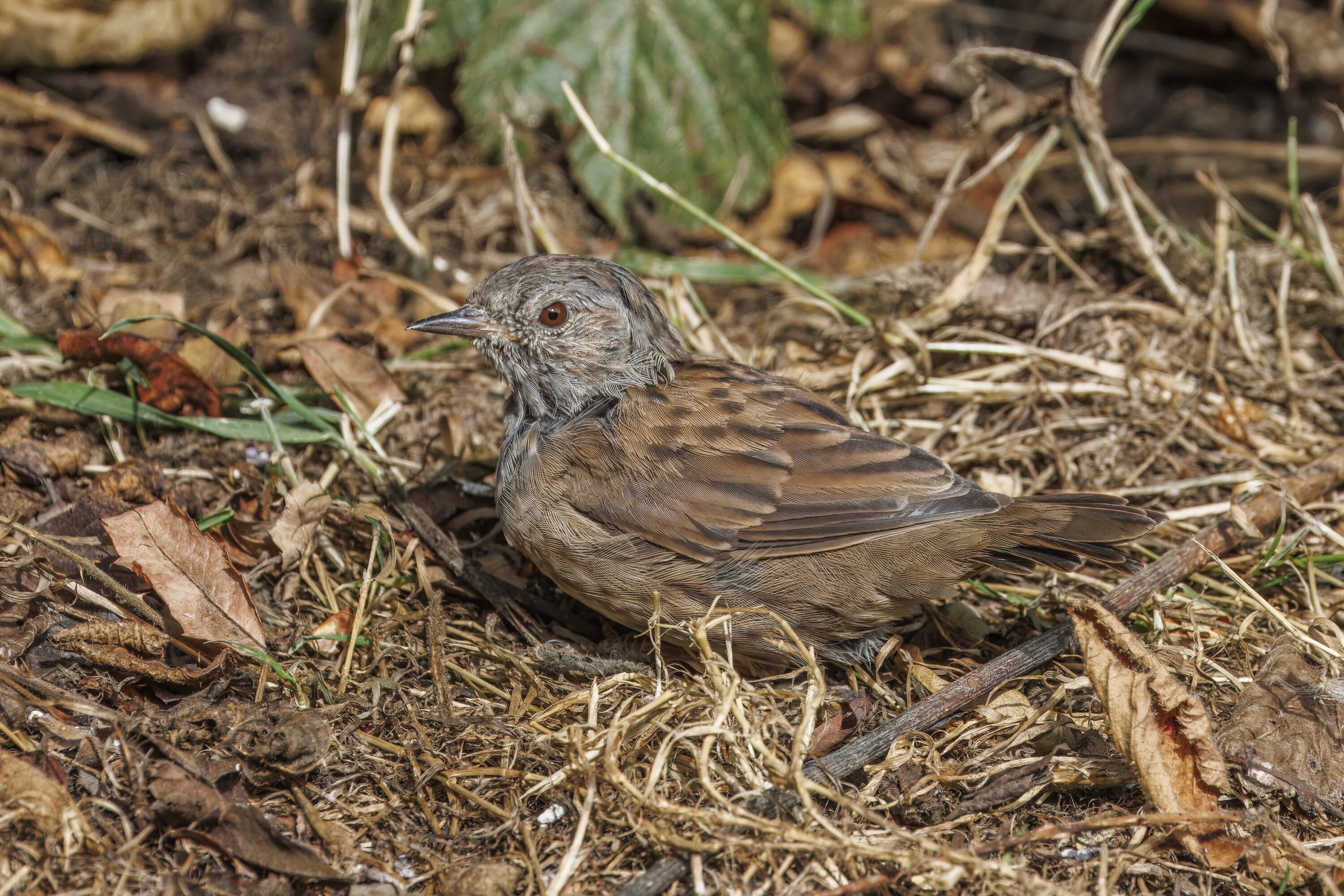
Dunnocks Are Passing Through Earlier in Spring
Over six decades, dunnocks passed Hel in northern Poland progressively earlier in spring. The midpoint shifted forward by…
Read story →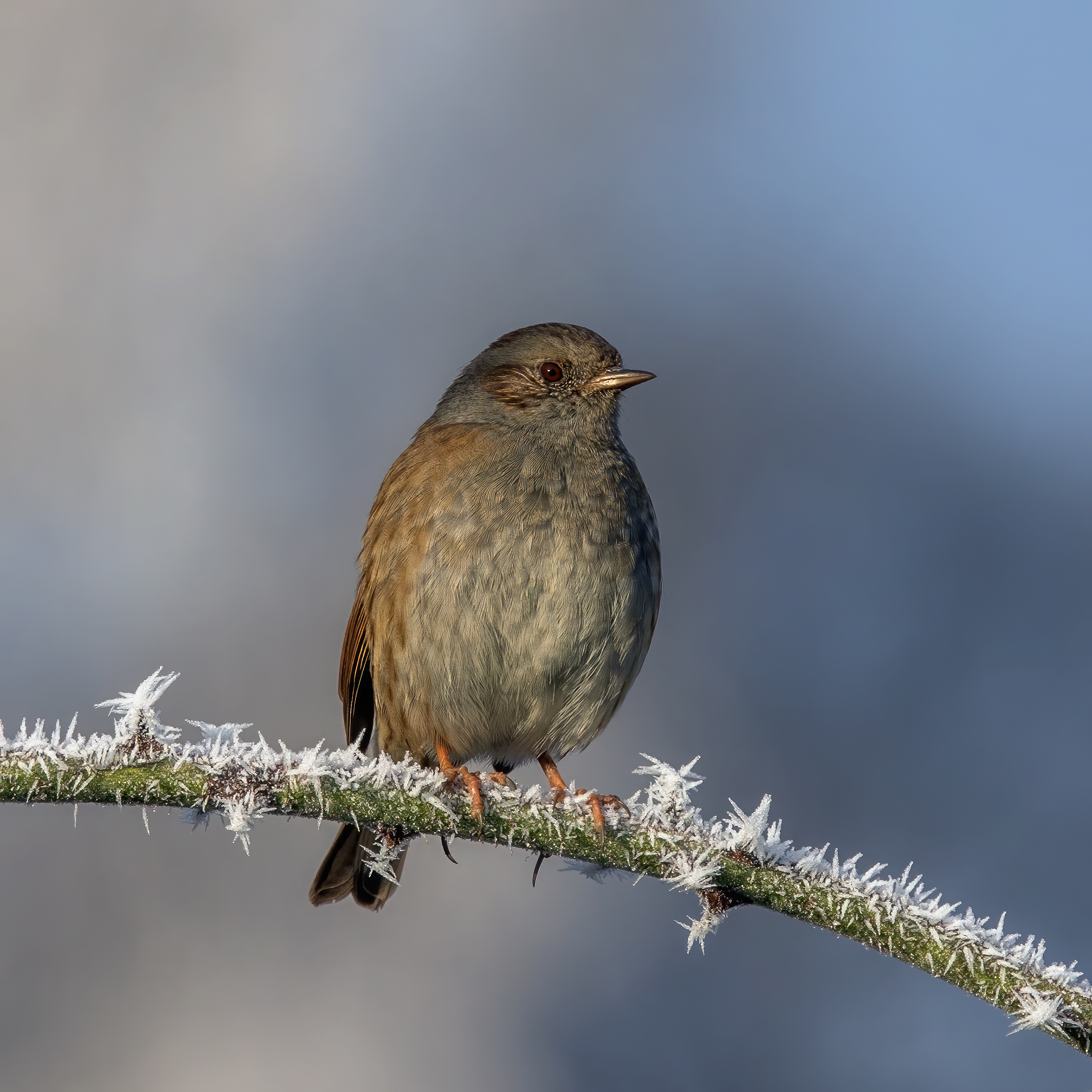
No Evidence of Lower Apparent Survival in Dunnocks With Avian Pox in 15.5-Year Study
A 15.5-year study of 588 wild dunnocks estimated an 8.3% lifetime prevalence of visible avian pox but found…
Read story →SPECIES IN THIS STORY
Species in this story
Independent research and conservation news archive
Did you find this information useful?
Wildlife Vagabond is independently built and maintained. Voluntary support helps cover source verification, hosting and continued work on research and conservation news.
Support Wildlife VagabondThe news archive will remain freely available.