
No Haemosporidian Blood Parasites Detected in 62 Egyptian Geese in Stuttgart

A study of introduced Egyptian geese (Alopochen aegyptiaca) in Stuttgart, Germany, found no evidence of three major haemosporidian blood-parasite genera in 62 blood samples. Haemosporidians include the avian-malaria genus Plasmodium and related blood parasites such as Haemoproteus and Leucocytozoon. The open-access study was published on 9 March 2026 in the Journal of Ornithology.
Researchers analysed blood from 14 adult and 48 juvenile Egyptian geese collected during annual captures of family groups between 2017 and 2025. They used a two-stage PCR protocol to screen the samples for Plasmodium, Haemoproteus and Leucocytozoon, three genera of haemosporidian blood parasites transmitted by biting insects. Positive and negative controls were included in the analyses, and all 62 goose samples contained amplifiable host DNA.
None of the 62 samples contained the three screened parasite groups
None of the 62 samples tested positive for any of the three parasite groups. The result contrasts with records from the species’ native African range, where Plasmodium and Haemoproteus infections have previously been documented in Egyptian geese.
The authors discuss several possible explanations for the difference. The Stuttgart population uses urban parks with lakes and lawns, and previous research has found lower prevalence and diversity of avian haemosporidians in some urban environments than in more natural habitats. The geese in Stuttgart also generally move over shorter distances than nomadic African populations, which may reduce their exposure to different parasite vectors.
Another possibility raised by the researchers is that introduced European populations may have lost some of the parasites with which Egyptian geese co-evolved in Africa. This is known as the enemy-release hypothesis: introduced species can sometimes escape part of their original parasite community after colonising a new region.
The PCR protocol may under-detect some infections
The researchers emphasise that avian blood parasites remain poorly studied in European waterfowl. They recommend testing Egyptian geese from rural and more natural European habitats as well as urban populations. They also note that blood smears and additional PCR protocols would strengthen future surveys because the primer set used in this study can under-detect some Haemoproteus and Leucocytozoon infections.
Disease, parasites & microbiology
Related news

Gut Microbiomes Across Nine Kruger Mammals Clustered More Strongly by Dietary Group Than Species
A study of 89 quality-filtered faecal samples from nine wild mammals in Kruger National Park found that carnivores,…
Read story →
Nearly Three-quarters of Migrating Redwings Carried Ticks During Two Mild Belgian Autumns
Ticks were found on 72.9% of 284 redwings sampled during late-autumn migration in Belgium; 12.9% of 698 screened…
Read story →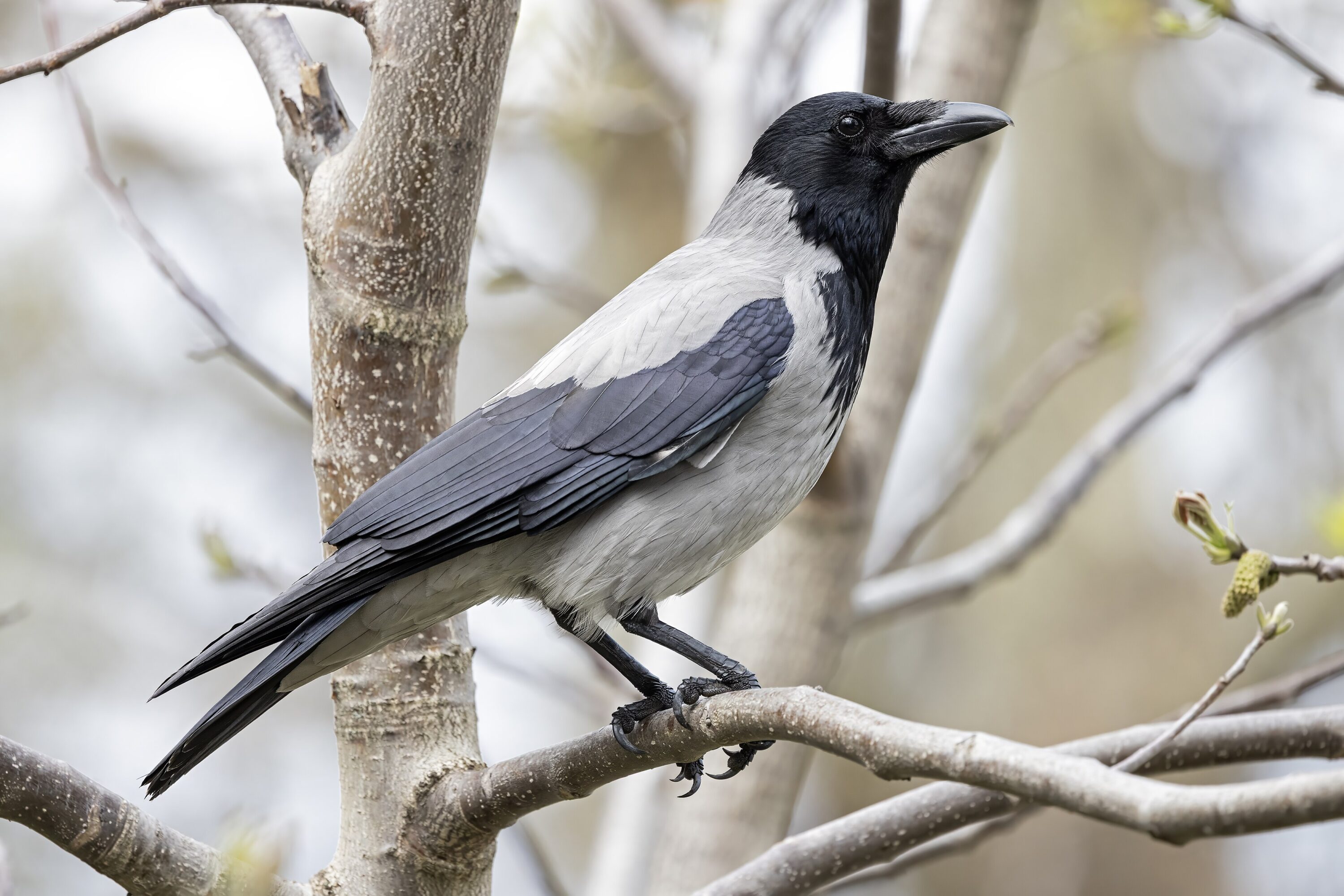
Hooded Crows Were Linked to 87 Reported West Nile Virus Bird Outbreaks in Europe
The September ECDC–EFSA report linked hooded crows to 87 reported West Nile virus bird outbreaks, Eurasian magpies to…
Read story →SPECIES IN THIS STORY
Species in this story

Independent research and conservation news archive
Did you find this information useful?
Wildlife Vagabond is independently built and maintained. Voluntary support helps cover source verification, hosting and continued work on research and conservation news.
Support Wildlife VagabondThe news archive will remain freely available.