
Spoonbills Are Nesting Again at Therthangal
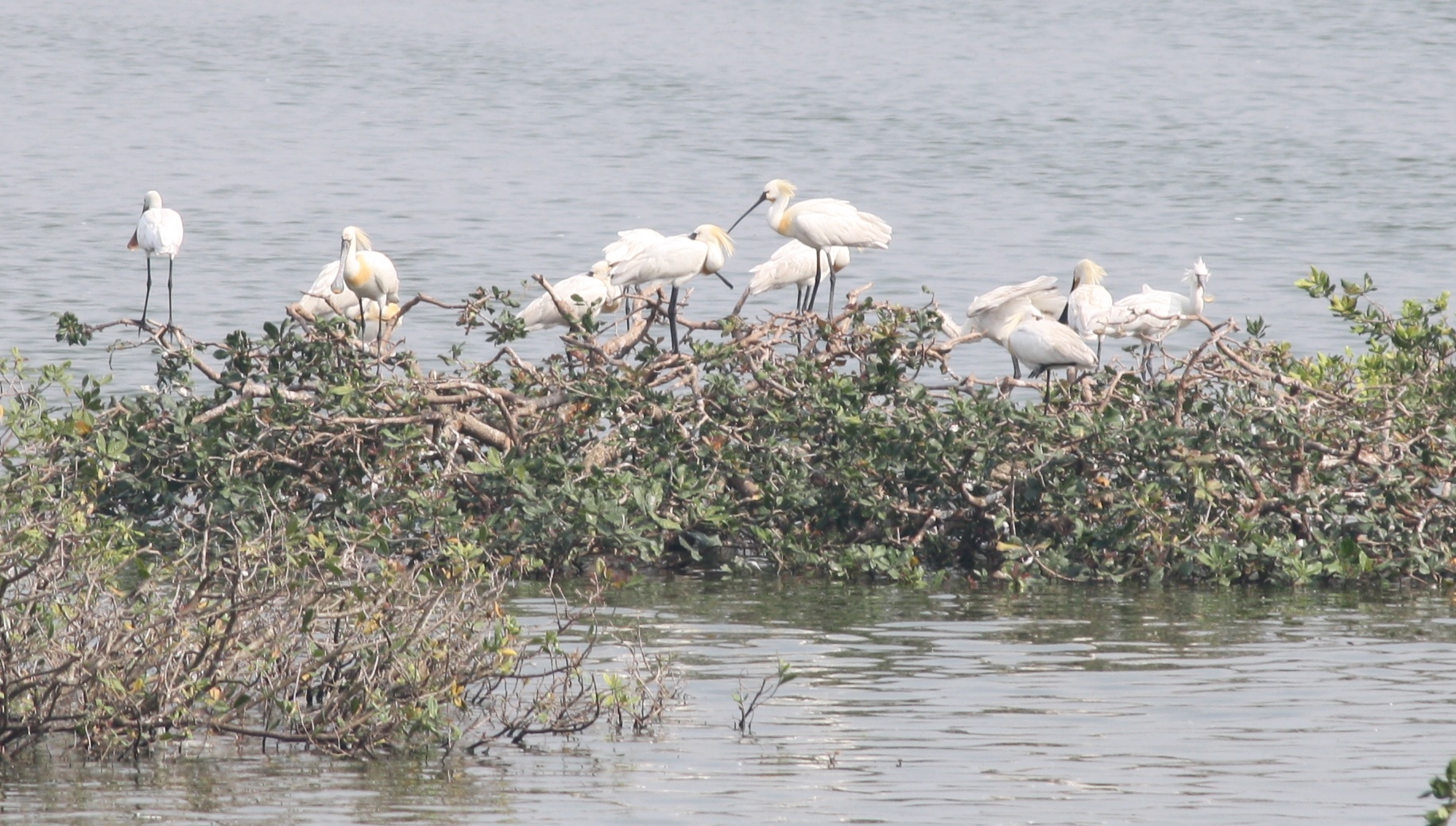
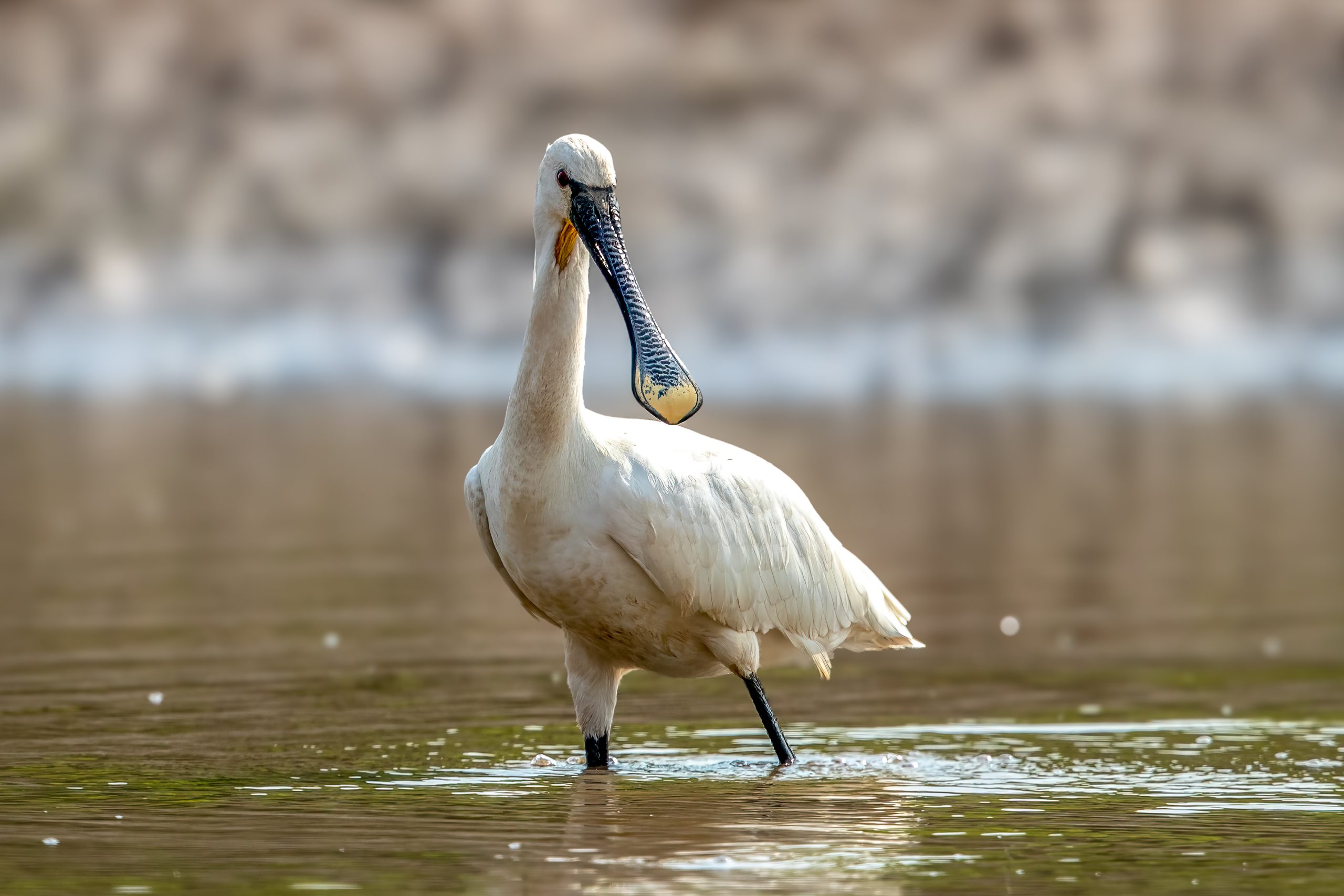
Eurasian Spoonbills (Platalea leucorodia) have established a regular breeding colony at Therthangal Bird Sanctuary in southeastern India. But their return has not been uninterrupted: after 12 active nests in 2022–2023, no breeding was recorded the following season. The birds then returned with eight nests, followed by 12 again in 2025–2026.
Researchers monitored the colony over six breeding seasons between 2019 and 2026, missing 2020–2021 because of COVID restrictions. At the start of the study, the colony had just three active nests. Although it has since grown larger, numbers have fluctuated considerably from year to year.
Breeding with the rains
The breeding calendar was much more consistent. Courtship began in September, nest building started in October and active nesting peaked in November. Most eggs hatched in December, with young birds taking flight in January and February.
This schedule coincides with the northeast monsoon, which fills the wetland with water. The researchers point out that the rainy season supports fish, amphibians and small aquatic animals eaten by spoonbills. Partly flooded rice fields nearby also provide places to feed.
Across the five seasons with breeding, researchers monitored 41 nests. Clutches contained two to five eggs, usually three. Hatching success — the proportion of eggs that hatched — was lowest in 2021–2022, at 68.4%, and highest in 2024–2025, at 85.7%.
Protecting nesting trees and water
Most nests were built in acacia trees, Acacia nilotica. From 2022–2023 onward, birds also used Neltuma juliflora, although this tree species supported only a minority of nests. Suitable branches provide stable nest supports, while dense, thorny crowns can offer protection from weather and predators.
Why the birds did not breed in 2023–2024 remains unclear. The researchers suggest that their subsequent return points to temporarily unsuitable conditions, but measurements needed to identify the cause are missing.
To conserve the colony, they recommend protecting nesting trees, maintaining water through the breeding season and limiting disturbance. Repeated nesting shows that Therthangal is an important breeding site, even though its use varies between years.
Reproduction & development
Related news
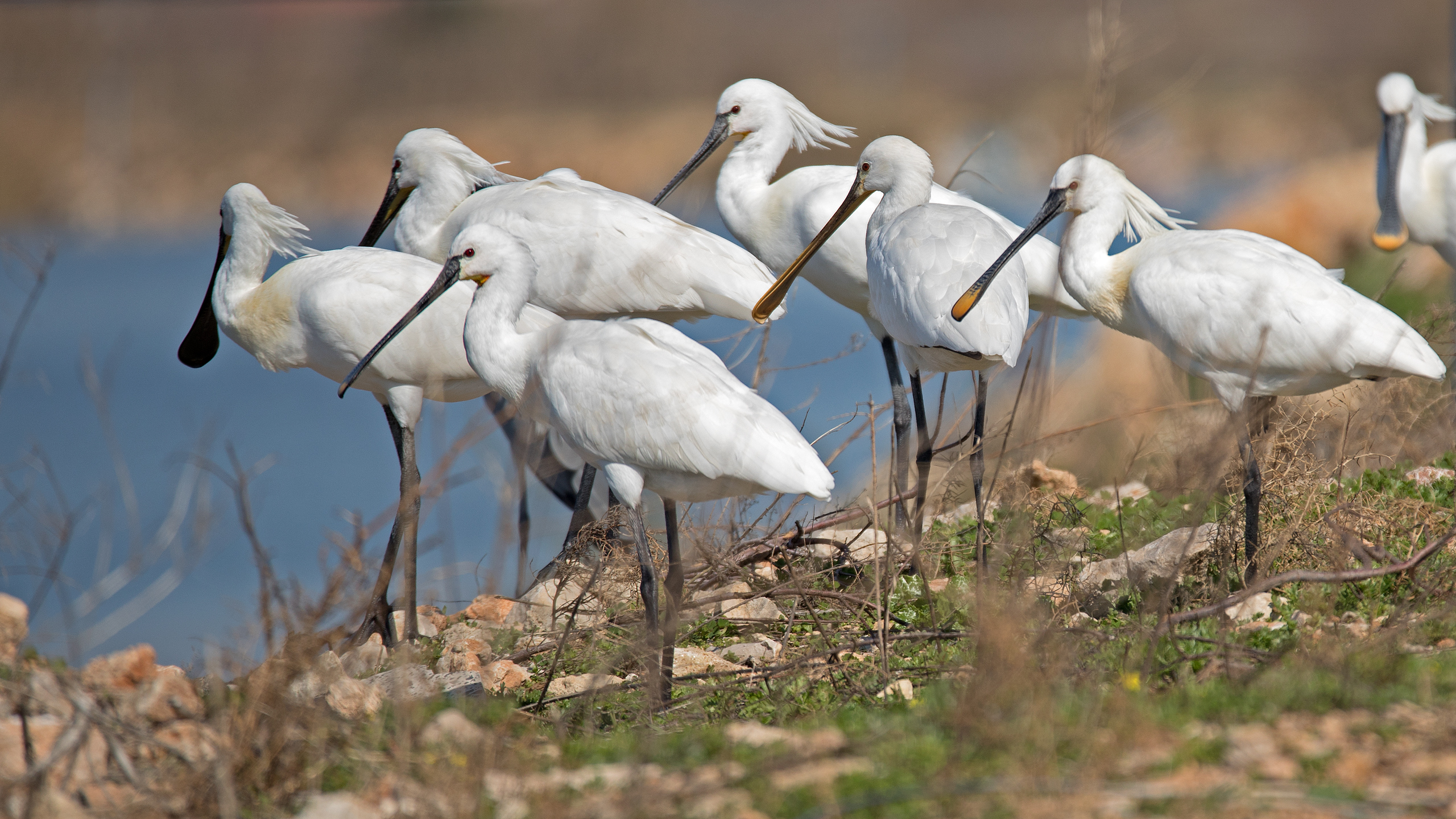
Eurasian Spoonbill Index Showed Clear Declines on Both Time Scales in India
The 2025 State of India’s Birds update estimated a −46.8% long-term trend and a −4.3% current annual trend…
Read story →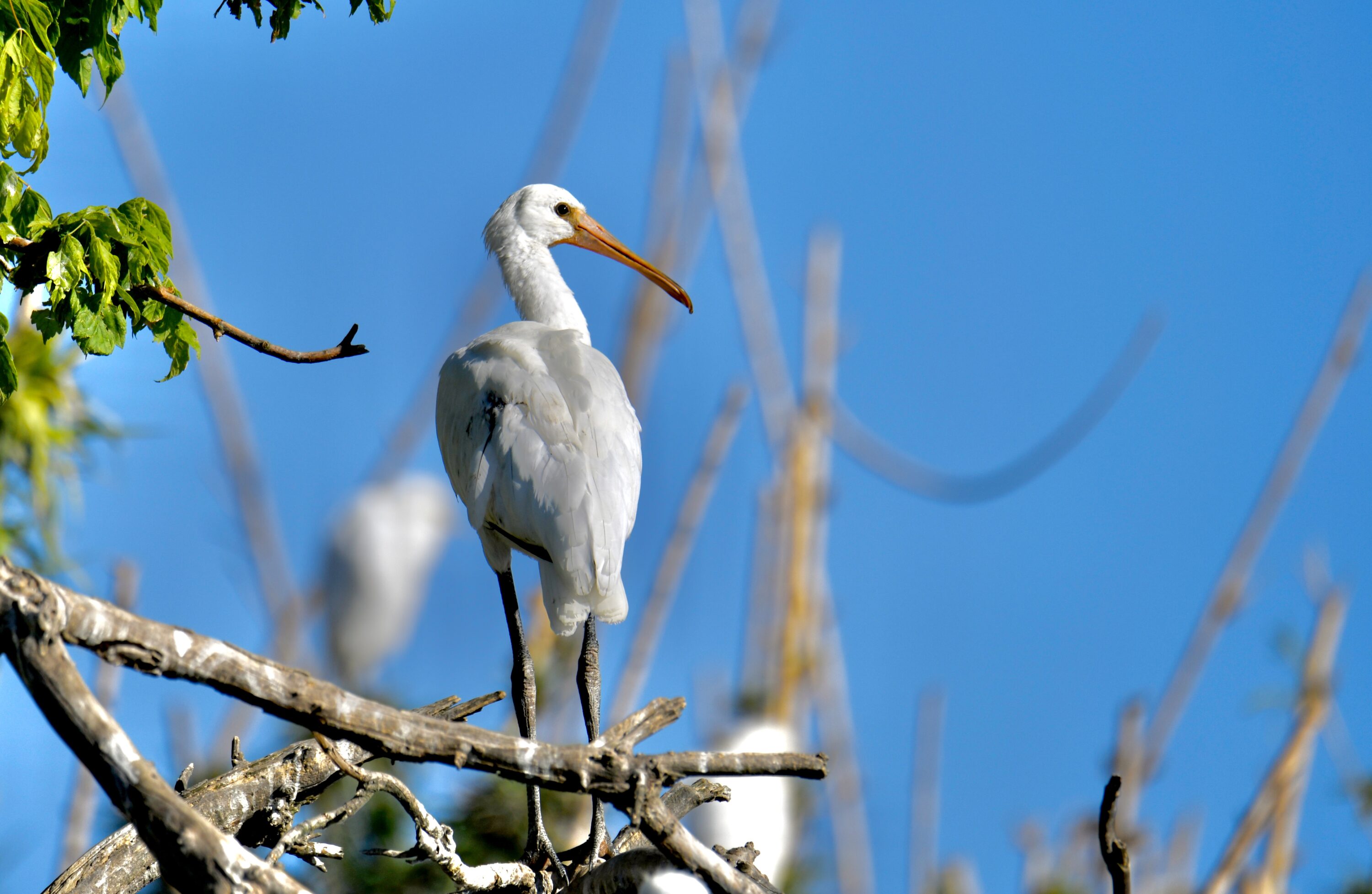
Young Eurasian Spoonbills Foraged More After Leaving Their Natal Wetlands
GPS and accelerometer tracking of juvenile Eurasian Spoonbills from three Portuguese colonies showed that birds leaving their natal…
Read story →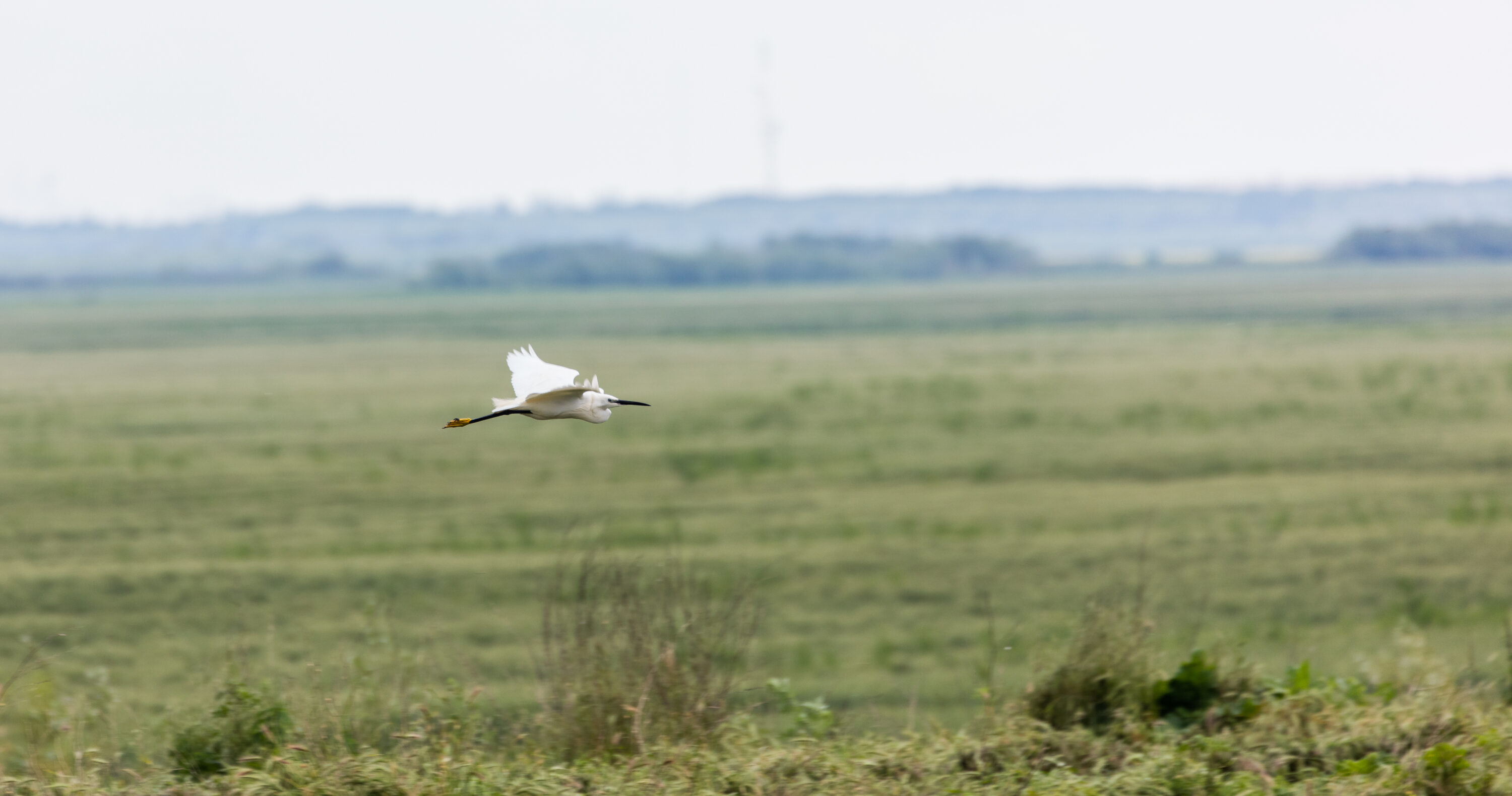
Little Egrets, Glossy Ibises and Eurasian Spoonbills Declined in Danube Delta Colonies
Nine of ten colonial waterbird species showed downward trends across five monitored Danube Delta colonies from 2016 to…
Read story →SPECIES IN THIS STORY
Species in this story
Independent research and conservation news archive
Did you find this information useful?
Wildlife Vagabond is independently built and maintained. Voluntary support helps cover source verification, hosting and continued work on research and conservation news.
Support Wildlife VagabondThe news archive will remain freely available.