
Fungal Communities Differed Across Pied Avocet Breeding Substrates
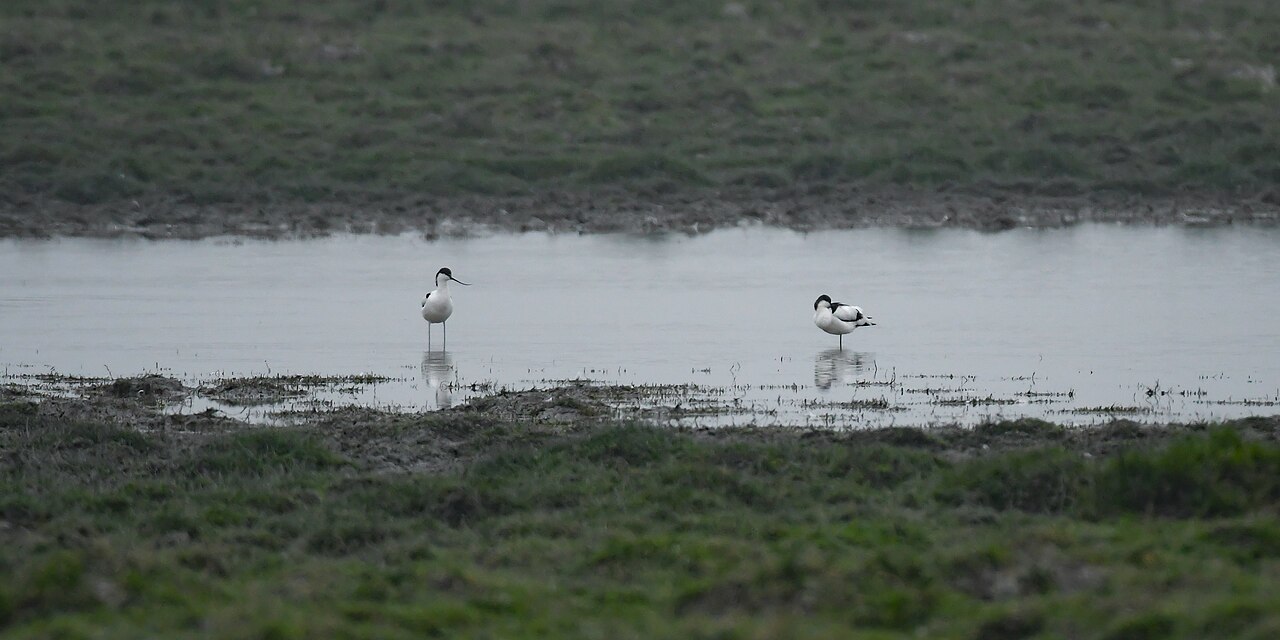
Fungal communities differed strongly among water, aquatic plants, soil and nest sediment around pied avocet (Recurvirostra avosetta) breeding sites in China’s Yellow River Delta. Researchers detected 9,980 fungal amplicon sequence variants (ASVs), but only 68 occurred in all four substrates.
An ASV is a unique DNA sequence recovered from the sequencing data and used as a fine-scale marker for different microbial lineages. The team sampled ten nest sites in the Binzhou Shell Dyke Island and Wetland National Nature Reserve in early September 2025, one to two months after chicks had fledged. Around each nest they collected surface water, aquatic plants, soil and sediment from the nest area.
Water had the greatest fungal richness, but not the highest Shannon diversity
Water samples contained the greatest number of fungal sequence variants and the largest number of unique ASVs. Aquatic plants had the lowest richness, while soil and nest sediment were intermediate.
Shannon diversity told a different story. This index combines the number of groups present with how evenly they are represented. Nest sediment and soil had higher Shannon diversity than water, even though water contained more fungal types overall. In other words, water was richer in types, but its community was more strongly dominated by a smaller subset of fungi.
Ascomycota and Basidiomycota dominated across the substrates, although their relative proportions differed. Between 18% and 22% of fungal sequences could not be classified to known groups, highlighting how much fungal diversity in these wetlands remains poorly characterised.
Each substrate supported a distinct community
Water and aquatic-plant fungal communities were more similar to each other than either was to soil or nest sediment. A presence–absence analysis found that substrate type explained about 10.9% of the variation in overall community composition, with statistically clear differences among the four groups.
Different substrates also had characteristic fungal groups enriched within them. Nest sediment was associated with several Ascomycota lineages, aquatic plants with a different set including Penicillium, and water with several fungal groups that could not yet be classified precisely. These indicator patterns show substrate specificity; they do not mean that one substrate was universally “better” or more diverse by every measure.
Positive co-occurrence patterns do not prove cooperation
The statistical networks were dominated by positive associations, meaning that many fungal groups tended to occur together. The authors interpret this as potentially consistent with complementary ecological roles or shared habitat requirements.
Such co-occurrence does not demonstrate direct cooperation between fungi. Two groups can appear together because they respond similarly to moisture, nutrients or other environmental conditions. Those drivers could not be tested directly because the study did not measure variables such as nutrient concentrations, organic matter, pH, salinity or redox conditions across the four substrates.
Nest sediment provides only an indirect signal of bird influence
Fresh avocet droppings were not available when samples were collected. The researchers therefore used nest sediment, which had accumulated material during the breeding season, as an indirect way to examine whether the nest environment carried a distinct fungal community.
The study cannot separate the birds’ contribution from the effects of sediment, moisture, plant material and other local conditions. Its strongest conclusion is therefore about habitat heterogeneity: water, vegetation, soil and nest substrate supported substantially different fungal assemblages.
The authors argue that maintaining this mosaic of wetland substrates may help conserve fungal diversity and the ecological processes associated with it. The work provides a baseline for future studies that combine fungal sequencing with direct measurements of the physical and chemical conditions driving the differences.
Ecology
Related news
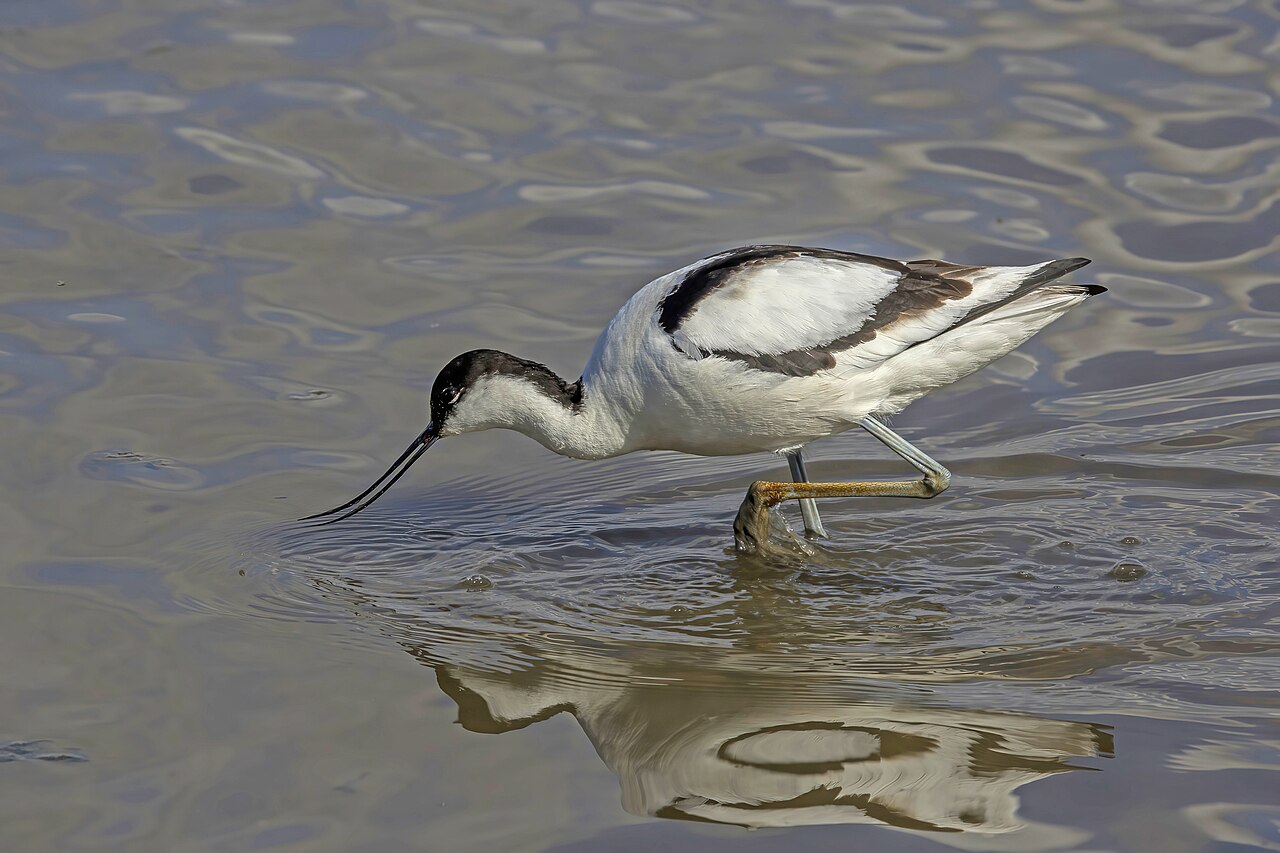
Ringed Pied Avocet Set a UK Longevity Record at 36 Years
A Pied Avocet ringed as a nestling at Titchwell Marsh on 2 July 1990 was identified alive at…
Read story →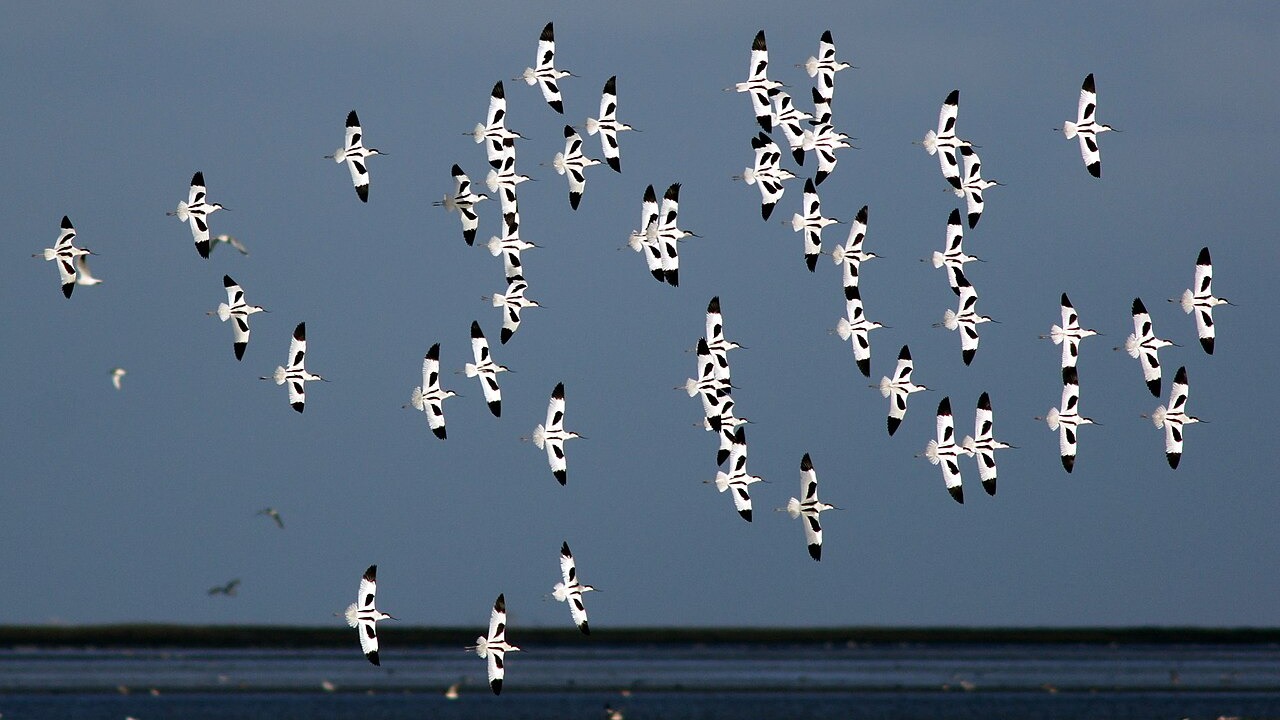
Female Pied Avocets Migrated Farther Than Males
The standardized migration-distance measure averaged 1,928 kilometres for GPS-tracked female pied avocets and 1,277 for males; females also…
Read story →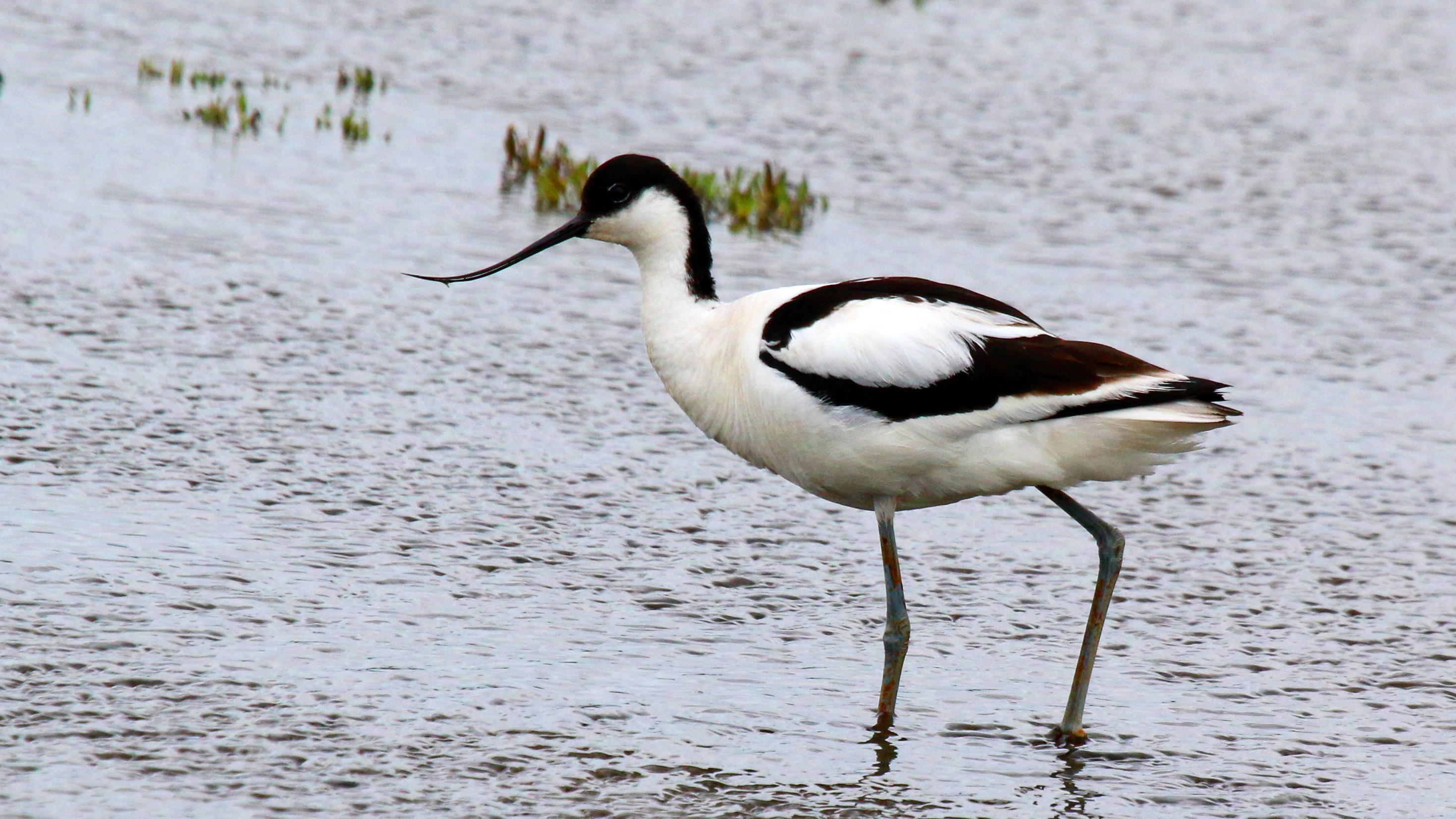
Pied avocet calls became a test for counting birds by sound
BioDCASE 2026 made pied avocet an optional target for estimating known aviary populations from hundreds of thousands of…
Read story →SPECIES IN THIS STORY
Species in this story
Independent research and conservation news archive
Did you find this information useful?
Wildlife Vagabond is independently built and maintained. Voluntary support helps cover source verification, hosting and continued work on research and conservation news.
Support Wildlife VagabondThe news archive will remain freely available.