
Golden Jackals Ate Fruits or Seeds From 20 of 25 Woody Plant Species in Trabzon
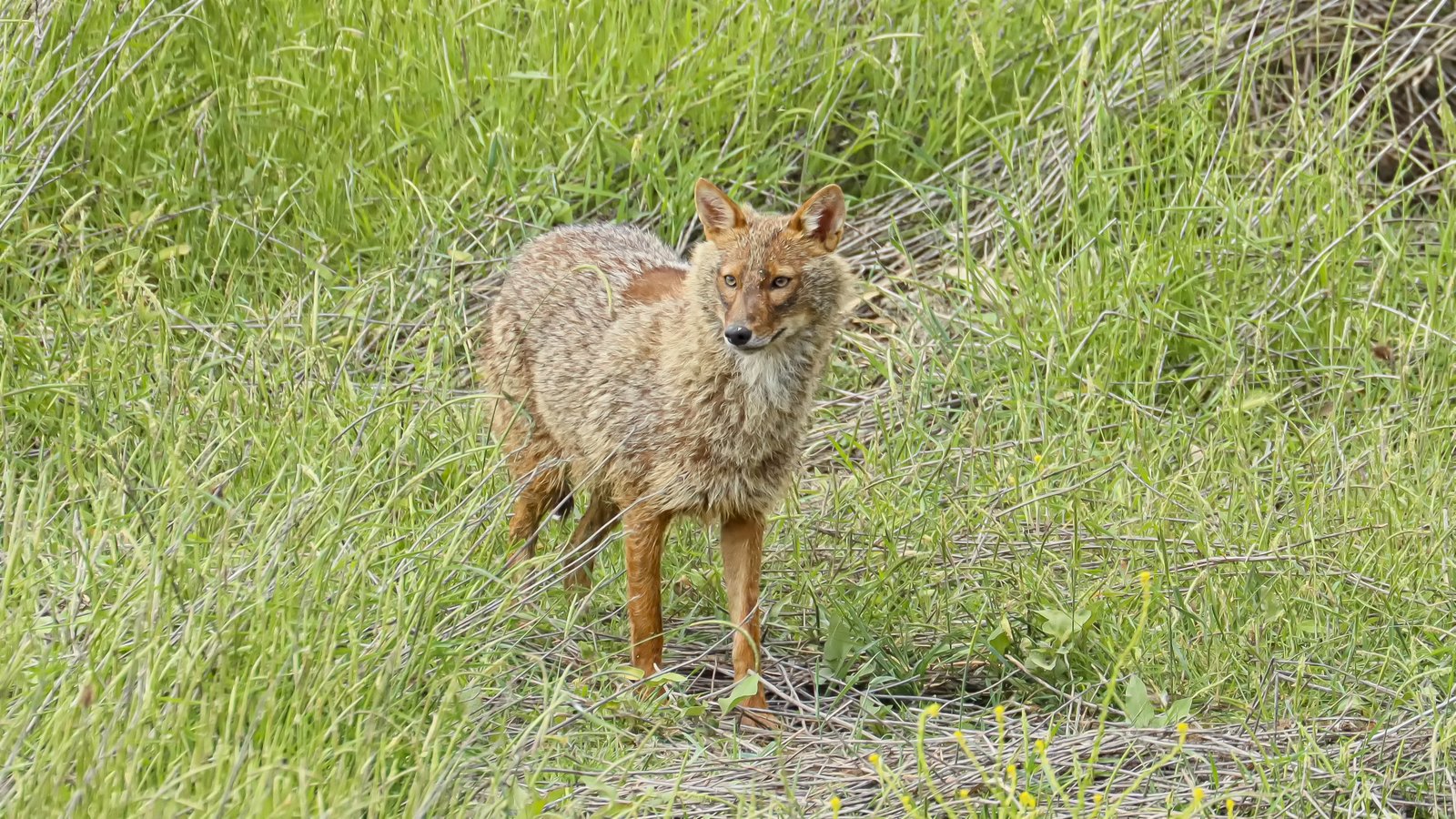
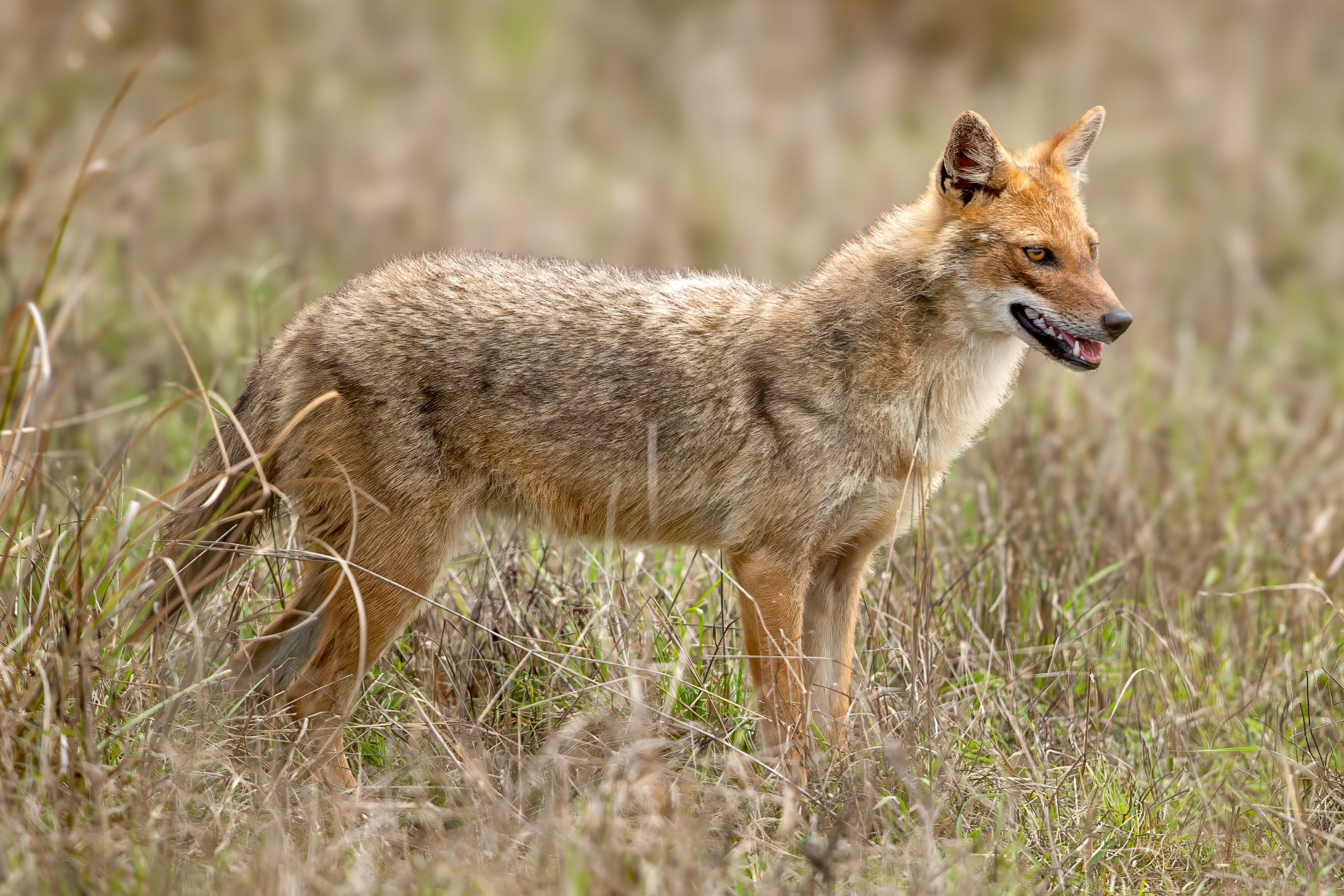
Golden jackals (Canis aureus) consumed fruits or seeds from 20 of the 25 woody plant species with edible produce recorded in a study landscape in Trabzon, Türkiye. The roughly 426-hectare area included agricultural land, forest and suburban habitat, and was studied from January 2023 to June 2024.
Researchers first used camera traps to identify jackals feeding on fruits or seeds, then collected and analysed 21 scat samples. The study therefore combined direct observations of plant feeding with evidence from analysed scat. The 20-of-25 result describes the number of locally available woody plant species detected as food; it does not mean that woody plants made up 80% of the jackals’ total diet or that all 20 species were eaten equally often.
The 20 recorded woody plants included hazel (Corylus maxima), cornelian cherry (Cornus mas), date-plum (Diospyros lotus), strawberry tree (Arbutus unedo), sweet chestnut (Castanea sativa), walnut (Juglans regia), fig (Ficus carica), mulberries, plum, apple, rose, raspberry, pear, medlar, hawthorn and grapevine. Only five of the 25 woody species producing edible fruits or seeds in the study area were not detected in the jackal diet.
The authors conclude that golden jackals fed on nearly all fruit- or seed-bearing woody plants recorded in the area. The study documents broad use of woody plant foods across a mixed agricultural, forest and suburban landscape, highlighting the significant role of these foods in the species’ local diet.
Ecology
Related news
Similar Mammal Diversity, Different Activity Patterns in Grazed and Ungrazed Areas
Camera traps in four northern Israeli reserves found similar numbers of mammal species with and without livestock grazing.…
Read story →
Climate Best Explained Fine-Scale Genetic Connectivity in Expanding Golden Jackals
A Eurasian landscape-genomics study of 363 golden jackals found that geography dominated genetic structure at continental scale, while…
Read story →
Most New Golden Jackal Samples Around the Adriatic Matched the Pannonian Genetic Cluster
Microsatellite analysis of 27 new golden jackal samples from Croatia, Italy, Austria and Greece assigned most animals to…
Read story →SPECIES IN THIS STORY
Species in this story
Independent research and conservation news archive
Did you find this information useful?
Wildlife Vagabond is independently built and maintained. Voluntary support helps cover source verification, hosting and continued work on research and conservation news.
Support Wildlife VagabondThe news archive will remain freely available.