
Similar Mammal Diversity, Different Activity Patterns in Grazed and Ungrazed Areas
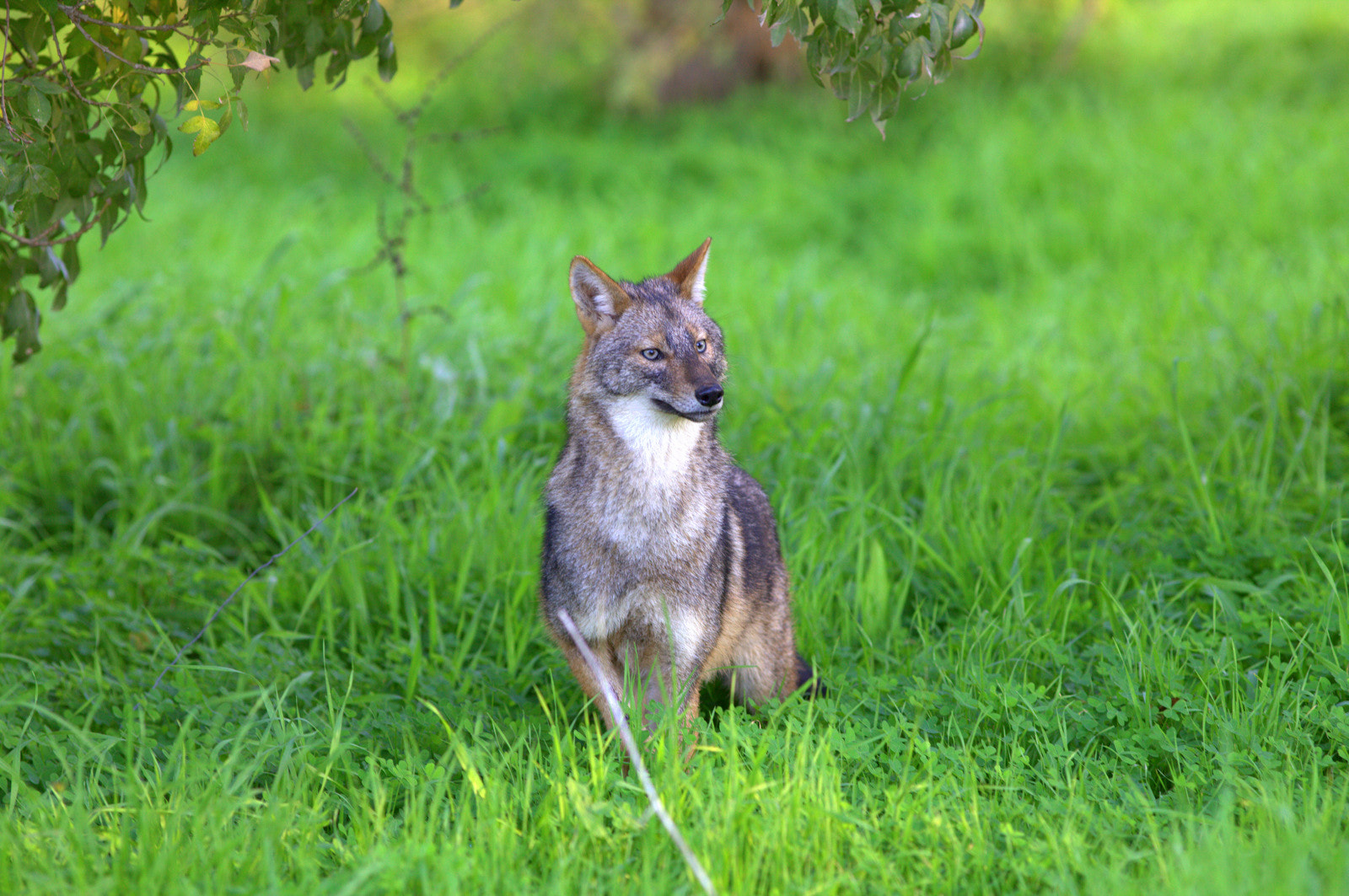
Livestock grazing was associated with changes in where wild mammals were detected together and how closely their activities followed one another in four protected areas of northern Israel. Yet researchers found no clear difference in mammal species richness between grazed and ungrazed habitats. The contrasts emerged when they looked beyond species counts to patterns in detections and activity.
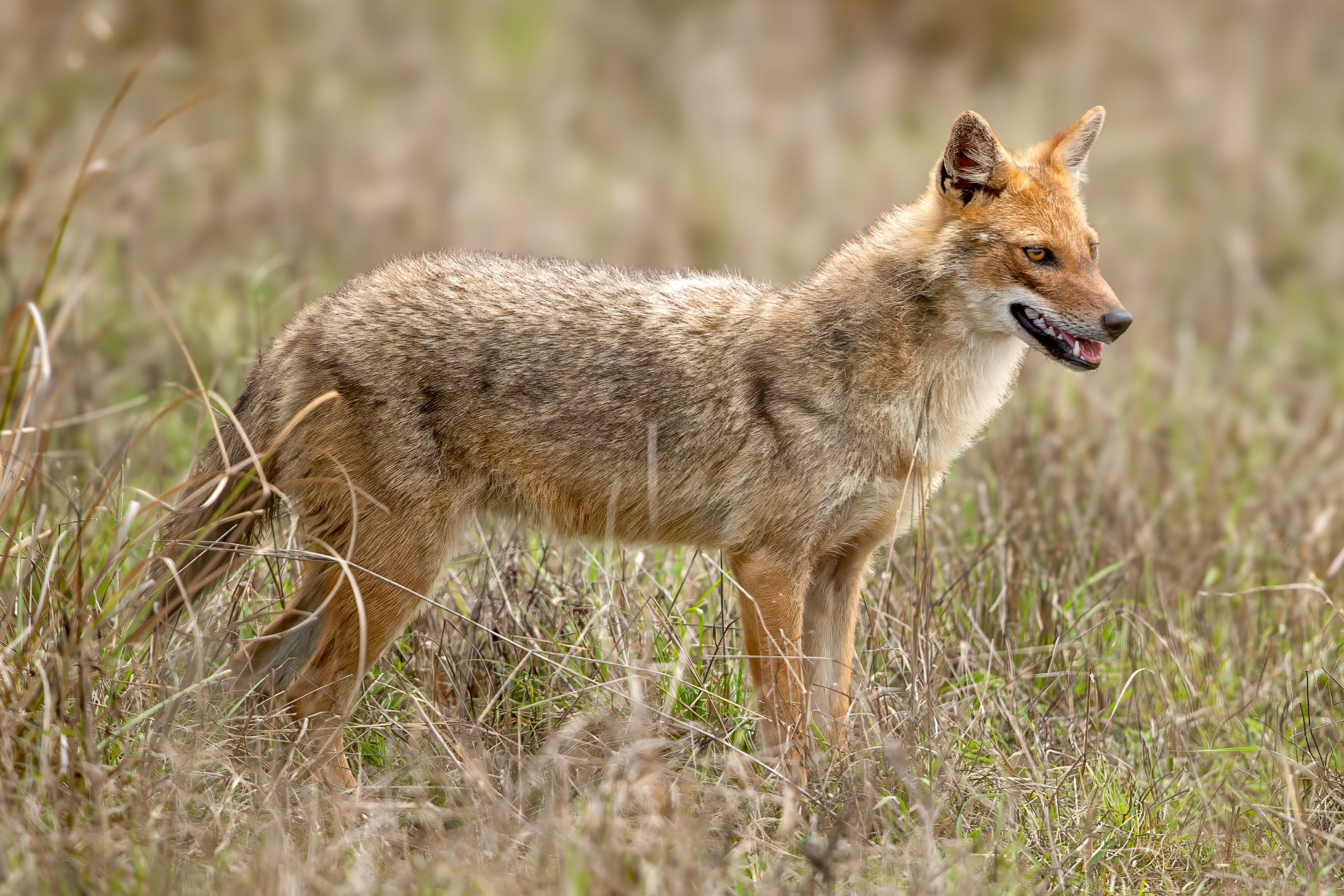
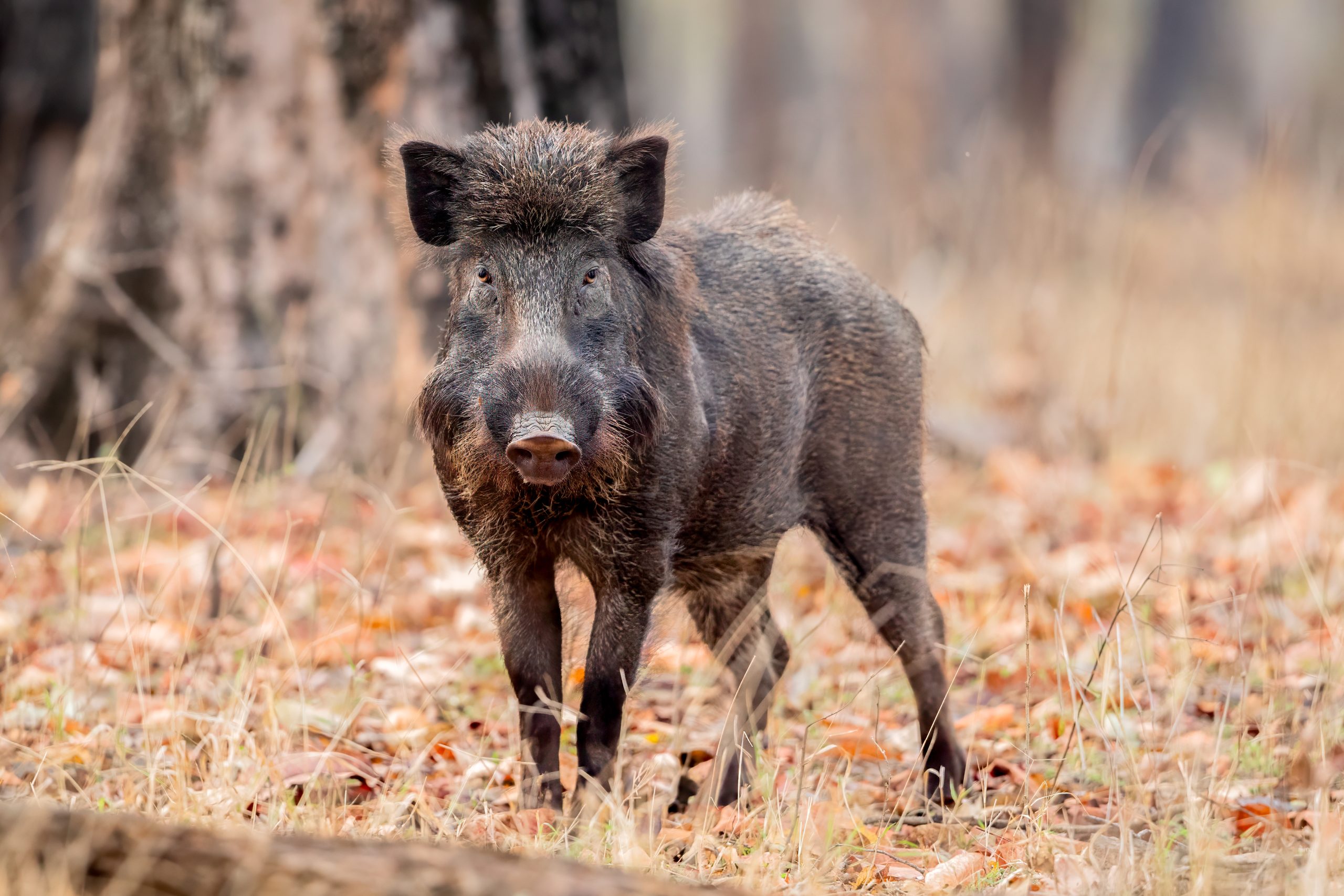
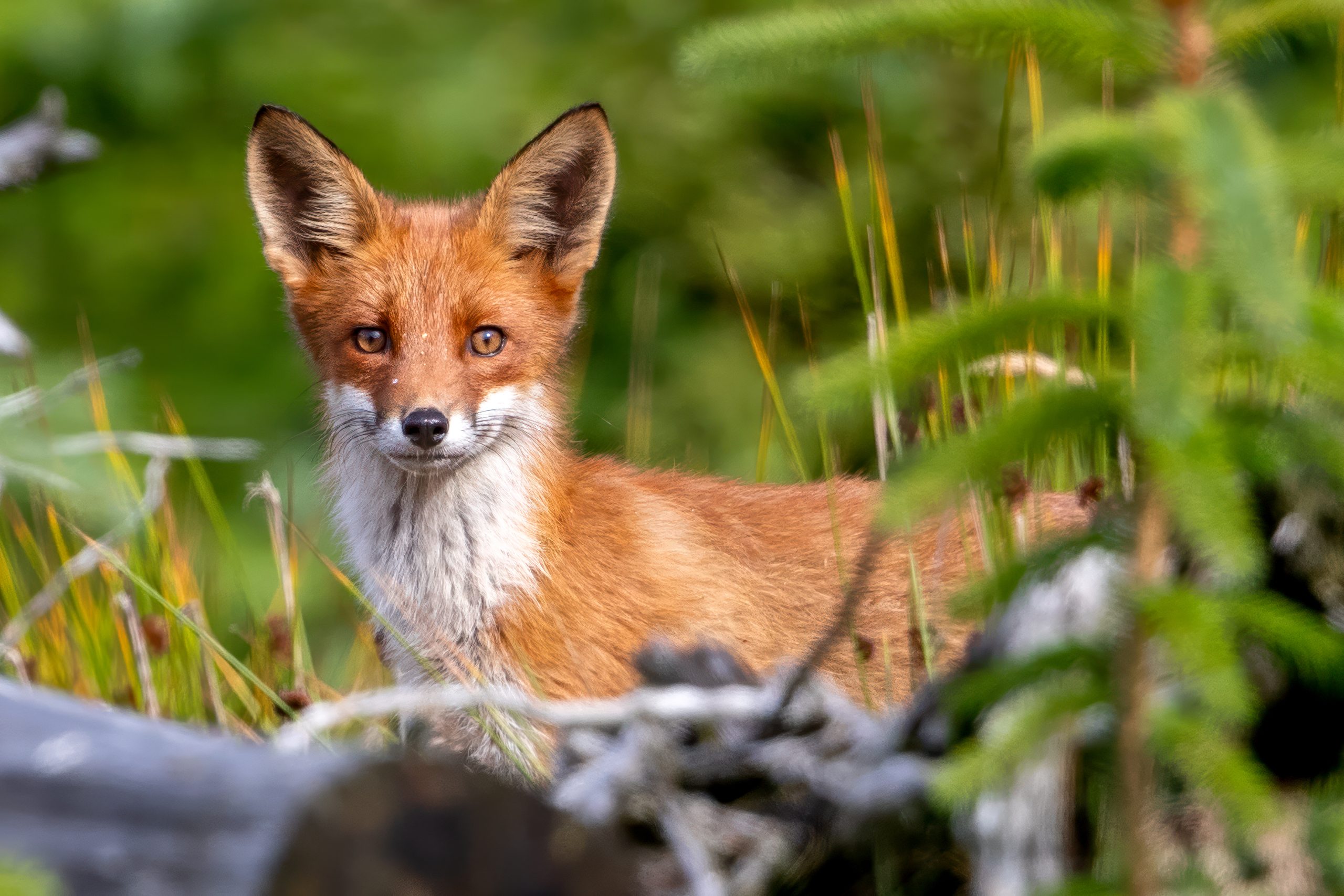
The researchers deployed 75 camera traps between November 2022 and August 2023. The cameras recorded 1,450 independent events involving 15 mammal species, including three domestic species. Wild Boar (Sus scrofa) was the most frequently detected wild mammal, with 436 events, followed by Golden Jackal (Canis aureus) with 421 and Red Fox (Vulpes vulpes) with 170.
Different associations between mammals
In ungrazed habitats, camera locations with relatively frequent Wild Boar detections also tended to have more Golden Jackal detections. This positive association was absent in grazed habitats. Overall, the associations between species’ detection patterns were weaker and less clearly structured where livestock grazed.
In ungrazed areas, Mountain Gazelles (Gazella gazella) tended to be detected less frequently where boars, jackals and foxes were relatively common. Indian Crested Porcupines (Hystrix indica) also showed negative associations with boars and jackals. Such patterns may be compatible with competition, avoidance or other ecological interactions, but camera detections alone cannot establish that one species directly affected another.
Boars and jackals appeared closer together in time
The researchers also examined the intervals between detections of different species at the same cameras. In grazed habitats, Golden Jackals and Mountain Gazelles appeared sooner after Wild Boar detections than they did in ungrazed habitats. Red Foxes tended to appear later after gazelles in grazed areas, although this contrast was less certain than the two species-pair results involving Wild Boar. The results therefore showed differences not only in where mammals were recorded together, but also in the timing of their activities.
Grazing can change vegetation cover and the distribution of food, water and other resources. These changes may help explain differences in how mammals use the landscape, although the study could not establish a single cause. The authors argue that species richness alone may give an incomplete picture of the ecological effects of land use. They recommend conserving a mosaic of grazed land and ungrazed refuges to maintain a variety of relationships within mammal communities.
Ecology
Related news
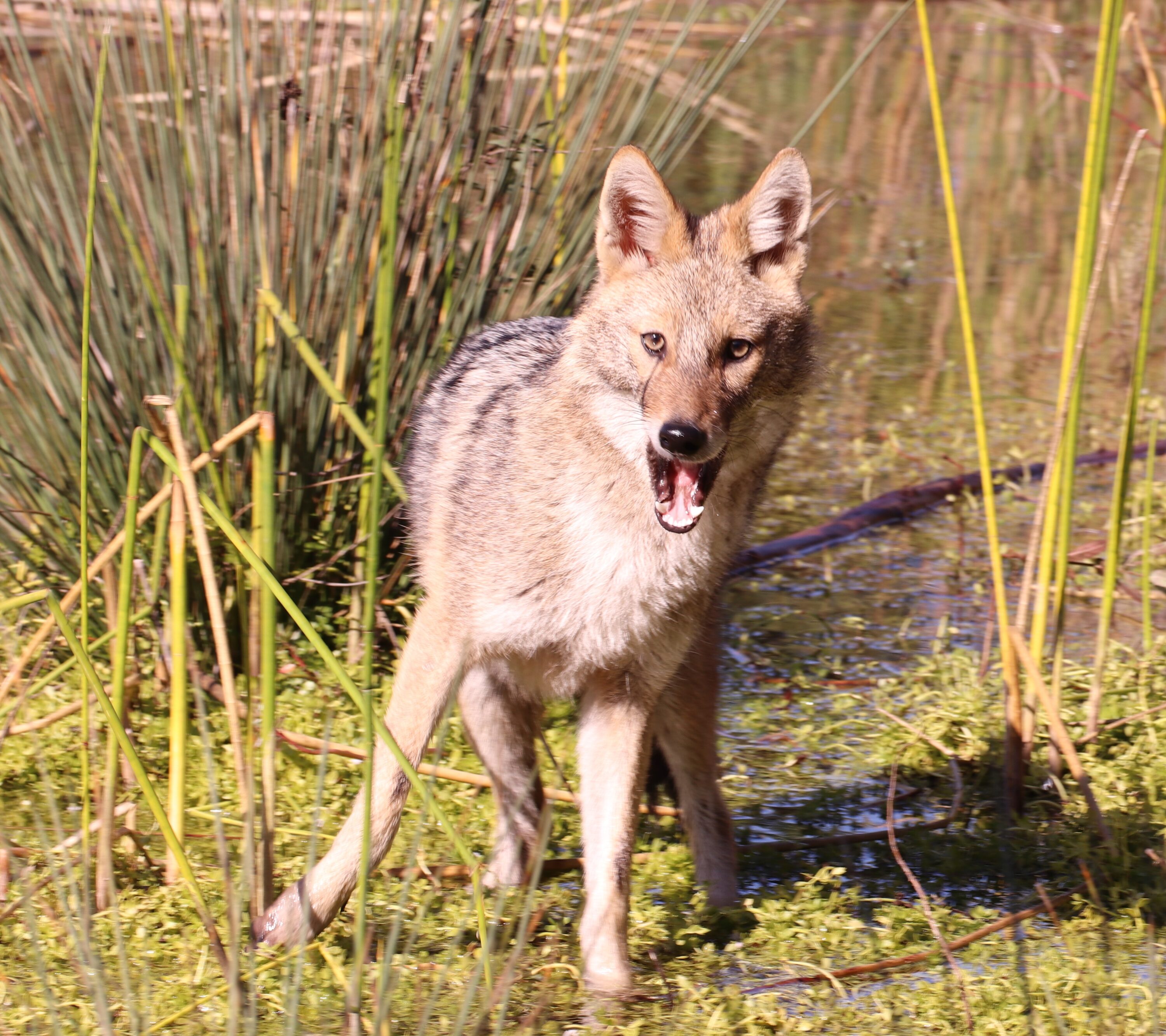
Bartonella Was Detected in 24.9% of Golden Jackals Sampled Across Israel
A survey of 454 golden jackals across Israel detected Bartonella DNA in 113 animals, while four Bartonella species…
Read story →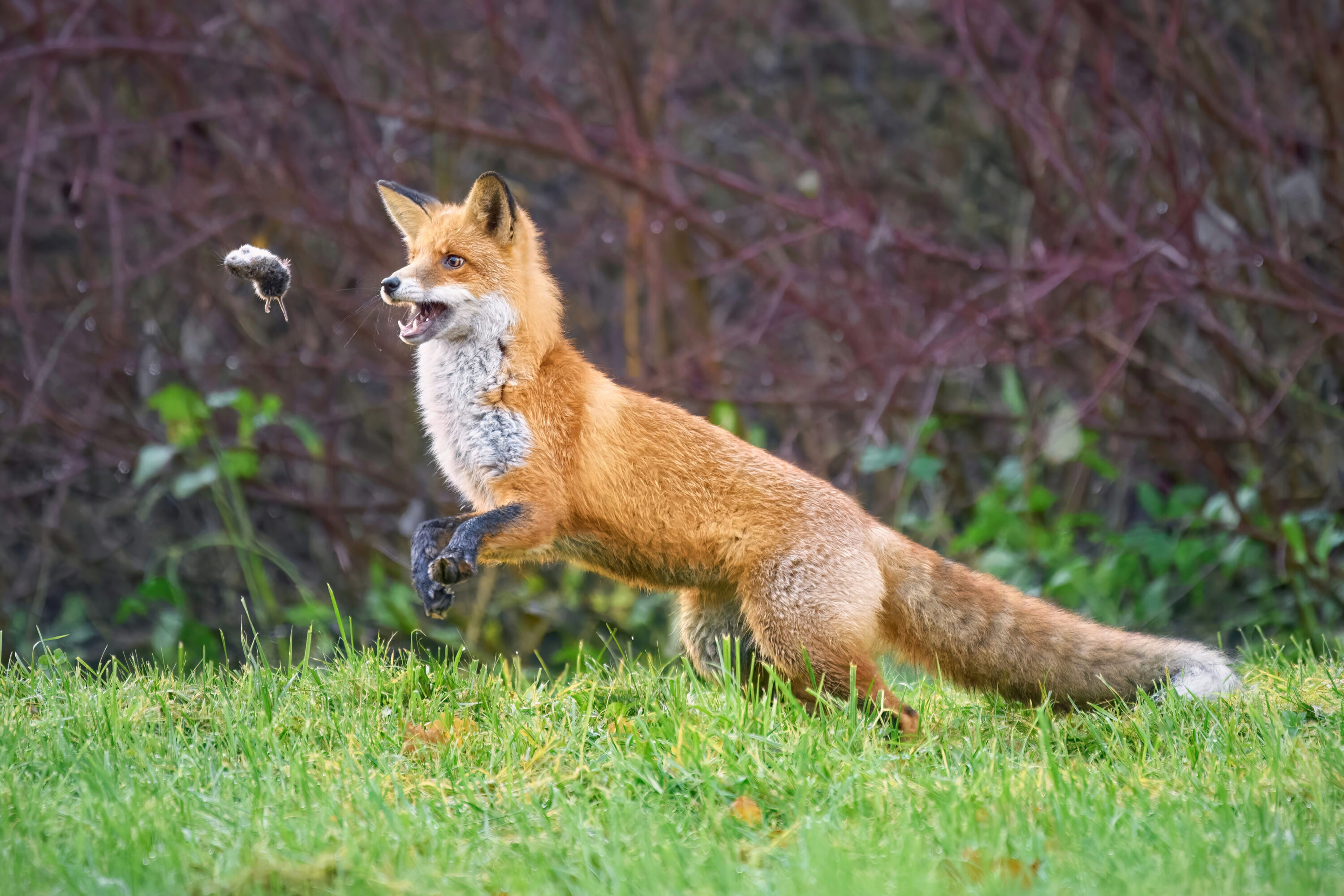
Common Voles and European Wood Mice Contacted Fox and Jackal Scat Most Often in Autumn and Winter
Camera traps in Hungary recorded six rodent taxa around red fox and golden jackal scat, with common voles…
Read story →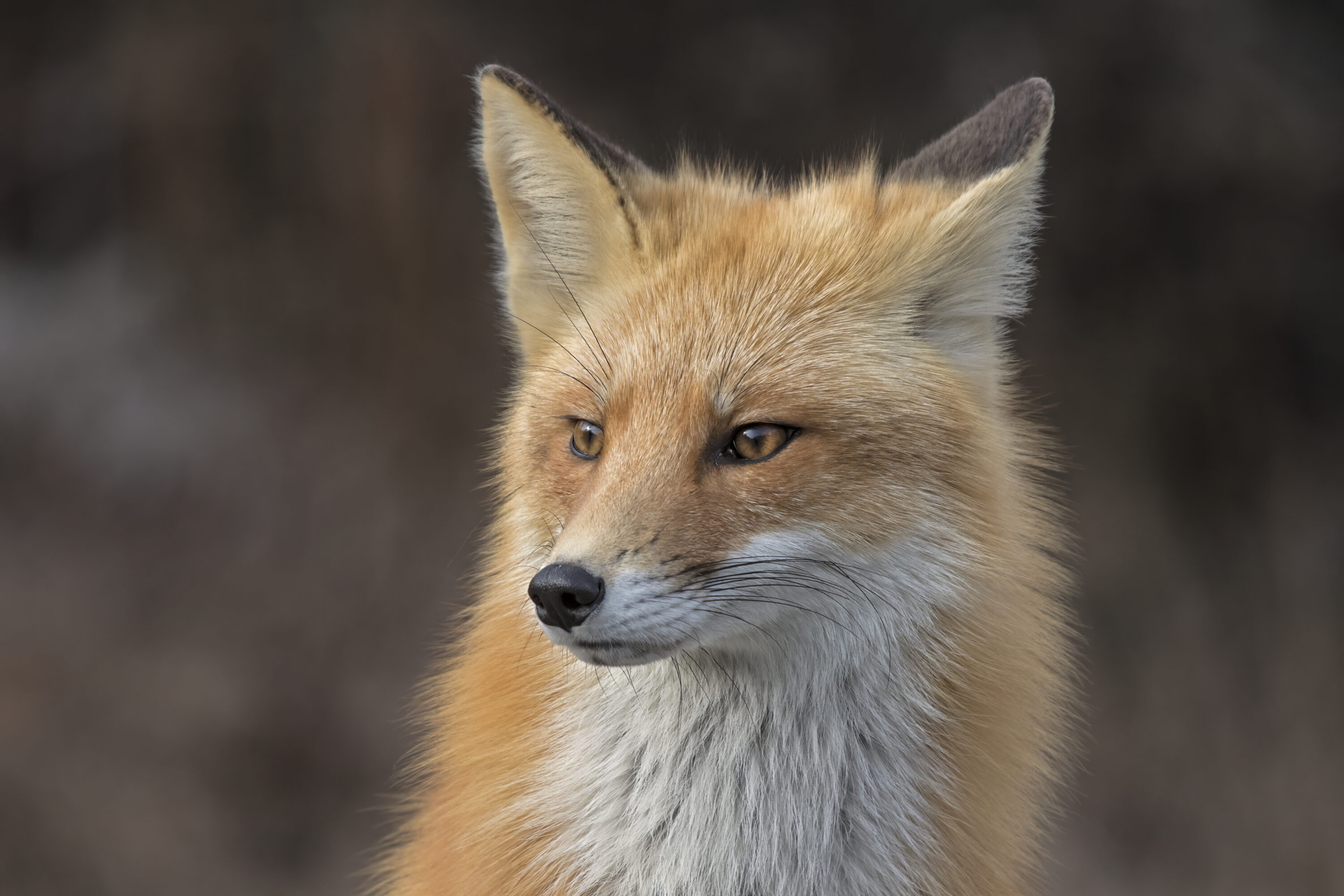
Canine distemper virus found in foxes and badgers in northern Italy
Researchers detected canine distemper virus in six red foxes and six European badgers among 43 wild carnivores examined…
Read story →SPECIES IN THIS STORY
Species in this story
Independent research and conservation news archive
Did you find this information useful?
Wildlife Vagabond is independently built and maintained. Voluntary support helps cover source verification, hosting and continued work on research and conservation news.
Support Wildlife VagabondThe news archive will remain freely available.