
Great Tits Were Most Infectious With Borrelia During the Breeding Season
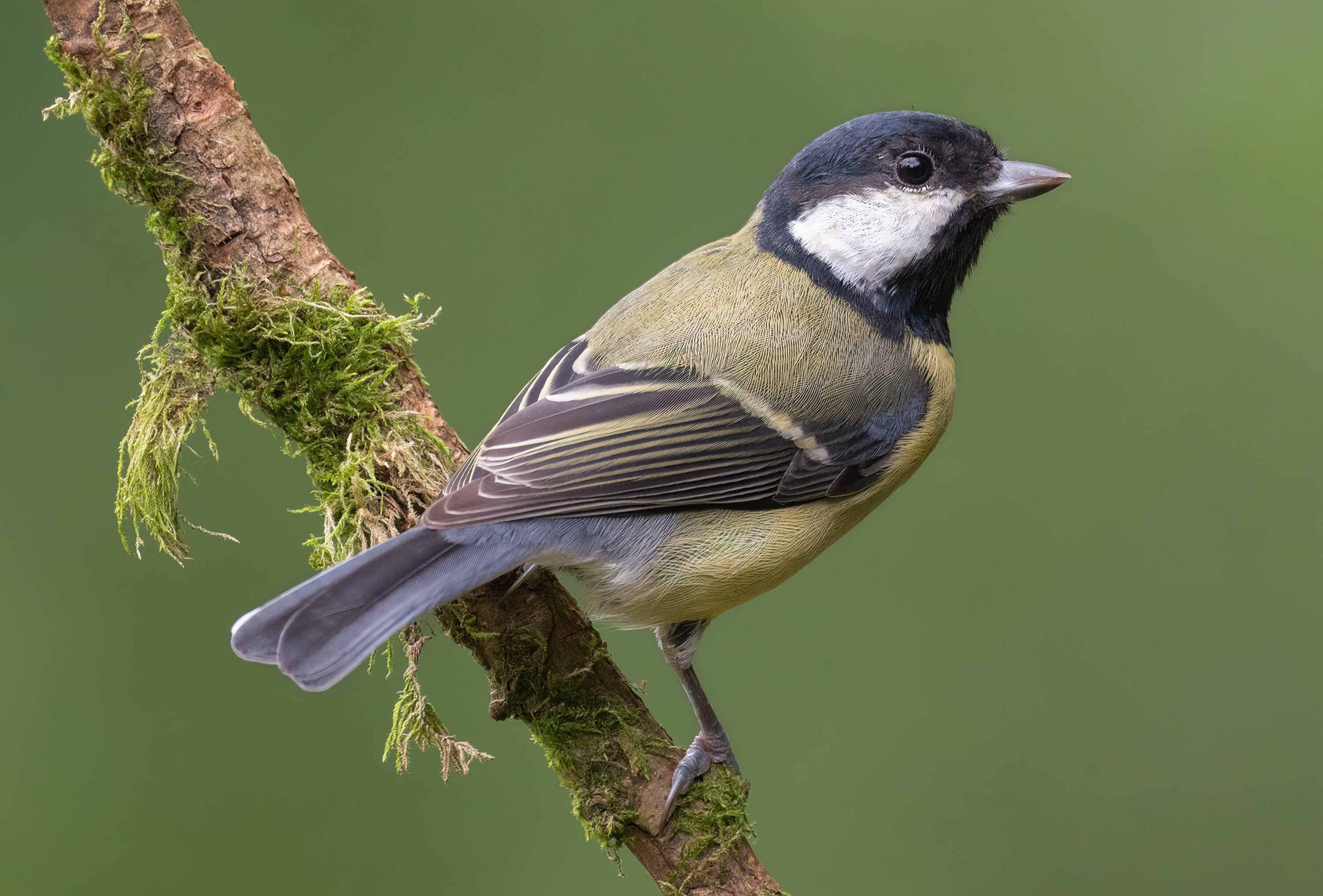
Wild Great Tits in northern Belgium were far more likely to transmit the Lyme-disease bacterium Borrelia garinii to ticks during the breeding season than during autumn and winter. Across seven consecutive seasons, researchers performed 420 xenodiagnoses and found that infectiousness peaked during breeding, reaching 49% of tested birds in 2023.
Borrelia garinii is one of the bacteria responsible for Lyme borreliosis and is particularly associated with neurological disease in humans. Birds can act as reservoir hosts, maintaining the bacterium and transmitting it to Ixodes ricinus ticks. The study asked how that ability to infect ticks changes through the year in a wild bird population.
Ticks were used to test whether birds were infectious
The researchers used xenodiagnosis: laboratory-reared larval ticks that were initially free of Borrelia were allowed to feed on captured Great Tits (Parus major). After feeding, the ticks were tested for the bacterium. If previously uninfected ticks acquired B. garinii, the bird had been infectious at the time of the test.
The birds came from wild populations in northern Belgium. The work followed individuals across breeding and non-breeding periods, allowing infectiousness to be compared seasonally rather than inferred from a single sampling period.
Infectious birds were most common during breeding
The proportion of birds capable of infecting ticks was consistently higher during the breeding seasons than later in the year. The strongest peak occurred in 2023, when 49% of tested Great Tits were infectious.
Infectiousness then dropped sharply in autumn and winter. Only a small number of birds were repeatedly infectious across sampling occasions, suggesting that the ability to transmit B. garinii was often temporary rather than a stable property of an infected individual.
Most birds transmitted a single bacterial haplotype
When birds transmitted B. garinii, most passed on only one detected haplotype — a genetically distinguishable variant of the bacterium. This indicates that individual birds often contributed a relatively narrow subset of the bacterial diversity circulating in the system.
The seasonal pattern matters because transmission depends on two processes occurring together: birds must be infectious, and susceptible ticks must be feeding on them. A breeding-season rise in avian infectiousness can therefore amplify transmission if it coincides with periods when larval or nymphal ticks are active on birds.
A reservoir host changes through time
The study shows that describing a species simply as a reservoir host can hide substantial temporal variation. Great Tits were not equally capable of passing B. garinii to ticks throughout the year, and infectiousness also differed among years.
For vector-borne pathogens, such seasonal changes can alter how efficiently the bacterium moves between birds and ticks. The results therefore add a temporal dimension to the role of Great Tits in the ecology of B. garinii and Lyme neuroborreliosis.
Disease, parasites & microbiology
Related news
Urban Bird Diversity Was More Strongly Linked to Forest Structure Than the Surrounding City
Across 12 urban forests in three Italian cities, researchers recorded 2,035 birds from 52 species. Local forest structure…
Read story →
Great Tits Had Paler Yellow Plumage in More Built-Up Urban Territories
Across 838 observations from six European cities, great tits breeding in territories with more impervious surface had lower…
Read story →
Veterinary Insecticides Were Found in Great Tit Nests in Both Urban and Protected Forest Habitats
Researchers analysed fur-containing material from 63 Great Tit nests in Hungary. Urban nests contained more insecticides and higher…
Read story →SPECIES IN THIS STORY
Species in this story
Independent research and conservation news archive
Did you find this information useful?
Wildlife Vagabond is independently built and maintained. Voluntary support helps cover source verification, hosting and continued work on research and conservation news.
Support Wildlife VagabondThe news archive will remain freely available.