
Great Tit Measurements Followed Different Patterns with Warmth and Over Four Decades
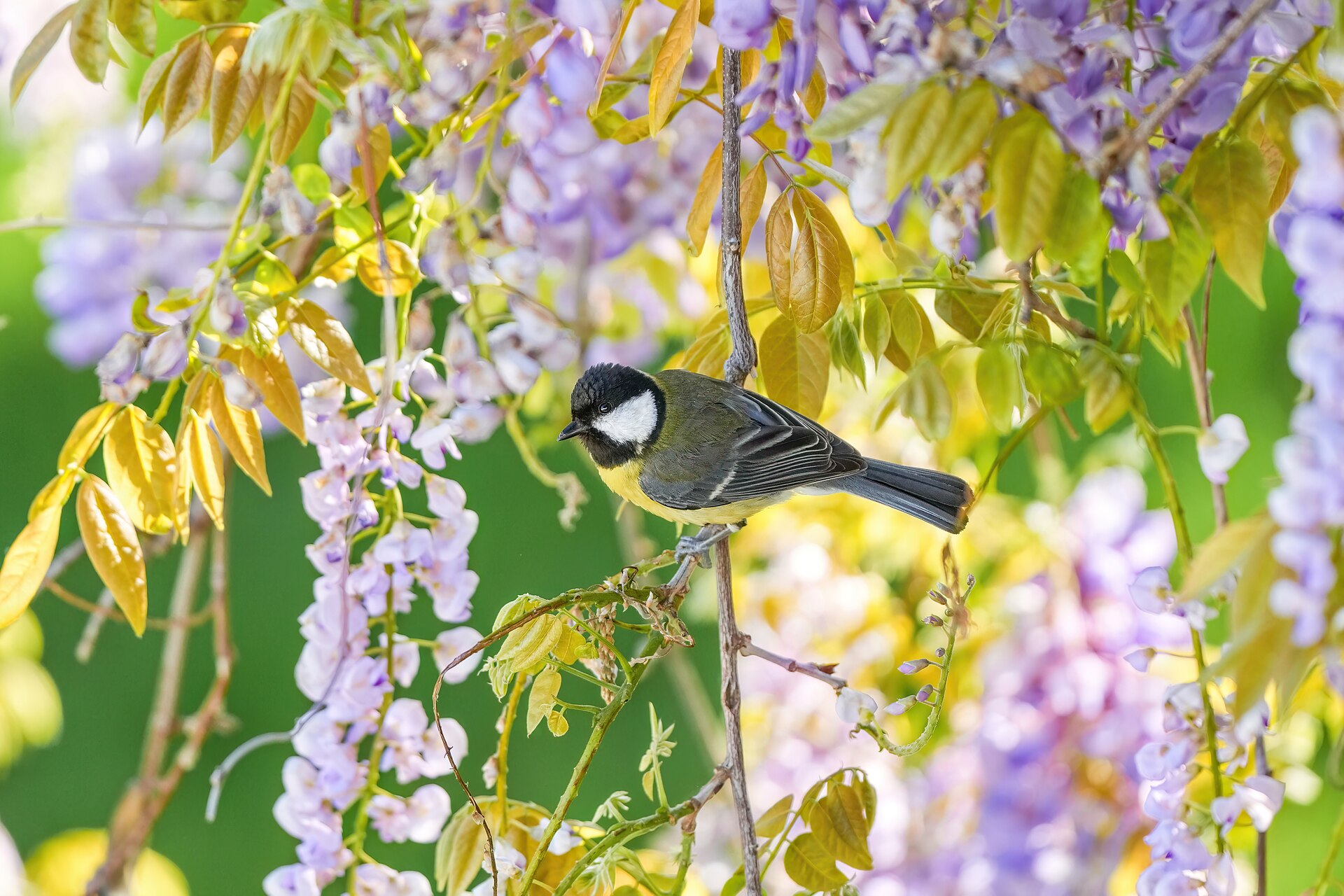
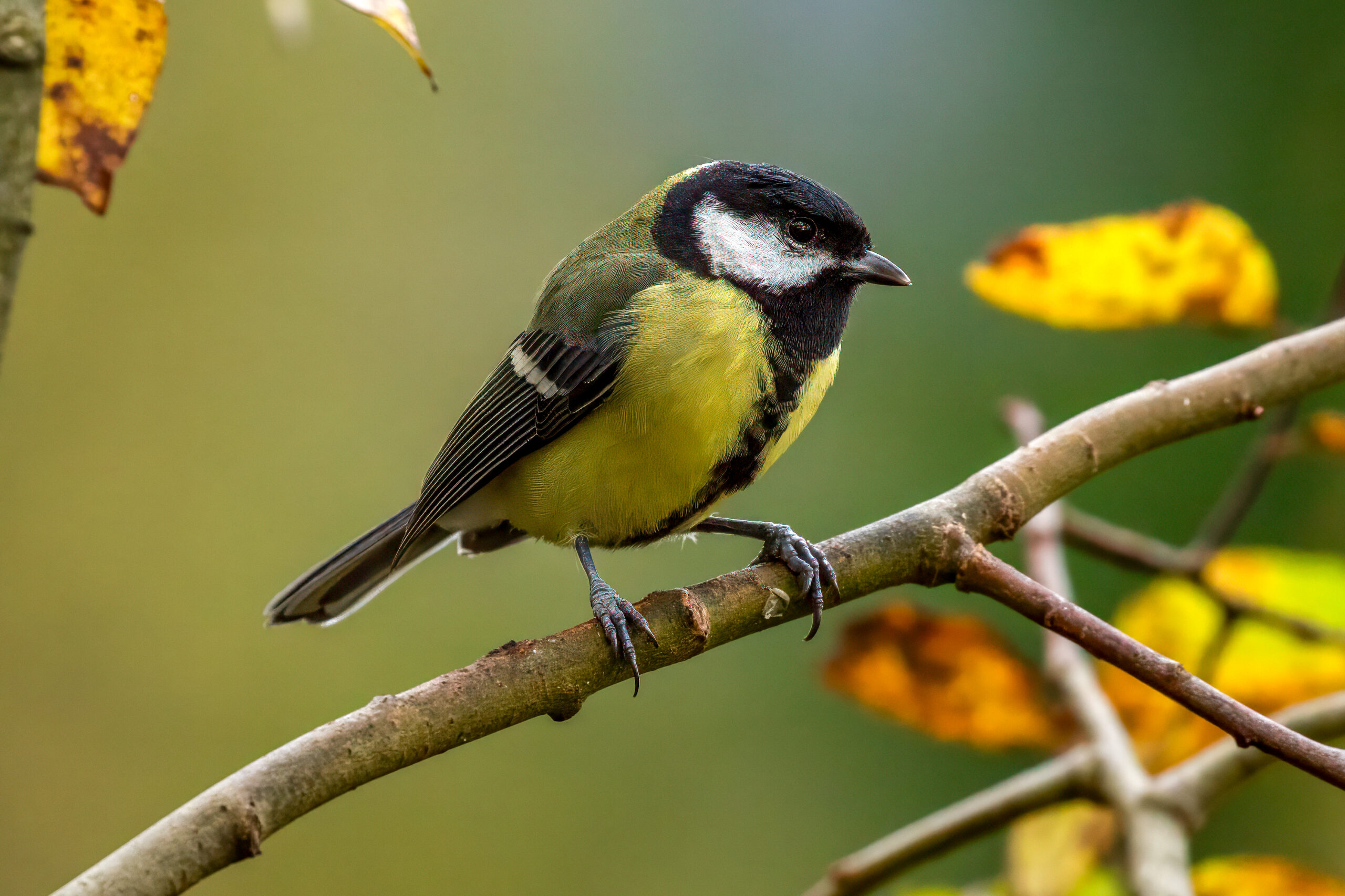
How birds’ body measurements relate to warm conditions can depend on both the trait being measured and the life stage. A study of Great Tits (Parus major) breeding in nest boxes in an orange-growing area of Sagunto, eastern Spain, found that associations with temperature did not always match changes in the population over four decades.
The researchers analysed records from 1992 to 2024: 11,862 eggs, 8,210 nestlings and 5,697 measurements of adults from 3,167 birds. Mean annual temperature in the study area rose by about 1.7°C over that period. To compare temperature associations with long-term trends, they assessed temperatures during the relevant periods for each life stage: egg formation and laying, the first 15 days after nestlings hatched, and the 180 days before adult capture.
Warmth and long-term change did not produce the same pattern
Adult body mass showed the clearest association with temperature: it was estimated to be 0.84% lower for each 1°C increase. Adult mass also declined over the study period. Tarsus length—the length of the lower leg, commonly used as a measure of structural body size—increased with warmer conditions in both nestlings and adults. This pattern is consistent with Allen’s rule, which predicts longer appendages in warm conditions. Yet adult tarsi shortened over the decades, while nestling tarsus length showed no long-term trend.
Other measurements followed different patterns. Adult wings were shorter in warmer conditions, but wing length did not change over time. Nestling mass showed no detectable association with temperature or long-term trend. Egg mass was not detectably related to temperature during egg formation and laying, yet it declined over the study period.
Clutch size tended to be lower in warmer conditions, but this temperature association was not statistically supported; clutch size increased over time. The combined mass of a clutch—the total mass of its eggs—was lower at warmer laying temperatures, even though egg mass showed no detectable temperature relationship and clutch size showed only a non-significant downward tendency. Total clutch mass nevertheless increased over the study period.
Together, the findings show why climate-related change cannot be captured by a single measurement or life stage. In this population, measurements associated with warmer conditions did not necessarily change in the same direction over decades. Adult tarsus length is a striking example: it increased with temperature but shortened over time. The study documents these patterns in one population; it does not establish that warming caused the long-term changes.
Ecology
Related news
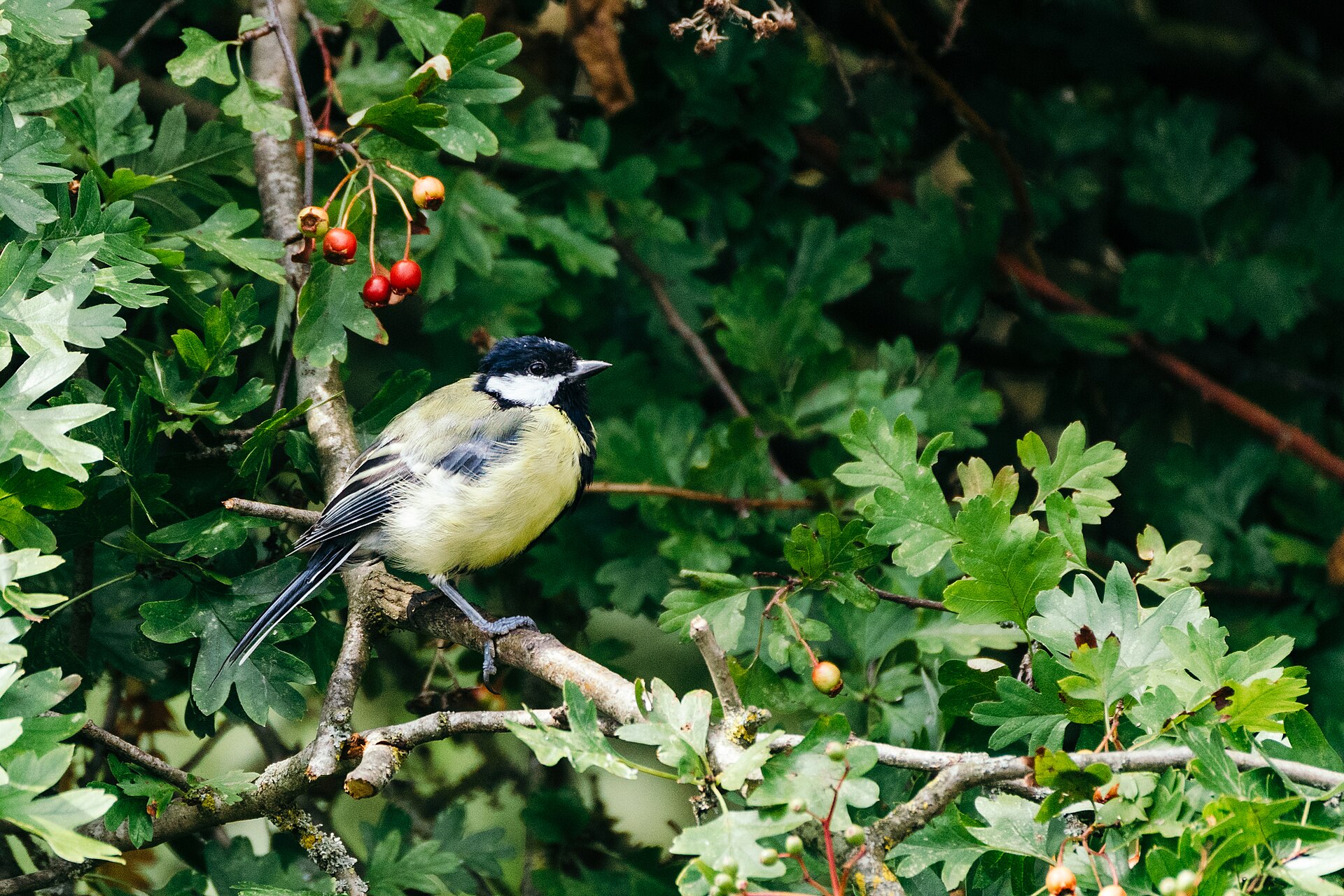
City and Forest Great Tits Respond Differently to Artificial Light at Night
In a common-garden experiment, artificial light initially advanced daily activity onset in great tits from both city and…
Read story →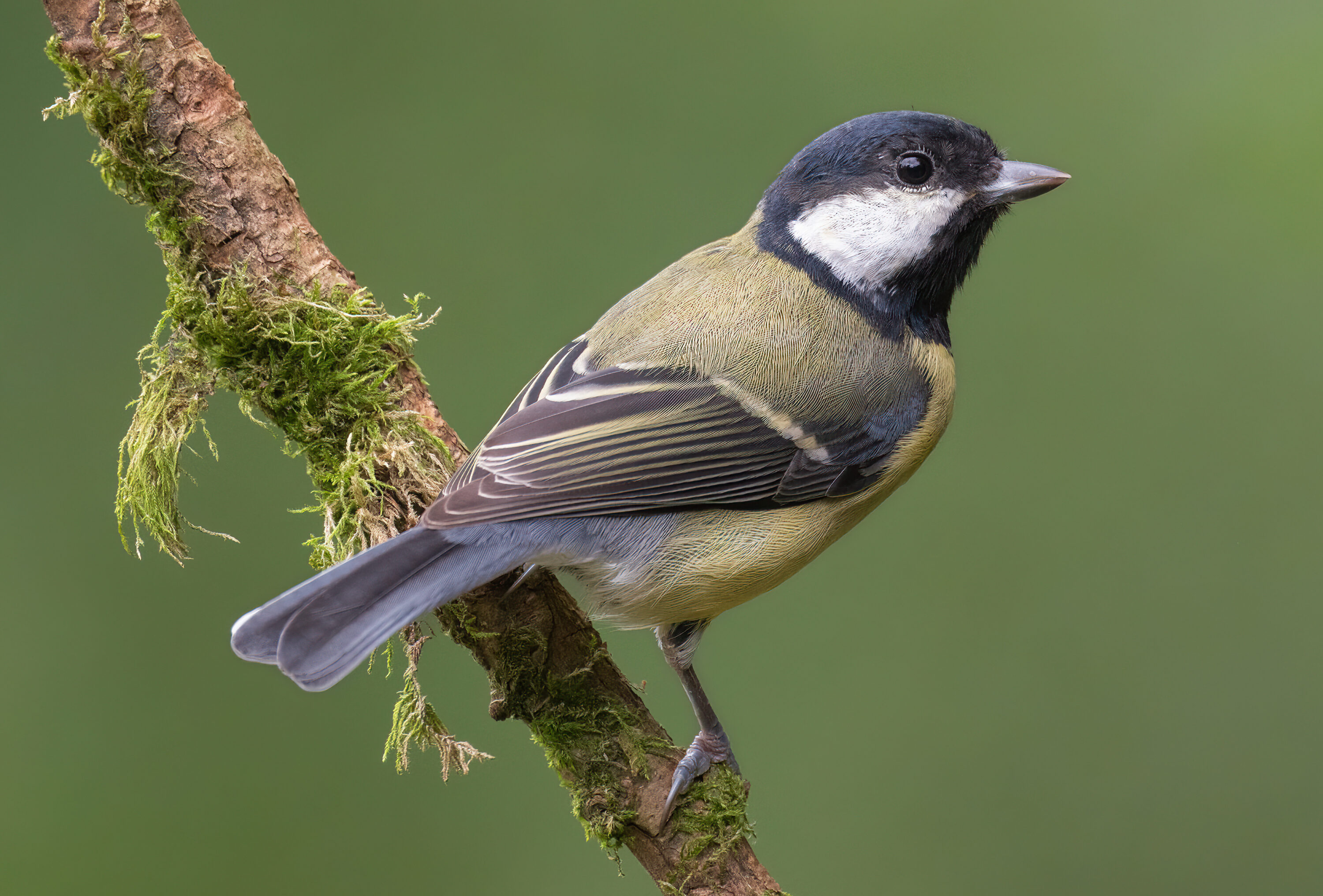
Great Tits Infected Ticks With Borrelia Most Often During Breeding
Across 420 xenodiagnoses in northern Belgium, wild Great Tits were much more likely to transmit Borrelia garinii to…
Read story →
Urban Bird Diversity Was More Strongly Linked to Forest Structure Than the Surrounding City
Across 12 urban forests in three Italian cities, researchers recorded 2,035 birds from 52 species. Local forest structure…
Read story →SPECIES IN THIS STORY
Species in this story
Independent research and conservation news archive
Did you find this information useful?
Wildlife Vagabond is independently built and maintained. Voluntary support helps cover source verification, hosting and continued work on research and conservation news.
Support Wildlife VagabondThe news archive will remain freely available.