
Alkaloid-rich moths may put extra metabolic strain on great tits
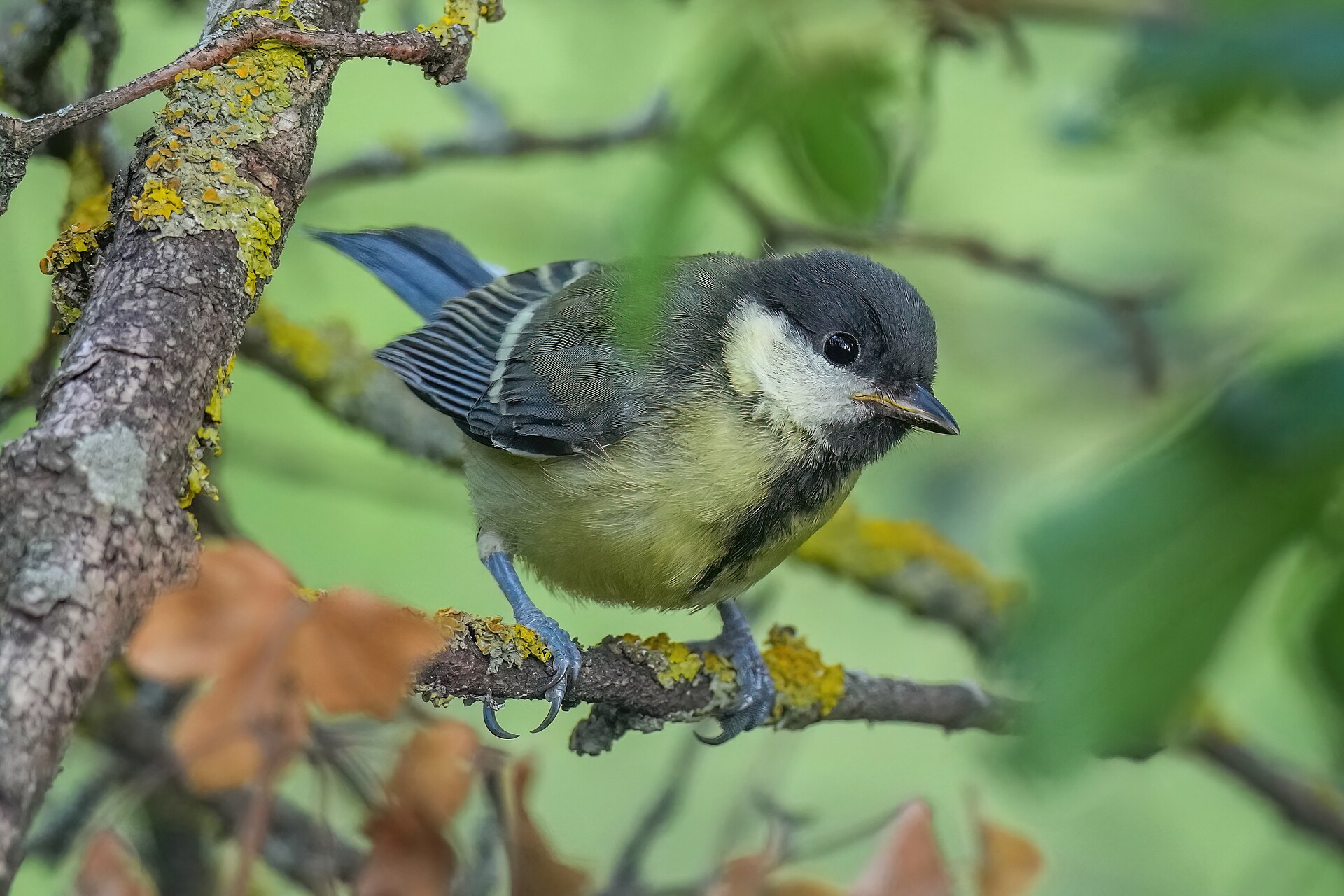
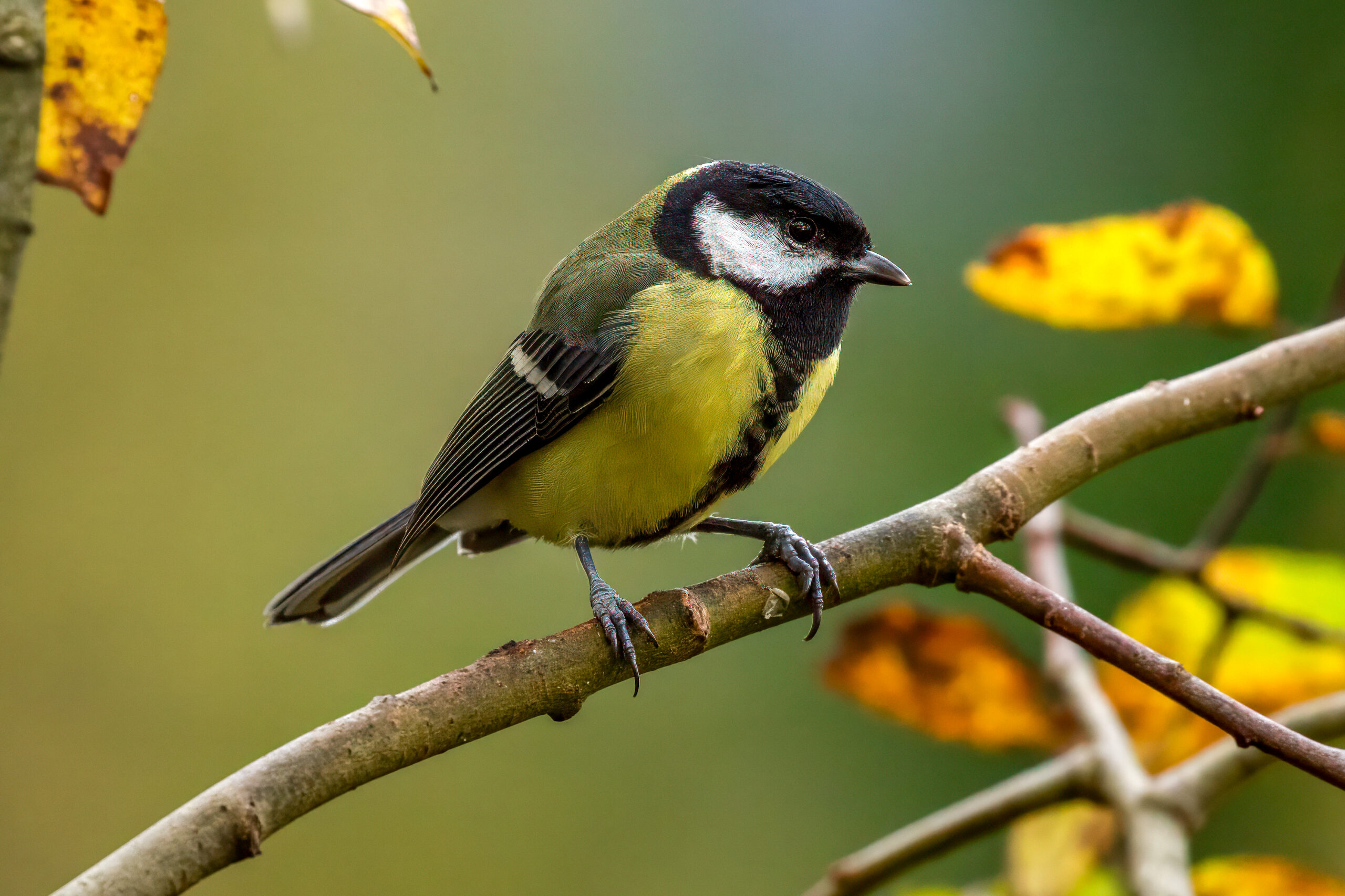
Predators may still eat chemically defended prey when the nutritional benefits outweigh the costs of toxins, but the physiological costs of eating such prey are not well understood. In a feeding experiment, great tits (Parus major) ate wood tiger moths (Arctia plantaginis) with different levels of pyrrolizidine alkaloids (PAs), plant-derived toxins used by some insects as chemical defenses. The study was posted as a bioRxiv preprint on 16 October 2026 and has not been peer reviewed.
Moths differed in toxin levels and defensive secretions
The researchers raised moth larvae on diets that differed in PA content. They also manually removed some of the moths’ defensive secretions from half of the moths in each diet group. Together, these treatments produced four groups of moths with different PA profiles. Great tits ate moths from these groups for six consecutive days. The researchers then collected blood and fecal samples to examine physiological responses, including stress and metabolism.
Higher toxin exposure was linked to greater use of mitochondrial capacity
PA exposure was not associated with significant changes in corticosterone, a stress hormone, serotonin, a chemical messenger, or the measured biomarkers of oxidative stress. However, birds exposed to higher PA doses made greater use of their mitochondrial maximal capacity. Mitochondria produce much of the energy cells use, so drawing more heavily on their maximum capacity may indicate greater metabolic demand. The authors suggest that the pattern could result from increased metabolic stress. Overall, they conclude that including some PA-defended insects in a great tit’s diet did not incur high physiological costs, although higher PA exposure may increase metabolic demand.
Physiology
Related news
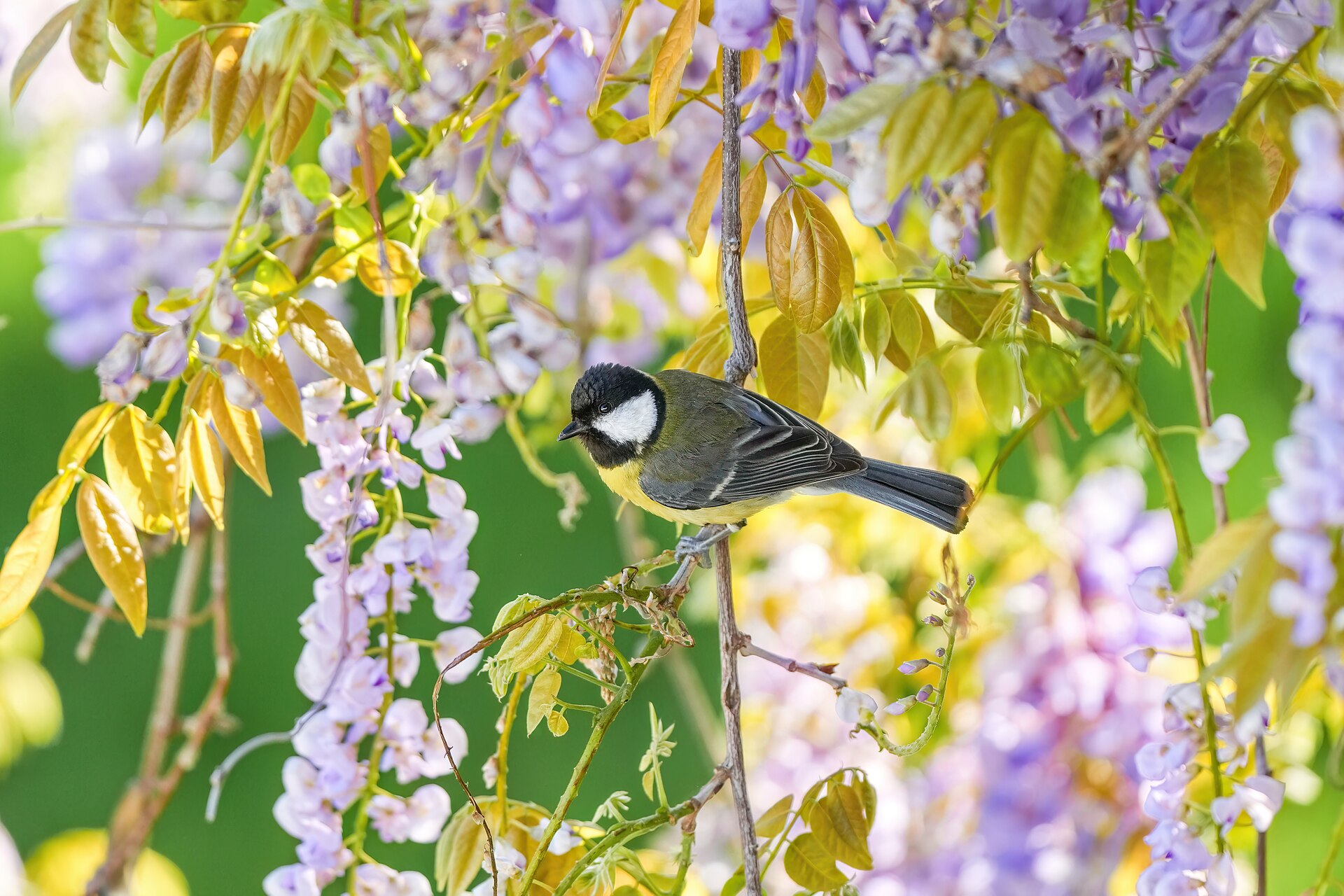
Great Tit Measurements Followed Different Patterns with Warmth and Over Four Decades
Measurements of Great Tit eggs, nestlings and adults in eastern Spain show that relationships with warmer conditions did…
Read story →
City and Forest Great Tits Respond Differently to Artificial Light at Night
In a common-garden experiment, artificial light initially advanced daily activity onset in great tits from both city and…
Read story →
Great Tits Infected Ticks With Borrelia Most Often During Breeding
Across 420 xenodiagnoses in northern Belgium, wild Great Tits were much more likely to transmit Borrelia garinii to…
Read story →SPECIES IN THIS STORY
Species in this story
Independent research and conservation news archive
Did you find this information useful?
Wildlife Vagabond is independently built and maintained. Voluntary support helps cover source verification, hosting and continued work on research and conservation news.
Support Wildlife VagabondThe news archive will remain freely available.