
City and Forest Great Tits Respond Differently to Artificial Light at Night
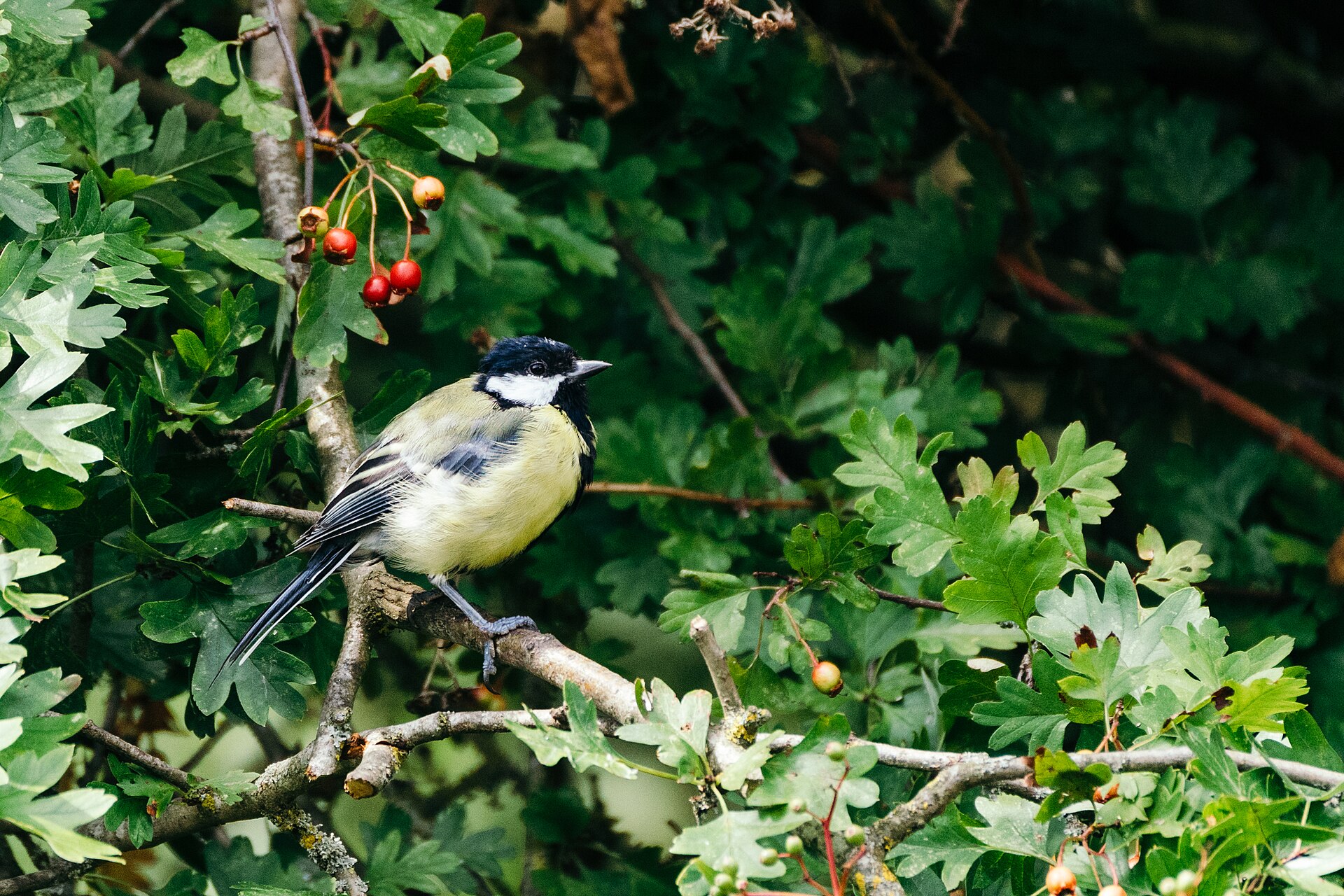
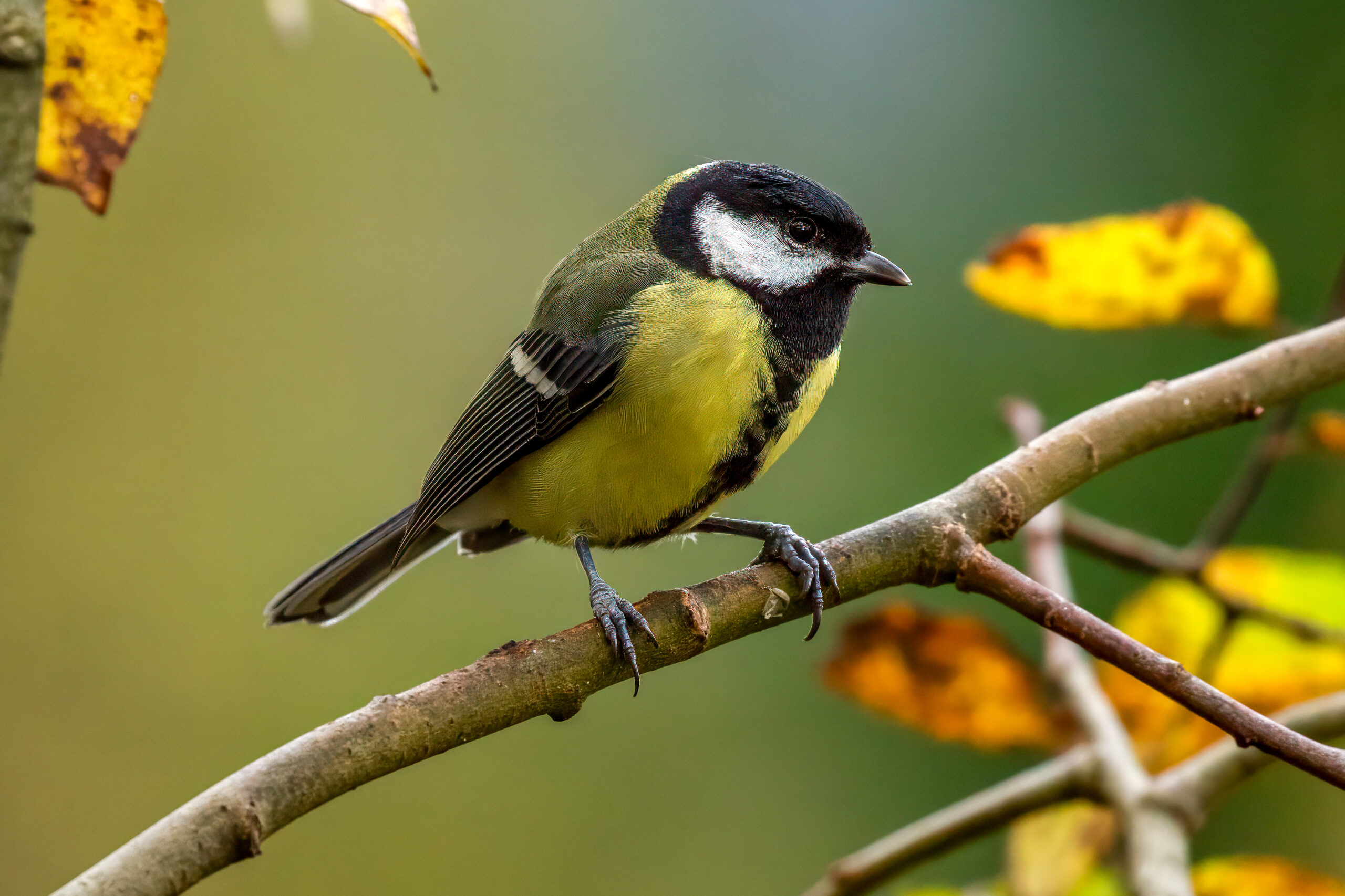
Artificial light at night can affect when animals are active. But do birds from cities and forests respond in the same way? Researchers compared great tits (Parus major) from the two habitats in a common-garden experiment, keeping the birds under the same controlled conditions and varying whether they experienced light at night.
During the breeding season, birds were kept in pairs for three months under either artificial light at night or dark nights. The following year, the same pairs took part again under the opposite treatment. Under artificial light, daily activity began earlier in both groups. Over time, this advance faded in city birds but persisted in forest birds.
The researchers also examined the birds’ circadian clocks—the internal timing systems that help organize daily activity. They measured when activity began under constant dim light and how light pulses shifted activity, using these responses to assess clock properties. The difference between city and forest birds in their behavioural response to night-time light was not reflected in the clock properties measured.
Because both groups were kept under the same conditions, the contrasting changes in activity suggest a difference associated with their city or forest origins. Yet the measured properties of the internal circadian clock did not differ in a way that explained their responses. The authors interpret this as a population difference in the behavioural response to night-time light, rather than in the clock properties measured. This may reflect inherited divergence, but the experiment does not identify its biological basis. The study is a bioRxiv preprint and has not yet been peer reviewed.
Behaviour
Related news
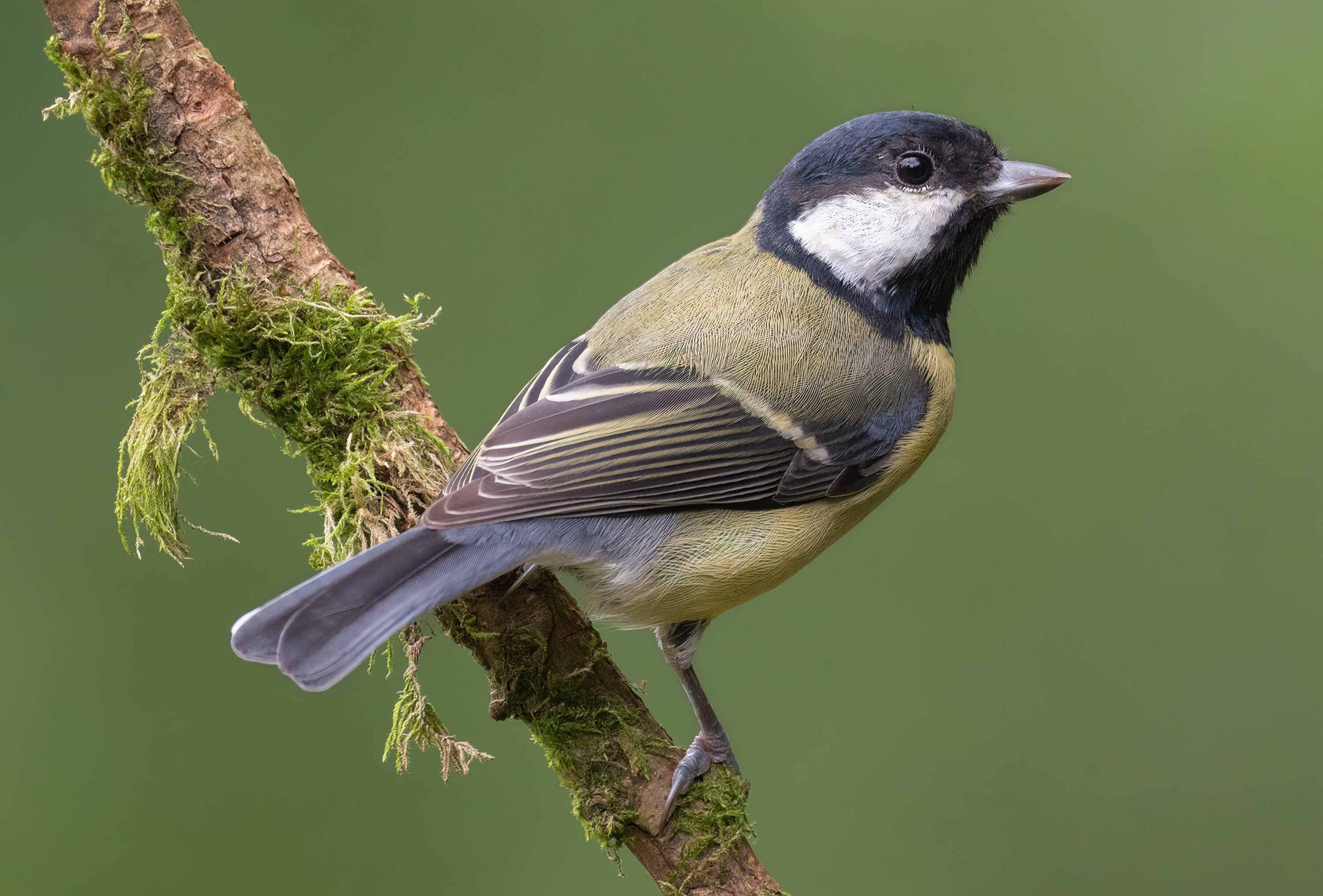
Great Tits Infected Ticks With Borrelia Most Often During Breeding
Across 420 xenodiagnoses in northern Belgium, wild Great Tits were much more likely to transmit Borrelia garinii to…
Read story →
Urban Bird Diversity Was More Strongly Linked to Forest Structure Than the Surrounding City
Across 12 urban forests in three Italian cities, researchers recorded 2,035 birds from 52 species. Local forest structure…
Read story →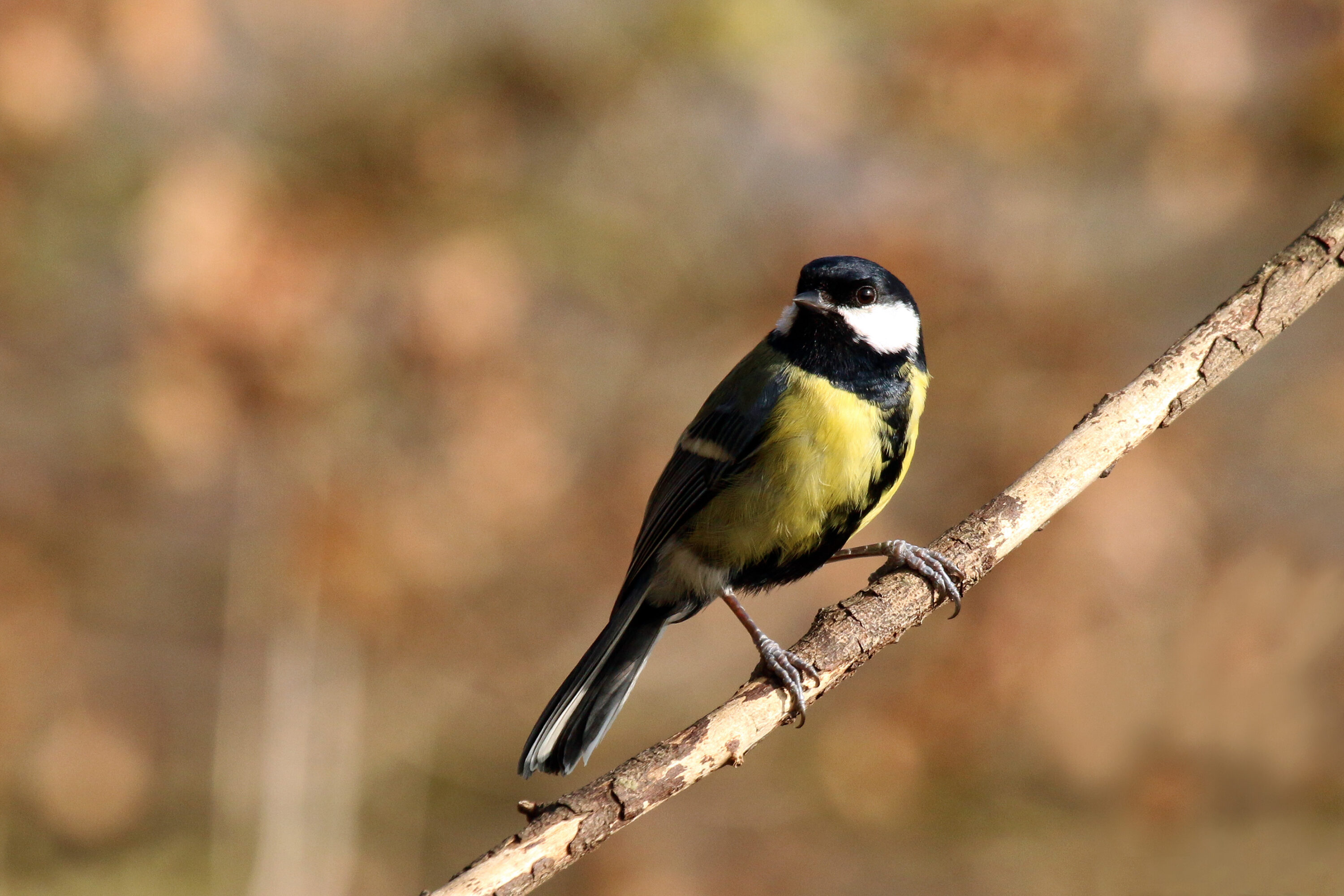
Great tits’ temperature-related hormone responses did not predict breeding success
Over nine years, wild great tits differed in both average corticosterone levels and their hormonal response to temperature.…
Read story →SPECIES IN THIS STORY
Species in this story
Independent research and conservation news archive
Did you find this information useful?
Wildlife Vagabond is independently built and maintained. Voluntary support helps cover source verification, hosting and continued work on research and conservation news.
Support Wildlife VagabondThe news archive will remain freely available.