
Great Tit Parents Slowed Down and Revised Difficult Feeding Decisions
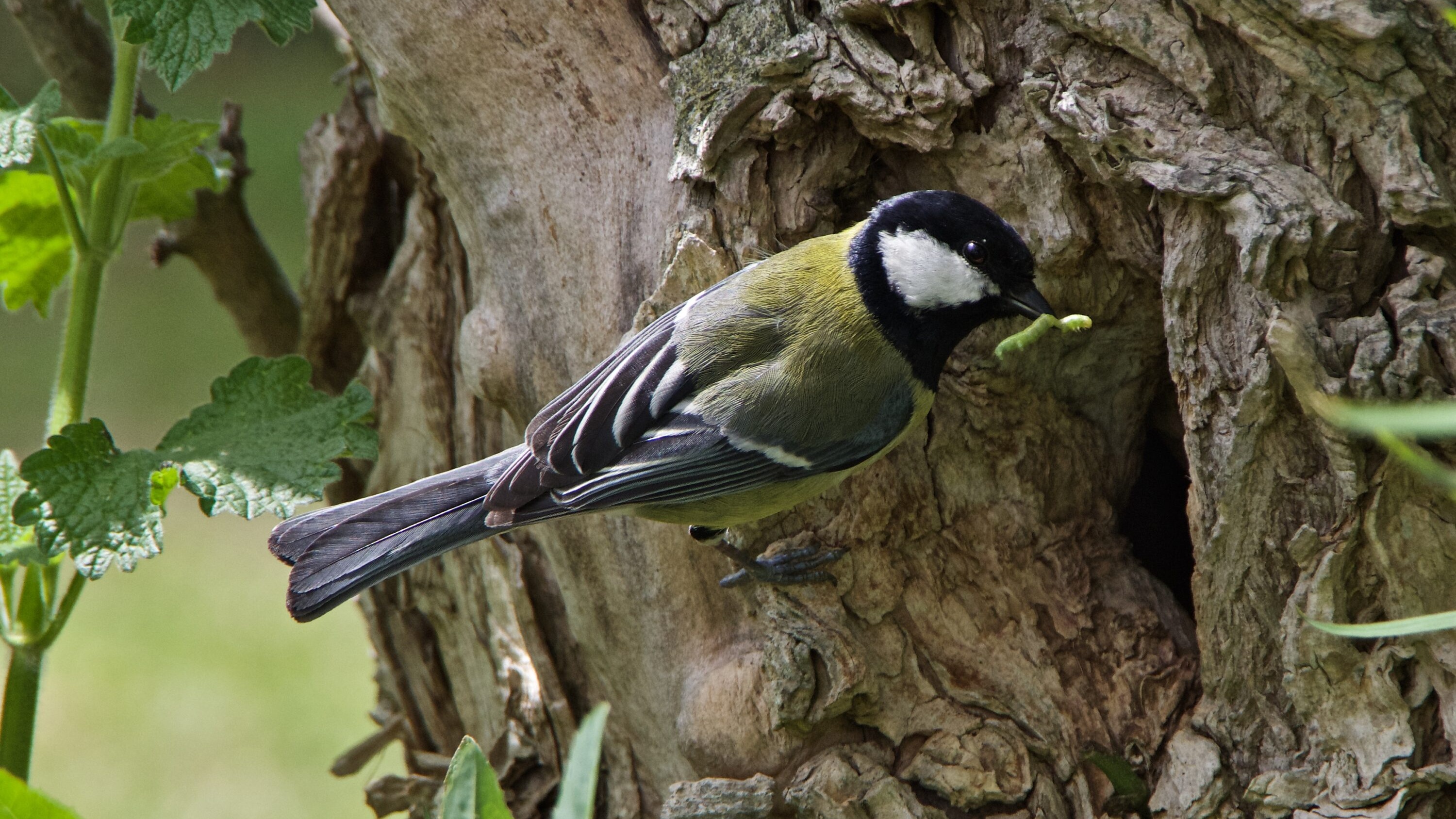
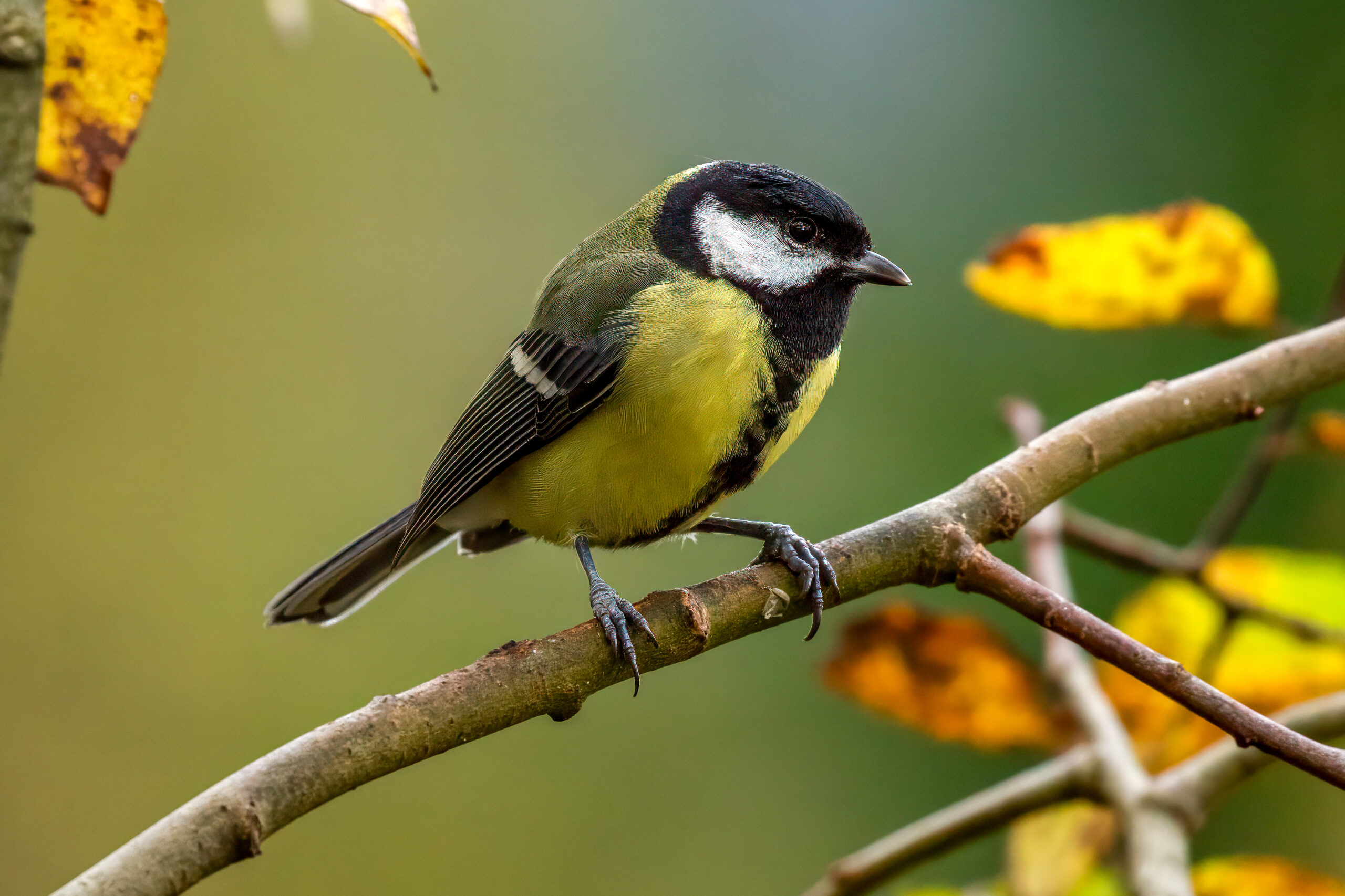
A field experiment based on video observations of 62 wild great tit (Parus major) parents at Great Warnsborn Estate in the Netherlands showed that feeding decisions inside nest boxes changed with offspring starvation risk, the complexity of the choice, parent sex and whether the selected chick had traits the parents usually preferred. The study was published online in The American Naturalist on 24 March 2026.
Individual nestlings were marked so the researchers could follow their position and feeding outcome. Before filming, half of the broods had received supplemental food, reducing the risk of chick starvation, while the others remained under natural food conditions. The chicks were then moved between broods (cross-fostered) to create standardized broods for filming. Researchers measured the time from a parent’s arrival in the nest to delivery of the prey and recorded cases in which food was first placed in one chick’s mouth and then moved to another.
Harder feeding choices took longer
Across 1,508 feeding visits, parents chose a recipient in a median of about two seconds. Decisions were faster when they ultimately fed a larger, nearer or more intensely begging chick — traits great tits usually prefer — and slower when they carried larger prey. Parents that had received supplemental food before filming also decided faster than unsupplemented parents, and in the higher-starvation-risk, unsupplemented group, choices of chicks farther away took especially long. Females were slower than males, again most clearly when choosing a farther chick. The number of chicks begging at once also changed how strongly chick size affected decision speed, showing that the number of available options formed part of the decision context.
Parents sometimes revised an initial choice
In 29% of feeding visits, parents placed the prey in the mouth of one or more chicks before moving it to the final recipient. Females did this more often than males, especially when the final chick was farther away, and food-moving was also more likely when the chosen chick was farther away or the prey item was larger. After such a revision, parents were more likely to continue inspecting the brood and their next feeding decision was slower.
The authors interpret food-moving as consistent with several possibilities: uncertainty about the initial choice, correction of an error, continued evidence gathering or difficulty carrying out the first choice. The study therefore documents flexible revision of feeding decisions in the wild without distinguishing among those mechanisms.
Behaviour
Related news
Juvenile Harris's Hawks Manipulated Pine Cones for About Five Minutes
Two juvenile Harris's hawks in Buenos Aires Province tore pine cones from trees, carried them to new perches…
Read story →
Rock Doves Preferred Predictive Information Despite a Lower Food Payoff
Seven rock doves preferred an informative option that paid on 20% of trials over a non-informative option that…
Read story →
Task Uncertainty Increased Interference From Irrelevant Visual Information in Rhesus Macaque Decisions
Two rhesus macaques made less accurate visual decisions under task uncertainty; recordings and microstimulation in primary visual cortex…
Read story →SPECIES IN THIS STORY
Species in this story
Independent research and conservation news archive
Did you find this information useful?
Wildlife Vagabond is independently built and maintained. Voluntary support helps cover source verification, hosting and continued work on research and conservation news.
Support Wildlife VagabondThe news archive will remain freely available.