
A Great Tit Specialised in Hunting Large Butterflies From Below
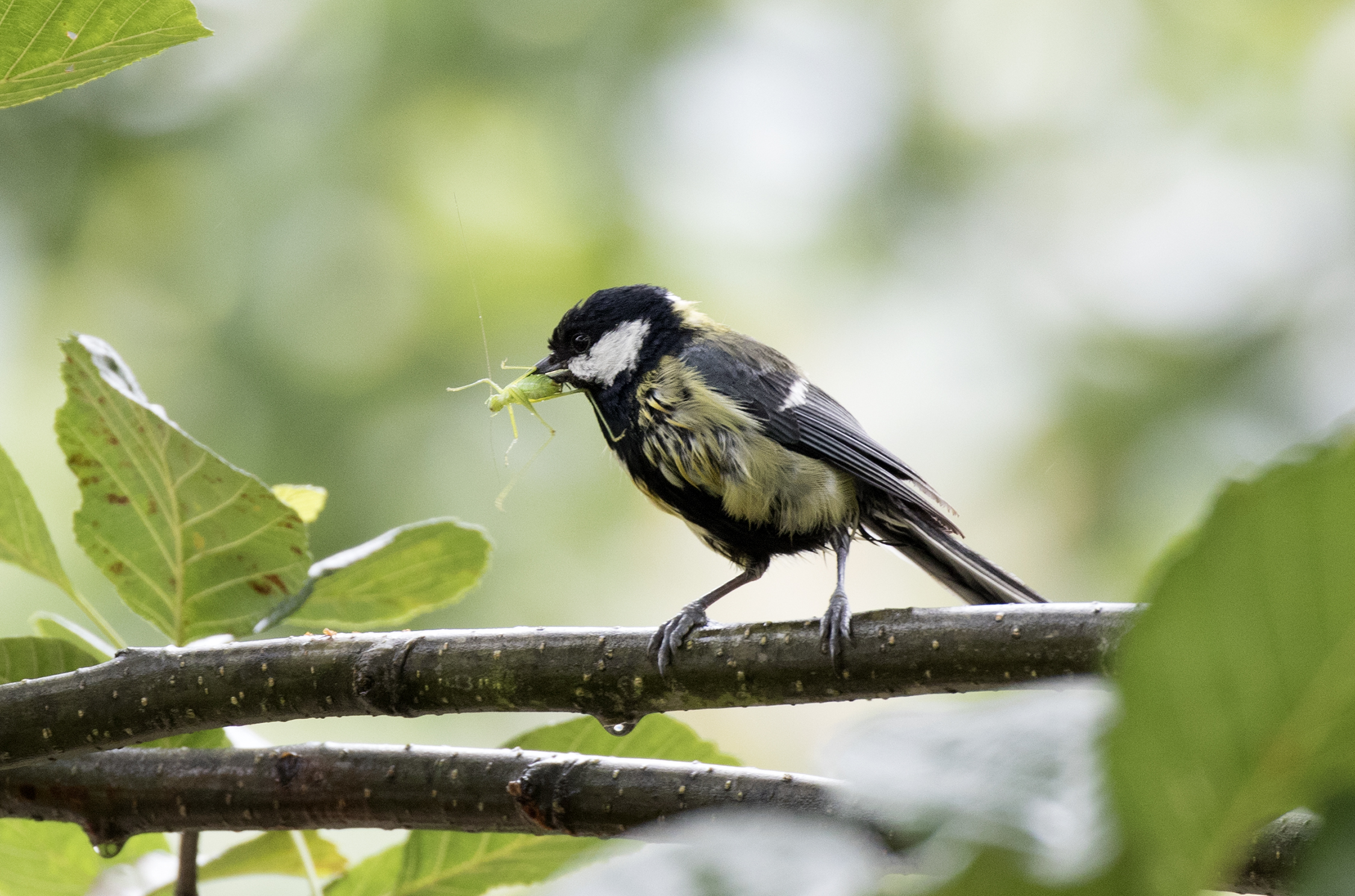
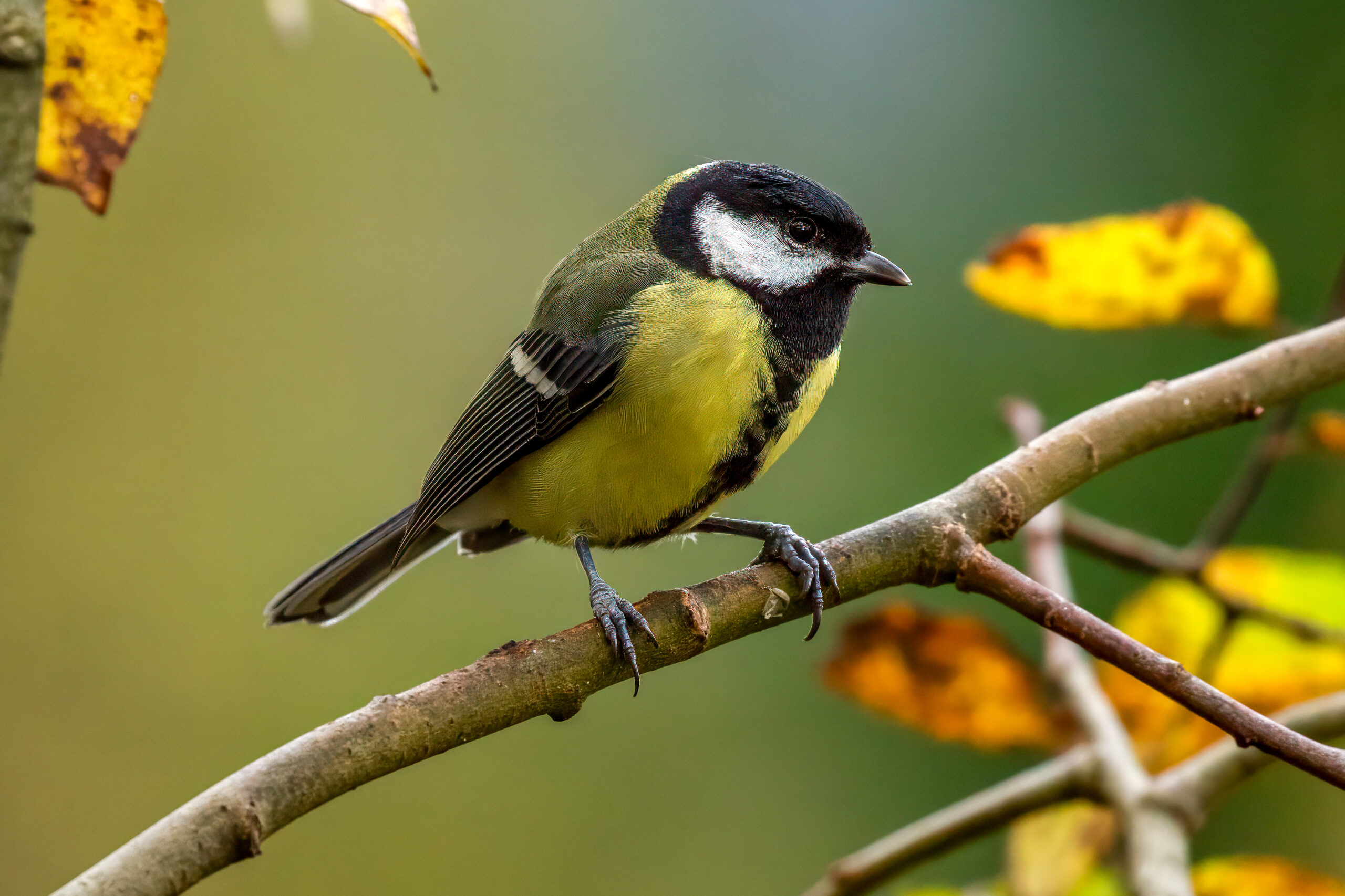
A male great tit (Parus major) developed an unusually efficient way of catching large butterflies in a garden in southern Sweden. The behaviour was documented in a peer-reviewed short communication published in Ornis Svecica on 10 March 2026. During a little more than an hour, the bird repeatedly approached a flowering butterfly bush from below, seized butterflies and carried them to a nearby conifer to eat them.
The observation came from Röstånga in central Skåne. In August 2018, a mixed flock of five or six great tits and several blue tits visited a garden rich in flowering plants. One male behaved differently from the others. It flew low along a wall from a thuja to the bottom of a three-metre-high butterfly bush, Buddleja davidii. From inside the lower part of the bush, it moved upwards and attacked butterflies sitting on the flowers from beneath.
The same hunting sequence produced at least 23 large insects
After each capture, the great tit returned to the same thuja. There it removed the wings before eating the body. When the bird left after just over an hour, the observer inspected the ground beneath the perch. The remains represented at least 18 peacock butterflies (Aglais io), four small tortoiseshells (Aglais urticae) and one large yellow underwing moth (Noctua pronuba).
The direction of attack may have been important. Large butterflies are agile and difficult for small birds to catch in flight. Peacock butterflies also have dark undersides that provide camouflage when their wings are closed. If attacked from above, they can suddenly expose large eyespots on the upper wings, a display that may make a bird hesitate long enough for the butterfly to escape. An approach from below may reduce the value of both defences.
The technique remained confined to one observed male
The authors interpret the repeated sequence as individual foraging specialisation. Other great tits present at the site were not seen copying the technique during the observation period.
The report does not show how often such behaviour occurs in the wider population, and it concerns one bird observed on one day. It documents a repeated feeding tactic in which the bird combined vegetation, a low approach and a fixed handling perch to capture unusually large insect prey.
Behaviour
Related news
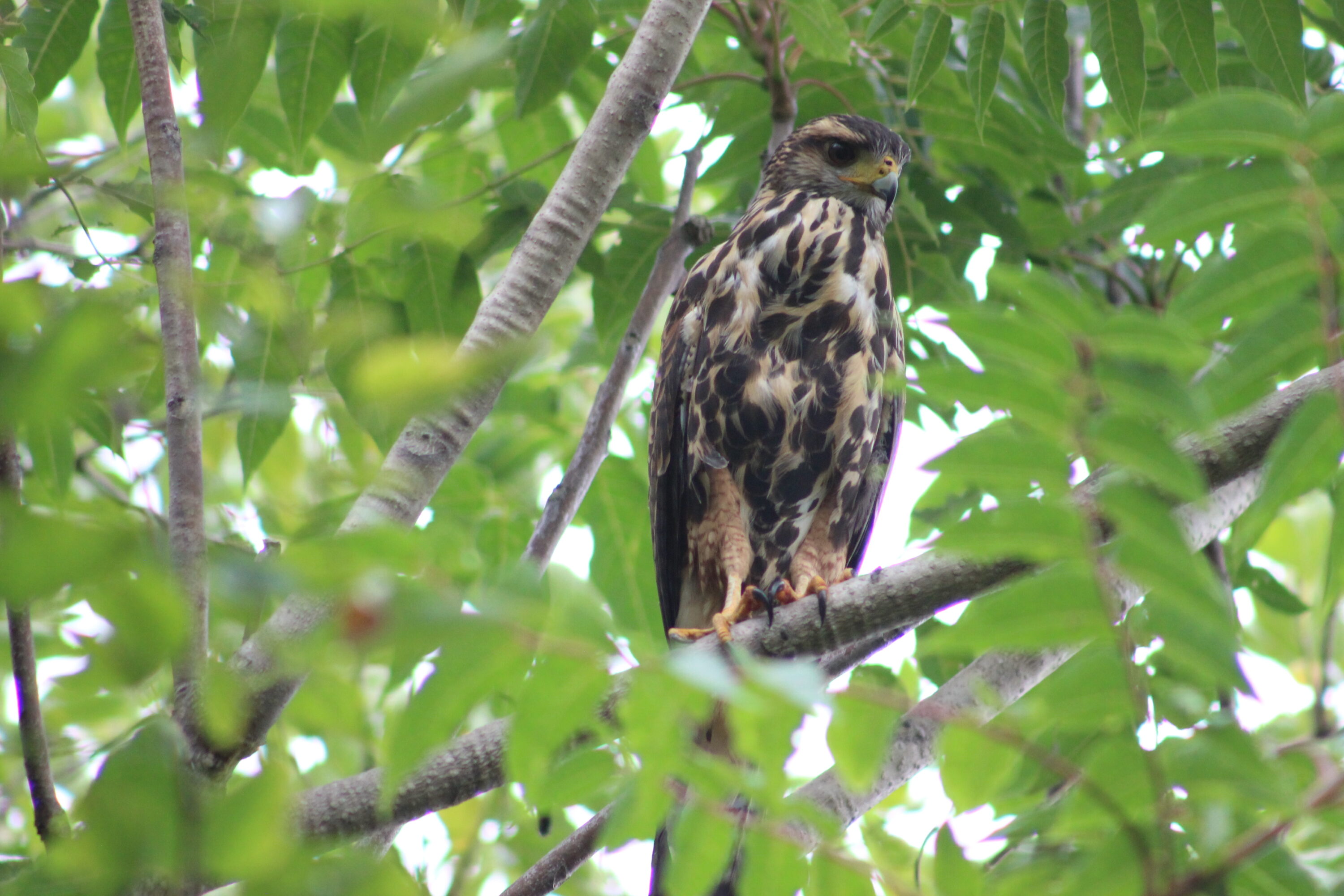
Juvenile Harris's Hawks Manipulated Pine Cones for About Five Minutes
Two juvenile Harris's hawks in Buenos Aires Province tore pine cones from trees, carried them to new perches…
Read story →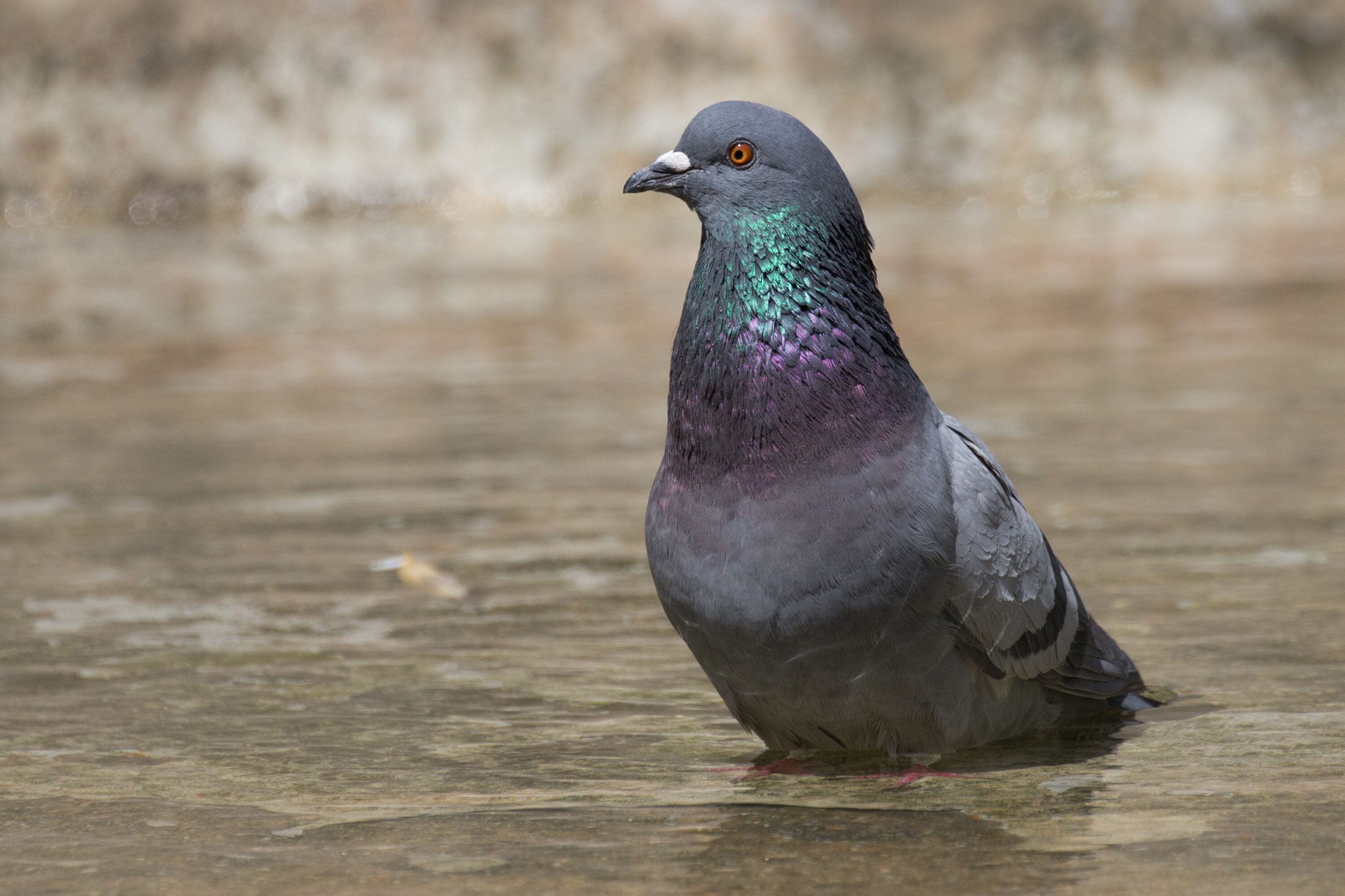
Rock Doves Preferred Predictive Information Despite a Lower Food Payoff
Seven rock doves preferred an informative option that paid on 20% of trials over a non-informative option that…
Read story →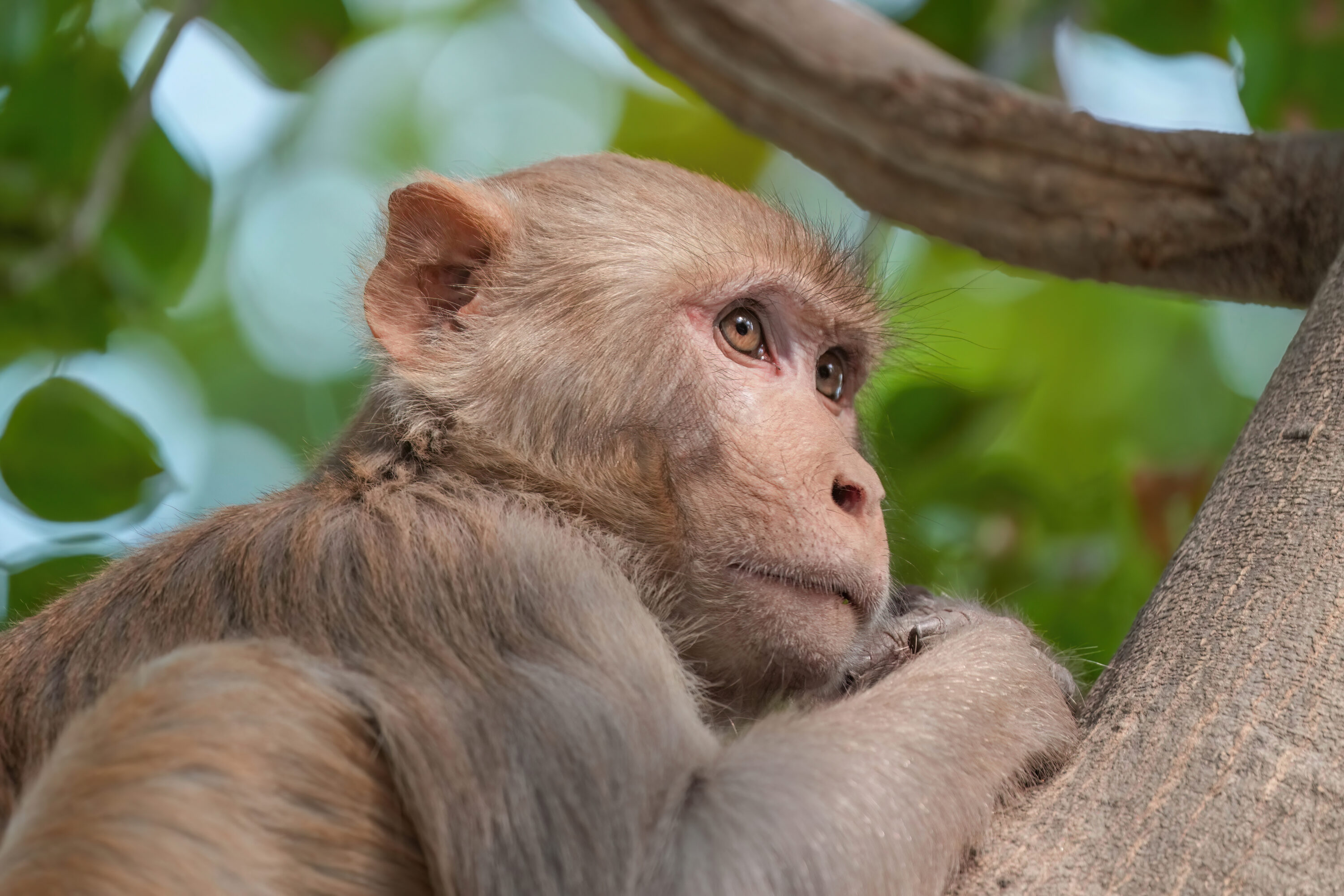
Task Uncertainty Increased Interference From Irrelevant Visual Information in Rhesus Macaque Decisions
Two rhesus macaques made less accurate visual decisions under task uncertainty; recordings and microstimulation in primary visual cortex…
Read story →SPECIES IN THIS STORY
Species in this story
Independent research and conservation news archive
Did you find this information useful?
Wildlife Vagabond is independently built and maintained. Voluntary support helps cover source verification, hosting and continued work on research and conservation news.
Support Wildlife VagabondThe news archive will remain freely available.