
Cadmium, Lead and Arsenic More Than Doubled in Grey Heron Droppings at a Saudi Urban Wetland
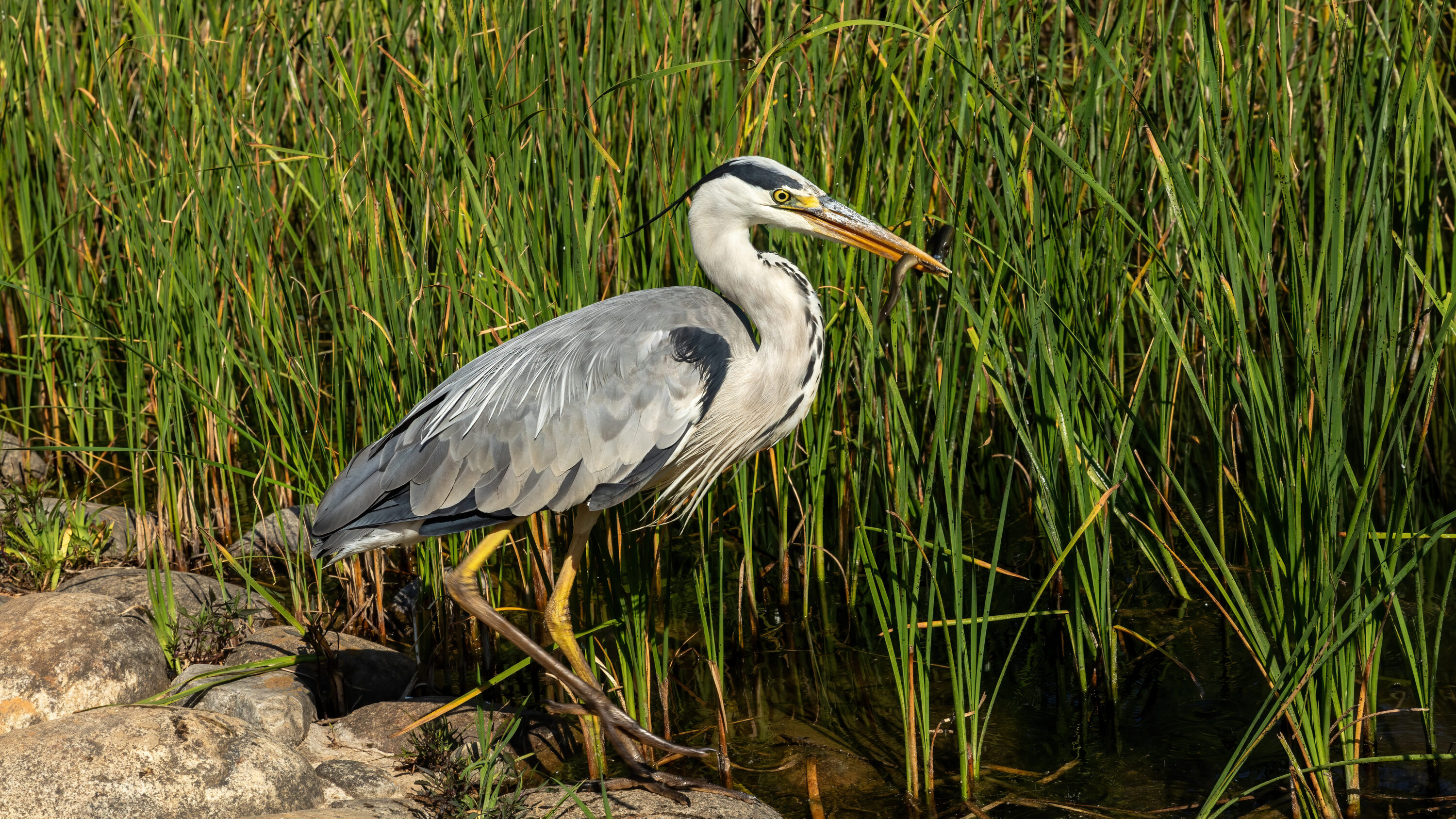
Concentrations of cadmium, lead and arsenic in droppings from grey herons (Ardea cinerea) more than doubled over four years at an urban wetland in the Eastern Province of Saudi Arabia. The study, published on 16 June 2026 in Urban Ecosystems, used repeated non-invasive sampling to track changes in metal and metalloid exposure between 2020 and 2023.
All three contaminants more than doubled by 2023
Researchers collected grey heron droppings at the wetland and measured cadmium, lead and arsenic using atomic absorption spectrophotometry. In this method, the concentration of an element is determined from how strongly its atoms absorb light at characteristic wavelengths. Mean concentrations increased consistently across the study period. Cadmium rose from 13.44 mg/kg in 2020 to 32.74 mg/kg in 2023, lead from 14.77 to 34.52 mg/kg and arsenic from 13.08 to 29.87 mg/kg.
Lead had the highest mean concentration throughout the period. The authors interpret the overall increase as evidence of growing contamination within the urban wetland food web and point to sustained inputs associated with industrial activity, traffic emissions and altered hydrology in the surrounding catchment as likely contributors.
Droppings track exposure without handling the birds
The study used droppings because they allow contaminant exposure to be monitored without capturing or handling the birds. The authors note that a single dropping primarily reflects recent exposure, but repeated sampling from the same wetland over several years can reveal temporal changes in the contaminants encountered by the local grey herons.
The researchers therefore propose grey herons as useful sentinel species for monitoring metal and metalloid contamination in urban wetlands. They argue that the rising concentrations recorded in eastern Saudi Arabia support continued environmental surveillance as urban development expands in coastal landscapes.
Ecology
Related news
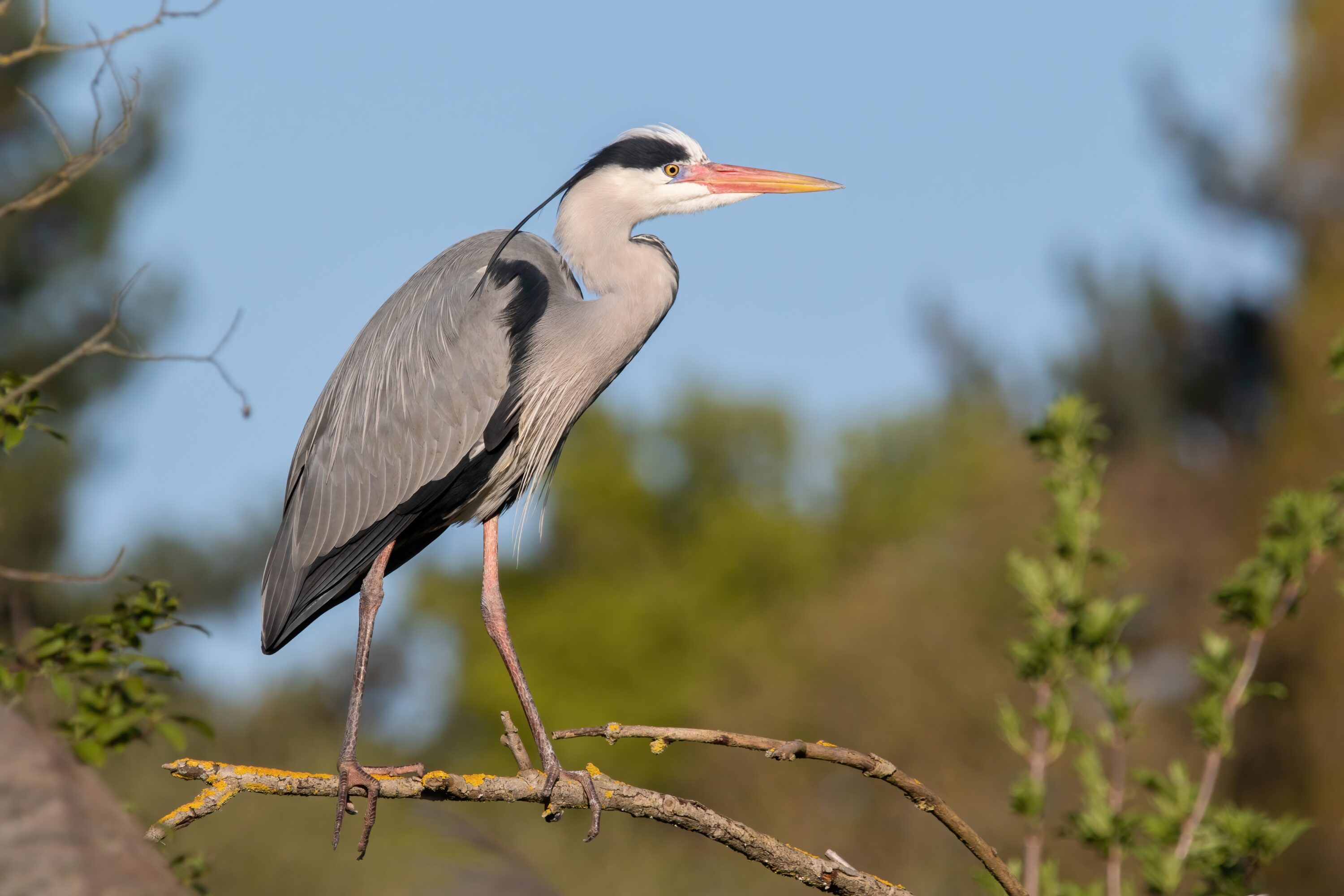
Three GPS-tracked Grey Herons Migrated Very Differently but Returned to the Same Breeding Grounds
GPS tracking of three adult grey herons breeding in Poland and Germany showed migration distances from 175 to…
Read story →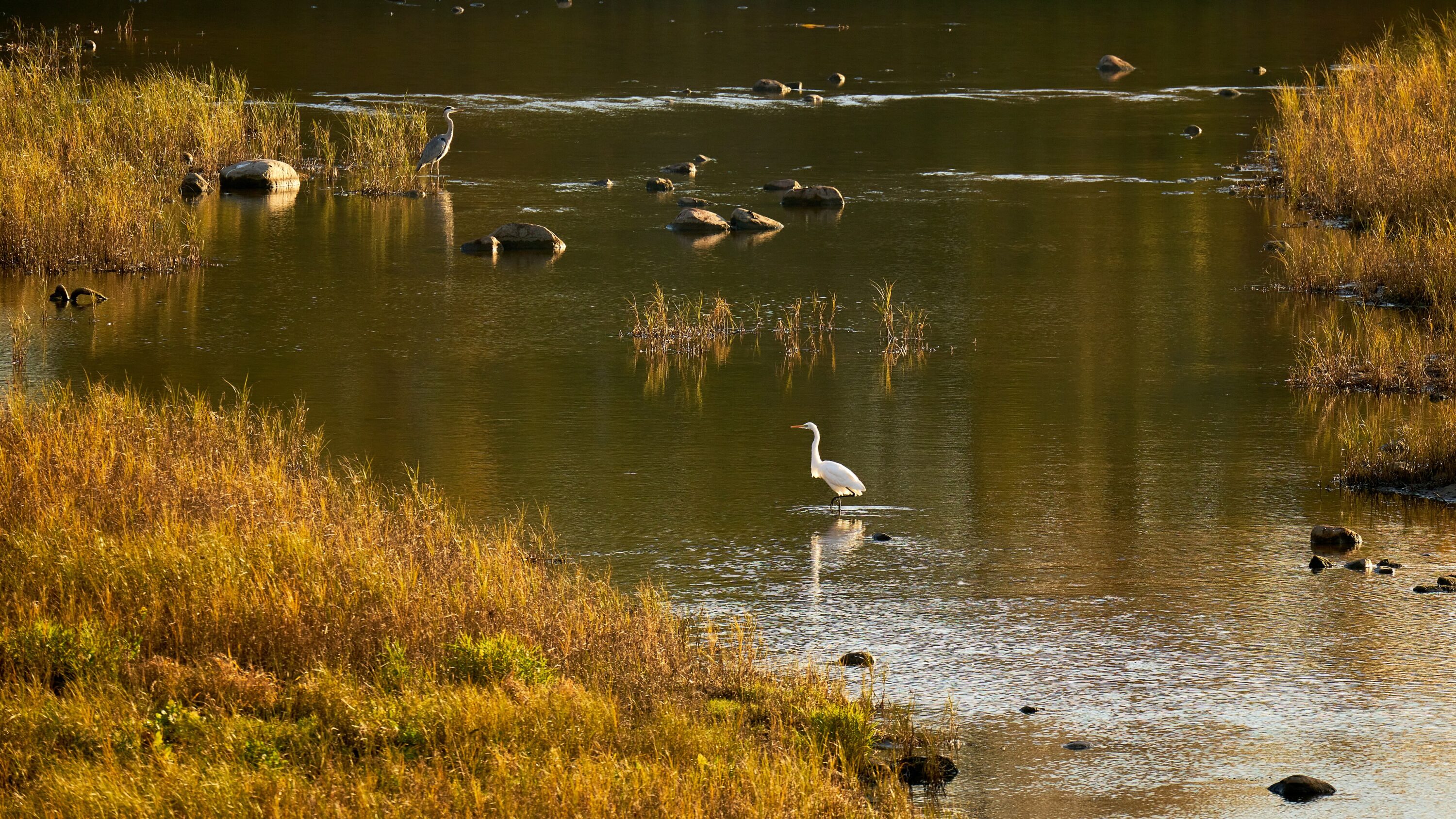
Great Egret and Grey Heron Dominated Many Inland Heron Colonies in South Korea
Across 176 South Korean breeding colonies, two colony groups had more than 90% of nests from large-bodied herons…
Read story →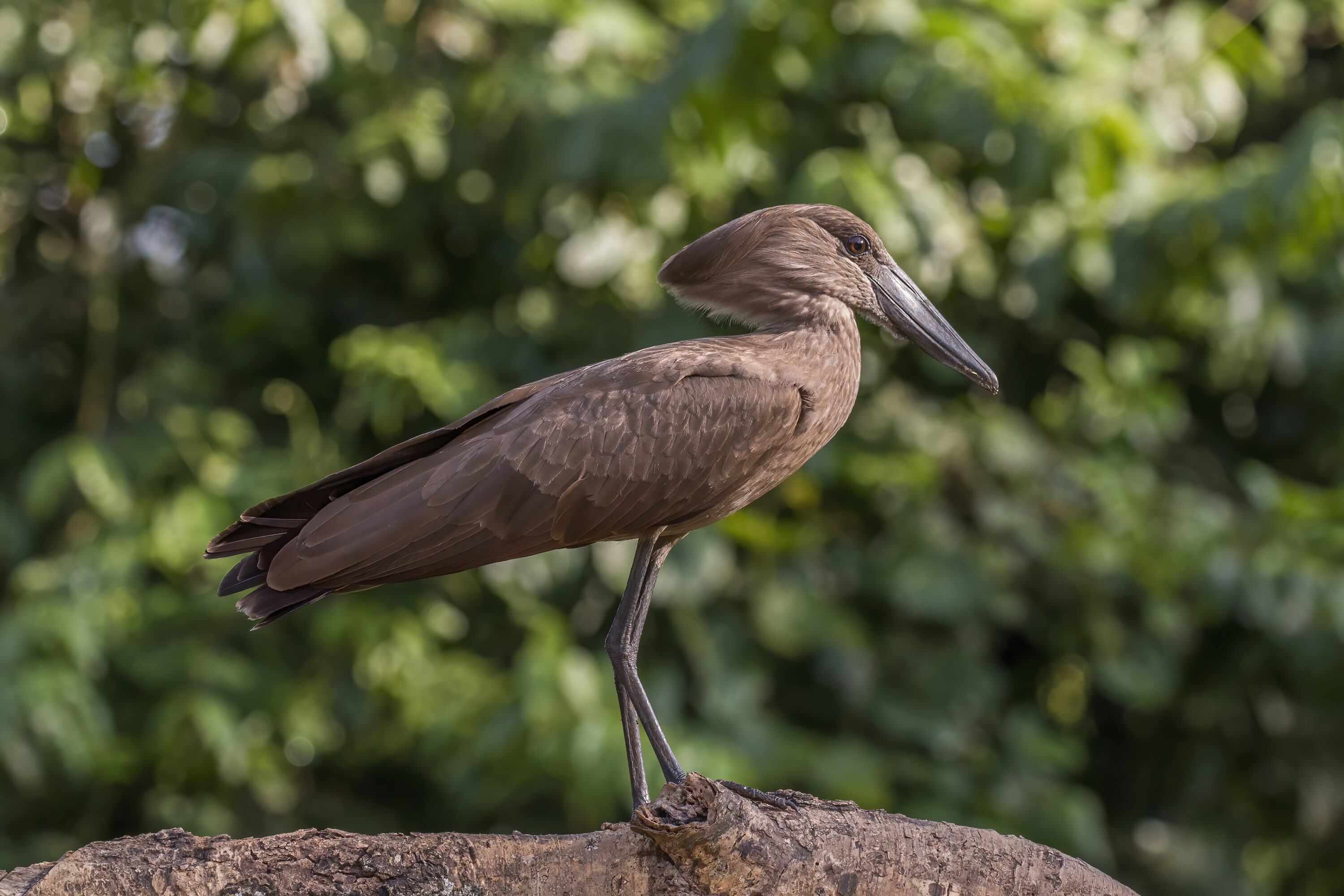
Haplorchis pumilio Was Found in Hamerkops and Great Cormorants in the Lake Victoria Basin
A 2026 Tanzanian study of intestinal trematodes in four fish-eating bird species detected Haplorchis pumilio in hamerkops and…
Read story →SPECIES IN THIS STORY
Species in this story

Independent research and conservation news archive
Did you find this information useful?
Wildlife Vagabond is independently built and maintained. Voluntary support helps cover source verification, hosting and continued work on research and conservation news.
Support Wildlife VagabondThe news archive will remain freely available.