
Three GPS-tracked Grey Herons Migrated Very Differently but Returned to the Same Breeding Grounds
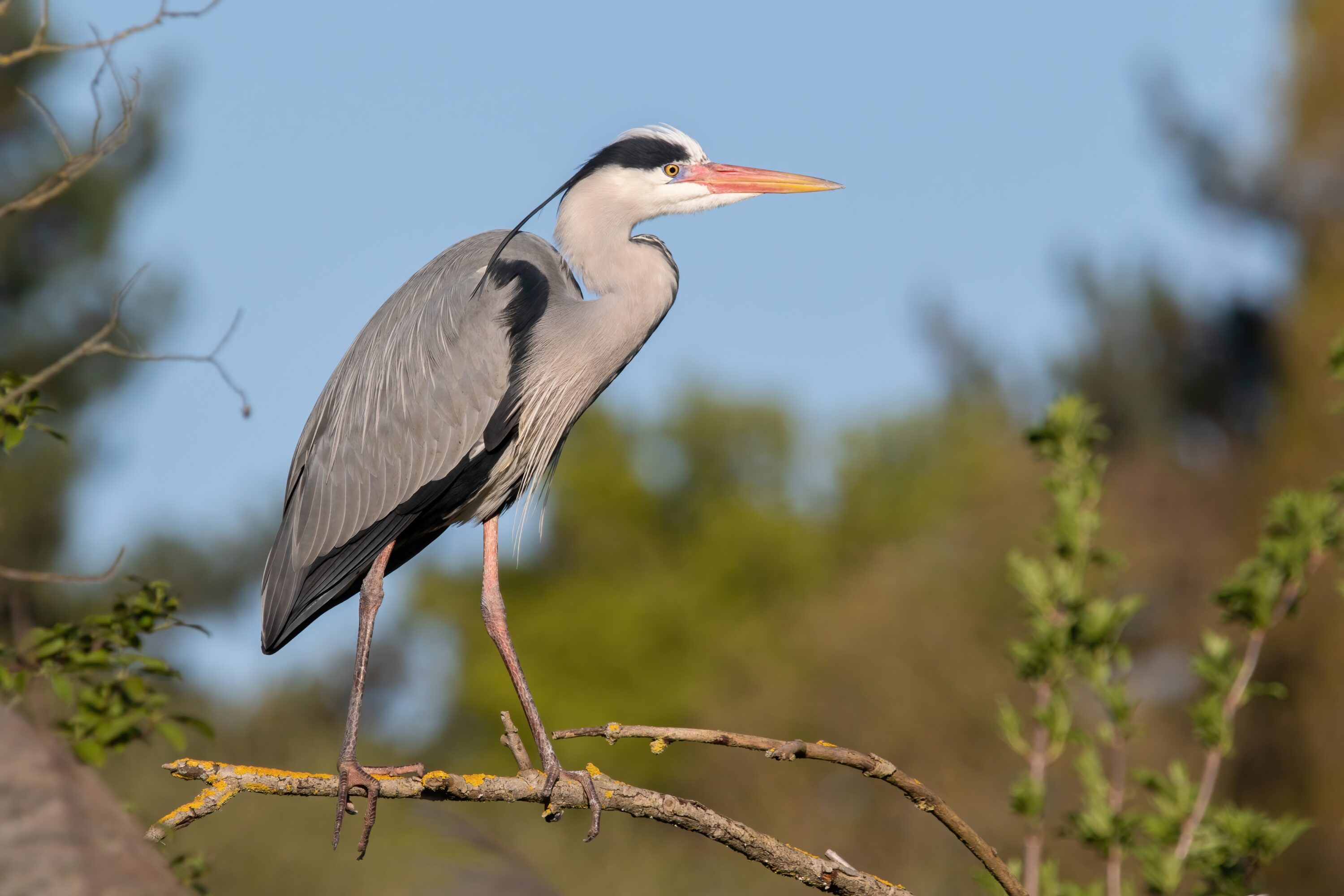
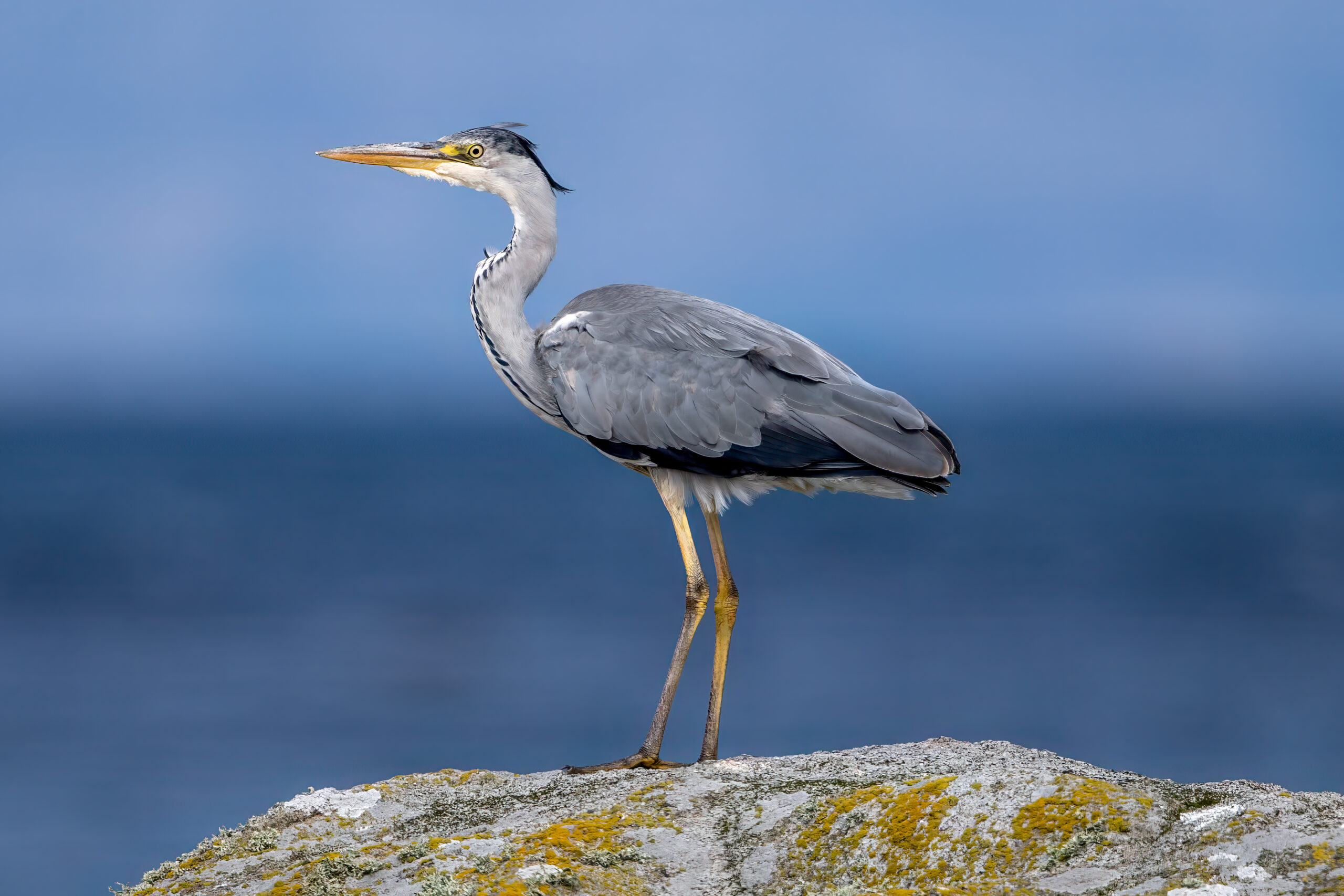
Three adult grey herons (Ardea cinerea) tracked by GPS over several years used markedly different migration strategies, but all repeatedly returned to the same breeding grounds. The study, first published on 4 September 2026, followed birds breeding in northern Poland and eastern Germany between 2012 and 2020.
The researchers divided the annual cycle into breeding, wintering, spring migration and autumn migration. Two of the three herons changed wintering sites between years, showing that winter-site fidelity differed strongly among individuals. In contrast, all three showed strict fidelity to their breeding grounds across consecutive seasons.
Migration distances ranged from 175 to 1,758 km. The bird breeding in eastern Germany travelled the shortest distances, averaging about 221 km. The three birds also differed in the number of stopovers and in the timing of annual-cycle phases. During spring migration they followed more direct routes between seasonal areas than in autumn, and overall they made fewer autumn stopovers than values reported for other grey heron populations.
The authors describe the work as a multi-year case study and as the first long-term, high-resolution account of year-round movements in GPS-tracked grey herons from Central Europe. The results show that individuals breeding within the same broader region can use contrasting and flexible migration strategies while maintaining strong fidelity to their breeding sites.
Ecology
Related news
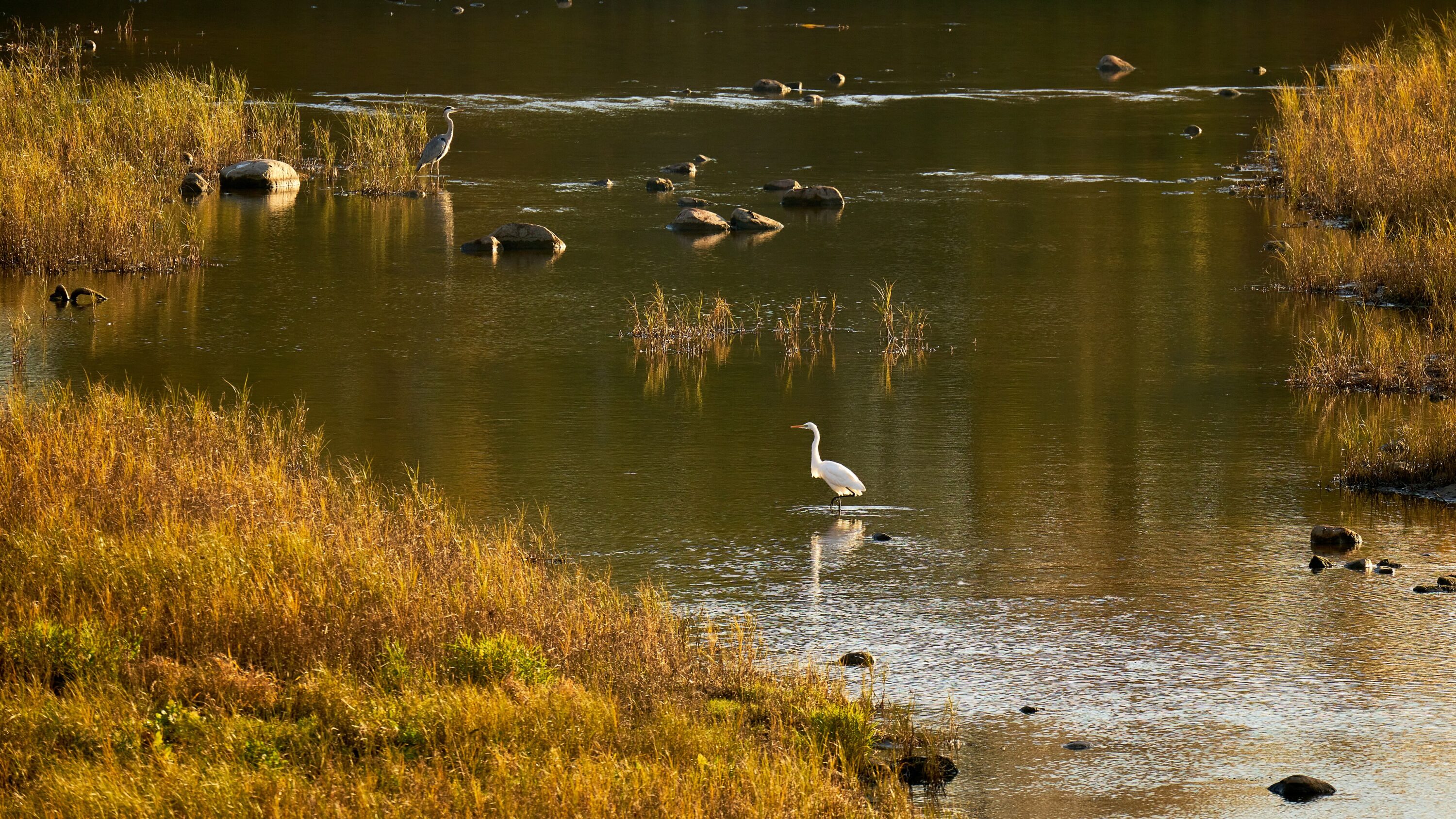
Great Egret and Grey Heron Dominated Many Inland Heron Colonies in South Korea
Across 176 South Korean breeding colonies, two colony groups had more than 90% of nests from large-bodied herons…
Read story →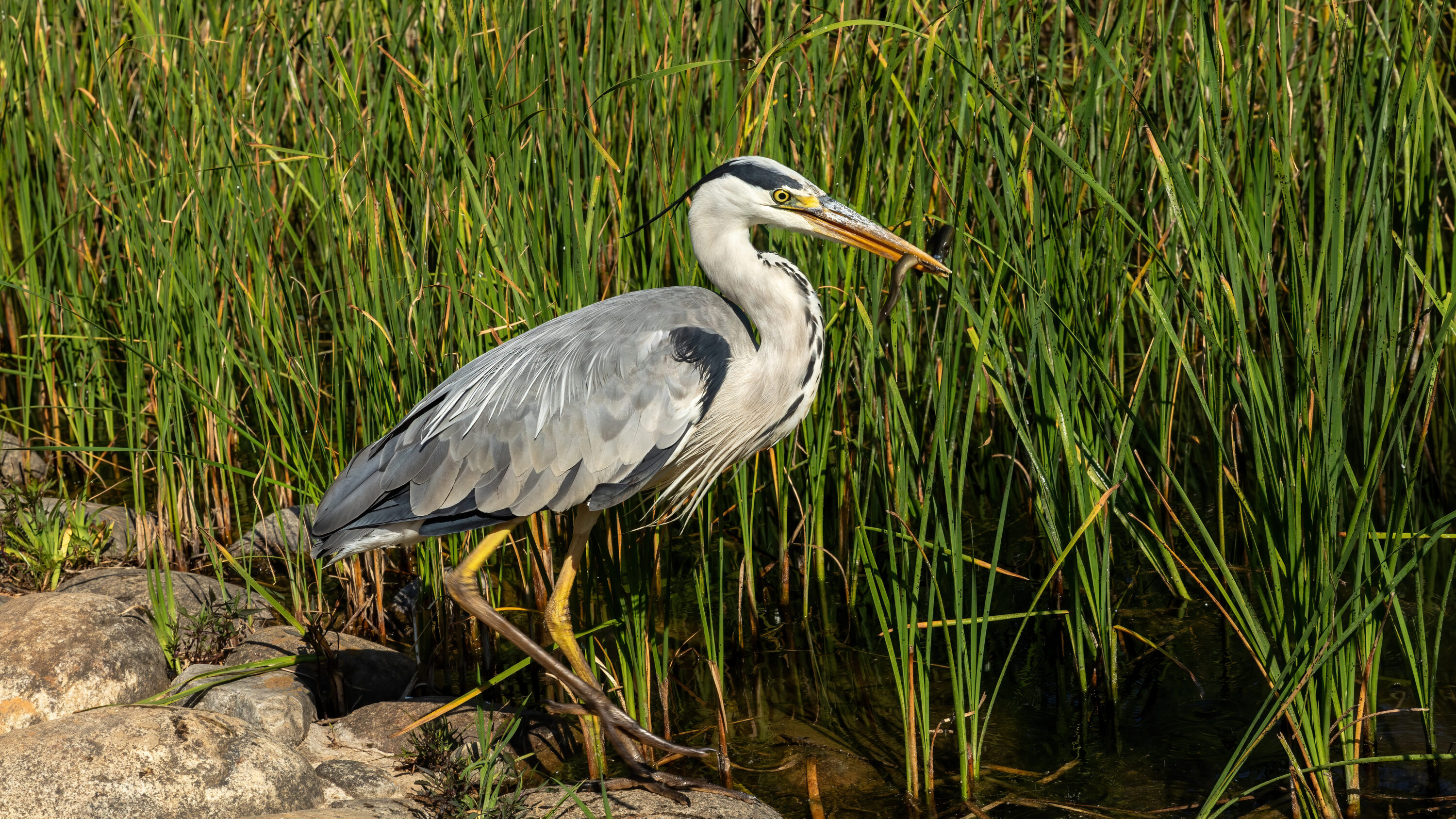
Cadmium, Lead and Arsenic More Than Doubled in Grey Heron Droppings at a Saudi Urban Wetland
Repeated sampling from 2020 to 2023 found that cadmium, lead and arsenic concentrations in grey heron droppings more…
Read story →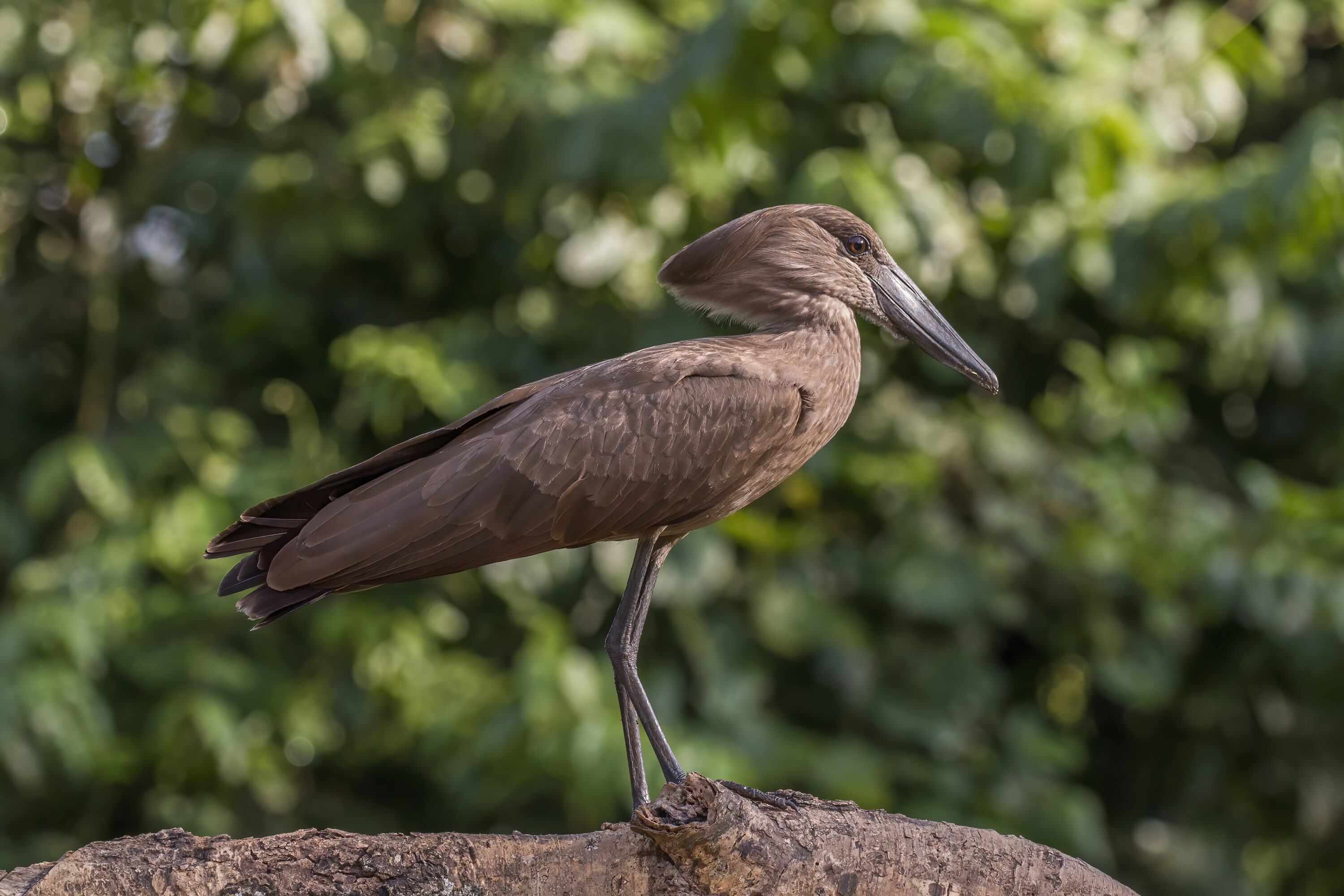
Haplorchis pumilio Was Found in Hamerkops and Great Cormorants in the Lake Victoria Basin
A 2026 Tanzanian study of intestinal trematodes in four fish-eating bird species detected Haplorchis pumilio in hamerkops and…
Read story →SPECIES IN THIS STORY
Species in this story
Independent research and conservation news archive
Did you find this information useful?
Wildlife Vagabond is independently built and maintained. Voluntary support helps cover source verification, hosting and continued work on research and conservation news.
Support Wildlife VagabondThe news archive will remain freely available.