
Recombinant Black-headed Gull Interferon-Alpha Was Linked to Lower Newcastle Disease Virus RNA in Laboratory Models
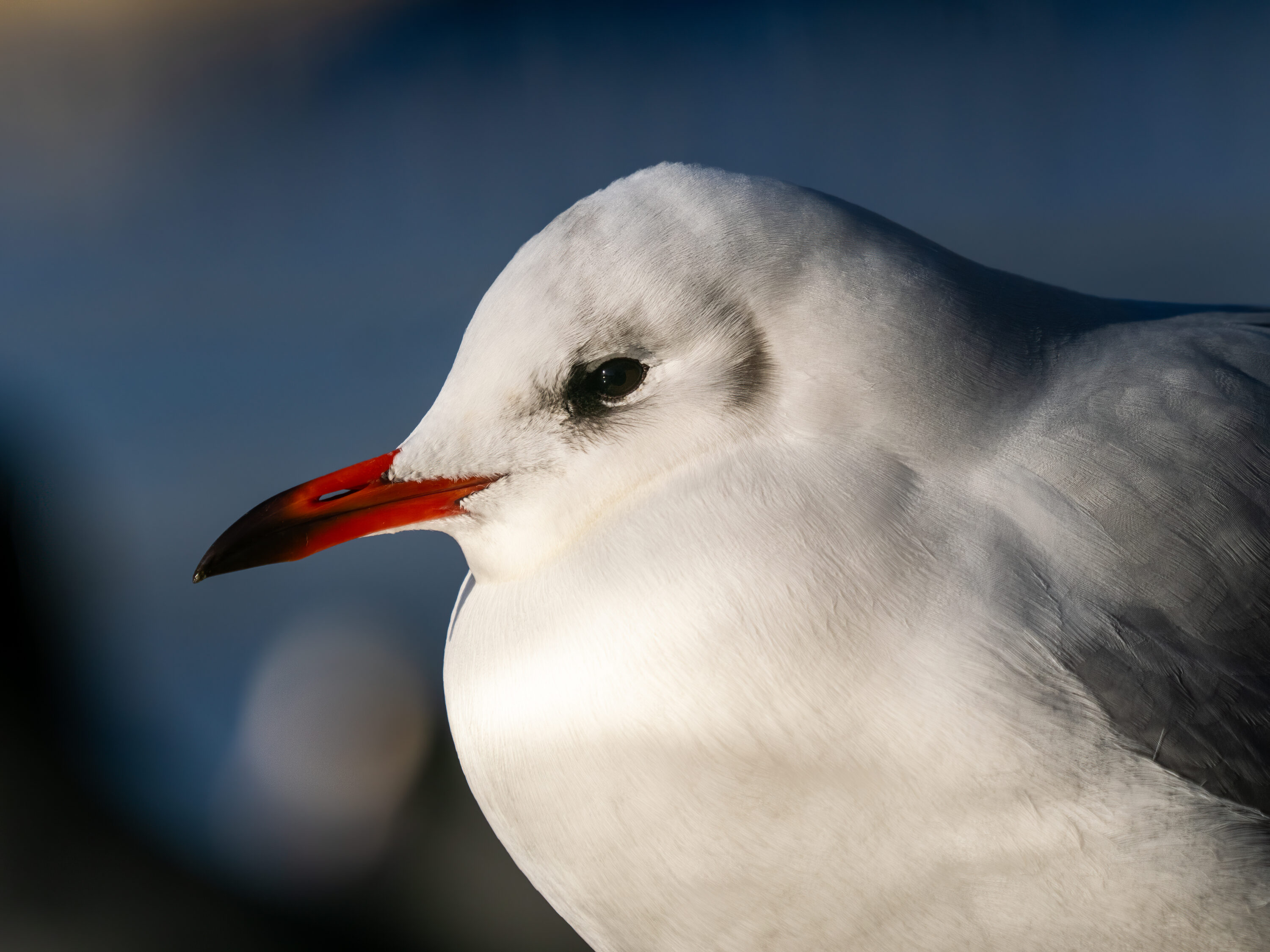
Newcastle disease virus (NDV), an important avian pathogen that can circulate in migratory birds, activated part of the innate antiviral response in black-headed gulls (Chroicocephalus ridibundus), while recombinant gull interferon-alpha was linked to lower viral RNA in three laboratory models. The study used blood from 30 healthy adult gulls sampled around Dianchi Lake in China in November 2025 to clone the genes for interferon-alpha (IFN-α) and the antiviral Mx protein and produce recombinant versions of both.
When primary gull lymphocytes were exposed to NDV, transcription of both IFN-α and Mx increased and reached its highest measured level after 48 hours. IFN-α is a type I interferon, a signalling protein that helps initiate cellular antiviral responses. Mx is an antiviral protein produced as part of the interferon response and acts inside infected cells. The measurements were of messenger RNA, so they show increased transcription rather than directly demonstrating how much functional protein was produced.
Interferon-alpha showed the stronger laboratory pattern
The researchers tested recombinant gull IFN-α and Mx in NDV-infected chicken embryos. Under post-infection treatment conditions, IFN-α was associated with higher embryo survival and lower amounts of RNA encoding the viral nucleoprotein, NDV NP, than recombinant Mx. The nucleoprotein is a structural component of the virus, and NDV NP transcript abundance was used as a molecular readout of viral RNA in the experiments.
Recombinant IFN-α was then tested in DF-1 chicken cells and in primary black-headed gull lymphocytes. In both systems, treatment after infection was associated with lower NDV NP transcript abundance. Microscopic examination of the chicken-cell cultures also indicated less severe virus-related cell damage after IFN-α treatment. Several host genes in the innate antiviral signalling pathway also showed lower transcription than with virus exposure alone, but the experiment did not establish the mechanism behind that pattern.
Lower viral RNA does not directly measure infectious virus
The study’s main antiviral readout was viral RNA measured by quantitative reverse-transcription PCR. It did not directly measure how much infectious virus was produced. The authors therefore conclude that gull IFN-α can limit NDV-associated transcriptional responses in vitro, while protein-level measurements and assays of infectious virus are still needed to define the underlying mechanism.
No black-headed gull was experimentally infected as a whole living bird. The study therefore identifies a molecular antiviral response and a laboratory pattern in which recombinant IFN-α was linked to lower viral RNA, but does not demonstrate a treatment for Newcastle disease in wild gulls.
Molecular biology & biochemistry
Related news

GPS-Based Models Highlighted the Lower Sumida as a Key Black-headed Gull Corridor in Tokyo
GPS tracking showed that black-headed gulls followed different river features at different movement scales in Tokyo, while GPS-based…
Read story →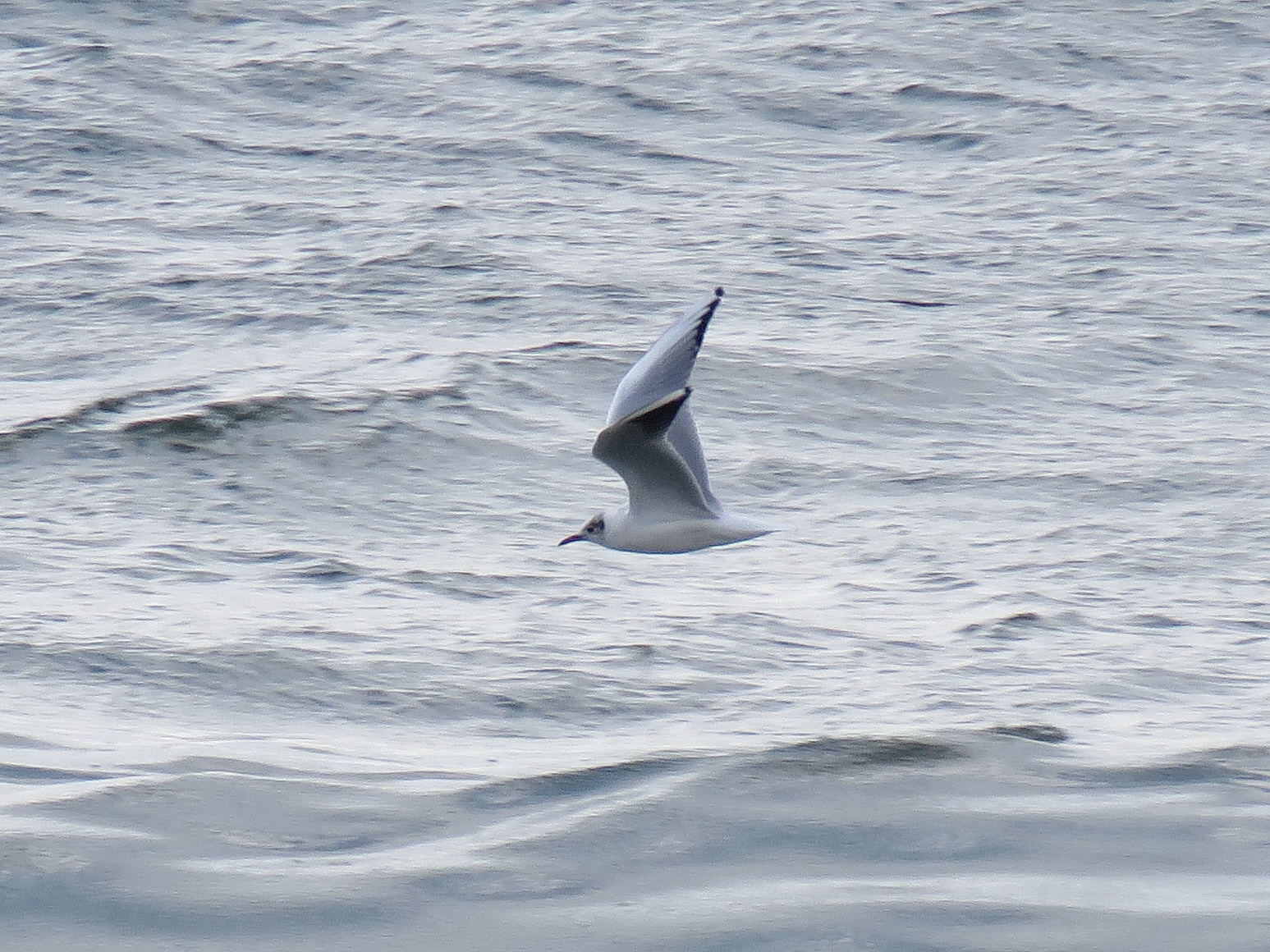
Black-headed Gull Sample Yielded the Longest Known Calicivirus Genome
A Hungarian black-headed gull faecal sample yielded an 8,845-nucleotide avian calicivirus genome with unusual RNA structures and enough…
Read story →
New Papillomavirus Genome Identified in Black-headed Gull Faeces in China
Researchers identified the 7,794-base-pair CrPV1 genome in faecal samples from black-headed gulls in Sichuan and found it genetically…
Read story →SPECIES IN THIS STORY
Species in this story

Independent research and conservation news archive
Did you find this information useful?
Wildlife Vagabond is independently built and maintained. Voluntary support helps cover source verification, hosting and continued work on research and conservation news.
Support Wildlife VagabondThe news archive will remain freely available.