
New Papillomavirus Genome Identified in Black-headed Gull Faeces in China

A previously unknown papillomavirus genome has been identified in faecal samples from black-headed gulls (Chroicocephalus ridibundus) in Sichuan, southwestern China. Papillomaviruses are small viruses with circular double-stranded DNA genomes that infect vertebrates. The virus, named CrPV1 in the peer-reviewed paper, had a complete circular genome of 7,794 base pairs. The study was published online in Archives of Virology on 31 August 2026.
PCR and sequencing reconstructed the viral genome
Researchers collected more than 20 fresh faecal samples from black-headed gulls at a wetland in Nanchong in January 2025. Virus-specific PCR was used to detect and amplify a targeted stretch of papillomavirus DNA when matching viral DNA was present. Overlapping DNA fragments were then amplified and sequenced to reconstruct the complete genome.
CrPV1 carried the typical papillomavirus gene set
CrPV1 had the characteristic genomic organisation of papillomaviruses. It contained the early genes E1, E2, E6 and E7 and the late structural genes L1 and L2. E1, the most conserved protein in the genome, contained motifs associated with helicase function, which helps unwind DNA so the viral genome can be copied. E6 and E7 also carried characteristic motifs found in other avian papillomaviruses, including zinc-binding regions and a motif in E7 associated with binding retinoblastoma protein, a host protein involved in controlling cell division.
The genome was distinct from known avian papillomaviruses
The evolutionary analyses showed that CrPV1 was clearly distinct from previously described papillomaviruses. In the complete-genome tree it grouped most closely with Columba livia papillomavirus 1 from feral pigeon, while an analysis based on the L1 protein placed it closer to a papillomavirus from Adélie penguin. The L1 nucleotide sequence shared 62.8 per cent identity with duck papillomavirus 3 and 56.6–62.8 per cent with the other avian papillomaviruses included in the comparison. The authors interpreted this combination of low sequence identity and phylogenetic position as evidence that the virus represents a novel papillomavirus species.
The sampled gulls had no obvious lesions. The study therefore establishes the presence and genetic characteristics of a distinct papillomavirus in material from migratory black-headed gulls, but it does not show that CrPV1 caused disease in the birds. The authors state that further work is needed to clarify the significance of papillomaviruses in migratory birds and their possible association with pathological conditions.
Black-headed gulls winter in Sichuan after migrating from breeding areas farther north. The authors argue that wider surveillance of understudied hosts, particularly migratory wild birds, could improve understanding of papillomavirus emergence, host associations and transmission. CrPV1 adds a new reference genome to the still limited picture of papillomavirus diversity in wild birds.
Genetics & genomics
Related news

GPS-Based Models Highlighted the Lower Sumida as a Key Black-headed Gull Corridor in Tokyo
GPS tracking showed that black-headed gulls followed different river features at different movement scales in Tokyo, while GPS-based…
Read story →
Black-headed Gull Sample Yielded the Longest Known Calicivirus Genome
A Hungarian black-headed gull faecal sample yielded an 8,845-nucleotide avian calicivirus genome with unusual RNA structures and enough…
Read story →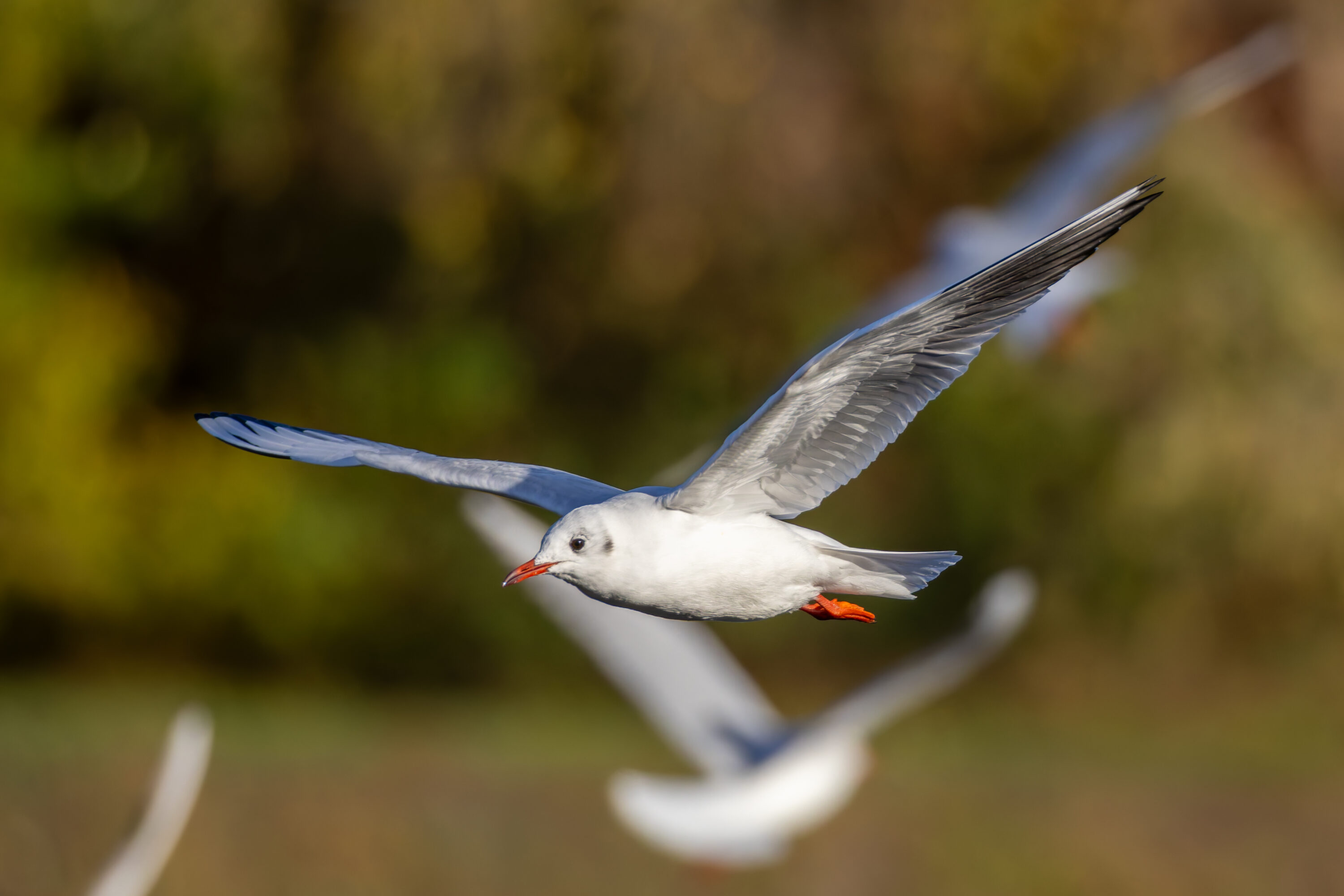
Black-headed Gulls in Kunming Fled at Similar Distances From Women and Men
Wintering black-headed gulls in Kunming began to escape at similar distances when approached by women and men, while…
Read story →SPECIES IN THIS STORY
Species in this story

Independent research and conservation news archive
Did you find this information useful?
Wildlife Vagabond is independently built and maintained. Voluntary support helps cover source verification, hosting and continued work on research and conservation news.
Support Wildlife VagabondThe news archive will remain freely available.