
European Honey-buzzards Dominated Batumi’s Early Count as the Raw Total Passed 500,000
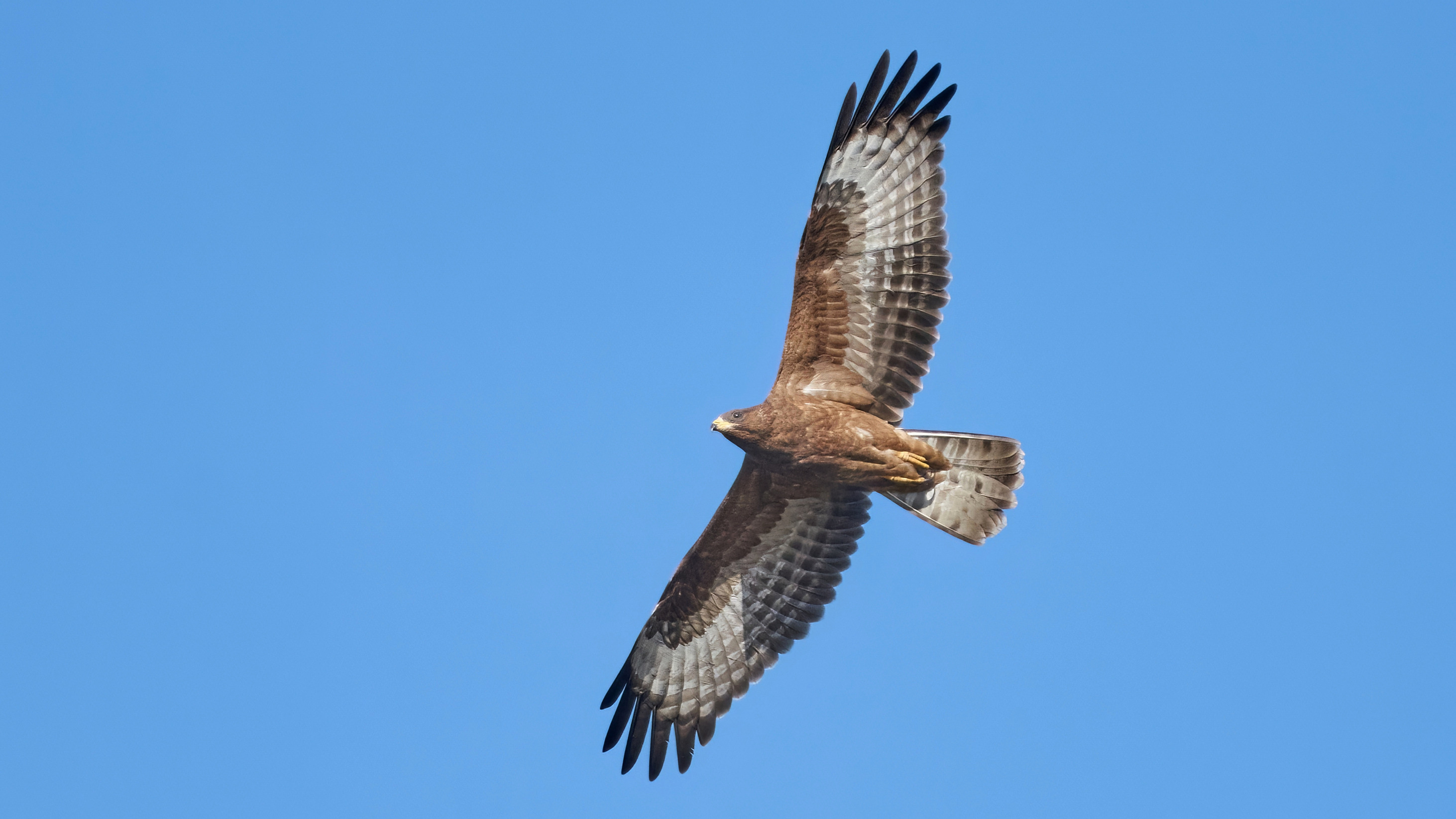
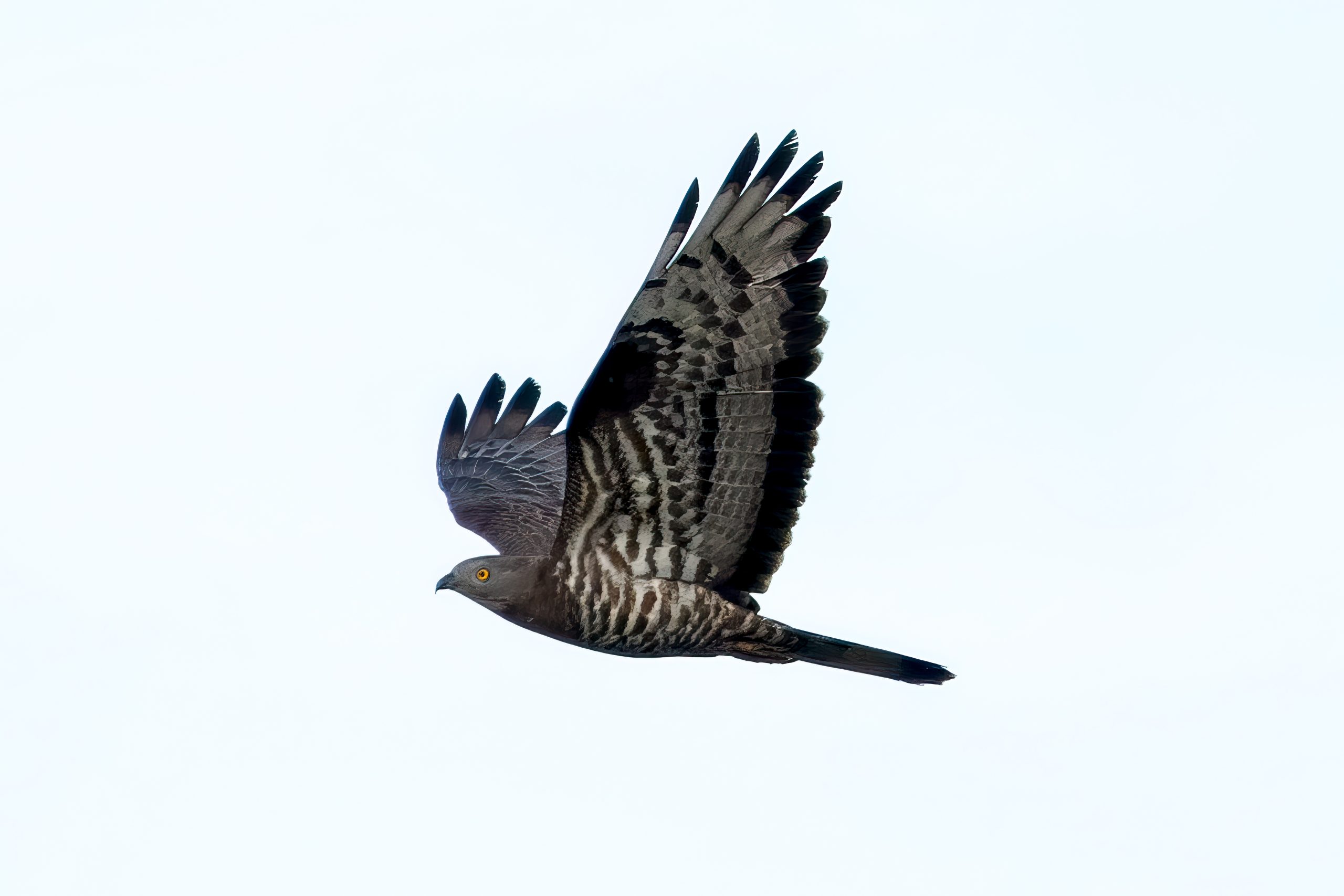
Batumi Raptor Count passed 500,000 raw raptor detections on 3 September 2026 after three consecutive days with more than 90,000 birds. European honey-buzzards (Pernis apivorus) dominated this early-season surge through the Batumi bottleneck in Georgia, where migrating raptors become concentrated along the eastern Black Sea coast between the sea and the mountains.
Two days earlier, when the raw seasonal total passed 250,000, honey-buzzards made up 98% of all raptors recorded so far. Batumi Raptor Count compared this with an average of 89% by the same date in 2017–2025. Black kites and western marsh harriers were unusually scarce at that stage of the season, while honey-buzzard passage appeared to be broadly on schedule.
By 3 September, the three successive 90,000-plus days had carried the running total beyond half a million. Batumi Raptor Count noted that only 2012, 2015 and 2019 had previously reached that milestone as early as 3 September.
The figure is a live migration count, not a final annual total or population estimate. Birds can be recorded from both count stations, so Batumi Raptor Count later processes the data to correct for possible double counts and observations outside the standardised count periods. The early-season numbers therefore describe the scale and composition of the migration passage at that point in 2026, not a finished estimate of the population.
Population & status
Related news
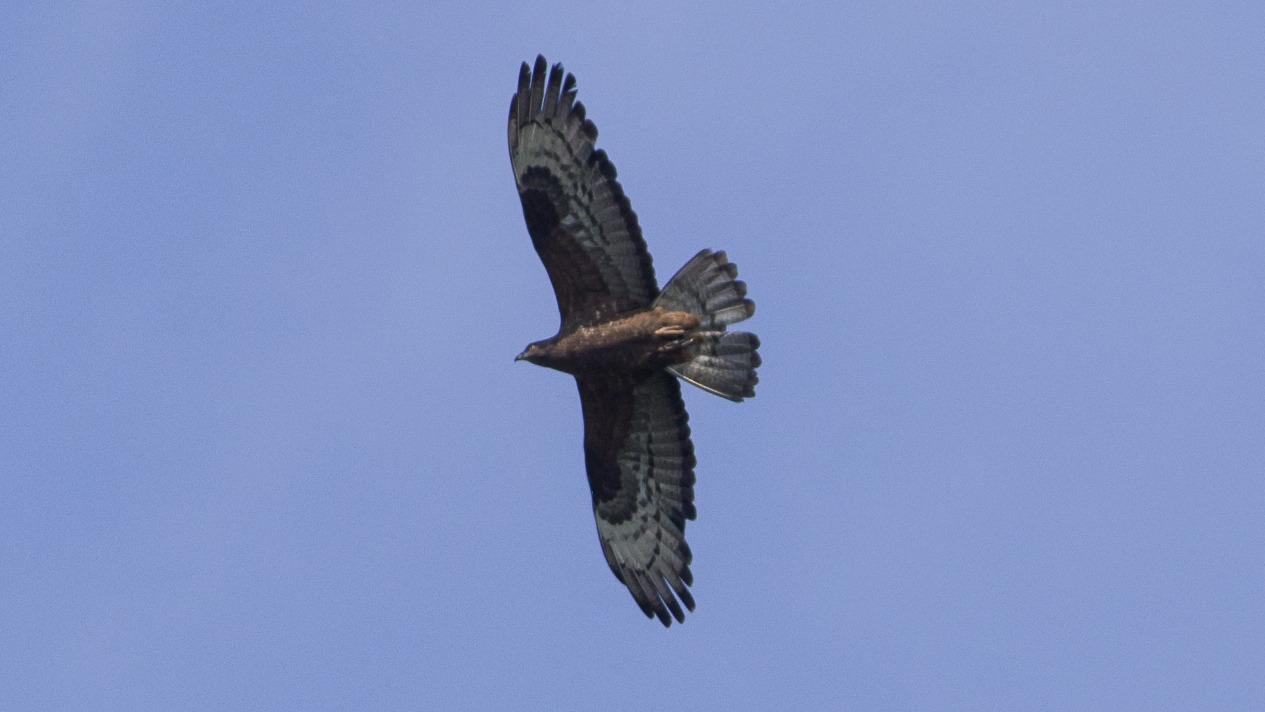
Five European Honey-buzzards from One Polish Population Used Four Migration Flyways
Five adult male European honey-buzzards breeding within 60 km of one another in north-eastern Poland used four distinct…
Read story →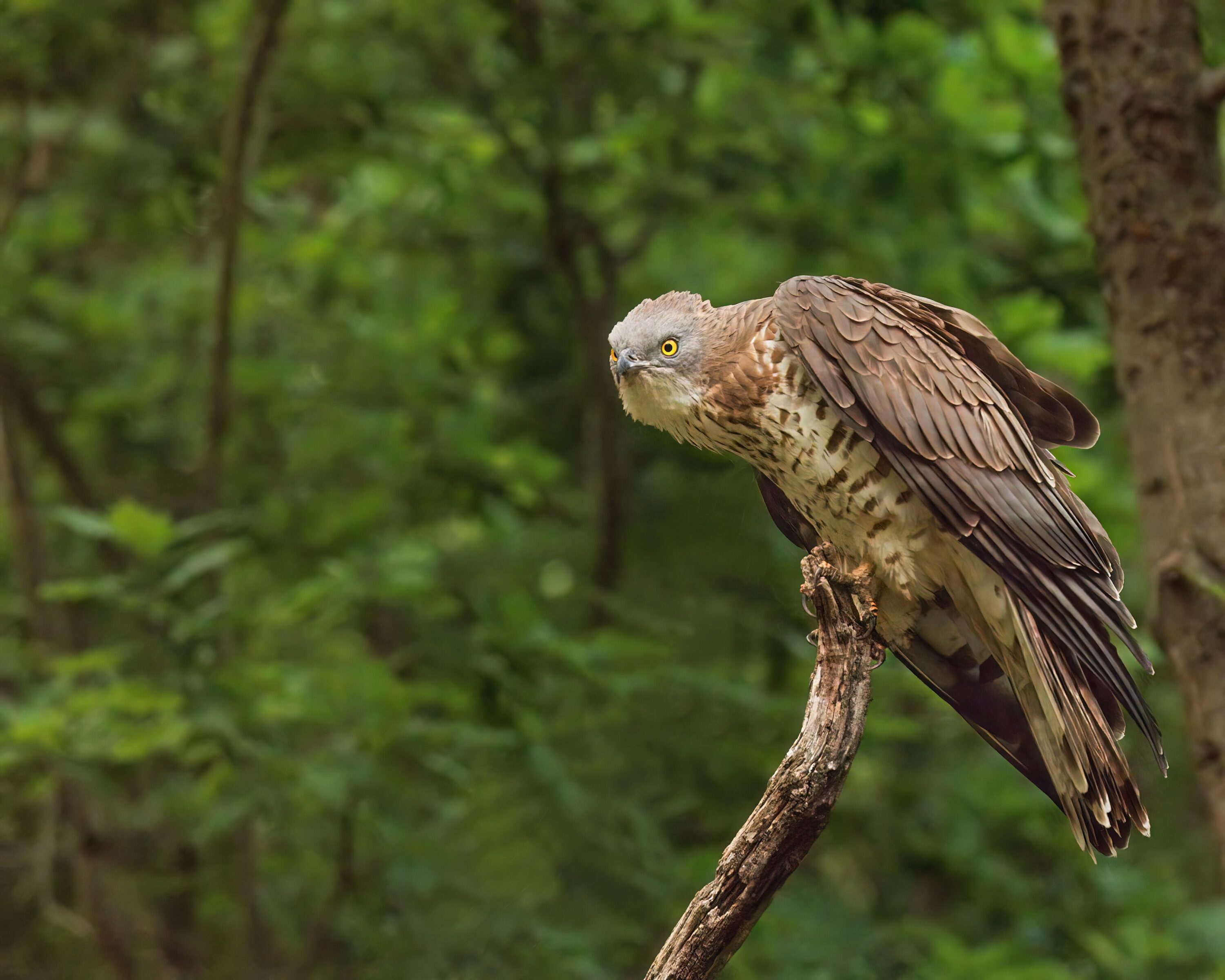
Camera Traps Recorded Six Passerine Nest Raids by Male European Honey-buzzards
Camera monitoring of 147 passerine nests in the Voronezh Nature Reserve recorded male European honey-buzzards raiding six nests—4.1%…
Read story →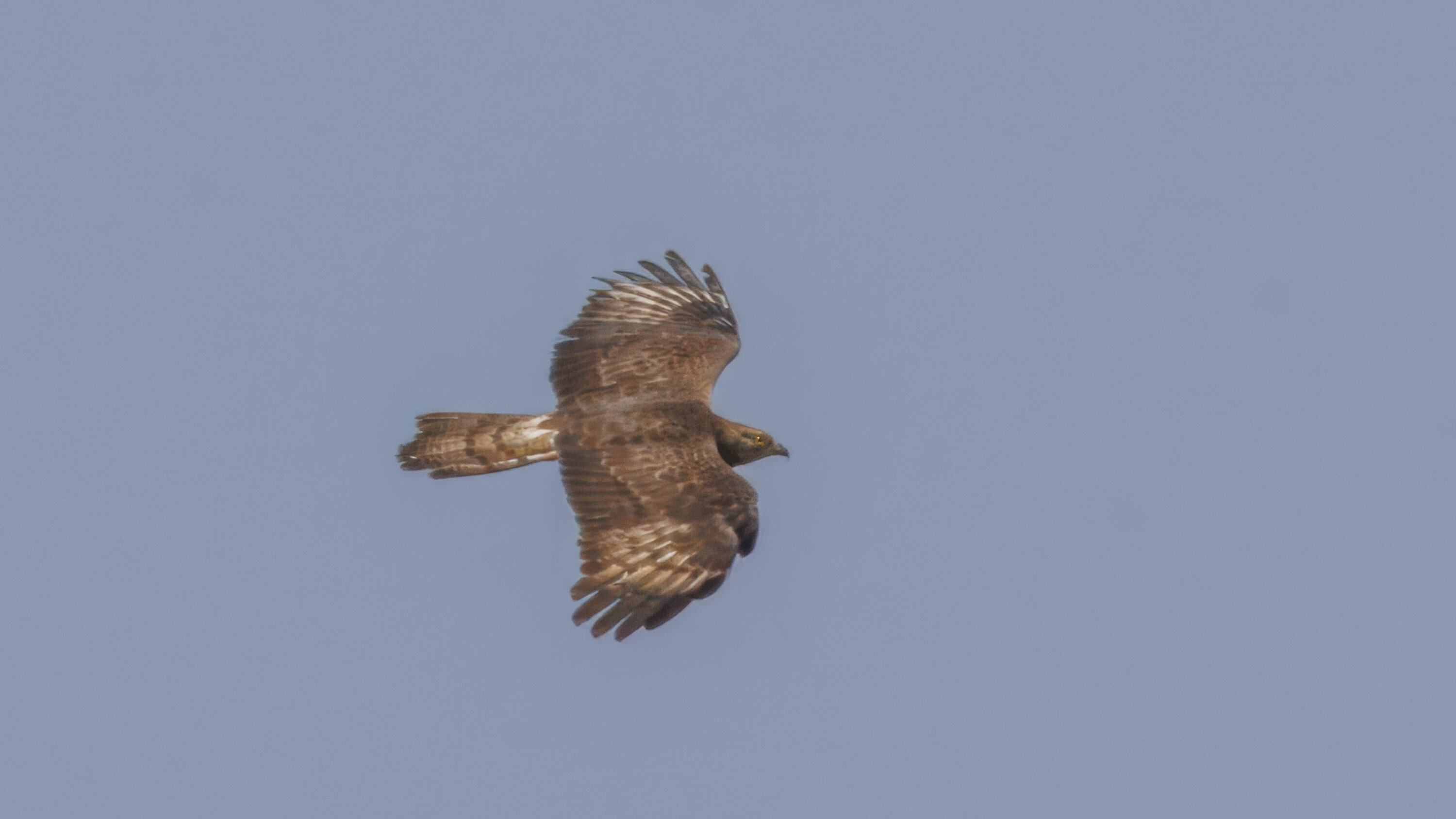
European Honey-buzzards Tracked from Germany Used Flexible Routes to Africa
Satellite tracking of 12 adult European honey-buzzards breeding in Germany documented routes to wintering areas from Liberia and…
Read story →SPECIES IN THIS STORY
Species in this story
Independent research and conservation news archive
Did you find this information useful?
Wildlife Vagabond is independently built and maintained. Voluntary support helps cover source verification, hosting and continued work on research and conservation news.
Support Wildlife VagabondThe news archive will remain freely available.