
Northern Pintails Got Less Energy from Wetland Seeds Than Other Ducks
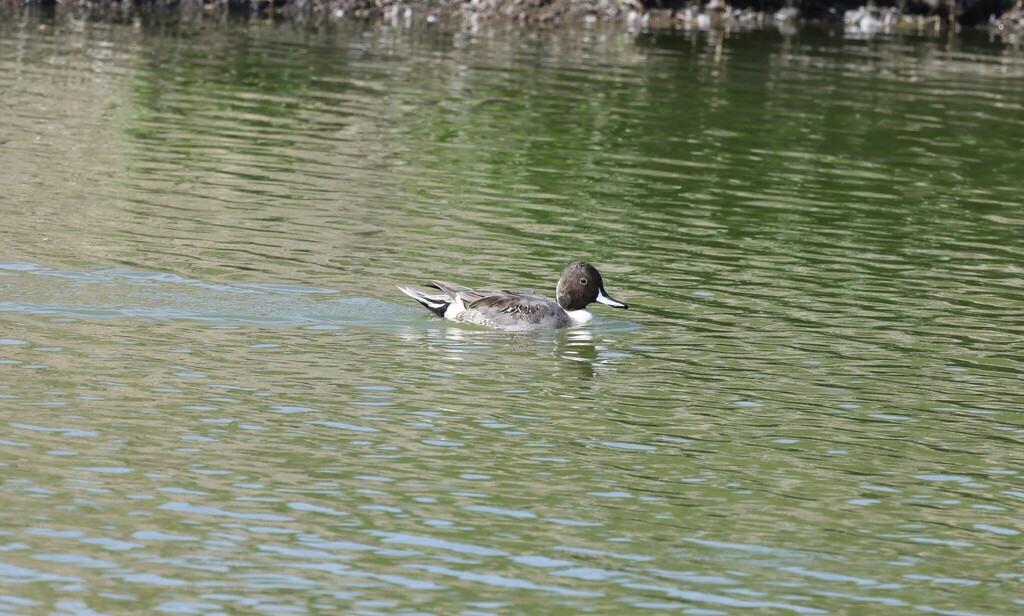
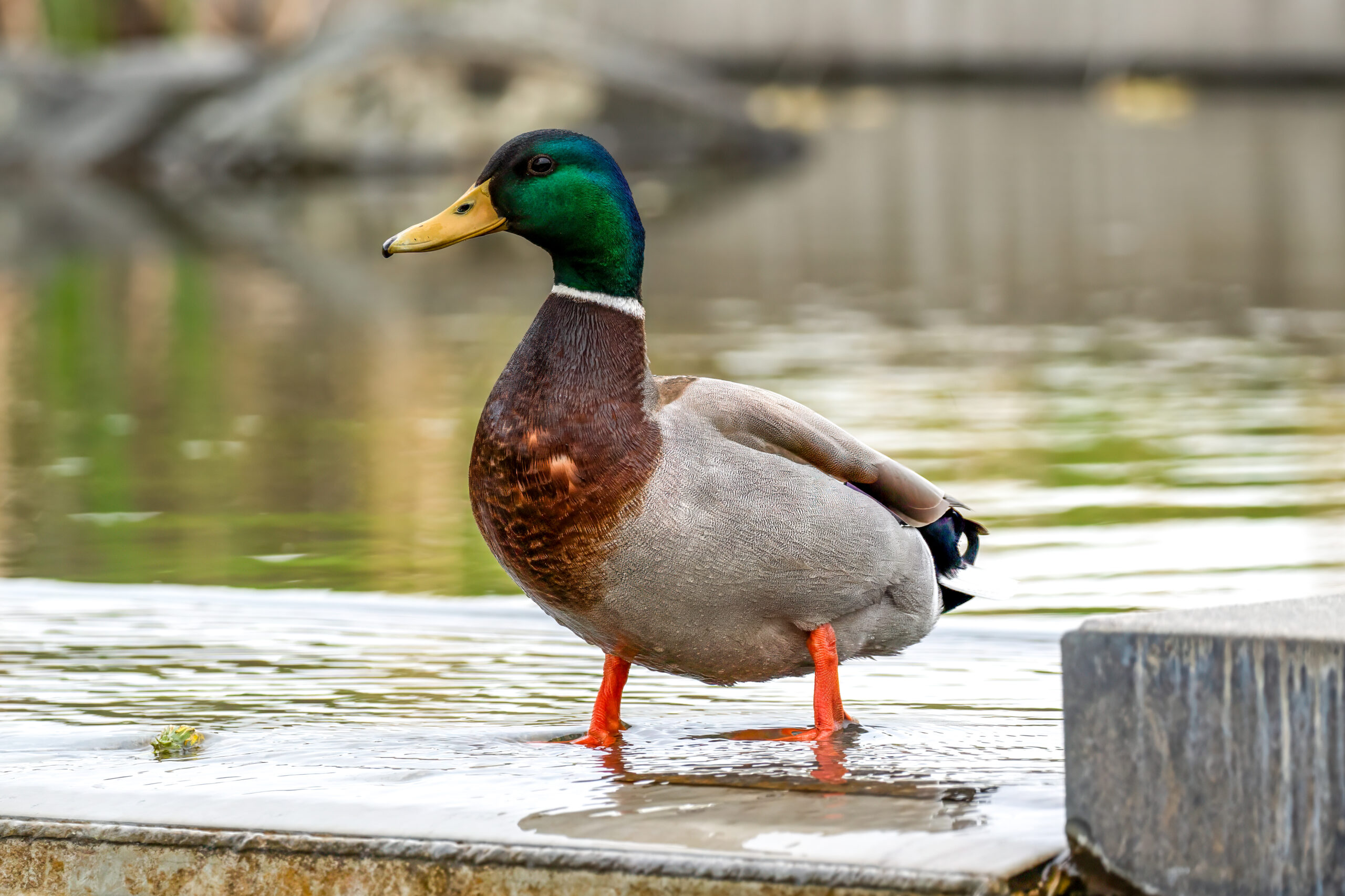
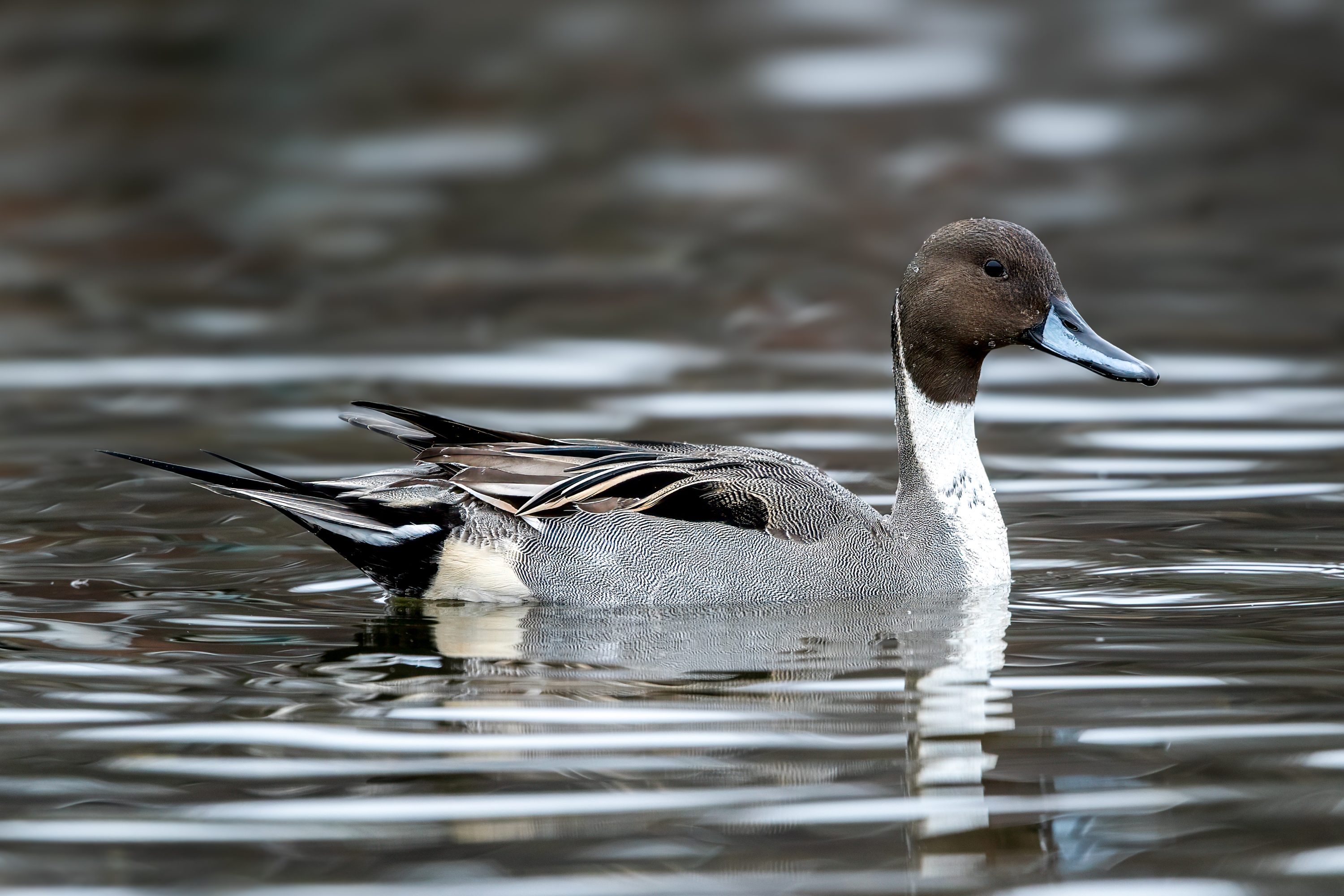
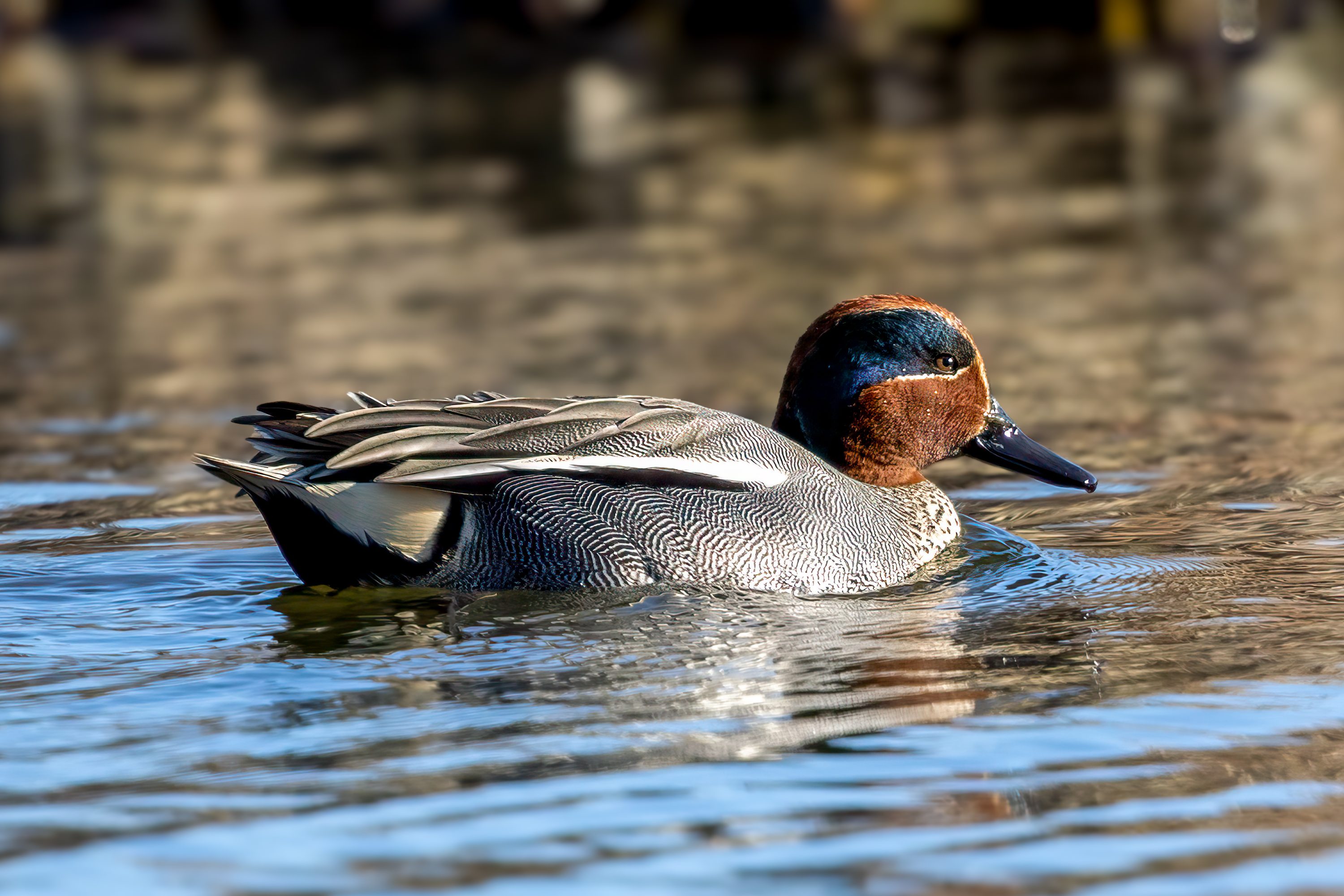
How much energy a duck can get from wetland seeds depends partly on which duck is eating them. Researchers compared the energy three dabbling ducks could use from seeds of six moist-soil plants—wetland plants that grow on damp or exposed soil: Mallard (Anas platyrhynchos), Northern Pintail (Anas acuta) and Green-winged Teal (Anas crecca).
The researchers measured nitrogen-corrected true metabolizable energy, an estimate of the energy available to a bird after accounting for energy lost in its excreta. Across the duck-and-seed comparisons, estimates ranged from −0.29 to 2.58 kilocalories per gram. They varied with both duck species and seed species. Northern Pintails generally had estimates 1–2 kilocalories per gram lower than Mallards and Green-winged Teal.
Wetland managers use food-energy estimates to assess how many waterfowl a habitat might support and to help choose plants for restoration or management. Applying estimates based on Mallards—or pooled values from different ducks and seeds—to every species may oversimplify the energy available to the birds a particular area is intended to support. The findings show why estimates that account for both the ducks and the seeds in a planning area can give managers a more relevant picture of wetland food resources.
Ecology
Related news
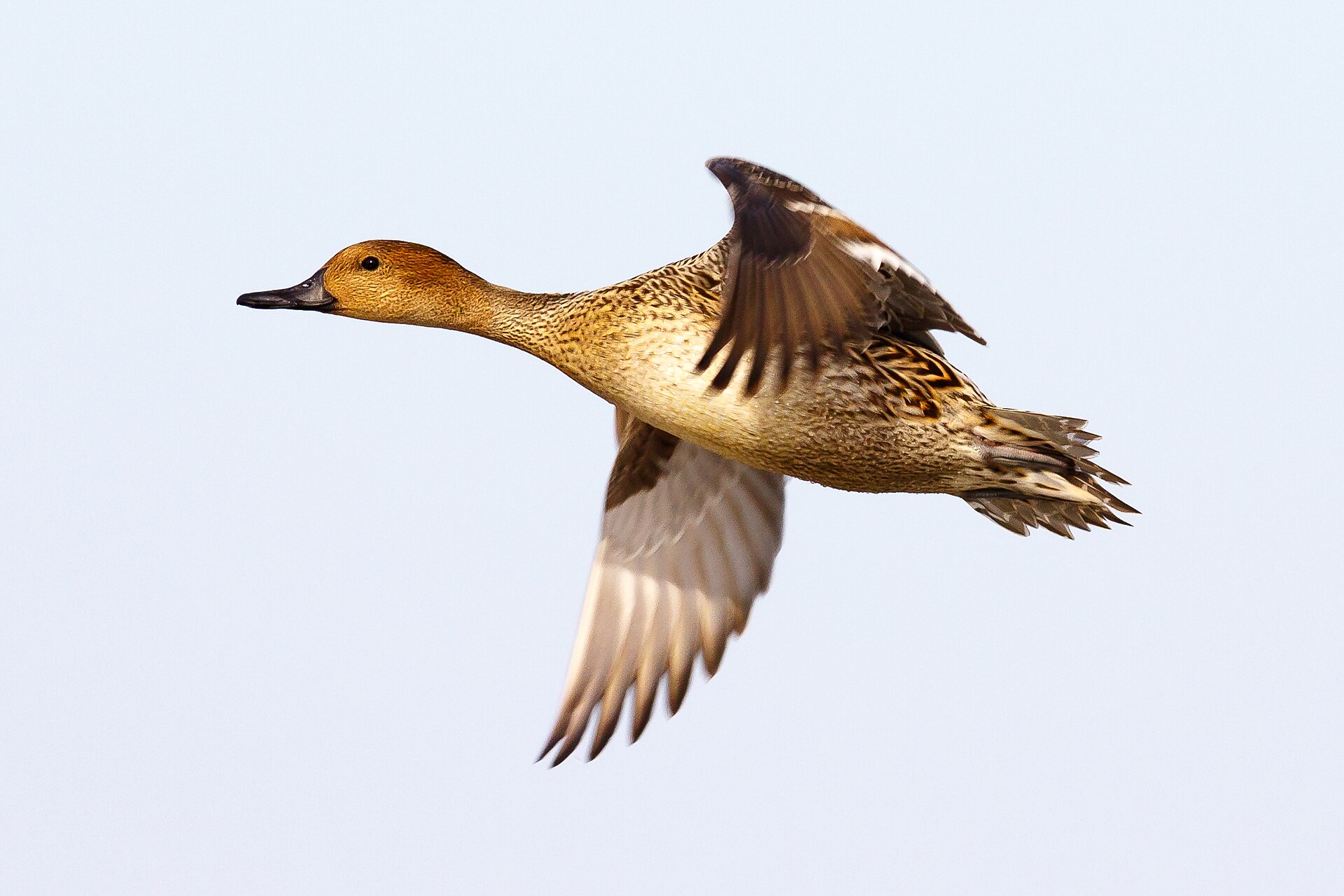
Ducks sharing South Korean wintering grounds migrated in different ways
GPS tracking of six dabbling-duck species found contrasting spring journeys: Northern Pintails and Baikal Teals travelled farthest, while…
Read story →
Seven overlaps linked wild-bird H5 clusters with poultry outbreaks in the US
Across seven periods between 2022 and 2025, clusters of H5 detections in wild waterfowl overlapped in time and…
Read story →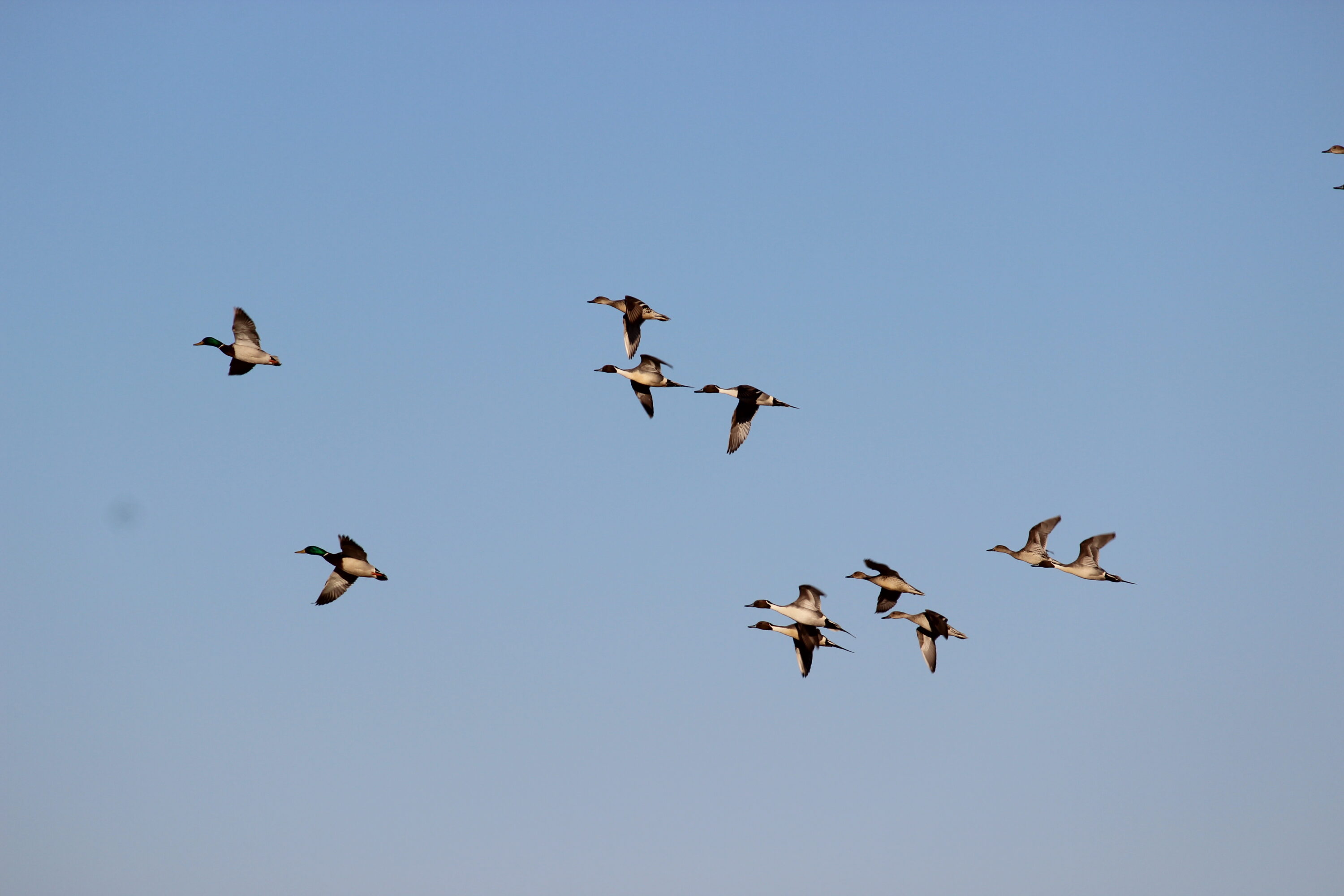
Papillomavirus Genomes Recovered from Three Northern Pintails and One Mallard in New Mexico
Cloacal swabs from three northern pintails and one mallard in New Mexico yielded four complete papillomavirus genomes. All…
Read story →SPECIES IN THIS STORY
Species in this story
Independent research and conservation news archive
Did you find this information useful?
Wildlife Vagabond is independently built and maintained. Voluntary support helps cover source verification, hosting and continued work on research and conservation news.
Support Wildlife VagabondThe news archive will remain freely available.